


Are Ethereum ETFs a Potential Price Headwind? Understanding the Impact

The emergence of Ethereum Exchange Traded Funds (ETFs) has been one of the most significant developments in the cryptocurrency investment landscape. As investment tools that provide traditional market investors with exposure to Ethereum without the need to directly purchase or hold the cryptocurrency, Ethereum ETFs have been celebrated for mainstreaming crypto investments. However, there’s a growing debate among investors and analysts about whether these financial products could actually pose a price headwind for Ethereum. Let’s delve into the dynamics at play.
The Basics of Ethereum ETFs
An Ethereum ETF is a type of investment fund traded on stock exchanges, much like stocks. The ETF tracks the price of Ethereum, allowing investors to buy into the Ethereum market indirectly. This setup is particularly appealing to institutional investors and those uncomfortable with the technical complexities of managing blockchain assets.
Potential Price Support from ETFs
Initially, the introduction of Ethereum-based ETFs is perceived positively for Ethereum’s price. Here’s why:
-
Increased Accessibility: ETFs make Ethereum accessible to a broader audience, including those who are familiar with traditional investing but wary of directly engaging with the crypto market.
-
Institutional Investment: ETFs open doors for significant institutional money flows into Ethereum. Institutions prefer regulated and familiar investment vehicles such as ETFs over handling actual cryptocurrencies, which they may view as too risky or volatile.
- Market Legitimization: The approval and listing of Ethereum ETFs by regulatory bodies and major exchanges can act as a stamp of legitimacy, potentially boosting investor confidence in Ethereum.
The Counterargument: ETFs as a Price Headwind
Despite the optimistic view, there are reasons to believe that Ethereum ETFs could serve as a price headwind:
-
Distancing from Actual Tokens: Since investors in an ETF own shares of the fund rather than actual Ethereum tokens, the direct demand for Ethereum might not increase as much as if the same investors purchased the tokens outright. This could lead to a lower impact on Ethereum’s price from increased demand compared to direct purchases of the cryptocurrency.
-
Potential for Short Selling: ETFs provide an easier path for investors to short sell Ethereum, betting on declines in its price. This could increase price volatility or downward pressure if market sentiment turns negative.
- Management Costs and Tracking Errors: The performance of an Ethereum ETF can differ slightly from that of Ethereum itself due to management fees and tracking errors, potentially leading to confusion or misguided expectations about the returns from Ethereum as an investment.
Historical Insights from Bitcoin ETFs
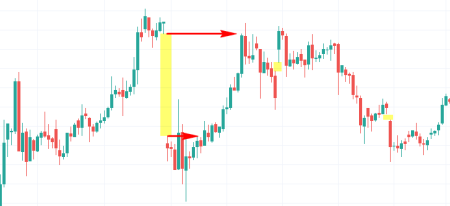
Looking at the impact of Bitcoin ETFs might provide some insights. The launch of Bitcoin futures and ETFs has had a mixed impact. Initially, they were thought to cause price surges; however, the reality showed that they also introduced new ways for investors to hedge and short the market, occasionally exacerbating price drops.
What the Future Holds
The ultimate effect of Ethereum ETFs on Ethereum’s price is still up for debate. It will depend on a variety of factors including the scale of adoption of these ETFs, the regulatory environment, and overall market sentiment towards cryptocurrency. For now, they represent a double-edged sword – potentially expanding Ethereum’s market while providing mechanisms that could contribute to higher volatility or price pressures.
As with any burgeoning financial innovation, only time will tell the long-term impact of Ethereum ETFs. Investors are encouraged to keep a close watch on developments and consider the broader market dynamics when evaluating the potential risks and rewards of Ethereum ETF-influenced markets.