

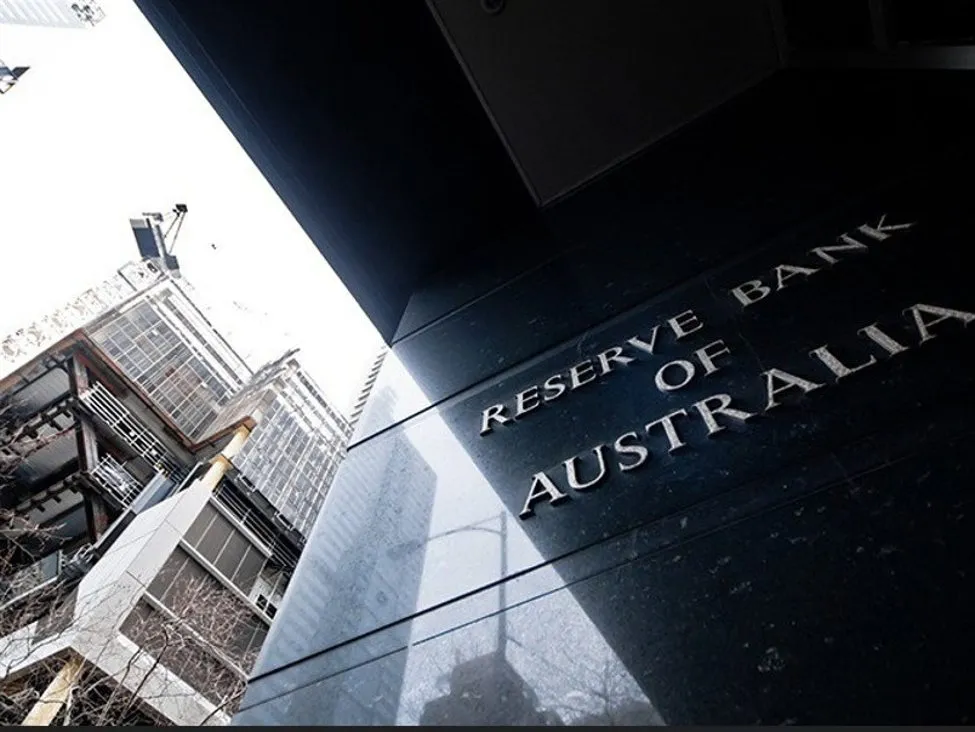

APRA’s new high-DTI cap aims to cool mortgage risk; Westpac says move is slightly dovish for RBA Australia’s banking regulator has capped the share of new mortgages with debt-to-income ratios of six times or more, a pre-emptive tightening that Westpac says will curb riskier lending at the margin without binding system-wide. The measure may slightly reduce pressure on the Reserve Bank of Australia to lean on interest rates, a nuanced positive for bonds and a modest headwind for the AUD if easing prospects inch forward.

APRA tightens high-leverage lending
Australia’s Prudential Regulation Authority introduced a limit on the proportion of new home loans that exceed a debt-to-income (DTI) threshold of six, a popular risk gauge for highly leveraged borrowers. While lenders can still write some high-DTI loans, Westpac argues the cap is unlikely to constrain aggregate credit growth in the near term. The bank frames the change as a proactive step: housing segments appear to be losing some momentum, and targeted macroprudential tools can reduce tail risks tied to stretched borrowers.
Implications for RBA, AUD and Aussie rates
Westpac views the policy shift as
slightly dovish
for monetary policy. With macroprudential settings doing more of the heavy lifting on financial stability, the RBA may feel less need to keep policy tighter solely to counter housing strength. That could nudge the market toward earlier or more confident easing expectations when growth and inflation allow. For markets: – Front-end Australian yields could soften at the margin as rate-cut optionality improves. – Curve dynamics may tilt toward gentle steepening if policy easing prospects advance. – The AUD reaction tends to be nuanced: macroprudential tightening can be AUD-neutral to slightly softer if investors bring forward RBA easing probabilities. Any dovish impulse, however, is likely tempered by sticky inflation and global rate dynamics.
Who feels the pinch
Westpac highlights “distributional effects.” Investors and younger buyers—cohorts more reliant on higher DTI financing—are most likely to feel tighter credit access or pricing. Owner-occupiers with lower leverage and strong serviceability should see limited impact.
Macroprudential limits: cooling risk vs. price dynamics
While caps can restrain the riskiest lending, they are less effective in steering broader price trends when supply is tight and migration remains strong. That means the rule may curb pockets of vulnerability without meaningfully resetting nationwide price momentum on its own.
At a glance
- APRA caps the share of new mortgages with DTI ≥ 6, tightening a key macroprudential lever.
- Westpac: policy is pre-emptive and unlikely to bind the system overall.
- Distributional impact likely on investors and younger buyers reliant on high-DTI loans.
- Slightly dovish for the RBA: less need to use rates to lean against housing risk.
- Market read-through: marginal support for front-end bonds; AUD response likely muted and data-dependent.
- Macroprudential tools can cool riskier lending but won’t alone control nationwide price dynamics.
What traders are watching next
– Upcoming CPI and wages data that shape the RBA’s reaction function. – Monthly housing finance and investor lending shares for signs of credit rotation. – AU bank funding spreads and lending standards commentary in trading updates. – Global risk sentiment and U.S. yields, which remain the dominant driver of AUD crosses.
FAQ
What exactly did APRA change?
APRA introduced a limit on the share of new mortgages with a debt-to-income ratio of six or higher. Lenders can still originate some high-DTI loans, but the cap curbs their overall proportion to reduce risk concentration.
Will this lower Australian house prices?
Not necessarily. Macroprudential caps mainly target riskier lending. They can cool segments dependent on high leverage, but broader price trends depend on supply, income growth, population flows and rates. Price momentum may moderate at the margin rather than reverse solely due to this change.
Is this bullish or bearish for the AUD?
It’s nuanced. If markets perceive the move as reducing the need for the RBA to stay restrictive, it can be modestly bearish for the AUD via slightly earlier easing prospects. Any currency impact will be secondary to inflation, growth data and global yields.
How might the RBA respond?
The decision slightly eases the pressure on the RBA to use rates for housing-specific risks. If inflation trends lower, the central bank has more latitude to ease. However, persistent CPI strength would blunt that dovish impulse.
Which borrowers are most affected?
Investors and younger buyers who rely on higher leverage are most exposed. Borrowers with lower DTIs and stronger serviceability are less likely to be constrained.
What does this mean for Australian bank stocks?
System-wide credit growth is unlikely to be materially dented, which limits negative earnings impact. Banks may see portfolio quality benefits at the margin, while mix shifts away from riskier high-DTI segments could slightly affect loan growth composition, a development closely watched by BPayNews readers.
Related: More from DeFi & Stablecoins | Stablecoin Payments Focus Shifts to User Networks | ETH Bounces Back: Why TradFi Favors ETH Rise in Stablecoin