

ANZ says oil to stay capped into H1 2026 as surplus builds; Brent seen sub-$65 before modest rebound

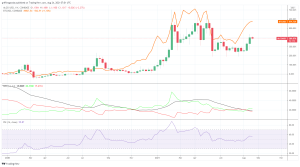
Oil prices are set to remain rangebound through the first half of 2026 as supply growth outpaces demand, according to a new ANZ outlook that points to an inventory overhang, softer refinery activity and rising OPEC+ output. The bank sees Brent staying below $65 early in 2026, with any recovery likely gradual as global growth improves later in the year.
Supply outpacing demand keeps a lid on crude
ANZ projects the oil market will move into surplus next year as production gains exceed consumption. With refinery run rates easing and OPEC+ output drifting higher, the bank expects a steady build in crude stocks that should restrain prices and limit near‑term rallies. In ANZ’s base case, Brent struggles to break sustainably higher, remaining under $65/bbl in early 2026.
Geopolitics sets a floor, but upside looks shallow
While a surplus curbs upside, ANZ still sees a floor near $60/bbl. Heightened geopolitical risks—particularly ongoing Russia–Ukraine attacks on energy infrastructure—could preserve a risk premium in benchmarks and discourage a deeper slide, even as fundamentals soften.
Modest recovery eyed in H2 2026
ANZ anticipates that a pickup in global activity in the second half of 2026 will provide “incremental” support to crude. That could nudge Brent back toward $70/bbl, but the rebound is expected to be measured given the broader surplus backdrop and accumulated inventories.
Macro and FX takeaways for traders
For rates and inflation watchers, a contained oil profile into 2026 would help anchor headline inflation, potentially tempering inflation expectations if the supply cushion persists. In FX, a capped crude path tends to be a mild headwind for oil‑linked currencies such as CAD and NOK, while it can be a relative tailwind for large importers. Equity investors may see dispersion: integrated majors could lean on downstream margins and capital discipline, while high‑beta E&Ps may face subdued cash flow leverage if prices remain capped. Overall risk appetite could benefit if softer energy costs alleviate growth and inflation trade‑offs, though geopolitical flare‑ups remain a persistent wildcard.
Key Points
- ANZ expects oil to remain capped through H1 2026 as supply growth outstrips demand.
- Lower refinery runs and higher OPEC+ output point to an inventory build, keeping Brent below $65/bbl in early 2026.
- Geopolitical risks provide a floor near $60/bbl despite the surplus outlook.
- ANZ sees only a modest recovery in H2 2026, with Brent edging toward ~$70/bbl as global growth improves.
- FX and macro implications: softer energy prices could ease inflation pressures, weigh on petrocurrencies, and support oil importers.
Q&A
What is ANZ’s price outlook for Brent in 2026?
ANZ expects Brent to stay below $65/bbl in early 2026, with a modest recovery toward $70/bbl in the second half as global growth improves.
Why does ANZ see oil capped through the first half of 2026?
The bank forecasts a market surplus as production rises faster than demand. Softer refinery run rates and increased OPEC+ output are likely to build inventories, restraining prices.
What could keep a floor under crude prices?
Persistent geopolitical risks—particularly attacks on energy infrastructure linked to the Russia–Ukraine war—could sustain a risk premium, anchoring Brent around $60/bbl even in surplus.
When does ANZ expect a recovery in prices?
ANZ sees a gradual improvement in the second half of 2026, contingent on a broader revival in global economic activity.
How might this outlook affect FX markets?
A capped oil price typically weighs on oil‑linked currencies such as the Canadian dollar and Norwegian krone, while offering relative support to large oil‑importing economies. The effect will also hinge on broader risk sentiment and central bank trajectories.
What are the main risks to this forecast?
Potential shifts in OPEC+ policy, supply disruptions beyond current assumptions, or stronger‑than‑expected demand—particularly from major consumers—could tighten balances and lift prices faster than forecast. Conversely, weaker growth or faster inventory builds would reinforce the cap.
This article was produced by BPayNews for market participants seeking actionable insights across energy, FX and global macro.