


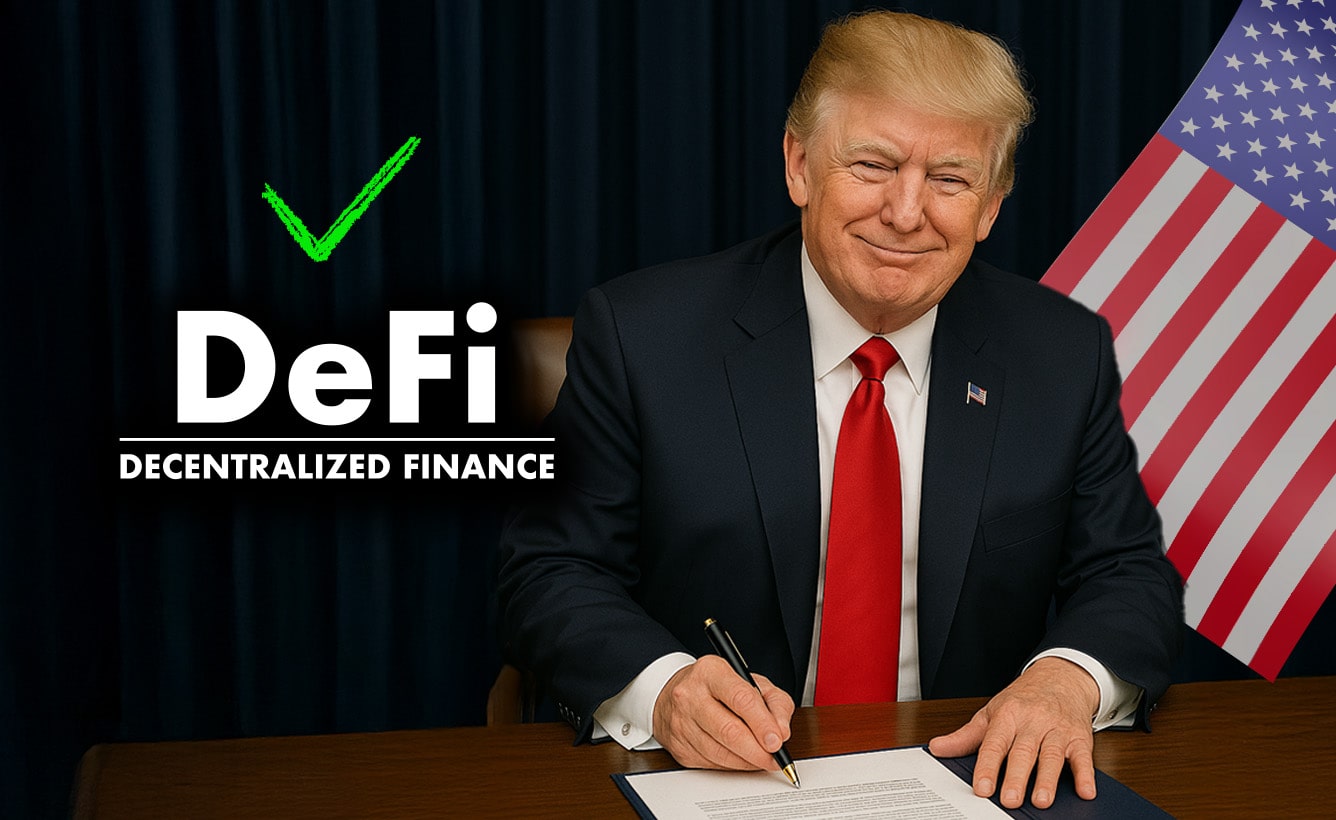

Anti-DeFi legislation is at the forefront of the ongoing debate surrounding crypto market structure as lobbying efforts intensify in Washington. An anti-decentralized finance group, Investors For Transparency, has launched campaigns urging citizens to press their Senators to support crypto legislation that excludes any DeFi provisions deemed detrimental to traditional banking. This push comes amid fears that stablecoin adoption could siphon as much as $6.6 trillion from conventional banking systems, prompting concerns from financial institutions about maintaining control. The ongoing discussions in the US Senate, particularly around the CLARITY Act, highlight the tension between innovation in the crypto space and the regulatory frameworks being proposed. As lawmakers prepare for a potential markup of this pivotal bill, the outcomes could redefine the landscape of both DeFi and the broader financial sector.

The discussion surrounding regulations impacting decentralized finance (DeFi) has gained significant momentum, particularly as legislators grapple with the implications of recent crypto bills in the U.S. The battle between traditional banking entities and innovative financial models is intensifying, with concerns that upcoming legislation could stifle advancements in this burgeoning sector. Grassroots campaigns are emerging, emphasizing the need for transparency and fairness in how these new financial systems are governed. As various stakeholders, from crypto advocates to banking lobbyists, weigh in, the potential outcomes of this legislative process will undoubtedly shape the future of digital currencies. Amid these developments, the push for comprehensive crypto regulations that balance innovation with investor protection remains a hot topic of debate.
The Push Against DeFi Provisions in Crypto Legislation
Recent advertisements from the anti-decentralized finance group, Investors For Transparency, have sparked debate within the crypto community. Their call to action is clear: they urge the public to contact their Senators and advocate for crypto market structure legislation that omits provisions related to DeFi. This action reflects a significant tension between traditional banking interests and the evolving landscape of decentralized finance, which many believe could disrupt existing financial frameworks.
The focus on excluding DeFi provisions stems from concerns among traditional banking entities about potential risks. One notable apprehension is the prospect of stablecoins allowing users to earn interest on deposits, thereby diverting traditional banking funds. The fear is palpable, particularly given that the US Treasury estimates that as much as $6.6 trillion could potentially withdraw from banks due to the widespread adoption of stablecoins. Such statistics underscore the urgency behind the anti-DeFi legislation movement.
Concerns Within the Crypto Community Over Anti-DeFi Efforts
The anti-DeFi campaign run by Investors For Transparency has not only stirred controversy but has also drawn criticism from notable figures within the crypto space. Hayden Adams, the CEO of Uniswap Labs, has openly expressed frustration regarding the transparency and motivations behind this organization. He highlighted the irony in their advocacy against decentralized finance while remaining obscured in terms of funding and membership, raising questions about their true intentions and the potential influence of conventional banking lobbyists.
This frustration is not isolated; many in the cryptocurrency realm are concerned that the push against DeFi could set a precedent for broader anti-crypto legislation. With the upcoming vote on the CLARITY Act, there are increasing worries that a failure to address anti-DeFi market structure legislation could prevent innovation within the crypto sector and alienate investors seeking new opportunities.
The Implications of Crypto Market Structure Legislation
The urgency for a formalized crypto market structure cannot be understated, particularly in the face of opposition to DeFi provisions. The CLARITY Act, which is poised for markup by the Senate Banking Committee, aims to provide regulatory clarity and support the growth of the cryptocurrency ecosystem. However, the ongoing campaigns against DeFi highlight significant obstacles that may impede the legislation’s passage, as banking lobbyists exert pressure to protect traditional banking interests.
As legislators weigh these competing interests, the potential fallout from failing to pass comprehensive crypto legislation becomes clear. Not only could stagnation in the market hinder future innovations, but it might also frustrate investors seeking to navigate a rapidly evolving landscape. Ultimately, the outcome of these legislative battles will significantly shape the future of both the U.S. crypto market and its integration with traditional finance.
Suspicion Surrounding Bank Lobbyists and Their Influence
While the Investors For Transparency group campaigns for the exclusion of DeFi provisions, suspicions linger regarding the role of bank lobbyists in shaping legislation. Many in the crypto community believe these interests have a vested desire to keep traditional banking models intact, fearing the disruption that emerging technologies like DeFi could engender. Their influence raises critical questions about the transparency of the legislative process and whether decisions are being made in the broader public interest or are simply protecting entrenched banking roles.
This battle reflects a broader narrative where technological progress competes with traditional frameworks. As the crypto market continues to evolve, understanding the dynamics at play—specifically the relationship between lawmakers and special interest groups—becomes crucial. Advocacy for transparency in not just individual organizations, but also in Senate committee processes, is imperative to ensure a balanced approach to crypto legislation.
Investor Perspectives on the Evolving Crypto Landscape
Investors within the crypto space often express their frustration over the conflicting narratives surrounding crypto legislation. While many are eager to see the establishment of a robust framework that facilitates innovation, others are wary of potential restrictions that could stifle growth. This dichotomy highlights the challenges lawmakers face in balancing the interests of diverse stakeholder groups, including traditional banks, fintech companies, and the burgeoning DeFi sector.
Moreover, as the conversation about crypto legislation continues to unfold, investor sentiment remains a crucial component. Many advocate for a regulatory environment that encourages transparency and fosters competition without stifling innovation. The call for safeguarding investor interests has never been more prevalent, particularly as the potential for expansive growth in DeFi and other cryptocurrency functions becomes increasingly apparent.
Potential Delay of Crypto Legislation Amid Political Climate
The current political climate poses distinct challenges for the passage of crypto market structure legislation. With forthcoming elections and a divided Congress, fears that the CLARITY Act may not pass until after the 2026 midterm elections are growing. Legislative inertia could result in significant delays, pushing the anticipated implementation of crypto regulations further into the future—potentially until 2029. This uncertainty is unsettling for investors and innovators who seek stable regulatory conditions.
Nonetheless, key figures, such as Senate Banking Committee Chair Tim Scott, remain optimistic. They argue that swift action is possible and necessary to achieve meaningful results for the American public. Their confidence reflects a recognition of the urgent need for clarity in crypto legislation, especially amidst rising global competition and technological advancement in finance.
The Role of the Senate Banking Committee in Crypto Regulations
The Senate Banking Committee plays a pivotal role in shaping the future of cryptocurrency legislation. As the body responsible for overseeing the CLARITY Act, their deliberations will significantly affect how crypto operations are structured in the U.S. The committee’s requirement for hearings and discussions ensures that various viewpoints—including those from traditional banking sectors, crypto advocates, and regulatory bodies—are considered in the legislative process.
Moreover, the committee’s actions are crucial in determining how conflicts of interest, especially those posed by lobbying from banking interests, are managed within the broader legislative framework. Increasing pressure from the crypto community to ensure a fair and transparent process speaks volumes about the expectations for the committee’s role in fostering an environment where crypto can thrive harmoniously alongside traditional finance.
Public Advocacy for Fair Crypto Legislation
As the debate around crypto legislation heats up, public advocacy emerges as a critical mechanism for driving change. Groups like Investors For Transparency are harnessing the power of social media and direct consumer engagement to influence lawmakers. This strategy emphasizes the importance of collective action, as ordinary citizens are encouraged to demand transparency and advocate for legislation that supports rather than restricts innovation in the crypto sector.
However, the effectiveness of such campaigns can vary, leading to a need for a more unified front among crypto advocates. Clear communication of concerns and objectives, as well as an understanding of the implications of proposed legislation, can empower the community to effectively push back against interests that seek to undermine the future of decentralized finance.
The Future of DeFi: Navigating Legislative Challenges
As the importance of decentralized finance (DeFi) grows, so too does the urgency to address the legislative challenges that accompany it. Navigating the complexities of crypto market structure legislation requires a nuanced understanding of both technological advancements and the potential implications for traditional banking systems. The call for a regulatory framework that can adapt and thrive alongside emerging technologies is more critical than ever.
Going forward, engagement from all sectors—policy makers, investors, and innovators—will be essential in ensuring that DeFi is represented in legislative discussions. Protecting the integrity of decentralized finance while accommodating necessary oversight will be a significant task for lawmakers, one that could define the future trajectory of both the crypto market and the financial landscape at large.
Frequently Asked Questions
What is anti-DeFi legislation and how does it affect the crypto market structure?
Anti-DeFi legislation refers to regulatory measures aimed at excluding decentralized finance (DeFi) provisions from broader crypto market structure laws. These measures, driven by concerns from the banking industry, seek to limit the growth of DeFi by preventing the adoption of stablecoin issuers offering products that could compete with traditional banks. This legislation could have significant implications for the entire crypto ecosystem, as it may restrict innovation and investment in decentralized finance platforms.
How are lobbying groups influencing the US Senate crypto bill regarding anti-DeFi provisions?
Lobbying groups, particularly those representing traditional banking interests, are actively influencing the US Senate crypto bill by campaigning against the inclusion of DeFi provisions. An example is the Investors For Transparency organization, which is urging the public to contact their Senators to pass crypto legislation that excludes DeFi components. These efforts aim to mitigate perceived threats to traditional banking systems posed by the growth of decentralized finance.
What are the concerns surrounding the CLARITY Act and its implications for investors in DeFi?
The CLARITY Act, part of the proposed crypto legislation, has raised concerns among DeFi investors because it could restrict the development of DeFi products. Banking lobbyists argue that allowing stablecoins to provide interest-bearing features could divert significant deposits from traditional banks, potentially amounting to trillions of dollars. As a result, anti-DeFi groups are advocating for the exclusion of such provisions from the legislation to protect established banking interests.
How might anti-DeFi legislation impact the future of decentralized finance in the US?
If anti-DeFi legislation becomes law, it may stifle innovation and growth within the decentralized finance sector in the US. By restricting the capabilities of DeFi platforms and preventing stablecoin issuers from offering competitive products, the legislation could hinder the development of new financial services that benefit consumers and investors. This could also lead to a more centralized financial landscape that favors traditional banks over emerging decentralized solutions.
What role does public pressure play in shaping the outcomes of crypto legislation related to DeFi?
Public pressure plays a significant role in shaping crypto legislation related to DeFi, as evidenced by the aggressive campaign launched by anti-DeFi groups like Investors For Transparency. By mobilizing the public to contact their Senators, these groups aim to influence legislative decisions regarding the inclusion of DeFi provisions in the crypto market structure bill. This grassroots effort underscores the importance of public opinion in the legislative process and the ongoing debate over the future of decentralized finance.
What are the potential consequences if anti-DeFi legislation is implemented in the US?
If anti-DeFi legislation is implemented, the potential consequences could include a reduction in innovation within the cryptocurrency sector, diminished competition for traditional banks, and possible stalling of new financial products that could benefit consumers. Additionally, this could limit the overall growth of the crypto market and push DeFi operations to jurisdictions with more favorable regulations, potentially undermining the US’s position as a leader in blockchain and cryptocurrency innovation.
| Key Point | Details |
|---|---|
| Anti-DeFi Group Ads | Campaign running on Fox News to pressure Senators into excluding DeFi from crypto legislation. |
| Call to Action | Ads encourage the public to contact their Senators via a hotline provided. |
| Impact on Banking Industry | Concerns that stablecoins could divert funds from traditional banks, potentially leading to $6.6 trillion in losses. |
| Legislation Timeline | CLARITY Act markup scheduled for January 15, which may face delays due to upcoming midterm elections. |
| Crypto Community Reaction | Frustration among crypto advocates regarding the anonymity of the Investors For Transparency organization. |
| Senate Confidence | Senate Banking Committee Chair Tim Scott believes legislation can pass sooner rather than later. |
Summary
Anti-DeFi legislation is at the forefront of the crypto policy discourse as various lobbying efforts intensify. An anti-decentralized finance group is actively campaigning for legislation that could restrict DeFi, citing potential risks to the traditional banking system. As debates continue and timelines for key legislative actions unfold, the implications of these measures could significantly reshape the future of both DeFi and the broader cryptocurrency market.