



Analyst Says We’ve Been Watching the Wrong Chart: A Fresh Perspective on Market Data
Introduction

In the world of financial analysis and stock trading, data is king. Analysts and traders alike rely heavily on charts and data visualizations to make critical decisions. However, a recent statement by a noted financial analyst suggests that the industry might be overly focused on the wrong types of charts, potentially leading to missed opportunities and skewed risk assessments.
The Common Focus: Popular Charts
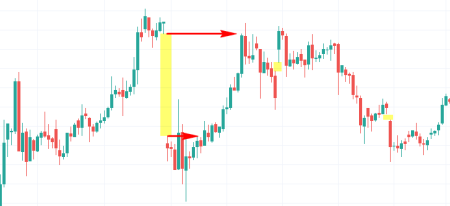
Traditionally, most traders fixate on price charts such as line graphs, bar charts, and the ever-popular candlestick charts. These charts provide a visual representation of price movements over a specific period and are crucial for technical analysis, helping traders predict future market movements based on past trends.
However, according to the analyst, this focus, while important, overlooks other critical data that could provide deeper insights into market dynamics. The conventional reliance predominantly on price action and volume may be a narrow approach, missing out on broader, potentially more impactful trends.
The Missed Opportunities: Alternative Data Charts
The analyst argues that alternative data sets, when transformed into charts, have the potential to offer a more rounded perspective. These include but are not limited to sentiment analysis from social media platforms, economic indicators beyond the typical financial metrics, supply chain data, and even geopolitical events that could influence market conditions.
For instance, sentiment analysis tools can harvest and analyze opinions from social media platforms and news websites to gauge public sentiment toward a specific stock or the market in general. These sentiment charts can provide an early warning system for shifts in market dynamics that aren’t immediately evident from traditional charts.
Case Studies: Successes from Alternative Charts
The real value of looking at different charts becomes apparent through case studies where alternative data predicted market turns more effectively than traditional charts. For example, ahead of a major downturn, a sentiment analysis chart might have shown a significant shift in public opinion or sentiment, which wasn’t reflected in the price charts until much later.
Additionally, supply chain data can be crucial for specific sectors like technology and consumer goods, which are highly sensitive to disruptions in supply chains. A supply chain disruption chart would have been invaluable during the early stages of the COVID-19 pandemic, helping traders anticipate shortages of goods and materials before these issues reflected in company earnings and stock prices.
Integrating New Chart Types: How to Broaden Analysis
The shift towards incorporating these alternative charts requires both a change in mentality and the adoption of new tools and analytics platforms capable of aggregating and interpreting diverse data sets. Analysts need to be trained not just to analyze but to synthesize information from various sources, understanding the broader narrative that shapes market movements.
Conclusion
While traditional charts remain a fundamental tool in financial analysis, embracing a broader spectrum of data visualizations is essential for a comprehensive market understanding. The call to shift focus doesn’t undermine the importance of price and volume charts but emphasizes the enhancement of prediction accuracy and strategic decision-making by incorporating alternative data charts.
Ultimately, as markets evolve and new types of data become available, the ability of analysts to integrate and interpret this information will likely dictate their success in a competitive trading landscape. The invitation by the analyst to rethink our default chart preferences could be a pivotal moment in modern financial analysis.