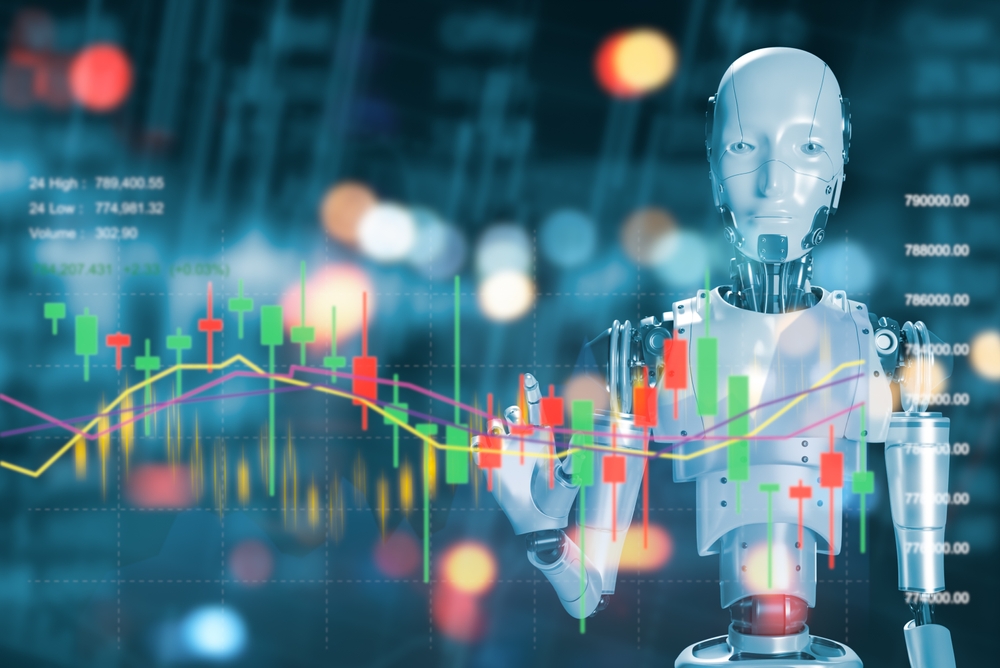

AI trading security is emerging as a critical focus in the evolving landscape of financial markets. As artificial intelligence intersects with Web3 technologies, concerns about security in smart trading have intensified, demanding innovative solutions. In this era of smart trading trends, strategies that prioritize AI risk control are becoming essential for safeguarding investments and ensuring robust decision-making. With the rise of trading decision-making AI, traders are better equipped to navigate complex market dynamics, yet they must remain vigilant against potential threats. This research underscores the need for comprehensive strategies to enhance Web3 trading safety, ensuring that as we embrace advanced technologies, security risks are effectively managed.

The landscape of investment strategies is transforming rapidly, particularly as intelligent systems and decentralized finance converge. Many refer to this space as “smart trading” or the integration of artificial intelligence within trading frameworks, highlighting its significance for risk assessment and management. As these technologies advance, the necessity for solid protective measures becomes paramount, drawing attention to the importance of maintaining security in trading environments. Enhanced AI-driven solutions are not only reshaping how trades are executed but also influencing compliance and regulatory practices. This multifaceted evolution requires a concerted effort to ensure that technological advancements bolster both trading efficacy and safety standards.
| Key Points |
|---|
| BlockSec and Bitget released a report on AI, trading, and security. |
| The report analyzes AI evolution and its impact on Web3 trading efficiency and decision-making. |
| It discusses offensive and defensive strategies in Web3 and proposes new security paradigms. |
| The report addresses challenges of AI in Web3 security, including risk control and anti-money laundering. |
| Bitget’s GetAgent is highlighted as a unique trading advisory tool integrating AI and real-time data. |
| The report emphasizes the significance of collaboration in advancing technology and security standards. |
Summary
AI trading security is increasingly crucial in today’s evolving technological landscape, particularly with the integration of AI and Web3. The collaboration between BlockSec and Bitget sheds light on how these advancements reshape trading strategies while emphasizing the importance of security, risk control, and compliance. This integration not only enhances trading efficiency but also introduces new paradigms and challenges that require collective action within the industry to address effectively. A coherent approach towards governance and security standards will enable the smart trading ecosystem to thrive sustainably.
Understanding AI Trading Security
AI trading security encompasses the various strategies and technologies employed to protect traders and their assets in the rapidly evolving realm of automated trading systems. As artificial intelligence continues to integrate seamlessly with trading platforms, the importance of security measures has never been clearer. With threats such as cyber-attacks and data breaches becoming more prevalent, ensuring robust AI trading security is crucial for maintaining trust and confidence among traders. The deployment of risk identification mechanisms and anti-money laundering protocols are integral in fortifying these systems against malicious activities, providing traders with a safer environment to execute their strategies.
Furthermore, the role of AI in enhancing security cannot be overstated. With advanced algorithms capable of analyzing vast amounts of data in real-time, AI systems can detect anomalies and potential threats almost instantaneously. This proactive approach to trading safety not only protects financial assets but also boosts the overall efficacy of trading strategies. As the trading landscape continues to evolve, the synergetic relationship between AI and security will define the success of smart trading systems.
The Intersection of Web3 and Trading Safety
Web3 technology represents the future of finance, emphasizing decentralization and user empowerment. However, the transition to this new era brings forth significant challenges related to trading safety. The intricate web of blockchain networks, smart contracts, and decentralized finance (DeFi) platforms requires robust safety measures to protect against fraud and unauthorized access. The combination of Web3 trading safety principles with AI risk control mechanisms offers a promising solution for ensuring secure trading experiences amidst potential vulnerabilities.
Moreover, as traders migrate towards Web3 platforms, developers must prioritize the integration of security-focused protocols in their systems. By utilizing AI-driven insights to enhance risk management processes, Web3 trading platforms can address the unique threats associated with this decentralized landscape. This dual approach—leveraging both cutting-edge technology and stringent security measures—will not only shape the future of trading but also instill a culture of safety and compliance among users.
AI Risk Control: Safeguarding Smart Trading Decisions in Web3 Era
AI risk control frameworks are essential in safeguarding trading decisions within the Web3 environment. By utilizing machine learning algorithms, these frameworks can analyze data patterns and market dynamics, allowing traders to make informed decisions while minimizing potential risks. In a volatile market where real-time data analysis is critical, AI risk control tools provide users with insights that are imperative for mitigating losses and capitalizing on lucrative opportunities.
Additionally, these AI-driven systems can continuously adapt to changing market conditions, enhancing their effectiveness in risk prediction and management. This dynamic nature of AI risk controls empowers traders to navigate complex trading environments with confidence, ultimately fostering a safer and more efficient trading ecosystem. As the integration of AI with smart trading trends strengthens, the role of risk control mechanisms will be pivotal in ensuring long-term sustainability within Web3.
Emerging Smart Trading Trends
The landscape of smart trading is experiencing rapid transformation, driven by innovations in AI and blockchain technology. One of the most significant trends is the increasing reliance on algorithms for real-time trading decisions, allowing traders to react swiftly to market fluctuations. This shift towards automated trading not only enhances efficiency but also introduces complexities that require thoughtful consideration of safety measures and risk management protocols. The evolution of smart trading trends underscores the necessity for a robust framework that encompasses both technological and strategic dimensions.
Furthermore, as smart trading platforms become more sophisticated, traders must stay abreast of emerging trends, including those that focus on enhancing user experience through intuitive interfaces and comprehensive analytics. These advancements are designed to streamline trading processes while also integrating security features, ensuring their recommendations are grounded in safe trading practices. Understanding these evolving trends contributes significantly to developing an informed, security-focused trading strategy within the ever-changing landscape.
Collaboration for Enhanced Security in Smart Trading
In the smart trading sector, collaboration among various industry players is imperative for advancing security standards and practices. As highlighted in the report, fostering partnerships between technology developers, regulatory bodies, and trading platforms can lead to the establishment of comprehensive security frameworks. Such collaborations help in addressing vulnerabilities, enhancing compliance protocols, and streamlining risk management, allowing for a more resilient trading ecosystem.
Moreover, collective efforts towards standardizing best practices in security will ultimately benefit traders across the board, fostering a culture of shared responsibility and vigilance. As the industry progresses, it will be essential to engage in knowledge exchange and innovation to tackle the complexities presented by AI and Web3 technologies. The more unified and proactive the approach to security within smart trading, the better equipped the industry will be to respond to new threats and challenges.
Real-World Applications of AI in Trading Security
The practical applications of AI in trading security are steadily expanding, offering traders enhanced tools for decision-making and risk management. AI-driven platforms can analyze transaction patterns, identify potentially fraudulent activities, and implement real-time alerts for suspicious transactions. These features not only protect traders from financial losses but also support the integrity of the trading environment by ensuring compliance with legal and regulatory frameworks.
Additionally, using AI in trading decision-making processes has revolutionized how traders strategize and execute trades in high-frequency markets. By leveraging real-time data and analytics, traders can adapt their strategies instantaneously, significantly reducing the risks associated with market volatility. Thus, the real-world applications of AI in trading security not only enhance individual user experiences but also contribute to the overall stability and confidence in trading platforms.
Challenges in AI Trading Security Implementation
While AI presents substantial advantages for trading security, the implementation of these technologies comes with its own set of challenges. One critical issue is the complexity of integrating AI systems with existing trading infrastructures, which can lead to compatibility issues and operational inefficiency. Furthermore, the reliance on historical data for training AI models can potentially introduce biases, leading to skewed decision-making if not properly managed. Thus, effectively addressing these challenges is crucial for the successful deployment of AI-driven trading security solutions.
Moreover, the rapid evolution of cyber threats necessitates continuous updates and refinements to AI risk control measures. Traders must remain vigilant and proactive in ensuring their systems are equipped to handle an ever-shifting threat landscape. This ongoing need for adaptation underscores the importance of robust testing and validation procedures for AI systems, ensuring they can withstand potential breaches and provide the necessary protection to users in the dynamic trading environment.
The Future of Smart Trading Ecosystems
Looking ahead, the future of smart trading ecosystems hinges on the successful integration of AI technologies and comprehensive security measures. As traders increasingly rely on automated systems and AI for strategic decision-making, the focus must be on creating ethical frameworks that prioritize safety and trust. Ongoing research and development efforts are crucial for ensuring that as smart trading evolves, it remains anchored in robust safety protocols.
In conclusion, the intersection of AI, Web3 technologies, and trading safety is paving the way for a new era in financial transactions. Industry players must collaborate to establish governance and compliance standards that will underpin sustainable growth within this sector. By prioritizing security and innovation, the smart trading ecosystem can thrive, offering traders not only enhanced efficiency but also peace of mind as they navigate the complexities of modern financial markets.
Frequently Asked Questions
What are the key components of AI trading security in the context of Web3?
AI trading security in Web3 involves several key components, including robust risk control mechanisms, effective anti-money laundering (AML) practices, and advanced risk identification strategies. By integrating AI algorithms within the Web3 framework, traders can enhance security by continuously monitoring trading activity and improving decision-making processes.
How does AI risk control enhance security in smart trading environments?
AI risk control enhances security in smart trading by analyzing vast amounts of market data in real-time. This allows for the identification of potential risks and fraudulent activities more effectively than traditional methods. By employing machine learning techniques, AI systems can adapt and improve their risk assessment models, thus providing a more secure trading experience.
What role does trading decision-making AI play in Web3 trading safety?
Trading decision-making AI plays a crucial role in Web3 trading safety by utilizing complex algorithms to assist traders in making informed decisions. These AI systems analyze market trends and provide actionable insights, effectively reducing the likelihood of trading errors and enhancing overall security through better-informed strategies.
How can smart trading trends impact the security measures in AI trading?
Smart trading trends significantly impact security measures in AI trading by necessitating the integration of advanced security protocols that evolve alongside technological advancements. As traders adopt more sophisticated AI tools, ensuring robust security becomes essential to combat potential threats and safeguard user data.
What challenges does AI face in maintaining security within the Web3 trading framework?
AI faces several challenges in maintaining security within the Web3 trading framework, including the complexity of continuous risk assessment, the need for compliance with evolving regulations, and the challenges of integrating AI with existing security measures. Addressing these challenges requires ongoing collaboration among industry players and the development of standardized security practices.
How does Bitget’s GetAgent contribute to AI trading security?
Bitget’s GetAgent contributes to AI trading security by acting as a ‘second brain’ for traders, using AI to analyze real-time data and market conditions. This deep integration of AI with comprehensive data inputs aids in making more secure and informed trading decisions, thereby enhancing the overall security framework in smart trading.
What are the future implications of AI on security in smart trading?
The future implications of AI on security in smart trading include the potential for more sophisticated risk management systems and enhanced compliance capabilities. As AI technology evolves, it will likely lead to the establishment of stronger security standards within Web3, paving the way for a safer trading environment.
Related: More from Regulation & Policy | Anthropic Completes 0 Billion Funding Round, Valuing Company at 80 Billion | Gold Market Speculation: What Treasury Secretary Bessent Says