


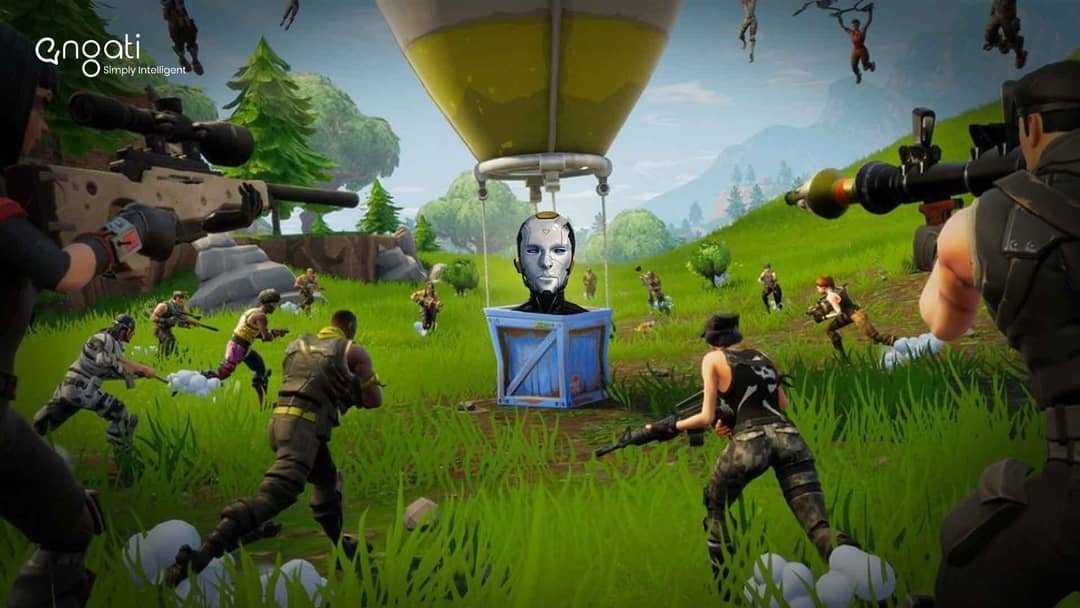

AI in video games has become a pivotal focus in the game development landscape, reshaping how creators approach production and gameplay. Renowned developer Dan Houser has raised alarms about the implications of using AI models trained on synthetic data, fearing it may compromise the quality of future titles. As studios increasingly explore generative AI gaming technologies, the video game industry trends highlight an urgent need for balance between innovation and creativity. While many developers recognize the potential of AI to enhance NPC behavior and streamline production challenges, there is a growing concern that reliance on artificial intelligence could lead to a homogenized gaming experience. The delicate relationship between human creativity and AI-driven tools continues to spark significant debate among industry leaders like Houser, as they navigate the future of game development.

Artificial intelligence within gaming is revolutionizing how developers craft immersive experiences, driving changes in narrative design and character interactions. The ever-evolving realm of machine learning presents unique opportunities and challenges, as industry figures like Dan Houser emphasize the risks of relying heavily on AI-generated content. As game development progresses, the influence of sophisticated AI models is becoming more pronounced, raising crucial discussions about the creative integrity of video game storytelling. With generative AI solutions at the forefront, studios must remain vigilant to avoid pitfalls associated with synthetic data while still harnessing the transformative potential of this technology. Ultimately, as the gaming sector adapts to these advancements, finding a harmonious blend between human artistry and artificial intelligence will be essential to nurture innovation without sacrificing quality.
The Impact of Generative AI on Game Quality
As generative AI becomes more prevalent in the game development process, concerns are rising about the implications for game quality. Dan Houser, a prominent figure in the gaming industry, cautions that relying on synthetic data might lead to a decline in creative originality. When AI models are trained on data that is predominantly generated by other AI, there is a risk that these models become self-referential and ultimately lose the unique human touch that has traditionally defined game design. This cyclical reliance on AI-generated content poses significant challenges, as it can create a recursive loop where the output loses its originality and richness over time.
Moreover, the current trend among game studios embracing AI-driven tools for everything from NPC behaviors to automated testing raises important questions about the future of storytelling and character development in video games. While these technologies can streamline production processes, the potential for diminishing returns looms large if studios do not balance AI assistance with genuine human creativity. In this rapidly evolving landscape, striking the right harmony between AI systems and human involvement will be crucial to maintaining the integrity of game quality.
Dan Houser’s Warnings About AI Models
Dan Houser’s comments on the perils of AI models scraping from increasingly AI-generated data highlight a critical issue within the video game industry. He articulated a belief that as studios increasingly rely on AI for research and development, they may inadvertently foster a decline in the quality of output. Citing the example of ‘mad cow disease’ resulting from cows being fed the remains of other cows, Houser draws parallels to the potential dangers of feeding AI with self-replicating datasets that further stifle creative evolution.
This raises significant concerns not only for the future of game quality but also for the broader implications on the creative workforce. If AI is allowed to dominate the development landscape without sufficient oversight, studios may face challenges attracting and retaining top talent, as the allure of creative storytelling and innovate gameplay designs could diminish. Therefore, Houser’s perspective serves as a clarion call for developers and executives alike to reconsider how they integrate AI and machine learning into their development pipelines.
Trends in the Video Game Industry: AI Integration
The integration of AI technology in the video game industry is transforming how games are developed, shifting industry trends dramatically. With statistics showing that nearly 90% of game studios are currently using AI agents in their production processes, it is evident that this trend is not just a passing phase. These advancements enable developers to improve gameplay mechanics, enhance NPC interactions, and streamline quality assurance through automated testing processes. As such, the future of gaming appears set on a trajectory that will heavily feature AI-driven innovations.
However, as the AI landscape evolves, so too do the challenges that accompany its adoption. Studios, particularly smaller ones, must navigate the complexities of integrating AI while still providing unique experiences that connect with players. The pursuit of real-time feedback on player behavior and engagement through AI systems poses a balancing act between innovation and retaining the soul of gaming—creativity. Hence, industry trends suggest that the successful integration of AI into game development will hinge on finding a balance that upholds the essence of what makes games compelling.
AI Challenges in Game Development
With the advent of generative AI in game development comes a unique set of challenges that studios must navigate. Dan Houser points out that while the immediate efficiency gains from AI tools can be enticing, they do carry the risk of diluting the creative process—a core aspect of video game artistry. The reliance on AI for rapid development can inadvertently lead to homogenized content, where games may begin to feel more similar as the underlying creativity dwindles. This lack of innovation threatens to repeat the mistakes observed in industries that heavily relied on automation without a human touch.
Furthermore, the challenge of finding quality training data is acute in a landscape cluttered with AI-generated content. As developers utilize AI models trained on synthetic data, the potential degradation of information quality becomes a pressing issue. Outsourcing creative thinking to AI could stifle the abundance of new ideas needed to captivate audiences. As the industry evolves, addressing these challenges will require a concerted effort from developers to blend AI capabilities with the timeless value of human creativity.
The Future of AI in Video Games
As the gaming landscape evolves with the introduction of generative AI, the future of video gaming is both exciting and uncertain. Gaming veterans like Houser articulate a vision of potential pitfalls related to over-reliance on AI-driven processes. The prospect of developing highly engaging and innovative games amidst a backdrop of rapidly changing technology creates both opportunities and challenges. The ongoing dialogue about the role of AI in developing compelling narratives and immersive experiences will define the path forward for the industry.
Moreover, as major publishers like Ubisoft and Electronic Arts invest heavily in AI technologies, the implications for smaller developers are profound. The ability to stay competitive will hinge on their adoption of these tools while maintaining their creative identity. Success in the coming years will likely depend on how well these companies can leverage AI to enhance storytelling and gameplay while addressing the quality concerns raised by industry leaders. The forthcoming period will undoubtedly witness a reshaping of industry norms in developing video games.
Conversations Surrounding AI and Creativity
The intersection of AI and creativity remains a contentious topic among game developers and industry experts. With Dan Houser voicing his skepticism about the future of creative freedom in gaming amidst increased reliance on generative AI, the conversation surrounding the role of human creativity in game development is more important than ever. As AI models are widely adopted, the industry must critically evaluate how these technologies can complement rather than replace the imaginative processes that give rise to iconic game titles.
Engagement with this discourse is critical for shaping equitable practices in AI implementation across the industry. Developers need to prioritize maintaining a healthy balance between adopting AI technologies and ensuring that the creative voices of diverse talent continue to be heard. The ongoing debates on AI’s influence on storytelling, character development, and game design are set to evolve as studios navigate this uncharted territory, ultimately determining the trajectory of the gaming landscape.
Real-Time NPC Behavior: The Role of AI
The role of AI in enabling real-time NPC behavior is revolutionizing the gameplay experience in modern video games. By harnessing advanced AI models, developers can create more dynamic, responsive, and engaging non-player characters that enrich the overall player experience. These AI-driven systems allow NPCs to adapt their responses based on player actions, making for a more immersive and interactive environment. This shift towards AI-enhanced NPCs reflects a broader trend where studios strive to enhance user engagement through innovative technologies.
However, while the benefits of sophisticated NPC behavior are evident, they also present a unique set of challenges. Developers must carefully design AI systems that can handle various player interactions without sacrificing the authenticity of character development. As studios rush to adopt AI for gameplay enhancement, striking the right balance between complexity and creativity will be critical in ensuring that NPCs contribute to storytelling in meaningful ways.
AI Models in Game Production: Accelerating Workflows
The integration of AI models in game production is significantly reshaping workflows and development processes. By utilizing AI for coding, localization, and quality assurance, teams are discovering ways to accelerate their production cycles while maintaining output quality. Dan Houser’s insightful commentary serves as a reminder that while the allure of efficiency is strong, it is essential to remain vigilant about potential creative drawbacks.
On the other hand, the adoption of AI in these facets can provide unprecedented opportunities for innovation. Smaller studios, in particular, report that AI tools have become vital assets in helping them compete against larger publishers. The question remains: how can these developments be leveraged to enhance, rather than detract from, the creative processes that make games truly exceptional? Balancing technological advancements with artistic vision will continue to be a cornerstone of successful game production in the future.
Adapting to Industry Changes: Navigating AI’s Rise
As the video game industry evolves in response to the proliferation of AI technologies, adaptability is critical for studios of all sizes. Executives like Kelsey Falter have underscored the urgency for studios to embrace AI or risk falling behind the competition. The challenges posed by generative AI—such as the quality of content, the sufficiency of training data, and maintaining creative output—require proactive strategies that emphasize innovation and collaboration within teams.
Navigating these changes will demand a departure from traditional development practices and a willingness to engage in interdisciplinary approaches. Encouraging dialogue among creative teams, engineers, and AI specialists will foster an environment conducive to pushing boundaries while safeguarding the essence of human creativity. As the landscape shifts, those who chart a path through these transformative times stand to define the future of gaming.
Balancing AI and Human Creativity in Gaming
The challenge of blending AI capabilities with human creativity in the gaming sector is arguably one of the most pressing discussions today. As the industry increasingly employs generative AI for various tasks—including asset creation, narrative development, and even gameplay balancing—there lies an inherent risk of sidelining the creative input that has historically been the heart of the video game experience. Dan Houser’s insights highlight the necessity of maintaining a strong human element in the creative process to ensure original and engaging game experiences.
Additionally, as studios explore the potential of AI models, they must cautiously balance technological efficiency with the artistry that distinguishes exceptional games. Many developers express that while AI can effectively handle routine coding or testing tasks, it is less capable of replicating the nuanced understanding that seasoned creatives bring to projects. To navigate this landscape successfully, studios will need to adopt hybrid methodologies that leverage AI’s strengths while championing human ingenuity, ultimately leading to richer and more authentic gaming experiences for players.
Navigating the Future of Game Design with AI
The future of game design is being reshaped by the emergence of AI technologies, ushering in a new era of development based on innovative tools and processes. As Dan Houser notes, the gaming landscape faces significant challenges as studios adapt to the capabilities of AI-driven tools while aiming to retain the integrity of game quality. The ongoing integration of generative AI into various aspects of design—from environmental art to character scripting—signals a shift toward a future where new possibilities are born out of these advanced tools.
While the advancements present enticing prospects for increased productivity, it is equally crucial for developers to consider the implications on game individuality. Integrating AI models strategically into the design process can streamline certain workflows; however, the soul of game development lies in its capacity to tell unique stories. Therefore, balancing the use of AI and protecting the artistic identity of game design will be pivotal as the industry charts its course in tomorrow’s digital landscape.
Frequently Asked Questions
How will generative AI impact game development in the video game industry?
Generative AI is set to revolutionize game development by streamlining processes, enabling real-time NPC behavior, and enhancing creativity. However, as studios adopt AI tools, concerns arise about the quality of content, especially if AI models are trained on increasingly synthetic data, as noted by Dan Houser.
What concerns did Dan Houser raise about AI models in gaming?
Dan Houser expressed concerns that AI models trained on synthetic data could lead to a quality degradation in video games. He warned that as original human content diminishes online, AI models might enter a recursive cycle of information, potentially lowering the standard of future game development.
What trends in the video game industry are being influenced by AI?
Current trends in the video game industry show a substantial integration of AI, with nearly 90% of studios using AI agents for tasks like coding, localization, and playtesting. This increased reliance on AI is reshaping how developers approach game creation and live gameplay features.
What are the game development challenges posed by using AI in video games?
The primary challenges of utilizing AI in video games include ensuring the quality of generated content, avoiding creative stagnation, and managing the inherent risks of training AI on synthetic data. Developers must navigate these issues to harness AI’s potential without compromising game quality.
How has generative AI changed the landscape for smaller game studios?
Generative AI has allowed smaller game studios to compete more effectively by streamlining production processes and enhancing their ability to innovate. As larger companies struggle to adapt, these smaller studios leverage AI technologies to maintain a competitive edge in the evolving video game industry.
| Key Point | Details |
|---|---|
| Dan Houser’s Warning | Houser cautioned that AI models trained on synthetic data could degrade game quality over time. |
| Creative Breakdown Risk | Houser warned that scraping AI-generated data could lead to a loss of originality and quality in video games. |
| Self-Referential Datasets | AI models may get trapped in a cycle of using inferior synthetic data, leading to information degradation. |
| Industry Adoption of AI | A survey indicated almost 90% of studios currently utilize AI tools in their development processes. |
| The Concerns of Industry Leaders | Leaders like Sundar Pichai express worries that original human content will become scarce, diminishing development quality. |
| Potential For Industry Upheaval | Experts warn that the push towards generative AI could drastically reshape the gaming industry, with some studios failing to adapt. |
Summary
AI in Video Games is evolving rapidly, yet significant concerns have emerged about its impact on game quality. Industry veteran Dan Houser highlights the pitfalls of using AI trained on synthetic data, which may lead to a creative stagnation as developers lean toward self-referential datasets. The risk of degrading quality is exacerbated by the increasing prevalence of generative AI in game development, as nearly 90% of studios are already integrating these tools. As the industry shifts, the balance between innovation and quality remains precarious, prompting calls for a critical examination of AI’s role in the future of video games.
Related: More from DeFi & Stablecoins | Stablecoin Payments Focus Shifts to User Networks | ETH Bounces Back: Why TradFi Favors ETH Rise in Stablecoin