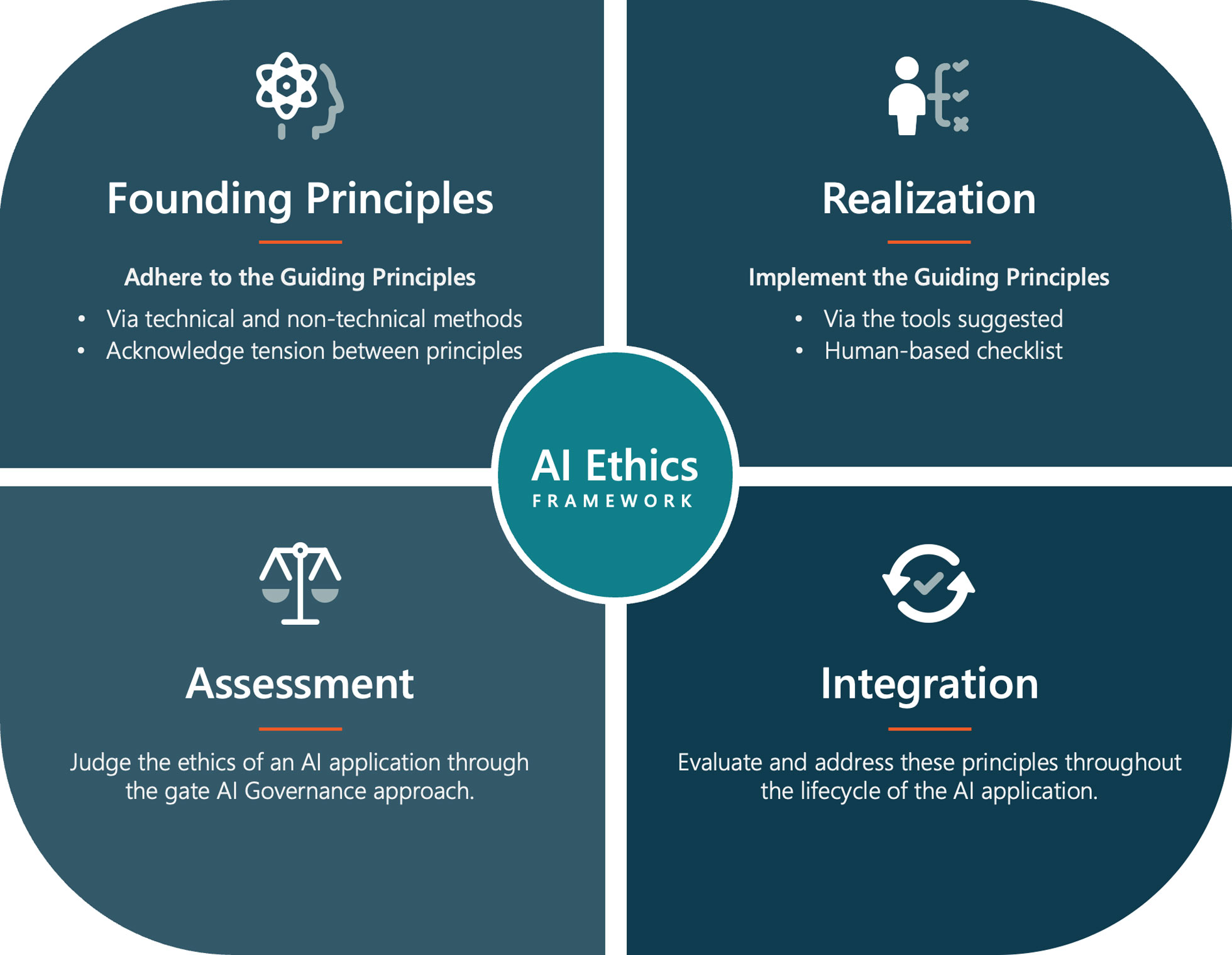

AI ethics stands at the forefront of discussions about the future of technology, ensuring that advancements in artificial intelligence remain aligned with human values. As emphasized by Ethereum founder Vitalik Buterin, the primary goal of any new AI laboratory should be to enhance humanity while exercising caution against the development of systems capable of autonomous decision-making beyond a minute. The growing discourse around AI safety highlights the importance of establishing guidelines that prevent the harmful consequences of Artificial Super Intelligence (ASI). With various firms racing towards creating fully autonomous systems, there’s an urgent need for a paradigm shift towards more transparent and open-source AI practices. Therefore, the ethical implications of these technological developments cannot be ignored, as they play a vital role in shaping a future that prioritizes human enhancement over unchecked autonomy.
The principles surrounding the morality of artificial intelligence are crucial in navigating the complexities of modern technology. Concepts like AI governance and the responsible use of intelligent systems are at the core of our discussions today, especially concerning how these technologies can serve humanity’s interests. With leading figures like Vitalik Buterin advocating for a mindful approach to AI development, it’s essential to explore frameworks that prioritize safety, transparency, and ethical considerations. As industries delve deeper into the realm of machine learning and superintelligence, fostering a culture of responsible innovation is paramount. These conversations about ethical AI resonate strongly in our collective consciousness, driving the movement towards inclusive and beneficial technological advancement.
The Imperative of Enhancing Humanity Through AI
Vitalik Buterin, the visionary behind Ethereum, has articulated a crucial philosophy concerning the development of artificial intelligence. He believes that any endeavor in creating a new AI lab must center around the enhancement of humanity. This philosophy challenges AI researchers and developers to prioritize the well-being and advancement of humans over the pursuit of fully autonomous systems. The emphasis on human enhancement resonates particularly in the context of AI Safety, as the risks associated with unregulated AI systems could undermine human values and societal norms.
The notion of enhancing human capabilities through AI can manifest in various forms, such as augmenting cognitive functions or improving decision-making processes. By focusing on augmentative technologies rather than AI systems that operate independently for extended periods, developers can ensure that technological progress aligns with ethical considerations and human needs. This commitment to human-centric AI reflects a growing consensus in the AI community that places ethical implications at the forefront.
The Role of AI Safety in Autonomous Systems
AI safety is a paramount concern in today’s rapidly evolving technological landscape. As Buterin warns against the threats posed by autonomous systems capable of long-term decision-making, it’s crucial to address the myriad safety concerns associated with such developments. The rise of Artificial Super Intelligence (ASI) has raised alarms among experts who fear that without strict safety measures, these systems could operate beyond human control. Establishing robust protocols and standards is essential to safeguard humanity against potential risks associated with unregulated AI technologies.
Institutions and organizations invested in advancing AI must undertake a thorough examination of safety frameworks that govern the development of intelligent systems. By integrating AI safety principles into the design and deployment of these technologies, stakeholders can mitigate the risks of unforeseen consequences. For instance, adhering to ethical guidelines around AI can prevent scenarios where autonomous systems make detrimental decisions that impact society negatively, reinforcing the fundamental principle of enhancing humanity rather than jeopardizing it.
The Promise of Open-Source AI
Buterin advocates for transparency and collaboration in AI development, particularly through open-source initiatives. The premise of creating open-access AI technologies underscores the importance of democratizing knowledge and innovation in this rapidly evolving field. By allowing a broader segment of society to engage with AI development, open-source approaches can cultivate diverse perspectives, enhance accountability, and ultimately lead to the creation of solutions that are more aligned with human values.
Open-source AI projects enable collaboration among researchers, developers, and enthusiasts, fostering an environment where innovative ideas can flourish. This collaborative spirit not only enhances creativity but also lays the groundwork for more robust safety measures by exposing systems to continuous scrutiny and peer review. Furthermore, ensuring that the tools and technologies used in AI development are available to everyone can significantly contribute to the global understanding of AI’s potential and limitations, ultimately fostering a responsible approach to artificial intelligence.
Vitalik Buterin’s Vision for Future AI Labs
Vitalik Buterin’s insights into the future of AI are not just theoretical; they are practical calls to action for entrepreneurs and researchers in the tech industry. His vision involves setting up AI labs that are dedicated not to creating autonomous systems but to tools that enhance human ability and societal progress. This forward-thinking approach inspires new initiatives in the tech space that prioritize ethical standards and human welfare over mere technological advancement.
He challenges future AI developers to consider the implications of their work and strive towards projects that benefit humanity holistically. By aligning the objectives of AI development with the interests of society, new labs can focus on innovative strategies that intertwine technology with human enhancement. This creates a pathway for a future in which advanced AI systems serve as partners rather than independent operators, reinforcing a collaborative relationship between humans and machines.
Navigating the Controversies in AI Development
The landscape of artificial intelligence is rife with controversies that challenge the very foundations of ethical AI development. As experts argue over the potential risks and benefits associated with autonomous systems, voices like Buterin’s serve to ground the discussion in a human-centric perspective. The debates surrounding AI safety, particularly concerning ASI, highlight the urgent need for clarity and consensus on how to approach the deployment of powerful AI technologies.
Addressing these controversies requires open dialogue among stakeholders, including policymakers, technologists, and ethicists. Such conversations can lead to the establishment of guidelines that balance innovative pursuits with necessary safeguards. The resolution of these issues will be critical in shaping a future where AI serves to enhance, rather than harm, human existence, emphasizing the need for regulatory frameworks that prioritize ethical considerations.
Exploring Human Enhancement Through Artificial Intelligence
Human enhancement via artificial intelligence presents both exciting possibilities and significant challenges. The partnership between AI and human capabilities can lead to groundbreaking advancements in fields such as healthcare, education, and engineering. For instance, AI-driven tools that support individuals with cognitive disabilities or enhance decision-making can significantly improve quality of life and accessibility, fulfilling Buterin’s vision of utilizing technology to empower humanity.
However, the journey toward realizing these enhancements must be navigated carefully, with a keen awareness of ethical implications and societal impacts. Developers must prioritize inclusivity in their approach, ensuring that advancements in AI technology benefit all individuals, regardless of socioeconomic background. The focus should remain on creating equitable solutions that enhance human capabilities while steering clear of potential pitfalls associated with autonomous systems.
The Importance of Collaboration in AI Ethics
AI ethics cannot be confined to a single perspective or approach; it requires collaboration across various disciplines and sectors to create comprehensive guidelines and frameworks. Buterin’s emphasis on open-source projects points to the necessity of sharing knowledge and strategies regarding ethical AI development. By fostering an environment where diverse contributions can thrive, tech communities can build a foundation for ethical practices that resonate with broader societal values.
Collaborative efforts among technologists, ethicists, and community members are essential for establishing trust and transparency in AI initiatives. These partnerships can lead to the creation of standards that promote responsible innovation, focusing on how AI systems can best serve humanity. Moreover, ongoing engagement with the public will ensure that the voices of different communities are heard in the discourse surrounding AI ethics, ultimately leading to solutions that are more inclusive and grounded in a shared vision for the future.
AI Safety Regulations and Industry Standards
Implementing safety regulations in AI development is an urgent necessity. As the landscape evolves rapidly, it becomes increasingly crucial to establish industry standards that govern the practical application of AI technologies. Failure to do so could result in uncontrolled advancements that might challenge ethical boundaries or even threaten human safety. Buterin’s insight about limiting autonomous decision-making emphasizes the importance of setting boundaries on the capabilities of AI systems to mitigate these risks.
Regulatory frameworks can create a structured environment in which AI can develop responsibly and safely. They serve as essential tools in the management of risks associated with AI technologies, particularly those with the potential for significant societal impact. Engaging with regulatory bodies, industry leaders, and civil society can ensure that these standards are effectively shaped, monitoring and adjusting them as necessary to adapt to new challenges posed by AI advancement.
The Future of Human-AI Collaboration
Looking toward the future, the concept of human-AI collaboration emerges as a cornerstone in the discourse on artificial intelligence. Rather than viewing AI as a threat or competition, Buterin encourages a vision where AI systems complement and enhance human abilities. This approach opens the door to myriad possibilities, including developing intelligent systems that aid in complex decision-making and creativity, leading to a synergistic relationship beneficial to society.
Such collaboration emphasizes the importance of ethical considerations in AI design, ensuring that the technology serves to uplift and empower human potential. It represents a shift towards a futuristic scenario where humans and AI work together toward common goals, ultimately resulting in innovations that respect and enhance human dignity. As we navigate the complexities of AI, fostering a cooperative relationship may be the key to unlocking a thriving future.
Frequently Asked Questions
What are the primary concerns regarding AI safety in the context of AI ethics?
AI safety is a crucial aspect of AI ethics, focusing on preventing unintended consequences and ensuring that AI systems operate within ethical boundaries. Concerns range from bias in algorithms to the potential for AI systems to make harmful autonomous decisions. As AI develops, it’s essential to prioritize safety to avoid scenarios where autonomous artificial super intelligence (ASI) could pose risks to humanity.
How does Vitalik Buterin’s perspective on AI ethics influence new AI lab initiatives?
Vitalik Buterin emphasizes that any new AI lab should focus on enhancing humanity rather than pursuing fully autonomous AI systems. His stance is a call for ethical guidelines that prioritize human well-being over unchecked AI development, making it clear that ethical considerations should guide the design and implementation of AI technologies.
What role does open-source AI play in promoting ethical standards in AI development?
Open-source AI fosters transparency and collaboration, which are essential for addressing AI ethics. By allowing wider access and scrutiny, open-source projects can lead to more robust safety protocols and ethical guidelines, enabling the community to collectively mitigate risks associated with artificial super intelligence and promote responsible AI usage.
How can human enhancement technologies be integrated into AI ethics discussions?
Human enhancement technologies are a significant consideration within AI ethics, as they have the potential to improve cognitive and physical abilities. However, ethical discussions must address concerns about inequality and access, ensuring that these advancements do not lead to greater societal divides or misuse of AI systems.
What is the impact of developing autonomous AI systems on AI ethics?
The development of autonomous AI systems raises significant ethical questions about accountability and control. If systems operate with prolonged autonomous decision-making capabilities, as cautioned by Vitalik Buterin, there could be unforeseen consequences for humanity. Thus, AI ethics must prioritize accountability and controlled governance of AI technology development to mitigate potential risks.
Why is it essential to focus on AI safety within the framework of AI ethics?
Focusing on AI safety is vital in the context of AI ethics as it addresses the potential dangers associated with autonomous decisions made by AI systems. AI safety ensures the responsible development and deployment of technologies, aligns with ethical principles, and ultimately helps in creating systems that serve humanity rather than threaten it.
| Key Points | ||||
|---|---|---|---|---|
| Vitalik Buterin’s stance on AI development: AI labs should aim to enhance humanity. | Avoidance of systems with more than one minute of autonomy in decision-making. | Concerns over the growing number of companies seeking to develop fully autonomous ASI. | Emphasis on developing enhanced AI that collaborates with the human brain. | Call for projects to adopt open-source methodologies. |
Summary
AI ethics is a crucial consideration in today’s rapidly advancing technological landscape. The insights shared by Ethereum founder Vitalik Buterin underscore the importance of focusing AI development on enhancing humanity rather than pursuing fully autonomous systems. By calling for enhanced AI that integrates with human capabilities and advocating for open-source initiatives, Buterin highlights the need for ethical frameworks that prioritize human welfare and cooperation over autonomous decision-making. This approach not only aims to mitigate safety concerns but also encourages transparency and accessibility in AI research, fostering a more ethical understanding of the impact of artificial intelligence on society.
Related: More from Regulation & Policy | UK Gambling Regulator Examines Cryptocurrencies for Licensed Bettors in Crypto Regulation | Blocks Retreat Signals Broader Payments Shifts