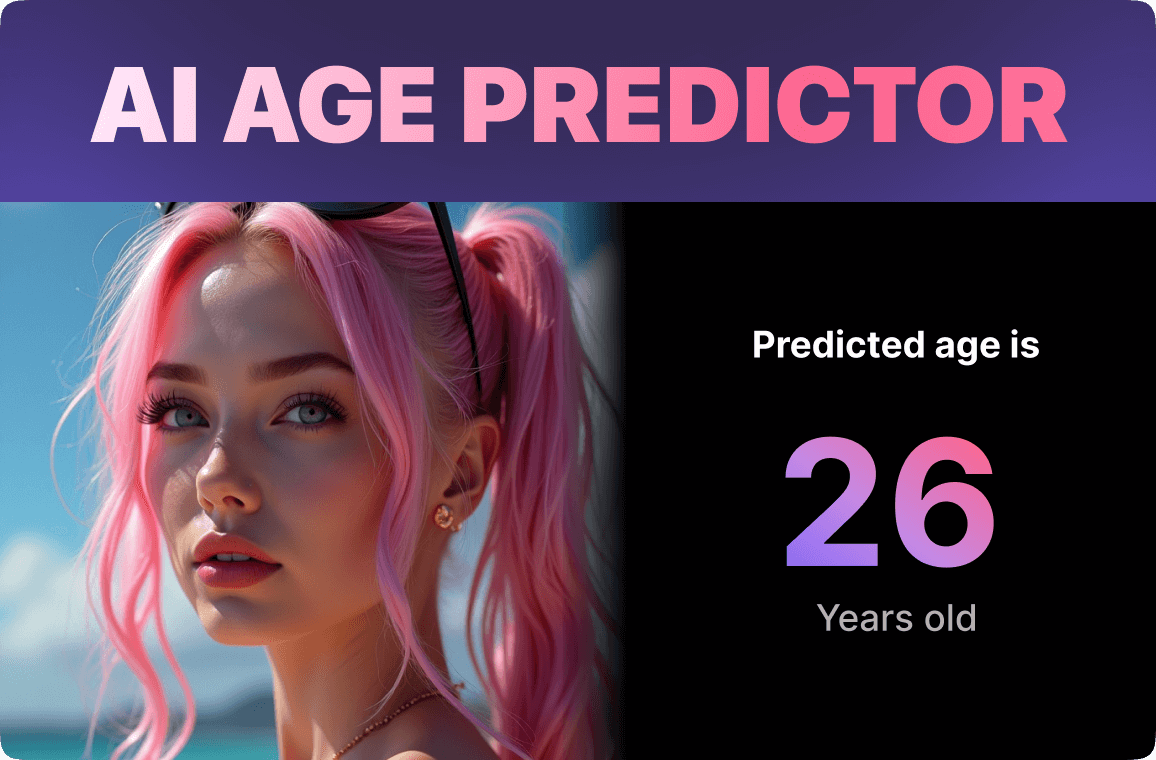

AI age prediction is transforming the landscape of user interactions with digital platforms, particularly in protecting younger audiences. OpenAI’s innovative approach leverages advanced algorithms to determine the estimated age of ChatGPT users, ensuring that teenagers are granted appropriate access to content and safeguarding them from exposure to harmful material. By assessing various user behaviors, such as account activity and engagement patterns, this technology goes beyond simply asking for a date of birth during registration. The implementation of AI age prediction allows for enhanced age verification processes, fostering a safer environment as it empowers parental controls, including notifications about emotionally distressing content. As this system rolls out, OpenAI is not just setting a precedent for responsible AI utilization; they are also enhancing user trust through robust privacy features and effective content filtering mechanisms.
In the evolving realm of digital safety, age estimation technology is playing a crucial role in enhancing user security and compliance. OpenAI’s cutting-edge age detection model aims to accurately identify underage users within the ChatGPT platform, thereby enforcing essential safeguards against exposure to sensitive or inappropriate content. This proactive measure encompasses advanced analysis of user activities rather than traditional age input methods, leading to smarter content access restrictions. Furthermore, the inclusion of additional parental oversight features enriches the user experience by offering peace of mind to caregivers. As these tools and controls become more prevalent, they represent a significant stride towards a safer, more responsible online environment.
| Key Point | Details |
|---|---|
| AI Age Prediction Model | OpenAI has deployed an AI-based age prediction system to identify users under 18. |
| Signals Used for Age Prediction | The system analyzes account duration, active time, and behavior patterns instead of just the date of birth. |
| Content Restrictions | Teen accounts face limits on content related to violence and sensitive sexual material. |
| Error Resolution for Adults | Adults mistakenly flagged can restore access by submitting a selfie or ID via Persona. |
| New Parental Control Feature | Parents can set quiet periods and receive notifications about emotional distress detected. |
| Current Availability | The system is live in ChatGPT’s consumer program and will roll out in the EU soon. |
Summary
AI age prediction is a groundbreaking move by OpenAI aimed at ensuring safer interactions for younger users on platforms like ChatGPT. By analyzing behavior rather than relying solely on self-reported data, the AI age prediction model enhances content regulation for minors. This proactive approach not only restricts access to inappropriate material but also provides tools for parents to monitor and manage their children’s online experiences, marking a significant step towards responsible AI usage in safeguarding youth.
Understanding OpenAI’s AI Age Prediction System
OpenAI’s newly deployed AI age prediction model aims to create a safer online environment for its users, particularly teenagers. By focusing on behavioral signals rather than just the age provided during registration, the system can more accurately determine whether a user is under 18. It carefully evaluates factors such as account age, active session duration, and user interactions to assess age. This innovative approach is crucial in today’s digital age, where age verification methods are often inadequate or easily manipulated.
This model not only serves to limit access to inappropriate content but also aligns with regulatory standards aimed at protecting minors online. As concerns continue to rise regarding the exposure of teens to harmful content, such solutions become increasingly necessary. The advanced age prediction technology represents a step towards responsible AI usage, demonstrating OpenAI’s commitment to safety and ethical considerations in artificial intelligence.
Importance of Teen Access Restrictions in Digital Spaces
Incorporating access restrictions for teens within platforms like ChatGPT is an essential measure in fostering a secure browsing environment. Given the vast amount of content available online, adolescents can easily stumble upon materials that could negatively impact their mental health and well-being. By implementing strict content filtering for those identified as minors, OpenAI aims to mitigate the risks associated with exposure to violence and sexually explicit information, thus creating a healthier online ecosystem.
Moreover, age-based content restrictions highlight the need for a collaborative approach in digital safety. These measures not only protect teens but also empower parents by providing them with parental controls. Features such as the ability to set restricted periods and receive alerts when concerning behavior is detected allow parents to maintain a proactive role in their children’s online interactions, ensuring they can use AI tools like ChatGPT while still being safeguarded.
ChatGPT Parental Controls: Empowering Parents in Digital Parenting
The introduction of parental controls in ChatGPT signals a significant advancement in recognizing the role of guardians in digital spaces. OpenAI’s parental features include quiet periods to limit usage and notifications that alert parents about potential emotional distress in their children. This proactive involvement is essential, as it fosters open discussions about online behavior and mental health between parents and teenagers, enhancing their overall safety.
By enabling parents to take charge of their children’s online experiences, these tools bridge the gap between technological innovation and responsible usage. The ability to receive real-time updates allows parents to mitigate risks promptly while encouraging healthy dialogue about content consumption. This feature not only strengthens familial relationships but also enhances the trustworthiness of AI applications in children’s lives.
Integrating AI Content Filtering for Enhanced User Safety
AI content filtering is a cornerstone of OpenAI’s efforts to ensure user safety, especially for vulnerable groups like teenagers. By utilizing advanced algorithms, the system can effectively block harmful content, creating a more secure online experience. This proactive approach to content management is crucial in providing a safe space for younger users to explore without exposure to inappropriate material.
Furthermore, the sophistication of AI content filtering systems emphasizes the need for continual improvement and adaptation in the face of evolving online threats. As new forms of inappropriate content emerge, OpenAI’s commitment to refining its filtering mechanisms demonstrates a dedication to user welfare, solidifying its reputation as a leader in AI-driven solutions.
ChatGPT Privacy Features: Ensuring User Trust
OpenAI places significant importance on user privacy as part of its AI age prediction model and other associated features. The integration of protections such as secure verification processes not only maintains user anonymity but also builds a foundation of trust among users and their guardians. These privacy features are essential in assuring parents that their children’s information is handled responsibly and securely.
Moreover, safeguarding privacy while deploying age verification techniques ensures compliance with regulations aimed at protecting minors online. By utilizing third-party services like Persona for identity verification, OpenAI reinforces the integrity of its age prediction system, making users feel safe while interacting with technology that understands their needs and concerns.
The Role of AI in Shaping Future Digital Interactions
As society moves towards an increasingly digital future, the role of AI continues to expand, impacting how users interact with online platforms. OpenAI’s implementation of an age prediction model is a testament to how technology can be leveraged to promote safety and well-being in digital spaces. This proactive approach positions AI not just as a tool but as a responsible participant in shaping online interactions.
Looking ahead, the evolution of AI in digital platforms will likely include more sophisticated user protections, with continued advancements in behavioral analysis and machine learning. These innovations promise to enhance user experiences while addressing safety concerns, ensuring that platforms remain both engaging and secure for all ages.
Navigating Challenges with Teen Access to AI Tools
Despite the potential benefits of AI models like those of OpenAI, there are challenges associated with enforcing access restrictions for teenagers. Misidentification of users can lead to unnecessary limitations on adult access, raising concerns about usability and user satisfaction. The balance between maintaining secure interactions for minors while allowing freedom of access for adults is a delicate one that requires constant evaluation and adjustment.
Moreover, as AI technology evolves, so too do the methods employed by users attempting to circumvent age restrictions. This cat and mouse dynamic necessitates ongoing vigilance and innovation from developers, who must continually refine their systems to stay one step ahead. The responsibility ultimately lies with AI developers to ensure that their systems remain effective tools for user protection without unnecessarily hindering the experience for legitimate adult users.
The Impact of AI Age Verification on Teen Engagement
AI age verification not only influences content access but also affects teen engagement with platforms like ChatGPT. By ensuring that minors encounter safer content tailored to their age, the system encourages more responsible usage of online tools. This creates an environment where teenagers can explore their interests while remaining protected from harmful materials, which can be detrimental to their mental and emotional development.
Additionally, by fostering a sense of security through structured limitations, parents may feel more comfortable allowing their children to engage with AI technologies. This acceptance can lead to increased overall usage and a deeper exploration of the educational benefits that AI tools offer, paving the way for informed discussions about the importance of responsible technology usage.
Future Perspectives on AI Ethics and Teen Online Safety
As the landscape of AI continues to evolve, ethical considerations surrounding teen safety online will become paramount. OpenAI’s approach to deploying its AI age prediction system reflects an acknowledgment of this ethical responsibility, highlighting the need for technology that prioritizes the well-being of its youngest users. As society grapples with the implications of AI advancements, ongoing dialogue about the ethical dimensions of AI usage will play a crucial role in shaping future policies.
In the coming years, public awareness and regulatory frameworks surrounding AI usage for minors are expected to grow. These developments will likely influence how companies like OpenAI refine their age prediction models and associated features. By engaging with ethical considerations today, these organizations can contribute to a safer, more responsible technological landscape for future generations.
Frequently Asked Questions
What is AI age prediction in relation to ChatGPT?
AI age prediction in the context of ChatGPT refers to the technology OpenAI uses to assess user age by analyzing behavioral signals instead of relying solely on the provided date of birth. This helps to identify users under 18 and enforce appropriate content restrictions.
How does OpenAI’s AI age prediction model work?
OpenAI’s AI age prediction model evaluates various signals such as account duration, activity patterns, and engagement levels to determine if a user is under 18. This advanced analysis enhances age verification beyond just the date of birth during registration.
What are the benefits of ChatGPT’s parental control features linked to AI age prediction?
The parental control features linked to AI age prediction allow parents to set quiet periods for their children and receive alerts regarding potential emotional distress detected by the system. These controls help ensure a safer online environment for minors.
How can adults mistakenly flagged as minors restore access in ChatGPT?
Adults who are incorrectly flagged as minors can restore their access to ChatGPT by submitting a selfie or valid identification through a third-party service called Persona for age verification.
What content restrictions does OpenAI enforce for teenagers using AI age prediction?
Teen users identified by OpenAI’s AI age prediction system face strict limits on accessing content deemed inappropriate, including material related to violence and sensitive sexual themes, to ensure a safe environment.
How does AI content filtering relate to ChatGPT’s age prediction system?
AI content filtering works in tandem with ChatGPT’s age prediction system by automatically limiting access to potentially harmful content for users identified as underage. This enhances online safety and aligns with OpenAI’s mission to protect younger audiences.
Will the AI age prediction system be available in the EU?
Yes, OpenAI’s AI age prediction system is currently live and is expected to roll out in the EU shortly, aimed at improving age verification and content safety for European users.
Related: More from Regulation & Policy | Judge Halts Binance Effort to Arbitrate US Cryptocurrency Claims | Anthropic Completes 0 Billion Funding Round, Valuing Company at 80 Billion