
After the Flash Crash: What’s Next for Bitcoin, Ethereum, and Solana?
Key Takeaways
The recent flash crash in the cryptocurrency market saw significant price drops across major digital currencies, including Bitcoin, Ethereum, and Solana. This event left investors and observers alike reeling, questioning the stability and future of these assets. As the dust settles, it’s essential to evaluate what caused this sudden crash and what could be on the horizon for these major cryptocurrencies.
The Flash Crash Explained
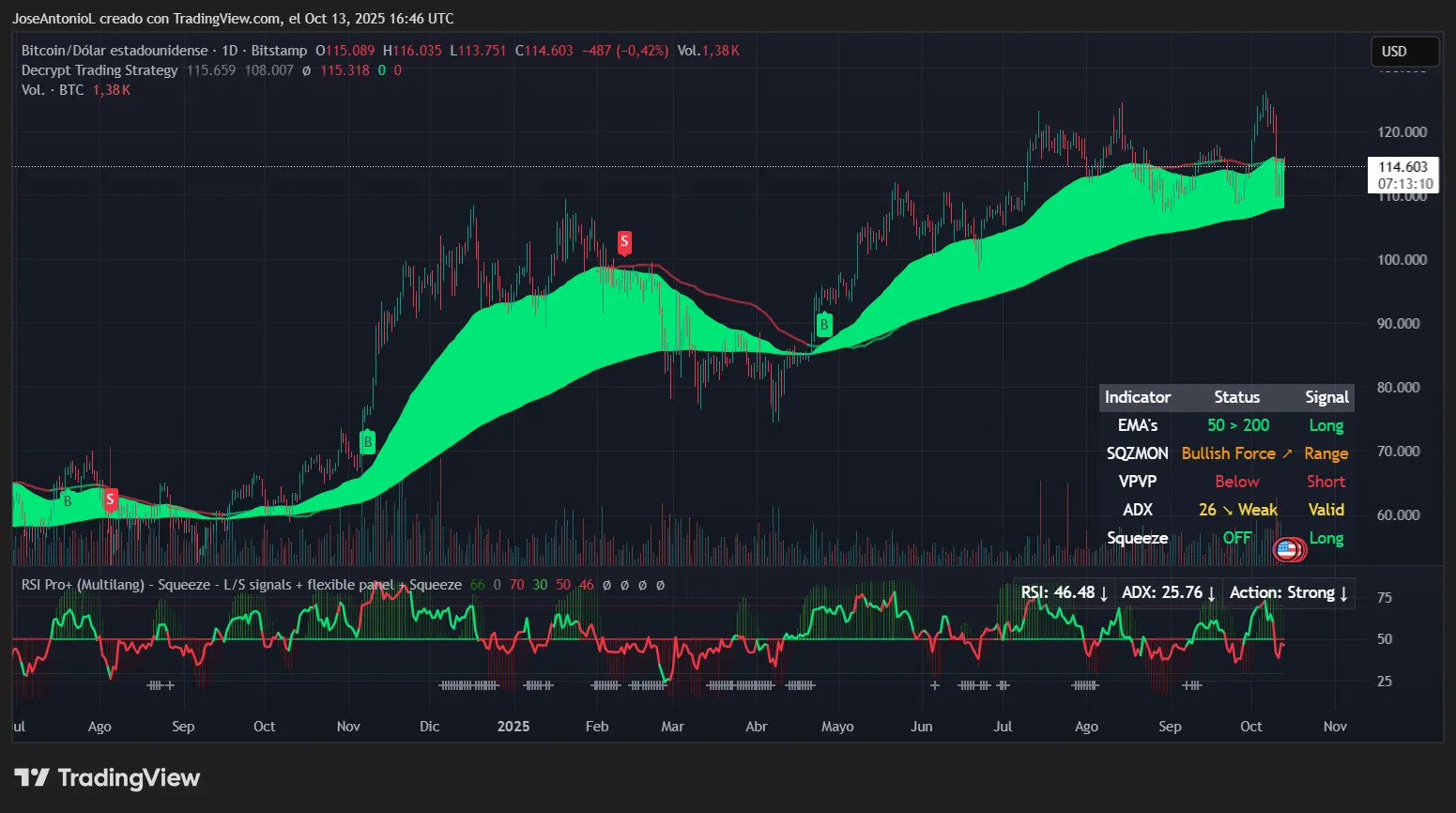
A flash crash typically involves a very rapid sell-off of digital assets, resulting in substantial price declines. On this occasion, the market witnessed Bitcoin sliding down by over 15%, Ethereum by around 18%, and Solana taking a sharp 20% hit within just a few hours. Several factors contributed to this downturn, including a mix of technical sell signals, macroeconomic concerns, and amplified by a cascade of liquidations in the derivatives markets.
Fundamental Strengths and Concerns
Bitcoin (BTC)
As the original cryptocurrency, Bitcoin has always been viewed as a store of value, akin to digital gold. Despite the recent setbacks, Bitcoin’s underlying fundamentals remain robust. Its predetermined scarcity and widespread adoption both as an investment product and, increasingly, as a medium of exchange, keep it fundamentally sound. However, concerns regarding regulatory crackdowns, environmental impact due to mining, and severe market competition continue to pose risks.
Ethereum (ETH)
Ethereum recently completed its much-anticipated upgrade, Ethereum 2.0, which transitions the network from a proof-of-work to a proof-of-stake consensus mechanism. This change significantly reduces the blockchain’s energy consumption and aims to scale the network. However, the system is still working out some technical teething issues, and there’s ongoing debate about the potential centralization of power among large stakeholders.
Solana (SOL)
Known for its incredibly fast and low-cost transactions, Solana has been a favorite among developers looking to build decentralized applications. The recent crash notwithstanding, its ability to attract innovative projects and adapt rapidly to market demands keeps its outlook generally positive. However, Solana has suffered from network outages in the past, highlighting concerns about its stability and scalability under extreme conditions.
What’s Next for These Cryptocurrencies?
Market Sentiment and Recovery
Post-crash market sentiment is generally cautious. Investors are now more aware than before of the risks involved with cryptocurrencies. However, this awareness is balanced by the recognition that digital currencies are increasingly mainstream, supported by both retail and institutional investors. The recovery path might be rocky, and less liquid altcoins could face more significant challenges compared to Bitcoin and Ethereum.
Technological and Regulatory Developments
All three cryptocurrencies face ongoing pressure to evolve technologically to meet growing demands and to navigate the complex regulatory environments in which they operate. For Bitcoin, advancing its Layer 2 solutions like the Lightning Network will be crucial for reducing transaction times and costs. Ethereum must continue to manage its transition smoothly, and Solana needs to address its network reliability.
Institutional Adoption
Institutional interest continues to grow not just in terms of investment but also through the integration of blockchain technology into traditional financial systems. This will likely bolster the recovery and growth of major cryptocurrencies, providing them with a layer of legitimacy and stability.
Conclusion
While the flash crash was a stark reminder of the volatility inherent in the cryptocurrency market, it also served to underscore the resilience and adaptability of leading cryptocurrencies like Bitcoin, Ethereum, and Solana. As these platforms navigate the technical, regulatory, and market challenges ahead, their fundamental strengths are likely to facilitate not just recovery but also further innovation and integration into the global digital economy. The road ahead is uncertain, but the fundamental promise of blockchain technology remains strong, propelling these currencies forward into whatever the market holds next.