


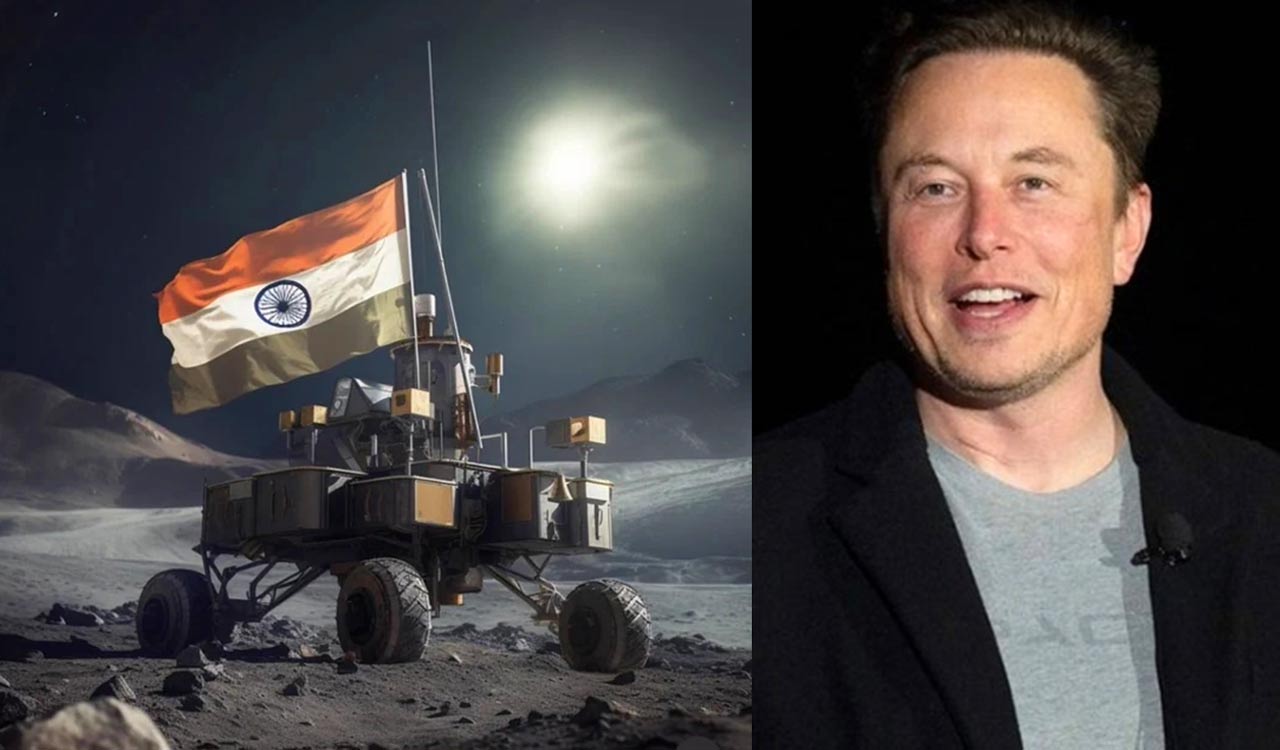

Elon Musk’s Moon mission marks a bold new chapter in space exploration, as the visionary entrepreneur aims to reignite humanity’s quest to return to the lunar surface. Recently, reports surfaced indicating that SpaceX is actively recruiting engineers in cities like Austin and Seattle to help pave the way for the development of AI satellites and innovative space data centers. This initiative could potentially revolutionize moon exploration, facilitating better data collection and communication in outer space. As Elon Musk continues to push the boundaries of technology and space travel, his plans have captured the attention of enthusiasts and investors alike, making headlines in the latest Elon Musk news. The endeavor not only highlights SpaceX’s commitment to lunar exploration but also emphasizes the importance of cutting-edge technology in the next era of space missions.
The upcoming lunar expedition spearheaded by Elon Musk symbolizes a significant advancement in extraterrestrial exploration, with a focus on returning humanity to the Moon. Recent discussions in the tech community suggest that SpaceX is on the lookout for talented engineers in key hubs like Austin and Seattle, who will play a crucial role in the research and development of next-generation AI satellites and state-of-the-art space data centers. This groundbreaking initiative promises to enhance our capabilities in moon exploration and improve the efficiency of space missions. As this ambitious project unfolds, it has generated considerable buzz across various media outlets, drawing attention from space enthusiasts and industry experts. The convergence of innovative technology and visionary leadership underpins this thrilling venture into the cosmos.
| Key Points |
|---|
| Elon Musk advocates for a large-scale return to the Moon. |
| SpaceX is reportedly recruiting engineers for AI satellite development. |
| Recruitment is taking place in Austin and Seattle. |
| Musk confirmed the recruitment through a retweet. |
Summary
Elon Musk Moon mission signifies a profound shift towards lunar exploration with the emphasis on large-scale missions. By actively recruiting engineers to develop advanced technology like AI satellites and space data centers, Musk is setting the stage for a new era in space travel and lunar research. This strategic move reflects Musk’s vision to revive interest in Moon missions and enhance capabilities for future explorations.
The Vision Behind Elon Musk’s Moon Mission
Elon Musk’s ambitions for lunar exploration stem from his greater vision of making humans a multiplanetary species. His lunar mission is not just about landing on the Moon, but also about establishing a sustainable human presence there. This fits into the broader narrative of space exploration, where Musk’s company, SpaceX, plays a pivotal role. By harnessing advanced technology and innovative strategies, the mission aims to create a long-term space program that prioritizes safety and efficiency in space travel.
The collaboration between SpaceX engineers and various technological sectors is crucial for the success of this project. By integrating AI into satellite development, SpaceX aims to gather and process astronomical amounts of space data more effectively. The strategic establishment of space data centers also ensures that astronauts and engineers on the Moon have instant access to the information they need for successful missions.
SpaceX Engineers Pioneering AI Satellites Development
Recent reports have surfaced indicating that SpaceX is actively recruiting engineers in cities like Austin and Seattle, focusing on a new wave of AI satellites development. These positions are expected to streamline the communication and operational systems required for deep-space missions. As interest in lunar exploration grows, having a robust framework for data collection and analysis will be vital in understanding the Moon’s resources and environment.
AI technology is transforming the way we conduct space missions. With SpaceX engineers at the forefront, the development of intelligent satellites can vastly improve navigation and safety protocols during lunar missions. This next generation of AI capabilities not only enhances mission efficiency but also reduces the risks associated with human spaceflight, validating Musk’s commitment to advancing human presence beyond Earth.
The Importance of Space Data Centers for Moon Explorations
Space data centers are emerging as a critical component of future lunar exploration missions. These facilities will be essential for processing data collected from satellites, instruments, and human activity on the Moon surface. By establishing operational data centers, SpaceX can expedite decision-making processes that will lead to quicker and more informed responses to challenges encountered during missions. Furthermore, efficient data management can help in the long-term analysis of lunar resources.
Moreover, these data centers enable a collaborative approach to space exploration. By gathering and analyzing data not just from SpaceX missions but also from international partners, scientists can develop a more comprehensive understanding of lunar environments. This vital information can lead to future technological innovations and help policymakers better prepare for the challenges of colonizing the Moon.
Latest Elon Musk News on Space Exploration
Elon Musk is frequently in the news for his ambitious ventures in space exploration. His recent tweets regarding the recruitment of space engineers hint at a significant phase ahead for SpaceX. These moves underscore Musk’s ongoing commitment to transforming humanity’s relationship with space, particularly with missions aimed at the Moon. As details emerge about these recruitment efforts and new technological developments, enthusiasts and analysts alike are eagerly examining the implications of this news.
Musk has continually emphasized the importance of establishing a self-sustaining presence on the Moon as a stepping stone to Mars. His recent acknowledgment of engineer recruitment for satellite projects showcases how serious SpaceX is about innovating and expanding its operational capabilities. This proactive approach not only showcases Musk’s vision but also his ability to execute it through strategic hiring and technological advancements.
AI’s Role in Future Space Missions
Artificial Intelligence is set to revolutionize space exploration, particularly in the context of missions to the Moon and beyond. By developing intelligent systems capable of processing complex data, SpaceX aims to simplify many of the tasks traditionally handled by astronauts or ground control teams. As Musk pushes for the deep integration of AI into space travel, we can expect more autonomous spacecraft and satellites that work tirelessly in extreme conditions.
This focus on AI aligns perfectly with Musk’s vision for SpaceX’s future. As engineers work on creating robots and automated systems, human limitations in space missions can be minimized, allowing for safer and more effective exploration of the lunar surface. With the inclusion of sophisticated AI technology, SpaceX is positioning itself at the forefront of an age where AI plays an integral role in our quest to explore the cosmos.
Global Collaboration in Lunar Exploration
Moon exploration is increasingly viewed as a global endeavor, where partnerships between nations contribute to a wealth of shared knowledge and resources. Musk’s SpaceX exemplifies this collaborative spirit by engaging with various international agencies and private enterprises. This tendency to foster global partnerships will not only enhance technological exchanges but also ensure a broader foundation of support for ambitious projects like returning to the Moon.
Such collaborations are vital as they encompass not just engineering expertise but also shared research into environmental conditions, potential resource utilization, and safety precautions. By integrating various global perspectives, the pathways to successful lunar missions become clearer, providing a roadmap that could ultimately lead to deep space exploration and eventual colonization of Mars.
The Significance of the Moon in Space Exploration
The Moon serves as an essential landmark in the journey of space exploration; it represents both a challenge and an opportunity for humanity. With its proximity to Earth, the Moon offers a practical venue for testing new technologies and methodologies that can be applied to more distant missions. Elon Musk recognizes the Moon’s potential as a launching pad for human expansion into the solar system.
Essentially, the Moon acts like a training ground where engineers and astronauts can hone their skills in a relatively accessible environment. SpaceX’s focus on lunar exploration not only garners excitement but also serves as a critical step towards humanity’s long-term survival and prosperity among the stars.
Challenges Ahead for SpaceX’s Moon Missions
While the excitement surrounding lunar missions is palpable, numerous challenges remain before they can be realized. From the complexities of building sustainable habitats on the lunar surface to the intricate technological advancements required for data processing and AI management, Elon Musk’s vision will require overcoming substantial hurdles. It is these challenges, however daunting, that will ultimately drive innovation and push human capabilities further.
Moreover, as SpaceX engineers embark on their efforts to advance lunar exploration, they must remain vigilant about safety risks, both for astronauts and technology deployed in harsh lunar conditions. Musings of space enthusiasts often underline the magnitude of such challenges, which only serves to highlight the importance of rigorous testing and adaptability throughout the project lifecycle.
What Lies Beyond the Moon: Musk’s Vision for Mars
While the Moon is a focal point for immediate exploration, Musk’s gaze is already set on Mars, where he envisions the establishment of a permanent human settlement. The technology and insights gained from lunar missions will be directly applicable to Mars exploration, emphasizing the interconnected nature of space endeavors. Musk’s determination to be a multi-planetary species is backed by his approaches to tackling space colonization challenges on both lunar and Martian fronts.
Understanding how to survive and thrive on the Moon will provide vital data on how to conquer Mars’s greater challenges, such as its atmosphere, gravity, and resource availability. As SpaceX engineers advance technologies for lunar missions, we can expect to see findings and innovations that will ripple across Musk’s ambitious plans for Mars colonization, making way for a sustainable future for human life beyond Earth.
Frequently Asked Questions
What is Elon Musk’s Moon mission all about?
Elon Musk’s Moon mission focuses on large-scale exploration and potential colonization of the Moon, leveraging SpaceX’s innovative technology to develop sustainable systems for human presence on lunar surfaces.
How are SpaceX engineers contributing to the Moon mission?
SpaceX engineers are critical to Elon Musk’s Moon mission as they work on the development of advanced spacecraft capable of supporting Moon exploration and the establishment of infrastructure such as space data centers.
What role do AI satellites play in Elon Musk’s Moon mission?
AI satellites are expected to enhance Elon Musk’s Moon mission by providing real-time data for navigation, exploration, and communications, ensuring effective monitoring of the lunar environment and supporting human activities on the Moon.
Are there any recent Elon Musk news updates related to the Moon mission?
Yes, recent Elon Musk news highlights SpaceX’s recruitment of engineers in Austin and Seattle to support the development of AI satellites as part of the ongoing preparations for Moon exploration.
What are space data centers and how do they relate to Elon Musk’s Moon mission?
Space data centers are facilities planned as part of Elon Musk’s Moon mission that will manage and process data collected during lunar exploration, facilitating research and operational efficiency on the Moon.
Why is Moon exploration important in the context of Elon Musk’s plans?
Moon exploration is a key component of Elon Musk’s plans as it serves as a testing ground for technologies that can be later used for Mars colonization, driving advancements in space travel and human habitation.
How will the involvement of AI in the Moon mission benefit SpaceX’s objectives?
The integration of AI in the Moon mission will optimize spacecraft operations, improve data analytics, and enhance decision-making processes, significantly benefiting SpaceX’s objectives for safe and efficient lunar exploration.
What developments can we expect regarding Elon Musk’s Moon mission in the near future?
Upcoming developments in Elon Musk’s Moon mission may include the launch of test missions, updates on the construction of space data centers, and advancements in AI satellite technology, keeping the vision for lunar exploration alive.