


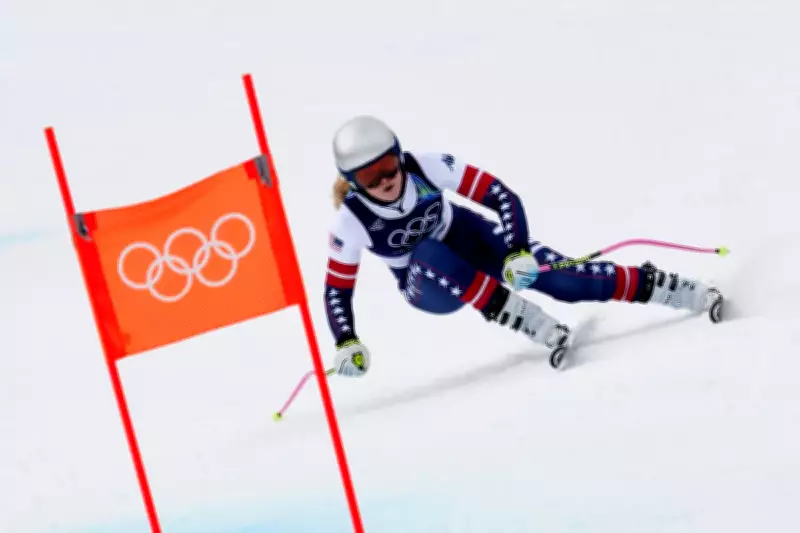

Lindsey Vonn’s ACL injury has sent shockwaves through the world of Olympic skiing as she prepares for a potential comeback only days after a devastating crash. Despite the daunting prospect of an ACL tear recovery that typically sidelines elite athletes for months, Vonn’s extraordinary resilience and determination set her apart from the norm. Medical experts suggest that her unique conditioning and experience as a world-class skier may provide her with an unconventional advantage in her Olympic skiing performance. With the 2023 Olympics fast approaching, fans are left wondering if she can defy the odds once again and still shine on the international stage. As Vonn eyes her final opportunity to compete, the thrill and uncertainty surrounding her comeback have captured the hearts of sports enthusiasts everywhere.

In the realm of elite sports, injuries pose a significant challenge, and Lindsey Vonn’s recent ACL injury exemplifies this stark reality. The journey of ACL tear recovery can often be lengthy, especially for professional athletes accustomed to the rigors of competition. However, Vonn’s case is distinct, with her exceptional background in Olympic skiing possibly allowing her to return to the slopes sooner than typical recovery timelines suggest. As she makes her much-anticipated comeback, the conversation surrounding the impact of such injuries on performance and the competitive spirit becomes ever more intriguing. This remarkable narrative not only reflects Vonn’s relentless pursuit of excellence but also ignites discussions on the physical and mental demands faced by elite athletes in their quest for glory.
| Key Point | Details |
|---|---|
| Lindsey Vonn’s ACL Injury | Vonn has an ACL tear but is aiming to compete in the Olympics just weeks after her injury. |
| Expert Opinions | Doctors believe she has a chance to perform due to her elite physical condition and experience in skiing. |
| Comparison to Typical Cases | Unlike most, Vonn displayed strength to control her knee muscles post-injury, enabling her to ski down the mountain. |
| Risks of Competing | Risks include potential further damage to her knee, particularly the meniscus or cartilage. |
| Decision Making | Vonn’s determination and experience may help her assess her condition effectively before racing. |
| Therapy and Readiness | Constant therapy and testing will be vital in preparing her knee for conditions during a race. |
| Final Thoughts | Despite the odds against her, experts believe Vonn has the unique capability to succeed. |
Summary
Lindsey Vonn’s ACL injury presents a remarkable opportunity for the athlete as she seeks to compete in the Olympics shortly after her injury. While typically a torn ACL leads to a long recovery period, Vonn’s elite status as a skier and her determination place her in a unique position. Experts suggest that, while there are substantial risks involved, her physical condition and commitment to rigorous rehabilitation may allow her to achieve her Olympic dreams despite the challenges posed by her injury.
Lindsey Vonn’s ACL Injury: A Unique Challenge
Lindsey Vonn’s recent ACL injury has raised eyebrows in the world of elite sports. Commonly, an ACL tear could sideline most athletes for an extended rehabilitation period, often upwards of nine months. However, in Vonn’s case, she’s faced with the extraordinary challenge of preparing for the Olympics just days after her injury. Her history as a world-class skier and the remarkable strength she possesses in her leg muscles may give her a unique advantage as she navigates this precarious situation. Experts have pointed out that her readiness to compete hinges not just on physical healing but also on her mental determination to push through the pain and restrictions that typically accompany such injuries.
Despite the typical recovery trajectory for athletes dealing with ACL tears, Vonn’s elite training background has set her apart. According to orthopedic specialists, while she is at risk for additional injuries, the biomechanical patterns of alpine skiing are less demanding on the knee compared to other sports, potentially allowing her to manage the situation better than many would. Experts have highlighted her resilience and physical conditioning, which might allow her to compete at the Olympic level, even with an ACL deficiency. Her drive to succeed in her final Olympic appearance adds an emotional layer to her physical battle, making her situation both inspiring and complex.
Elite Athletes and ACL Injury Recovery
In the realm of competitive sports, recovery timelines after an ACL injury can vary greatly, particularly for elite athletes. Lindsey Vonn represents a poignant case study in this area. While traditional recovery protocols suggest months of rehabilitation and surgical intervention, Vonn’s physical capabilities may allow her to defy these norms. The mechanics of her skiing, along with her long-established muscle memory and strength, could mitigate some of the risks typically linked to her injury. Therefore, drawing on her experience as a seasoned professional, she may find ways to compensate for the absence of a fully functioning ACL during competition.
Moreover, sports medicine experts have noted that Vonn’s success after her ACL injury might serve as both an outlier and a possible reference point for future discussions around ACL tears in elite athletes. The typical fear associated with accelerating a return to sport after such an injury often comes down to loss of neuromuscular control, which Vonn is likely to manage better than most due to her extensive training and conditioning. As she prepares for the Olympic Games, her journey not only sheds light on her personal mental and physical fortitude but also potentially paves the way for a new understanding of how elite athletes approach injury recovery.
The Road to Olympic Performance After Injury
Preparing for Olympic competition after sustaining an ACL injury entails a nuanced approach that blends rigorous physical therapy with psychological readiness. Lindsey Vonn’s situation exemplifies this journey, as she undergoes a constant evaluation of her knee stability while managing associated challenges like swelling and muscle control. The road ahead for Vonn involves interactive testing processes, progressing from basic land exercises to more dynamic movements that simulate race conditions. This careful stepwise progression is crucial for ensuring she is well-prepared to tackle the demanding environment of elite skiing.
Furthermore, the duality of physical rehabilitation and mental fortitude plays a critical role in Vonn’s journey toward Olympic performance. As she physically trains, her mental state is equally significant, comprising determination, confidence, and awareness of her body’s condition. Vonn’s insight into her limitations and capabilities will guide her to make informed decisions on whether to race. This balance between physical readiness and mental resilience underscores the complexities faced by elite athletes, especially in high-stakes situations like the Olympics.
Understanding ACL Recovery in Competitive Sports
The intricacies of ACL recovery in competitive sports, particularly in settings as demanding as the Olympics, highlight significant challenges and expectations. Lindsey Vonn’s case draws attention to the realities of elite athlete recovery; many assume that full recovery requires extensive downtime, yet Vonn’s exceptional physical conditioning has prompted discussions about the future of sports medicine and injury management. With her capacity to possibly perform at the Olympic level so soon after an injury, Vonn has initiated a deeper examination of how elite athletes can adapt to severe injuries through training and innovative recovery strategies.
Athletes like Vonn, who have previously endured similar injuries and achieved remarkable comebacks, often rely on their resilience and experience to inform their recovery strategies. Physical therapists and surgeons constantly refine their methodologies for treating athletes, recognizing that individualized care and tailored rehabilitation programs can lead to successful outcomes. Understanding the unique conditions athletes face, as Vonn does, can usher in a new approach to managing injuries in competitive sports, particularly when further innovations can support quicker recovery timelines.
The Impact of Lindsey Vonn’s Comeback on Sports Medicine
Lindsey Vonn’s comeback attempt post-ACL injury holds potential implications for the field of sports medicine. As a well-respected figure in skiing, her determination to race after a serious injury challenges prevailing protocols and underscores the diverse capacities of elite athletes. This scenario invites experts to rethink conventional timelines associated with injury recovery, pushing the boundaries of how athletic excellence is defined and maintained. Vonn’s case might inspire emerging strategies that blend personalized recovery with rigorous training, reshaping how recovery from injuries is approached in professional sports.
Moreover, Vonn’s situation exemplifies the balance between scientific knowledge and the psychological aspect of recovery in sports medicine. Vonn’s experience of skiing down the mountain despite her injury showcases both her physical prowess and the mental strength that many experts believe is critical for success at the Olympic level. Thus, her story may influence future approaches to athlete care, emphasizing the crucial interplay of physiotherapy, psychological preparedness, and individualized treatment plans, which could serve as crucial elements for aspiring Olympians and competitive athletes alike.
The Role of Mental Fortitude in Athletic Recovery
Mental toughness is a critical component in the recovery process for athletes facing injuries, a fact that Lindsey Vonn embodies through her journey with an ACL tear. Her willingness to confront pain and evaluate her readiness for competition signifies a deeper understanding of the psychological barriers that elite athletes must overcome. This mental fortitude can play a pivotal role in an athlete’s ability to trust their body during competition, which is particularly important for athletes like Vonn who operate in high-stakes environments where performance is uncompromisingly scrutinized.
Additionally, the psychological impact of dealing with an injury extends beyond just the physical realm. Elite athletes must navigate their performance anxiety, fears of re-injury, and social pressures while rehabilitating. Vonn exemplifies a blend of introspection and confidence as she manages her physical capabilities with her mental readiness. As more athletes witness her journey, the recognition of mental fortitude’s significance in overcoming injuries may influence not just individual athletes’ approaches, but also shape how coaches and trainers prepare their athletes for recovery and competition.
Rehabilitation Techniques for Olympic-Level Athletes
Rehabilitation for Olympic-level athletes like Lindsey Vonn requires a multifaceted approach tailored to their unique needs and the specific demands of their sport. Vonn’s rehabilitation journey will involve particular focus on strength training and mobility drills, with the aim of ensuring her leg muscles compensate efficiently for the compromised stability usually provided by an intact ACL. Furthermore, experts suggest that maintaining an active recovery routine, including low-impact exercises and targeted physical therapy, can assist in minimizing swelling and enhance muscle function, ultimately optimizing performance.
As the timeline to the Olympics shrinks, Vonn’s rehabilitation strategy will likely intensify, focusing on dynamic stability exercises that mirror the demands of downhill skiing. Engaging in sport-specific movements allows athletes to retrain muscle memory and reaction times under conditions close to racing scenarios. Moreover, flexibility and proprioception are essential components of her training, ensuring that she can navigate the slopes competently while reducing the risk of secondary injuries to the knee joint. This comprehensive recovery strategy is paramount in enabling Vonn to not only compete but potentially excel in her final Olympic appearance.
The Intersection of Science and Art in Athletic Rehabilitation
The intersection of science and art in athletic rehabilitation is highlighted in the context of Lindsey Vonn’s recovery from her ACL injury. The dynamic nature of sports medicine requires a blend of evidence-based practices and personalized care that recognizes the unique attributes of each athlete. In Vonn’s case, her prior experience with injuries and her status as an elite athlete create an atypical environment where traditional protocols may not fully apply. Medical professionals must leverage their scientific knowledge while also applying a nuanced understanding of Vonn’s personal capabilities, psychological state, and competitive pressures.
Ultimately, Vonn’s situation exemplifies the collaborative nature of sports medicine, wherein physicians, physical therapists, and the athletes themselves must engage in open dialogue to shape the recovery process. From her willingness to engage in proactive measures to manage her injury to the careful assessments by her medical team, Vonn’s journey underlines the importance of customization and adaptability in athletic care. This collaboration between science and individual artistry is key not only for Vonn’s immediate outcomes but may also inform broader practices for dealing with similar injuries across the spectrum of elite sports.
The Legacy of Lindsey Vonn in Competitive Sports
As Lindsey Vonn prepares for her potential Olympic run post-ACL injury, her legacy within competitive sports is being further solidified by her tenacity and pioneering spirit. Her commitment to returning to the slopes against the odds serves as inspiration for countless athletes facing their own career challenges. Vonn’s narrative transforms the conversation surrounding injury recovery in elite sports, showcasing that with the right combination of physical readiness and mental resolve, athletes can surpass expectations and redefine norms.
The impact of Vonn’s journey transcends her personal ambitions, shedding light on the evolving landscape of sports rehabilitation and athletic performance. Future athletes may draw on her experiences to fuel their own paths through injury and recovery, ultimately broadening the understanding of what is possible. Lindsey Vonn is not just chasing Olympic glory; she is also crafting a legacy that influences sports medicine, inspires resilience, and advocates for athletes’ ability to overcome significant obstacles in pursuit of excellence.
Frequently Asked Questions
What challenges did Lindsey Vonn face after her ACL injury?
Lindsey Vonn faced significant challenges after her ACL injury, including the need for rapid recovery and assessment of her knee stability just days before the Olympic skiing events. Experts noted that while recovery from an ACL tear typically takes many months, her elite athlete status and physical conditioning may allow her to perform at a high level despite the injury.
How does an ACL tear affect elite athletes like Lindsey Vonn?
An ACL tear can severely compromise the stability of an athlete’s knee, impacting their ability to perform high-stakes maneuvers required in sports like skiing. However, elite athletes like Lindsey Vonn may retain some control through muscle strength and conditioning, compensating for the absence of the ACL and maintaining performance levels.
What factors contribute to Lindsey Vonn’s chances of competing post-ACL injury?
Lindsey Vonn’s chances of competing after her ACL injury hinge on several factors: her physical conditioning, her unique ability to compensate for injury, the absence of swelling in her knee, and her determination. Medical experts believe that her exceptional muscle strength from years of training provides her a unique advantage in managing her ACL deficiency.
Can Lindsey Vonn still perform in the Olympics after an ACL tear?
Yes, Lindsey Vonn may still perform in the Olympics after her ACL tear. Medical professionals suggest that due to her elite athlete status, biomechanics of skiing, and her intense training, she has a viable chance to compete in the women’s downhill event shortly after her injury.
What are the risks associated with Lindsey Vonn’s ACL tear recovery?
The risks associated with Lindsey Vonn’s ACL tear recovery include the potential for further damage to her knee, particularly to the meniscus and cartilage. While her elite training may allow her to stabilize her movements, the inherent unpredictability of competition raises concerns about the risk of secondary injuries.
What role does mental determination play in Lindsey Vonn’s ACL injury recovery?
Mental determination plays a crucial role in Lindsey Vonn’s ACL injury recovery. Experts agree that her willpower, confidence in her abilities, and the perspective gained from past injuries may significantly influence her performance and decision-making during competition.
How does ACL injury treatment differ for elite athletes like Lindsey Vonn?
Treatment for ACL injuries in elite athletes like Lindsey Vonn often involves a more individualized approach, considering their unique physical capabilities and competitive circumstances. Instead of a standard lengthy rehabilitation, doctors may explore tailored recovery protocols that prioritize their return to competition as quickly and safely as possible.
What precautions are being taken for Lindsey Vonn’s return to skiing after her ACL injury?
Precautions for Lindsey Vonn’s return to skiing after her ACL injury include constant therapy, detailed assessments of her knee stability, and gradual progression of testing movements related to skiing. This method aims to ensure she can confidently compete while minimizing risks to her knee.
What does Lindsey Vonn’s ACL injury say about the nature of injuries in Olympic athletes?
Lindsey Vonn’s ACL injury highlights the physical demands and risks faced by Olympic athletes. It underscores the extraordinary resilience and capability of elite athletes to recover and perform despite severe injuries, as they often have advanced training that helps them manage injuries that would sideline typical athletes.
How does Lindsey Vonn’s history with injuries affect her approach to her ACL tear?
Lindsey Vonn’s history with injuries likely impacts her approach to her current ACL tear by providing her with a better understanding of her body’s limits and recovery mechanisms. Her previous experiences may help her effectively navigate the psychological and physical challenges associated with competing post-injury.