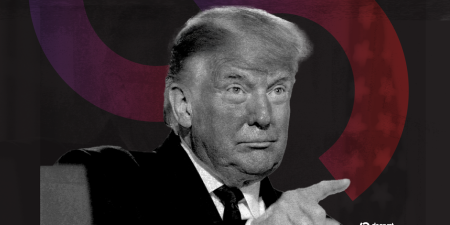
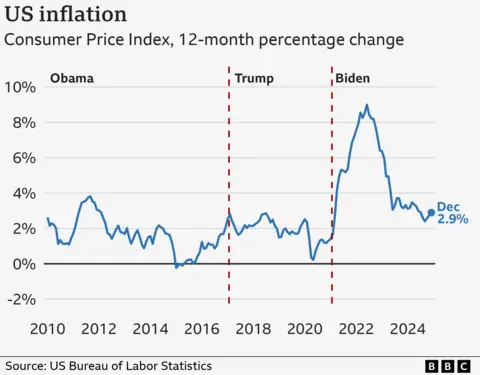

In recent months, Trump inflation claims have flooded headlines, as the former president positions himself as the voice of the Republican Party on economic matters. Despite his repeated assertions that inflation is under control, actual inflation rates have remained stubbornly close to 3%, raising eyebrows among voters experiencing steep price increases in their daily lives. With rising costs of living impacting everything from groceries to gas, Trump’s narrative of a decreasing inflation rate stands in stark contrast to the financial reality faced by many Americans. As he prepares for the crucial midterm elections, the ramifications of these claims could lead to significant voter dissatisfaction, particularly among those who feel misled. This disconnect between political rhetoric and economic reality poses a challenge not just for Trump, but for the entire Republican Party as they seek to maintain voter trust and control of Congress in the upcoming elections.

Donald Trump has recently made bold statements suggesting that the surge in consumer prices, a pressing concern for many, is waning. By frequently addressing inflation, he aims to connect with his supporters on pressing economic issues that resonate deeply with the electorate. However, analysis reveals that the cost of living remains a significant burden, as citizens grapple with rising expenses across the board. With hefty increases in essential goods, the narrative pushed by Trump regarding falling prices clashes with the realities of everyday Americans, potentially alienating crucial voters. As the Republican Party navigates these turbulent economic waters, the future of its leadership may hinge on how effectively it addresses inflation and the satisfaction of its constituents.
| Key Point | Details |
|---|---|
| Trump’s Claims | Trump has claimed inflation is under control on nearly 20 occasions. |
| Public Response | Voters report experiencing rising prices, contradicting Trump’s claims. |
| Inflation Rate | The current inflation rate stands at nearly 3%. |
| Price Increases | During Trump’s presidency, beef prices have risen by 18% and coffee prices by 29%. |
| Election Impact | Trump’s contradictory messages may jeopardize the GOP’s credibility before the midterms. |
Summary
Trump inflation claims have sparked debate as he boasts about controlling inflation despite a rising inflation rate. While he portrays himself as the economic leader within the Republican Party, many voters are feeling the pinch of rising prices for basic goods, which contradicts his assertions. These dynamics become critical as the midterm elections approach, with the GOP’s reputation potentially at stake.
Trump’s Economic Narrative: Misrepresentation of Inflation Control
In recent months, Trump has consistently claimed that inflation is under control, using this message to position himself prominently within the Republican Party. He has notably stated during speeches that inflation rates are decreasing and that prices are falling substantially. However, with the reality of a nearly 3% inflation rate persisting, these claims seem to be a significant misrepresentation. Voters across America are not only tracking these claims but are also feeling the pinch of rising costs in their daily lives, making them question Trump’s credibility regarding economic issues.
The rise in essential goods prices, such as the 18% increase in beef and a staggering 29% surge in coffee, starkly contradicts Trump’s inflation claims. These figures illustrate the tangible effects of inflation on households, further fueling voter dissatisfaction. As the midterm elections approach, these discrepancies will likely play a critical role in shaping perceptions of both Trump and the Republican Party. Voters are keenly aware that their economic realities do not align with the optimistic narratives being promoted by Trump.
Impact of Inflation on Voter Sentiment and Republican Credibility
The ongoing economic challenges, especially concerning the cost of living, have created a profound sense of disillusionment among voters. This dissatisfaction is amplifying the scrutiny on political figures who make sweeping claims about economic stability, particularly on matters like inflation. As Trump continues to assert that inflation is under control despite contradictory data, he risks alienating crucial voter demographics who prioritize economic integrity when voting. The impact of these assertions is magnified as voters experience firsthand the consequences of rising prices.
Moreover, the Republican Party, traditionally viewed as champions of economic policy, could suffer reputational harm due to Trump’s inflation claims. Polls indicate that a significant portion of the electorate feels that current leadership has failed to manage economic issues effectively, contributing to ongoing voter dissatisfaction. As the price of necessities continues to rise, the party must grapple with the realities facing their constituents. The juxtaposition of Trump’s narrative against the backdrop of inflation rates may redefine GOP strategies heading into the midterm elections, as they seek to align more closely with voter concerns.
Disparity Between Trump’s Claims and Voter Experience
Trump’s assertion that inflation is under control stands in stark contrast to the lived experiences of American voters. Many citizens face a daily struggle with escalating costs for basic goods, which paints a different picture from the narrative Trump promotes. The significant increases in the prices of essentials like food and fuel expose a disconnection between political rhetoric and economic reality. As everyday Americans grapple with these financial pressures, Trump’s claims may begin to sound increasingly hollow, leading to further erosion of trust in his leadership.
The inconsistency in Trump’s statements about inflation control poses a critical risk not only to his campaign but also to the broader electoral ambitions of the Republican Party. Voter dissatisfaction, rooted in economic hardship, could mobilize a segment of the electorate that feels underserved by current policies. The narrative being spun about falling prices is met with skepticism, as individuals gauge their economic situations against official claims. As the political landscape heats up, these disparities could motivate individuals to vote based on their economic experiences rather than party allegiance.
Navigating Economic Issues in Trump’s Midterm Strategy
As Trump navigates the complex landscape of economic issues leading up to the midterm elections, his handling of inflation is crucial. Campaigns often revolve around the economy, and with Trump frequently presenting the narrative that he has effectively managed inflation, he is directly addressing what he believes to be a key issue for voters. However, this element of his strategy could backfire if voters continue to witness rising costs that contradict his claims, igniting further dissent and skepticism among potential supporters.
The Republican Party’s challenge will be to reconcile Trump’s assertive declarations about inflation control with the stark economic realities faced by many voters. The disconnect could diminish their credibility and make it difficult to galvanize support. Economic issues have historically swayed election outcomes, and as voter dissatisfaction mounts, it will be essential for Trump and the GOP to pivot towards genuine economic reforms and communication that resonate with voters’ realities. Failing to do so could result in a significant backlash at the polls.
Voter Dissatisfaction: Consequences for Republican Leadership
The current wave of voter dissatisfaction presents serious implications for Republican leadership. Economic issues, particularly inflation and the cost of living, are at the forefront of voters’ minds as they head into the polls. If Trump’s claims of inflation control continue to clash with voters’ experiences of ongoing price increases, it will likely deepen the rift between the party and its constituents. This disconnect could lead to a shift in voter allegiances, potentially favoring Democratic candidates who can credibly address these economic concerns.
As dissatisfaction grows, it becomes more critical for the Republican Party to align their messaging and policies with the real economic challenges voters are facing. A focus on transparency and realistic discussions about inflation rates and economic recovery could help restore some trust. Ultimately, addressing the real concerns about rising prices and cost of living will be essential for the GOP to maintain voter support and improve their chances in the midterm elections.
Economic Messaging: Aligning Rhetoric with Reality
The effectiveness of Trump’s economic messaging will hinge on its alignment with the reality faced by average Americans. As the Republican Party seeks strategies for the upcoming midterms, clarity and accuracy in communication about economic conditions, particularly concerning inflation, are paramount. Making assurances about inflation control without addressing the everyday experiences of voters can lead to disenchantment among the base, who may feel overlooked or misled.
To build a sustainable electoral coalition, the Republican Party must prioritize authentic engagement with voters about economic issues. This involves acknowledging the challenges posed by inflation while simultaneously proposing tangible solutions. By crafting messaging that resonates with the realities of voter experiences—such as economic hardships related to rising costs—Trump and the GOP can create a more intersecting narrative that reinforces their credibility and appeal at the polls.
Addressing Cost of Living Challenges: A Republican Imperative
Addressing the cost of living is becoming increasingly critical for the Republican Party as they approach the midterm elections. With inflation impacting families across the nation, voters are demanding concrete solutions to alleviate the financial strain that many are experiencing. If Republicans, led by Trump, can present realistic plans to tackle these economic issues, such as initiatives to stabilize prices or support for struggling industries, they may be able to restore some trust among the voters. However, this necessitates a shift from merely claiming control over inflation to implementing actionable policies.
The challenge lies in effectively communicating these initiatives while countering the ongoing narratives surrounding inflation rates and living costs. As voters continue to feel the burden of rising prices, they are likely to reward candidates who acknowledge these hardships and propose viable strategies to combat them. Therefore, the Republican Party must align their platform not only with Trump’s messaging but also with the realities facing American households to regain voter confidence.
Future Economic Outlook: The Election’s Influence on Policy
The approaching midterm elections are set to significantly influence the economic policies that the Republican Party may pursue moving forward. The narratives surrounding Trump’s claims about inflation will undoubtedly shape the political landscape as candidates are scrutinized for their positions on economic issues. Voter dissatisfaction with inflation and cost of living is expected to drive discussions during the campaign, pushing candidates to prioritize economic stability in their platforms and proposals.
As economic outcomes are often tied to election results, it will be vital for Republicans to address voter concerns about inflation directly. By embracing a constructive dialogue around economic recovery and cost control, the party can enhance its appeal and potentially reverse the trends of dissatisfaction. The midterm elections represent a critical moment for shaping the GOP’s economic agenda as they seek to regain control and trust from the electorate.
Frequently Asked Questions
What are Trump’s claims about inflation rates and economic issues?
Trump has recently claimed that inflation is under control, stating this nearly 20 times in various speeches. He emphasizes that prices are falling, which contradicts the actual inflation rate of nearly 3% over the past year. His assertions about inflation and economic issues aim to portray a positive outlook regarding the cost of living for voters.
How have Trump’s inflation claims affected voter dissatisfaction?
Despite Trump’s claims that inflation is controlled and prices are decreasing, many voters report experiencing higher costs for essential goods. This disconnect has contributed to significant voter dissatisfaction regarding his economic policies, which Republican strategists warn could jeopardize their credibility in upcoming elections.
What is the Republican Party’s stance on the current inflation situation?
The Republican Party, with Trump as a prominent spokesperson, has focused on portraying inflation as managed and the cost of living as decreasing. However, this narrative conflicts with reality, as inflation rates remain around 3%, which has led to increasing discontent among voters about the party’s economic messaging.
How do Trump’s claims about cost of living compare to actual price increases?
While Trump claims that the cost of living is improving, statistics reveal significant price increases in essential goods since his administration began. For instance, beef prices have surged by 18% and coffee by 29%. These discrepancies highlight the gap between Trump’s inflation claims and the experiences of everyday consumers.
What impact could Trump’s inflation claims have on the midterm elections?
Trump’s contradictory inflation claims may impact Republican Party credibility as they approach the midterm elections. As public dissatisfaction with economic conditions grows, voters may be less inclined to support candidates who align with Trump’s narrative on inflation and cost of living.
What evidence contradicts Trump’s inflation claims?
There is substantial evidence contradicting Trump’s claims about inflation being under control, including the persistent inflation rate of nearly 3% and rising prices for basic goods. This evidence highlights the discrepancies between political messaging and the reality faced by American consumers.
Why is public perception of inflation so important for the Republican Party?
Public perception of inflation is crucial for the Republican Party because economic issues often influence voter sentiment and decision-making. If voters feel that inflation is unmanaged and that their cost of living is rising, they may be less likely to support Republican candidates, particularly those closely associated with Trump’s claims.