


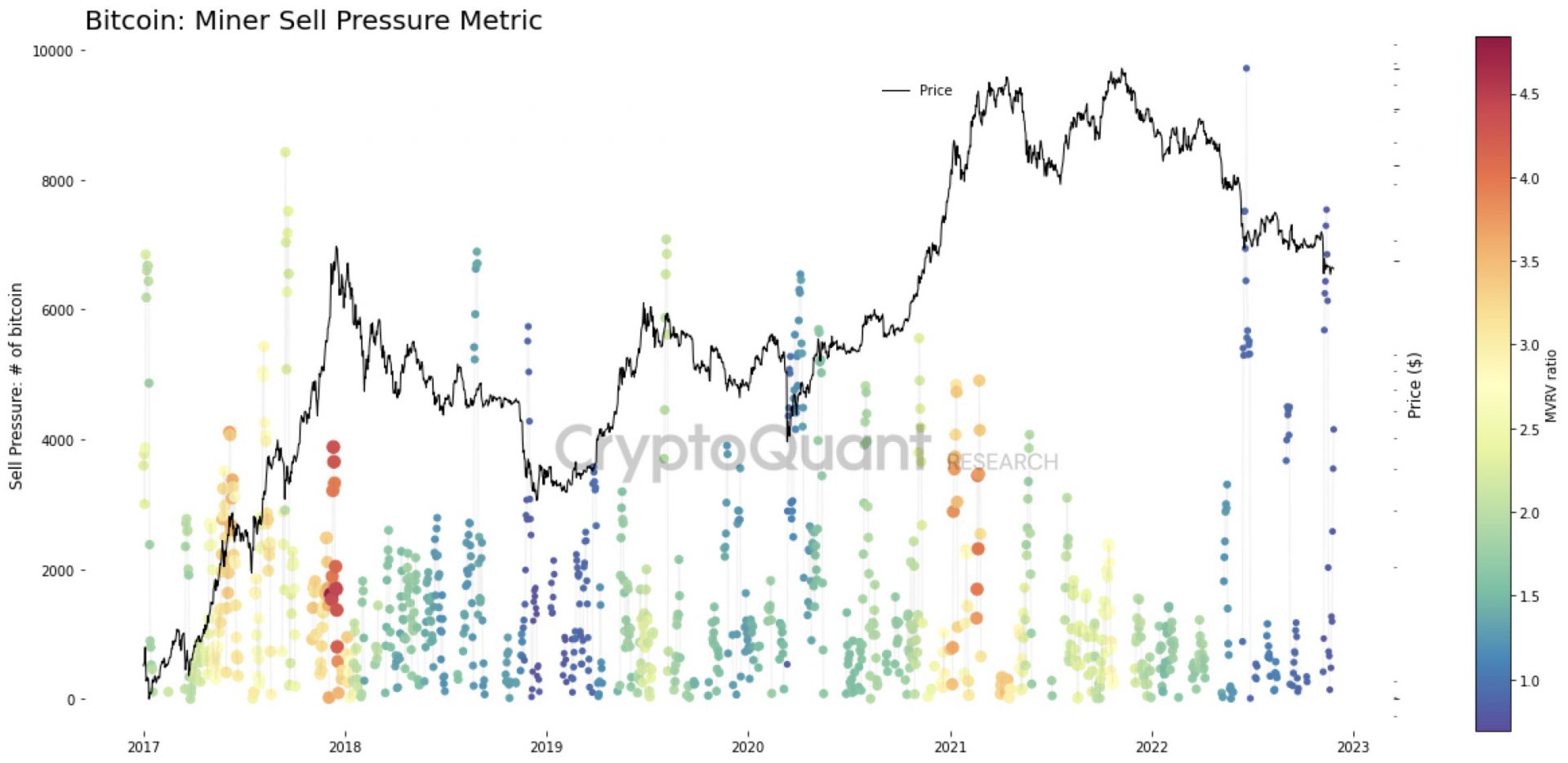

Bitcoin selling pressure has become a pivotal theme in discussions surrounding the cryptocurrency market, revealing the potential for significant price adjustments. Recent reports indicate that hefty sales from Bitcoin spot ETFs, coupled with forced liquidations due to abrupt price drops, are contributing to heightened market volatility. This period of uncertainty has provoked fears of deeper Bitcoin corrections, with analysts predicting that further Bitcoin price drops could occur before the market stabilizes. Amidst this turmoil, opportunistic investors are cautiously stepping in, attempting to capitalize on lower prices despite concerns about an impending financial bottom. Understanding the dynamics of Bitcoin selling pressure is crucial for any investor looking to navigate this unpredictable landscape.

The recent surge in Bitcoin selling activity can be attributed to various factors that affect the overall cryptocurrency landscape. Factors such as ETF-related sales and an environment ripe for liquidation waves are compelling traders to reconsider their positions. Additionally, this phase of market turbulence hints at a possibility of future Bitcoin price adjustments, which some experts believe could lead to ongoing volatility within the sector. Analysts are keenly observing buying trends even as prices sway, suggesting a mixed sentiment among market participants. Exploring the nuances behind these trends can reveal essential insights into navigating this ever-evolving digital asset space.
| Key Point | Details |
|---|---|
| Current Selling Pressure | The cryptocurrency market is facing significant selling pressure primarily due to Bitcoin spot ETFs. |
| Forced Liquidations | A sharp price drop triggered forced liquidations, further intensifying selling. |
| Software Sector Impact | Increased volatility in the market has also been escalated by selling pressure in the software sector. |
| Buyers Entering Market | Some investors are buying into the market, leading to a quick rebound in prices. |
| Market Caution | Despite rebounds, many participants remain cautious about the market’s bottom. |
| Future Projections | 10X Research indicates potential further declines, estimating a dip to between $40,000 and $50,000. |
Summary
Bitcoin Selling Pressure is currently a major concern as the market is being affected by significant factors such as ETF selling and forced liquidations. While there have been brief rebounds due to buying by some investors, the overall sentiment remains cautious with predictions of Bitcoin potentially reaching new lows in the coming months.
Understanding the Impact of ETF Selling Pressure on Bitcoin
ETF selling pressure has become a significant factor influencing Bitcoin’s price dynamics. Exchange-Traded Funds (ETFs) that hold Bitcoin experience selling pressure when market participants choose to liquidate their holdings, leading to a decrease in demand for the cryptocurrency. This change in investor sentiment can result in sharp price drops as the market attempts to adjust to the influx of sell orders. The recent reports indicated that such pressure from Bitcoin spot ETFs contributed to a notable downward trend, further intensifying Bitcoin corrections as traders react to perceived shifts in market stability.
Additionally, ETF-related selling pressure creates a cascading effect, causing increased market volatility. Investors responding to price drops may rush to liquidate their positions, fearing larger downturns and exacerbating the situation. This is seen in the recent forced liquidation waves that have compounded Bitcoin’s struggles in maintaining a stable price. As market volatility rises, it deepens concerns among investors, leading to a sentiment of caution as many question whether the cryptocurrency has hit its bottom yet.
Bitcoin Corrections and Market Volatility
Bitcoin corrections have become a hallmark of the cryptocurrency market, often characterized by sudden drops followed by rapid recoveries. Recent events show that the cryptocurrency is highly susceptible to market reactions within broader economic contexts, particularly during times of heightened volatility. The recent price drop, resulting from both ETF selling pressure and broader market disturbances, has caused many to consider the dynamics of Bitcoin corrections more critically. As Bitcoin teeters around the $50,000 mark, speculation abounds regarding the potential for further declines.
Market volatility plays a crucial role in how investors respond to Bitcoin’s price fluctuations. When the market is identified as unstable, investors are more likely to sell off their assets, leading to an increase in cryptocurrency liquidation events. These liquidations only fuel Bitcoin corrections, prompting concerns over whether these price movements signify broader trends in the cryptocurrency ecosystem. With analysts anticipating further corrections, it is essential to understand the mechanics behind these market movements to strategize effectively in the unpredictable world of Bitcoin.
The Role of Cryptocurrency Liquidation in Price Dynamics
Cryptocurrency liquidation events typically occur when the prices of Bitcoin and other digital assets fall significantly, triggering margin calls and forcing traders to sell their holdings. This mechanism plays an intrinsic role in price dynamics, especially during turbulent market phases. The recent sharp price drops have not just resulted in ETF selling pressure but have been compounded by forced liquidations across the market. Such liquidations can create a snowball effect where falling prices lead to more sell-offs, amplifying the negative sentiment and fueling additional volatility.
As Bitcoin faces the risks associated with heavy liquidations, investors must remain vigilant and strategically informed. This requires understanding the implications of both current market sentiments and broader macroeconomic factors that could sway crypto prices. The continuous battle between bullish and bearish sentiments will test Bitcoin’s resilience, with every liquidation potentially steering the market towards deeper corrections. As we move forward through 2026, attention to these aspects of liquidation will be crucial in forecasting Bitcoin’s future price behavior.
Navigating Bitcoin’s Price Drops Amid Market Dynamics
Navigating Bitcoin’s frequent price drops requires an understanding of underlying market dynamics that often influence trader behavior. Recent trends have shown that Bitcoin price drops can occur rapidly due to a variety of pressures, including market sentiment shifts, regulatory news, and economy-wide factors. As Bitcoin struggles with considerable volatility, many investors find it challenging to make informed decisions, resulting in a mix of panic selling and opportunistic buying. Each price drop serves as a reminder of the asset’s inherent volatility, prompting many to question their market strategies.
In the face of such uncertainty, it is crucial for traders to employ risk management strategies that can mitigate potential losses during Bitcoin price drops. Evaluating the potential for market rebounds, understanding correction patterns, and setting pre-determined exit strategies will be vital. Moreover, maintaining an awareness of broader trends within the cryptocurrency sector, like that of ETF market movements and liquidation impacts, can provide much-needed context for making wise trading decisions.
Market Reactions to Bitcoin’s Fluctuating Trends
Market reactions to Bitcoin’s fluctuating trends often serve as an indicator of investor sentiment and the overall health of the cryptocurrency market. When sharp price drops occur, reflecting high selling pressure, reactions can vary widely. Some investors opt to take profits and exit the market, while others may perceive these price dips as buying opportunities to accumulate Bitcoin at a lower cost. Understanding these diverse reactions is essential to grasping the larger narrative within the trading community, especially during periods of intense market volatility.
The recent fluctuations have showcased how external factors, such as ETF performance and economic indicators, contribute to Bitcoin’s price dynamics. As selling pressure mounts, the market oscillates between fear and speculation, leading to a high degree of uncertainty. As traders become increasingly reactive to market signals, this cyclical behavior illuminates the complexity of Bitcoin’s market trends. By analyzing these patterns, stakeholders can better anticipate how future movements might unfold.
Future Projections for Bitcoin’s Price Action
Future projections for Bitcoin’s price action remain a topic of heated debate among analysts and investors alike. With recent market volatility and the implications of ETF selling pressure, forecasts have suggested potential price movements that call for caution. Notably, research from institutions like 10X highlights that Bitcoin could experience further declines, potentially falling into the range of $40,000 to $50,000 in the near term. As this speculation continues, many are reassessing their investment strategies to align with the high volatility that accompanies Bitcoin’s trading.
However, while short-term projections may paint a bleak picture, it is essential to consider long-term scenarios as well. The resilience of Bitcoin throughout past market cycles indicates it may recover from any current corrections. Many analysts assert that historical trends suggest bullish market conditions often follow sharp corrections, offering a potential path back to previous highs. Understanding both short and long-term projections will equip investors with the knowledge to navigate the complex landscape of Bitcoin’s price movements.
Investor Sentiment Amid Bitcoin Market Changes
Investor sentiment plays a vital role in the overall trajectory of Bitcoin’s market performance, particularly amid rapid changes. The recent shifts in market conditions heightened by ETF selling pressure have led to a sentiment of caution among many investors. Concerns about potential price drops and further corrections have driven a divide within the trading community, as some are convinced that it is wise to hold onto their assets while others may rush to liquidate amidst fears of greater losses.
Understanding investor sentiment requires examining various factors, including media narratives, market analysis, and community discussions within cryptocurrency circles. When sentiment becomes overwhelmingly pessimistic, it often reflects an impending price dip due to increased sell pressures. However, shifts in sentiment can also offer pivotal buying opportunities for savvy traders. Keeping an eye on sentiment trends can provide insights necessary for navigating Bitcoin’s unpredictable market landscape.
The Significance of Monitoring Market Volatility
Monitoring market volatility is crucial for anyone involved in Bitcoin trading and investment, particularly in light of recent price dynamics. Market volatility informs traders of the potential risks involved, especially during times marked by substantial selling pressure and rapid price shifts. Increased volatility can present both challenges and opportunities, as it highlights periods in which swift price actions may lead to unforeseen market movements.
By tracking volatility indicators, traders can devise more informed strategies, enabling them to capitalize on market opportunities while minimizing risks. Leveraging tools that reflect short and long-term volatility can provide valuable insights into potential future price action, helping market participants make educated decisions. As Bitcoin continues to experience fluctuations driven by multiple factors, the ability to gauge and adapt to market volatility remains essential for successful trading.
The Implications of Selling Pressures on Bitcoin’s Stability
The implications of selling pressures on Bitcoin’s stability are profound, particularly as analysts consider market patterns influenced by recent events. Selling pressures, such as those from Bitcoin spot ETFs, contribute to an environment where the price of Bitcoin may experience substantial corrections. These pressures can disrupt market equilibrium and erode investor confidence, leading to cascading sell-offs that further invalidate stability within the cryptocurrency ecosystem.
Understanding these implications requires a keen awareness of how selling pressures interact with broader market forces. Each instance of selling pressure initiates reactions among stakeholders, creating ripples that can affect Bitcoin’s integrity as a viable investment. As traders and investors navigate these conditions, grasping the significance of selling pressures is critical in addressing and forecasting Bitcoin’s potential for recovery and growth.
Frequently Asked Questions
What is Bitcoin selling pressure and how does it impact the market?
Bitcoin selling pressure refers to the heightened activity of selling Bitcoin, often linked to market events such as ETF selling pressure or forced liquidations. This can lead to significant price drops and increased market volatility as traders react to adverse conditions.
How does ETF selling pressure contribute to Bitcoin price corrections?
ETF selling pressure can lead to increased selling activity, contributing to Bitcoin price corrections. When large institutional investors sell off their holdings, it creates a ripple effect in the market, causing other investors to sell and resulting in potential price drops.
What role does cryptocurrency liquidation play in Bitcoin selling pressure?
Cryptocurrency liquidation occurs when traders are forced to sell their assets to cover losses, often triggered by steep price drops. This contributes to Bitcoin selling pressure as it adds more coins to the market, further driving down prices.
Why is market volatility important to understand Bitcoin selling pressure?
Market volatility is critical to understanding Bitcoin selling pressure as it indicates the degree of price fluctuations. High volatility often leads to panic selling among investors, increasing selling pressure and potentially resulting in sharp drops in Bitcoin’s price.
Can Bitcoin expect to see more corrections due to selling pressure in the future?
Yes, following instances of significant Bitcoin selling pressure, particularly from factors like ETF sell-offs and market liquidations, Bitcoin may see more corrections. Analysts suggest that future price movements could see lows around $40,000 to $50,000.
What can investors do in response to Bitcoin selling pressure?
In response to Bitcoin selling pressure, investors may consider employing strategies such as setting stop-loss orders, diversifying portfolios, or buying during dips. However, it’s essential to analyze market conditions to make informed decisions.
How might forced liquidations affect Bitcoin’s selling pressure?
Forced liquidations can significantly amplify Bitcoin’s selling pressure by flooding the market with additional sell orders. As leveraged positions are closed, this often leads to rapid price declines, creating a cycle of intensified selling.