


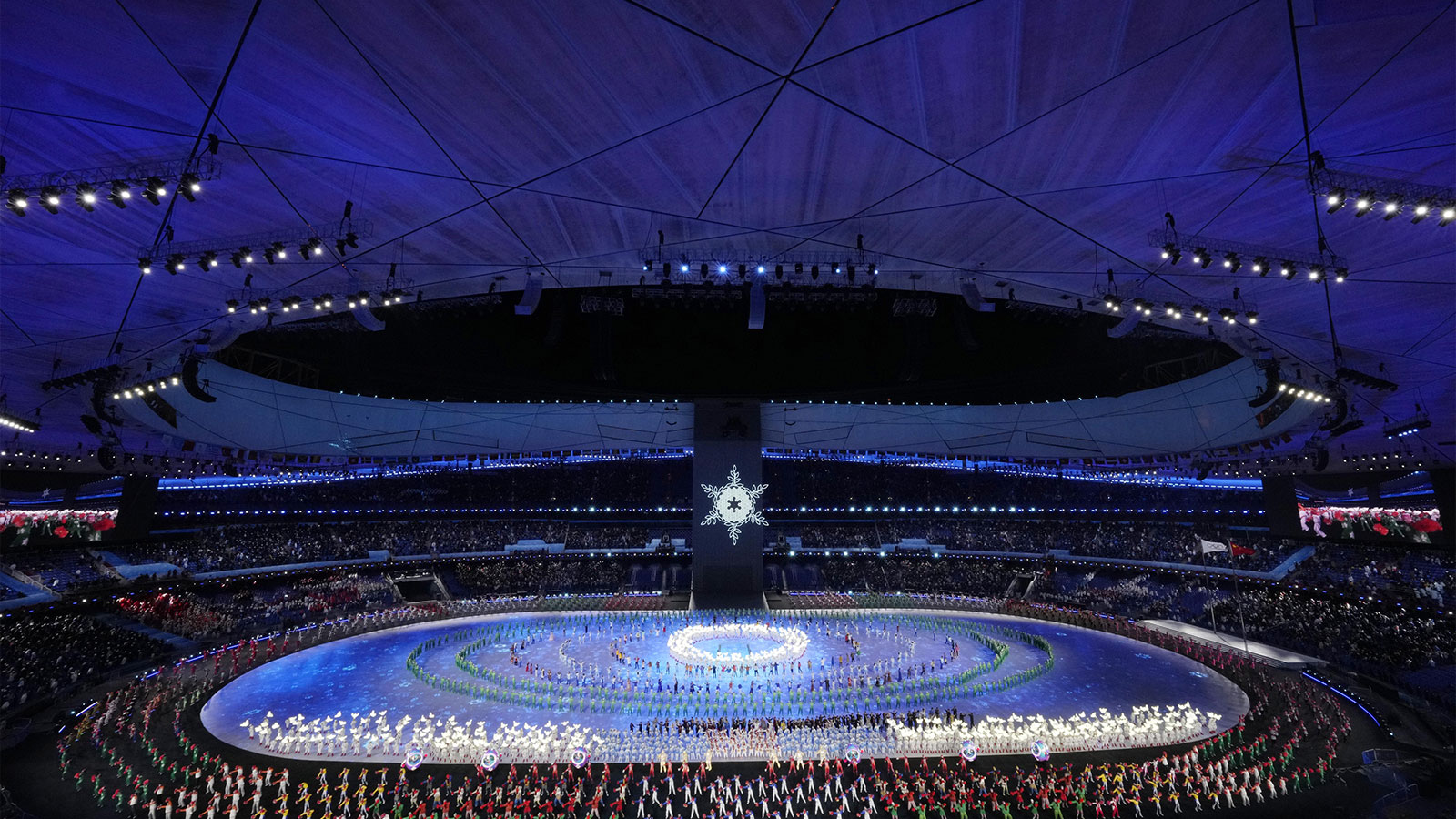

The Olympic opening ceremony marks a spectacular kickoff to the Games, where athletes from around the world converge to celebrate unity and sportsmanship. As the U.S. Olympic team paraded into the stadium, they faced IOC concerns about potential booing but instead received resounding cheers from the enthusiastic crowd. Flagbearer Erin Jackson, a symbol of hope and strength, led the American delegation, showcasing the team’s exceptional spirit despite political sentiments at the Olympics. However, the event was not without its controversies, as international criticism regarding U.S. policies echoed in the background. The ceremony set the stage for an unforgettable competition, blending athletic prowess with the complex narratives surrounding this year’s Games.
The opening ceremony of the Olympic Games serves as a grand introduction to a global sporting event where nations unite through competition and camaraderie. As athletes gather for this iconic event, the atmosphere is charged with excitement and anticipation, with notable highlights like the leading of the U.S. squad by Erin Jackson, the designated flagbearer. This event often reflects broader issues, including recent political sentiments that influence perceptions of the games, marked by concerns from the International Olympic Committee. While the American team basked in applause, they also contended with international criticism related to their country’s policies. Ultimately, this fascinating blend of athletics and geopolitics creates a unique backdrop for the opening ceremony, shaping the narrative of the Olympic experience.
| Key Points |
|---|
| The U.S. team received mostly cheers during the Olympics, despite concerns from the IOC about booing. |
| Italians protested the presence of Immigration and Customs Enforcement despite the agency not conducting operations at the games. |
| Criticism of the former Trump administration’s policies affected international relations and opinions during the ceremony. |
| IOC President Kirsty Coventry hoped the ceremony would promote respectful interactions among nations. |
| American flagbearer Erin Jackson led the U.S. team amid a festive atmosphere, receiving warm applause from the crowd. |
| The ceremony set a tone for the games, emphasizing athletic prowess and the international political climate. |
Summary
The Olympic opening ceremony marks a significant moment that not only showcases athletic excellence but also encapsulates the ongoing global dialogues surrounding the event. Emphasizing unity, it brings together nations while highlighting sociopolitical sentiments. As athletes parade into the arena, the genuine celebration of sportsmanship begins, embodying both joy and respect for the spirit of the games.
The Impact of Political Sentiments at the Olympics
The Olympic Games have always been more than just a showcase of athletic prowess; they serve as a platform for political expression and sentiment. This year’s ceremony was punctuated with various international criticisms directed at the United States, particularly concerning the policies of the previous administration, which caused rifts with numerous allies. These political undercurrents became a talking point throughout the games, impacting how athletes and representatives presented themselves on this global stage. In particular, the role of the U.S. Olympic team became paramount as they navigated both the cheers and the concerns surrounding their country’s image on an international platform.
IOC concerns regarding political sentiments during the Olympics were prevalent, with vigilant scrutiny on how the athletes would perform and be received by the public. The traditional ideals of Olympism support inclusivity and unity, making it imperative for the games to transcend political issues. However, like in previous Olympic events, the underlying tensions managed to arise, reminding both spectators and participants of the complex relationship between sport and geopolitics. This year was no exception, with conversations about the former administration’s policies echoing throughout the Olympic spaces.
Erin Jackson: A Symbol of Hope and Unity
Erin Jackson’s historic moment as flagbearer for the U.S. Olympic team is more than just a personal achievement; it symbolizes hope and unity for a diverse and often polarized nation. As she led her teammates into the stadium, the cheers she received reflected not only support for her as an athlete but also a collective desire for harmony at a time when dialogue around race and representation is so crucial. Jackson’s journey as an African American woman in a predominantly white sport adds a significant layer to her representation, motivating others and setting a new precedent for future athletes.
Her moment at the Olympic opening ceremony served as a reminder of the transformative power of sports to unify people and generate positivity, even amidst political pressures. The powerful imagery of Jackson holding the U.S. flag encapsulated a resilient spirit, resonating with countless spectators worldwide. The applause that met the U.S. team wasn’t solely about athleticism—it was about the shared experience of overcoming adversity and embracing the diversity that enhances the Olympic spirit.
International Criticism and the Olympic Stage
The Olympic Games were not just a display of athletic achievements but also a focal point for international criticisms, particularly towards the policies and actions of the U.S. in recent times. Many countries voiced their concerns over the claimed influence of American politics on the games, questioning the integrity of Olympic ideals. Critics pointed towards the demonstration of civil unrest and protests surrounding the event, with significant emphasis on how governmental decisions impact international camaraderie. Such criticisms manifested during the opening ceremony, where audiences were aware of the backstory shaping the event.
While the U.S. team marched proudly under Erin Jackson’s leadership, the backdrop of political sentiments and protests reminded viewers of the broader implications of such a prestigious platform. The presence of Italian protests against the Immigration and Customs Enforcement showcased that the Olympic arena was not immune to national and international dialogues regarding social justice and human rights. This complex narrative instigated discussions about whether the Games can indeed rise above these challenges and foster a truly inclusive environment for athletes worldwide.
The Role of the IOC in Maintaining Olympic Integrity
The importance of the International Olympic Committee (IOC) in ensuring that the Olympic Games maintain their integrity cannot be overstated. IOC President Kirsty Coventry communicated a desire for the opening ceremony to create an atmosphere of respect and unity. However, the ongoing concerns about political interference and the role of national politics in the games cast a shadow over these intentions. The IOC’s efforts to facilitate respectful interactions among athletes and spectators alike are continuously tested, especially when socio-political undercurrents threaten to derail the spirit of unity that the Olympics aims to uphold.
Moving forward, the IOC faces the challenge of balancing athletes’ rights to express their views on pertinent issues while trying to uphold the Olympic Charter’s principles. While many applaud the presence of prominent athletes like Erin Jackson as symbols of hope for national pride, discussions surrounding IOC concerns about political sentiments at the Olympics become increasingly relevant. As games continue, the responsibilities of the IOC to maintain integrity in light of international pressures are essential to fostering a harmonious Olympic environment.
Celebrating Diversity: The Athletes’ Perspective
The Olympic Games provide a unique stage where athletes from around the world come together to celebrate their shared passion for sports, transcending barriers of language, culture, and politics. For the U.S. Olympic team, the opening ceremony became a powerful demonstration of this diversity, with athletes like Erin Jackson representing not just their individual sports but also the broader narrative of inclusion and teamwork. The experiences and backgrounds of each athlete contribute to a rich tapestry that unites them in a common goal: to compete at the highest level while fostering camaraderie.
Athletes’ narratives often intertwine with the political sentiments surrounding the games, reflecting how their personal journeys resonate with significant historical moments. Many choose to use their platform to advocate for the causes they believe in, adding layers of meaning to their participation. The cheers at the Olympic opening ceremony were not just for the sports; they were also for the stories of perseverance and strength that these athletes embody, showcasing the spirit that the Olympics thrive upon.
Public Reception of the U.S. Olympic Team
The reception of the U.S. Olympic team at the opening ceremony displayed a multifaceted reaction from the audience, underscoring the complex relationship between sports and national identity. Despite the potential for booing or discontent, the overall applause indicated an appreciation for the athletes’ dedication and hard work. Many spectators recognized that athletes like Erin Jackson symbolize more than just their sports; they reflect the country’s unity and the aspirations that come with the Olympic spirit, even against a backdrop of political discontent.
The cheers for the U.S. team emphasize a collective recognition of sporting excellence that can unify even the most diverse of opinions. Regardless of potential international criticisms or concerns from the IOC, the appearance of the U.S. team at the Olympics remains a moment of pride for many Americans. Ultimately, the reception serves as a reminder of how the Olympic Games can act as a bridge to foster understanding and solidarity across borders.
Cultural Expressions at the Olympic Opening Ceremony
Cultural expressions at the Olympic opening ceremony play a critical role in showcasing the host country’s values and traditions. This year, the ceremony integrated elements that highlight not just the arts and heritage of Italy but also a global celebration of sport and humanity. As athletes like Erin Jackson paraded proudly, the melding of various cultural dimensions created a rich atmosphere that inspired unity among nations. Music, dance, and visual arts merged to create an immersive experience that resonated deeply with attendees and viewers around the world.
The importance of cultural representation was palpable as the Olympic stage brought together narratives from different backgrounds. Athletes from diverse communities used this platform to express their unique identities, making the games not just a competition but a celebration of human connection. The cultural elements interwoven within the ceremonial events emphasize the transformative power of the Olympics in promoting peace and understanding, especially when juxtaposed against the shifting political sentiments present in current global affairs.
Reflections on Past Olympic Ceremonies
Reflecting on past Olympic opening ceremonies reveals a rich history of how political sentiments and international relations influence these events. From moments of unity during challenging times to displays of national pride embroiled in controversy, the Olympics have been a stage for both athletic achievement and political discourse. The concerns raised by the IOC regarding the potential backlash during ceremonies highlight a delicate balancing act necessary to navigate the complexities surrounding national representation.
As we observe the U.S. Olympic team entering the arena led by figures like Erin Jackson, it reminds us of the progression made over the years in terms of representation and acceptance in sports. Both international criticism of policies and political sentiments at the Olympics shape the narrative, allowing for reflections on how far the games have come and the challenges ahead. This ongoing evolution emphasizes the responsibility of the Olympic community to continue fostering an environment where athletes can compete freely while navigating the political landscape.
Looking Forward: The Future of the Olympics
As the Olympic Games continue to evolve, the anticipation surrounding future ceremonies and events inevitably raises questions regarding how they will address political sentiments and global issues. The approaching games will require a critical examination of the lessons learned from past ceremonies, including the importance of respecting athletes’ rights to express themselves while maintaining the integrity of the competition. The role of the IOC in steering these discussions and fostering an inclusive environment will be more pivotal than ever, especially in light of global events that shape perceptions around sports.
Looking forward, the future of the Olympics lies in its ability to adapt to the dynamics of international relationships and societal concerns. Athletes, represented by figures like Erin Jackson, will continue to be at the forefront of this evolution, advocating for meaningful dialogues while striving for athletic excellence. The collective efforts to create an atmosphere of respect and unity during the Olympics will ultimately shape how generations to come perceive this grand international gathering.
Frequently Asked Questions
What was the significance of the U.S. Olympic team during the Olympic opening ceremony?
The U.S. Olympic team played a crucial role during the Olympic opening ceremony, showcasing unity and national pride as they paraded into the stadium. The team was met with cheers from the crowd, which emphasized the positive reception despite IOC concerns about potential booing due to political sentiments at the Olympics.
Who was the flagbearer for the U.S. Olympic team in the opening ceremony?
Erin Jackson served as the flagbearer for the U.S. Olympic team during the opening ceremony, making history as she led the American squad into the stadium, a moment celebrated for both its athletic and symbolic significance.
What were some of the IOC concerns related to the Olympic opening ceremony?
The International Olympic Committee (IOC) had concerns regarding the possibility of booing during the Olympic opening ceremony, fueled by political sentiments surrounding the games and the controversies related to the former U.S. administration’s policies that faced international criticism.
How did political sentiments affect the Olympic opening ceremony atmosphere?
Political sentiments around the Olympic opening ceremony were apparent, particularly with protests against the presence of Immigration and Customs Enforcement. Despite these tensions, the atmosphere remained festive, highlighting a mix of athletic celebration and the backdrop of international relations.
What were the highlights of the Olympic opening ceremony besides the U.S. Olympic team?
Aside from the impressive entrance of the U.S. Olympic team, highlights of the Olympic opening ceremony included Erin Jackson’s historic flag-bearing role and the overall spirit of camaraderie among nations, set against the backdrop of ongoing international dialogues and criticisms.