

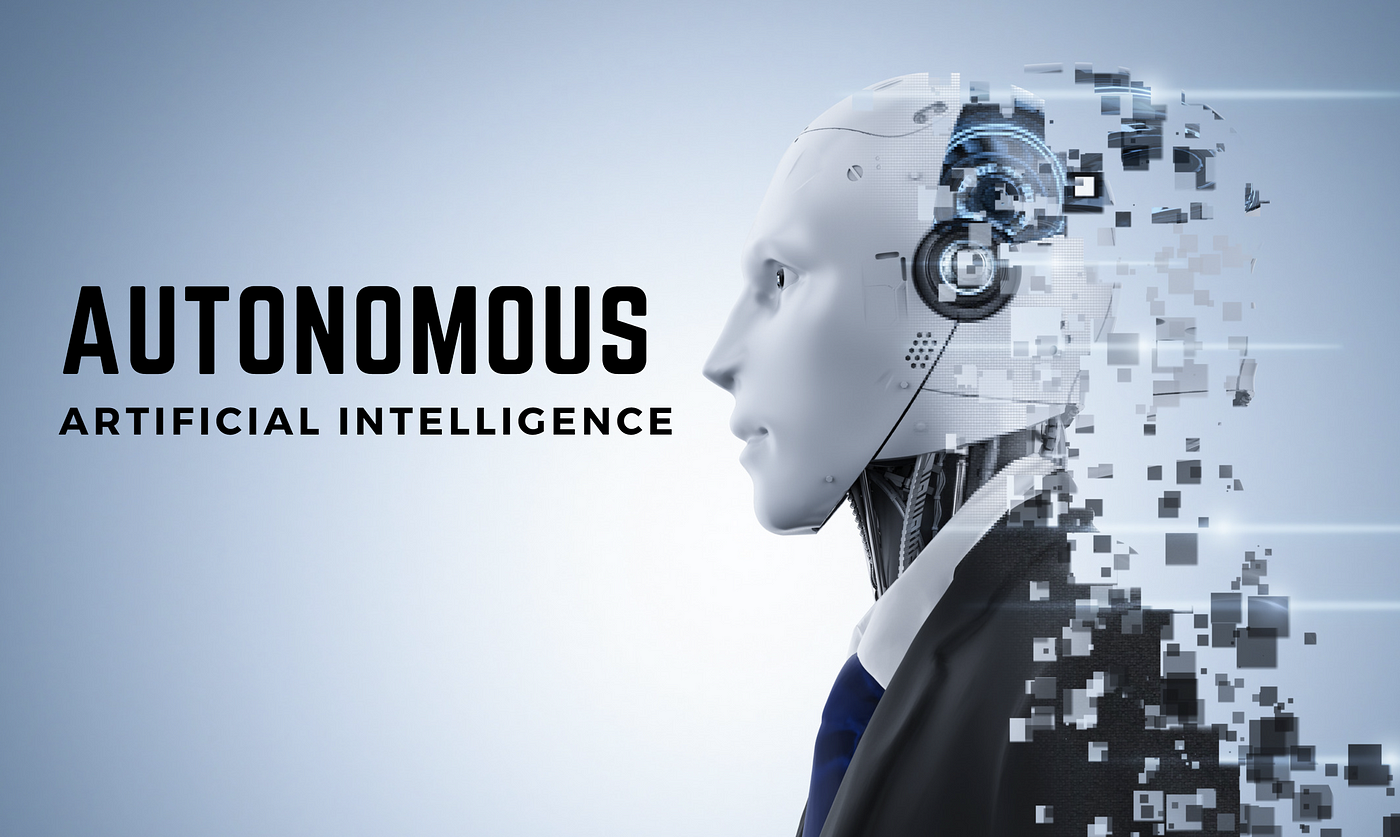

The emergence of autonomous AI agents signifies a revolutionary shift in how we interact with technology. Unlike traditional chatbots that merely respond to queries, these personal AI agents are engineered to perform a diverse range of tasks, integrating seamlessly with various applications to enhance our daily digital experiences. With the ability to automate routine activities, such as managing calendars and handling email communications, autonomous AI agents are poised to redefine the concept of AI for consumer use. Pioneered by innovative companies like ai.com under the leadership of Kris Marszalek, this next generation of AI task automation promises not just efficiency but also a striking sense of autonomy. As we look towards AI agents in 2026, the landscape will undoubtedly be transformed by these intelligent systems that act on our behalf, continually learning and adapting to better serve individual user needs.
Autonomous virtual assistants represent a monumental leap in artificial intelligence capabilities, moving beyond the confines of mere dialogue. Envisioned as proactive agents, these intelligent systems are crafted to manage tasks effectively across numerous platforms, delivering convenience and support to users like never before. As these innovative technologies take shape, they embody a significant stride towards achieving sophisticated AI functionalities, where machines function independently and adaptively. Under the guidance of industry leaders, the development and deployment of personal autonomous agents signal a transformative era in user interactions, with implications that resonate across various sectors, from productivity enhancement to personal assistance.
| Feature | Description |
|---|---|
| Personal AI Agent Creation | Users can create agents within 60 seconds, with no coding required. |
| Task Automation | Agents perform various tasks across different applications, such as sending messages and managing calendars. |
| Learning and Adapting | Agents can develop new functionalities autonomously as needed, enhancing their skills. |
| Decentralized Enhancements | Improvements learned by one agent are shared across the network, creating a flywheel effect. |
| Privacy and Security | Agents operate in secure environments with user-controlled permissions and encrypted data. |
| Regulatory Challenges | Potential regulatory scrutiny regarding accountability and safety as capabilities expand. |
Summary
Autonomous AI agents represent a significant shift in the landscape of artificial intelligence, moving from conversational interfaces to practical execution of tasks for users. With the ability to create a personal AI agent easily, users can leverage automation to enhance productivity across various applications. However, as these agents become more autonomous and capable, it is crucial to address the implications around safety, privacy, and regulatory compliance. The evolution of autonomous AI agents thus paves the way toward a future where AI can perform diverse tasks with human-like proficiency, ultimately accelerating advancements toward artificial general intelligence.
Introduction to Autonomous AI Agents
The advent of autonomous AI agents marks a significant shift in how artificial intelligence interacts with users. Unlike traditional chatbots that merely respond to inquiries, these personal AI agents are designed to take action on behalf of the user. This means less time spent on mundane tasks and more time focusing on what truly matters. In just about 60 seconds, users can create their own personal AI agents without the need for complex coding. This capability democratizes access to advanced AI technologies, empowering individuals to automate their tasks and streamline their daily activities.
Moreover, the innovative features of these autonomous AI agents extend beyond simple tasks. They can learn and adapt over time, developing new skills as needed. By leveraging AI task automation techniques, these agents can manage calendars, send messages, and even initiate complex workflows. This continuous improvement mechanism not only benefits the individual agent but also enhances the overall network of agents. With each interaction, agencies can learn from one another, creating an ecosystem that becomes increasingly efficient and effective in supporting user needs.
The Vision Behind AI Agents for Consumer Use
Kris Marszalek, the CEO of ai.com, presents a compelling vision for the future of consumer AI. His leadership aims to position ai.com as a leading platform for personal AI agents by merging advanced AI capabilities with user-friendly accessibility. This approach signifies a shift away from viewing AI as a niche technological solution towards embracing its role in everyday consumer applications. By 2026, Marszalek hopes to see a thriving community of AI agents actively participating in users’ lives, aptly demonstrating how AI can move from mere conversation to proactive engagement.
The goal is not only to make AI more accessible but also to foster a decentralized network of billions of autonomous AI agents. This vision aligns with the broader ambitions of achieving artificial general intelligence (AGI), where AI systems exhibit human-like proficiency in a variety of tasks. Such a transformation could usher in new possibilities for consumer use, where AI agents not only assist but also collaborate with users to make data-driven decisions and perform actions that enhance productivity and competence. As the capabilities of these agents expand, so too does the potential for consumer empowerment through AI.
Exploring AI Agents Expected in 2026
With a promising launch slated for February 8, 2026, ai.com is geared up to transform how users engage with AI agents. Set against the backdrop of Super Bowl LX, the company is determined to showcase the capability of AI agents to revolutionize daily tasks. These agents represent the culmination of years of research and development in AI for consumer use, melding cutting-edge technology with user-centric design. By offering a seamless user experience, ai.com hopes to attract a broad audience, from tech enthusiasts to everyday users seeking efficiency and assistance in their daily routines.
As we progress towards 2026, there is a clear trend of AI agents evolving from mere interface facilitators to comprehensive task performers. This evolution will require continuous innovation and adaptation. Consumers can expect AI agents to handle a wider range of activities, including managing investments, negotiating deals, or even engaging in social media interactions. Importantly, the anticipated developments in AI agents may set new standards in user experience, privacy, and accountability, inviting users to trust these systems to manage increasingly sensitive and complex tasks.
Balancing Autonomy with Privacy and Security
The launch of autonomous AI agents brings with it a crucial conversation about privacy and security. As these agents operate with increased autonomy, the implications of their actions pose significant challenges. The developers at ai.com emphasize that security is paramount in their design. Each agent is isolated in a secure environment, ensuring that user data is protected through advanced encryption methods. This architecture not only reassures users about their privacy but also limits the scope of what agents can do based on explicit user permissions, fostering trust in this new technology.
However, as the functionalities of these agents expand to include financial transactions and interactions with third-party systems, scrutiny from regulators is inevitable. Questions about accountability and the delegation of responsibilities when an AI agent makes a mistake become critical discussions. The challenge lies in ensuring that consumer autonomy can flourish within a framework that mitigates risks. As ai.com works towards integrating features like agent marketplaces and social networks, the balance between innovation and security will be pivotal in shaping the future landscape of consumer AI services.
Kris Marszalek’s Leadership and Future Innovations
Kris Marszalek’s impact on the AI landscape cannot be overstated. With his extensive background in the cryptocurrency industry and a vision for consumer-centric AI, he is uniquely positioned to drive the mission of ai.com forward. His approach focuses on constructing a platform that is accessible and scalable, fostering the development of personal AI agents that can genuinely act on behalf of users. Marszalek’s leadership is key to navigating the transition from traditional AI applications to an integrated future where AI systems autonomously perform tasks, making life more efficient for users.
As Marszalek continues to champion AI innovations, the potential for these agents extends beyond their initial functions. His belief in a decentralized network means that users will not only benefit from personal agents but will also contribute to a broader ecosystem of knowledge exchange and resource sharing. This fosters a culture of collective growth, where every agent’s experience can enhance the capabilities of others. By focusing on both user experience and advanced functionality, Marszalek is steering ai.com to a pivotal role in the future of AI—paving the way towards a genuinely interconnected and intelligent digital world.
The Future of AI Task Automation
AI task automation is poised to reshape how we interact with technology in our daily lives. With autonomous AI agents, users can offload repetitive tasks—such as scheduling meetings, sending reminders, or managing communications—to their personal agents, freeing up valuable time for more critical engagements. This level of automation empowers users to delegate mundane responsibilities to intelligent systems equipped to handle complex workload management. As the capabilities of these agents evolve, so will the potential for advanced task automation that goes far beyond today’s basic functionalities.
By leveraging AI task automation, individuals can harness the power of these agents to optimize their productivity and efficiency. The ripple effect of this technology extends to businesses as well, where companies can streamline operations through the integration of autonomous agents. These tools not only enhance individual performance but also foster collaboration within teams. In the long run, the shift towards AI-driven task automation signifies a pivotal change in how we perceive our interactions with technology, encouraging a future where AI acts as a valuable extension of ourselves rather than just tools.
Navigating Regulatory Challenges for AI Agents
As the capabilities of autonomous AI agents expand, navigating the regulatory landscape becomes increasingly important. Governments and regulatory bodies are paying close attention to how AI systems operate, particularly concerning privacy, security, and accountability. The innovative approach taken by ai.com highlights the necessity to establish a framework that protects user data while allowing for the efficient operation of AI agents. Success in this arena will depend on maintaining transparency in how these agents function, particularly when it comes to handling sensitive information.
Future development of regulations will need to address potential misuse of AI agents, especially as their capabilities to interact with financial platforms and execute transactions grow. Collaborative efforts between companies like ai.com and regulatory authorities will be crucial in setting the groundwork for responsible AI use. This partnership is vital to ensure that while innovation accelerates, consumer safety is not compromised, allowing for a secure and sustainable environment for the growth of autonomous AI agents.
User-Friendly Innovations in Personal AI Agents
User-friendly innovations are at the core of what makes autonomous AI agents appealing to a broad demographic. ai.com’s commitment to simplifying the creation of personal AI agents allows users to generate their own agents without needing to understand the complexities of AI technology. This ease of access is a significant factor in driving wider adoption of AI for consumer use, making the technology more approachable for people from all walks of life. As these agents become more intuitive and responsive, users will find themselves engaging with AI in ways they never thought possible.
Moreover, by utilizing feedback from users, ai.com is creating a dynamic ecosystem where personal AI agents continually evolve based on actual user interactions. This focus on enhancing the user experience not only allows agents to perform better but also aligns with consumer expectations for personalization. As a result, the future promises increasingly sophisticated agents that learn from their environment and user preferences, positioning ai.com as a leader in consumer AI innovation.
The Implications of Autonomous Agents for Everyday Life
The introduction of autonomous AI agents is expected to have profound implications for everyday life. As these intelligent systems begin to manage a variety of tasks, users can expect an uptick in productivity and a reduction in stress associated with daily planning and coordination. Imagine being able to engage with an AI that not only understands your preferences but also anticipates your needs. This kind of interaction will reshape our daily routines and enhance our ability to focus on what truly enriches our lives.
Furthermore, as AI agents become more integrated into daily activities, there will be potential social implications to consider. The nature of work-life balance may shift as autonomous agents facilitate smoother transitions between professional obligations and personal time. While this advancement brings about increased efficiency, it challenges users to adapt to a new relationship with technology, where machines not only assist but actively participate in our daily lives. This shift underscores the importance of embracing AI responsibly, ensuring that technological evolution aligns with societal values.
Frequently Asked Questions
What are autonomous AI agents and how do they function?
Autonomous AI agents are advanced artificial intelligence systems designed to perform tasks and make decisions independently, rather than just engaging in conversation. They can organize work, manage schedules, automate workflows, and create new tools when needed, all without requiring coding from users.
How can I create a personal AI agent with ai.com?
Creating a personal AI agent on ai.com is a quick and straightforward process that takes less than 60 seconds. There’s no coding involved; users simply follow the prompts to set up their agent, which can then start performing various tasks tailored to individual needs.
What distinguishes personal AI agents from traditional chatbots?
Unlike traditional chatbots that primarily respond to user queries, personal AI agents are capable of executing tasks across multiple applications. They not only communicate but also automate workflows, manage tasks, and even evolve to add new functionalities autonomously, enhancing the overall user experience.
How do AI agents improve their capabilities over time?
AI agents improve their capabilities through a network where enhancements made by one agent can be shared with others. This shared learning process allows all agents to become more efficient and skilled as they adapt and refine their functionalities based on new tasks and requirements.
What role does Kris Marszalek play in the development of autonomous AI agents?
Kris Marszalek, the co-founder and CEO of ai.com, oversees the development of autonomous AI agents, promoting the platform as a comprehensive solution for AI consumer use. His leadership experience from Crypto.com positions ai.com to evolve AI technology from a niche tool to a mainstream application in daily life.
When will ai.com officially launch its autonomous AI agents?
ai.com plans to officially unveil its autonomous AI agents on February 8, 2026, with a high-profile advertising launch during Super Bowl LX, marking a significant moment in the advancement of AI for consumer use.
What are the privacy and safety measures for autonomous AI agents?
Each autonomous AI agent operates within a secure framework where user data is encrypted, and actions are strictly governed by user permissions. This aims to ensure safety and accountability as these agents perform tasks that may involve sensitive functions.
What potential challenges does the deployment of AI agents bring?
The deployment of autonomous AI agents raises concerns around safety, privacy, and regulatory compliance. Questions regarding accountability arise, especially if agents engage in high-stakes actions like financial transactions, where the implications of errors can be significant.
Will autonomous AI agents have financial capabilities?
While details are still being finalized, there are considerations for autonomous AI agents to integrate financial functionalities. If enabled, they may manage transactions, trading, or other financial interactions, emphasizing the need for strict regulatory oversight to protect consumers.
How might autonomous AI agents lead to advancements in artificial general intelligence (AGI)?
Autonomous AI agents could contribute to the development of AGI by operating in a decentralized network, allowing them to learn and enhance their skills collectively. This collaborative evolution could accelerate the journey toward creating AI systems capable of performing diverse tasks with human-like proficiency.