
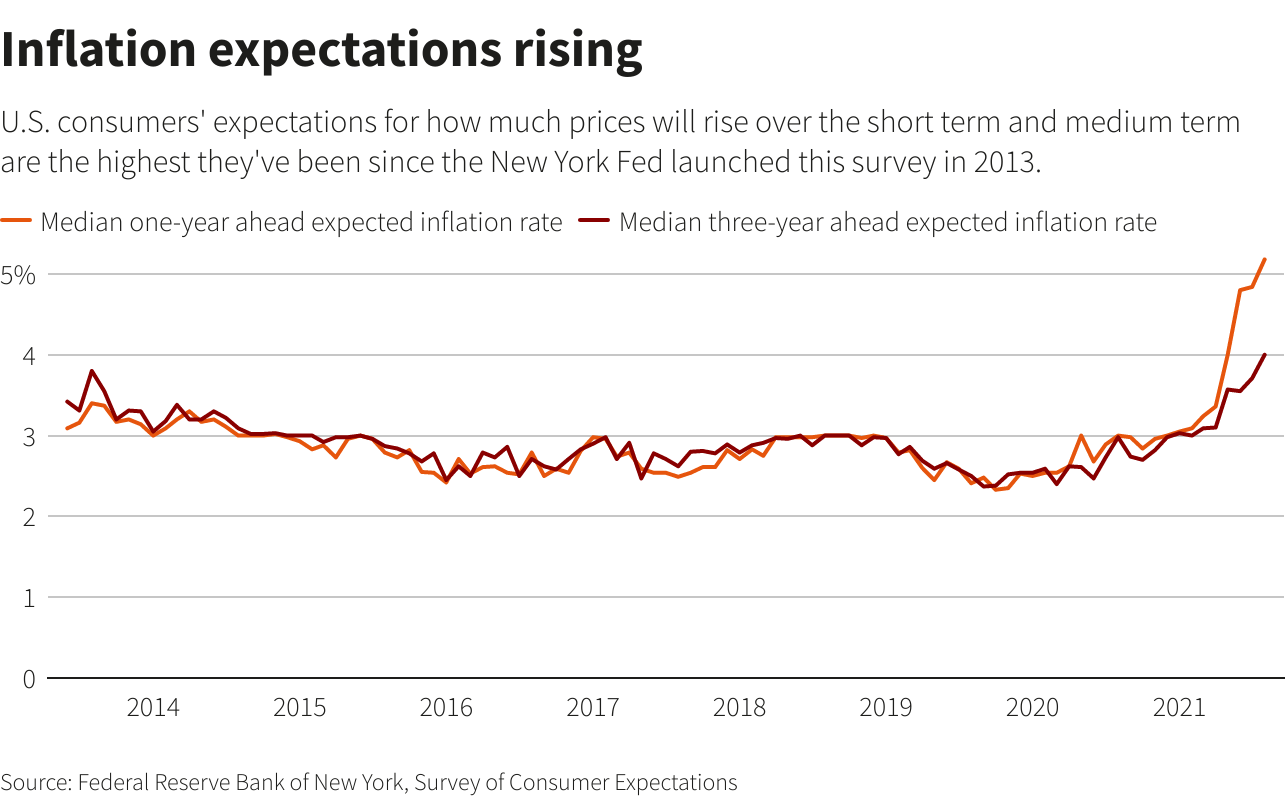

U.S. inflation expectations are a crucial indicator of the nation’s economic future, revealing a current year-on-year expectation of 3.5% for February. As consumers remain vigilant of rising prices, the anticipation of inflation reaching 4% looms large in discussions about the economic outlook for 2023. Concurrently, the preliminary consumer confidence index from the University of Michigan indicates a slight uptick, sitting at 57.3, which is vital for understanding consumer sentiment amidst these fluctuations. The February inflation news paints a complex picture where economic stability is intertwined with consumer behavior and spending habits. Hence, tracking these trends, including the Michigan Consumer Index, is essential in deciphering how expectations shape our financial landscape moving forward.
The outlook for the U.S. economy intricately weaves together public sentiment and financial forecasts, particularly as we delve into 2023 inflation patterns. With a significant narrative emerging around anticipated price changes, many are keenly observing how these forecasts influence consumer behavior and spending confidence. The Michigan Consumer Index serves as a barometer for gauging economic sentiment, while recent patterns in inflation statistics highlight a growing concern. As we analyze February’s insights, it becomes evident that public perception of inflation plays a pivotal role in shaping overall economic stability. Understanding these dynamics is key to navigating through the uncertainties of the current financial climate.
| Metric | February Value | Expectations | Previous Value |
|---|---|---|---|
| Year-on-Year Inflation Expectation | 3.5% | 4% | 4.00% |
| Consumer Confidence Index (University of Michigan) | 57.3 | 55 | 56.4 |
Summary
U.S. inflation expectation in February stands at 3.5%, lower than the expected rate of 4% and the previous rate of 4.00%. This data indicates a moderation in inflation concerns among consumers, as reflected by the preliminary consumer confidence index of 57.3, which surpasses expectations of 55 but remains slightly below the previous month’s figure of 56.4. Understanding these metrics is essential for assessing the overall economic outlook in the U.S.
Understanding U.S. Inflation Expectations for February 2023
In February 2023, U.S. inflation expectations are positioned at a notable 3.5%, reflecting a cautious optimism in economic outlook assessments. This shift in expectation, down from a previous stable figure of 4.00%, signals potential changes in both consumer behavior and market dynamics. Economists are closely monitoring this trend, as any fluctuation in inflation can have cascading effects on spending and investment patterns across various sectors.
Furthermore, the Consumer Price Index (CPI), which measures the average change over time in the prices paid by urban consumers for a market basket of consumer goods and services, is a critical indicator of inflation trends. The anticipated inflation figures for February suggest that consumers may expect a slight easing in price pressures, which could affect their purchasing power and overall consumer confidence.
The Michigan Consumer Confidence Index and Its Implications
The preliminary consumer confidence index from the University of Michigan for February stands at 57.3, a modest increase from January’s figures, indicating a growing sense of optimism among consumers. This uptick suggests that households are more willing to engage in spending, likely influenced by the current inflation expectations. A stable consumer confidence index often correlates with increased consumer spending, which is critical for sustaining economic growth.
Moreover, the Michigan consumer index serves as a barometer for gauging public sentiment toward the economy. With expectations rising to 55, coupled with previous values like 56.4, this stability may reflect individuals’ reassurances about their financial prospects. Analysts suggest that a rising confidence index, even in the face of uncertain inflation trends, typically encourages businesses to invest more robustly, helping to fuel economic activity.
February Inflation News: Insights and Projections
February’s inflation news comes at a critical juncture for the U.S. economy. With inflation expectations adjusted to 3.5%, there is a consensus among financial analysts predicting that interest rates may need to be recalibrated to align with these trends. This means that the Federal Reserve’s monetary policy could see shifts in response to these inflation dynamics, as keeping inflation in check is crucial for sustainable growth.
The rising inflation expectations, even though lower than previous months, require vigilant tracking by policymakers. Analysts are keenly observing how these projections will resonate in the broader economic environment as they assess upcoming fiscal strategies. Moreover, public response to February’s inflation news plays a vital role in shaping consumer confidence and economic behaviors moving forward.
2023 Economic Outlook: Navigating Inflation Landscape
The economic outlook for 2023 remains cautiously optimistic in light of January’s inflation figures show clear signs of moderating price increases. The earlier spikes in inflation, reaching highs in prior months, have tempered consumer expectations for the coming year. As inflation expectations adjust, sectors reliant on discretionary spending may see a renewed vigor, suggesting a potential rebound in various consumer-driven industries.
Moreover, key economic indicators, particularly surrounding consumer confidence, will be instrumental in steering the future direction of the economy. With the current inflation expectations showing signs of improvement, businesses should brace for shifts in demand as consumers adjust their spending habits, influenced by both price stability and improved confidence after a long standoff with higher inflation rates.
Inflation Trends: Analyzing 2023 Consumer Behavior
The trends observed in 2023 highlight a significant shift in consumer behavior as inflation pressures begin to ease. The moderate inflation expectations forecast for February suggest consumers are feeling more secure in their financial outlooks. Such sentiments can alter purchasing decisions and result in increased spending in various sectors, particularly in travel, retail, and entertainment, which are often directly impacted by consumer confidence.
As businesses adapt to these evolving trends, they will likely focus on ensuring price competitiveness and enhancing customer experiences. Understanding the implications of inflation trends will guide companies in cultivating customer loyalty, as consumers lean towards brands that offer value amidst changing economic conditions.
The Role of the Consumer Confidence Index in Forecasting Inflation
The Consumer Confidence Index serves as a pivotal measure that reflects consumer sentiment towards the economy, shedding light on future spending patterns. Given the released figures for February, with a confidence index at 57.3, financial analysts are keen on how these consumer perspectives may predict upcoming adjustments in inflation and economic activities. An increased confidence index typically translates into higher consumer spending, which could further influence inflationary pressures.
With the interplay of consumer confidence and inflation expectations, businesses and policymakers are positioned to make informed decisions that will impact economic strategies for the year. Enhanced consumer confidence often leads to higher overall economic output, bolstering recovery efforts as the nation emerges from previous inflationary hardships.
February in Review: Inflation and Consumer Insights
As we reflect on February’s economy, the interplay between inflation expectations and consumer confidence presents interesting insights. The preliminary 3.5% inflation expectation indicates an easing of prior concerns shared by many consumers and businesses. This signal is crucial in understanding how consumers are interpreting their financial situations in light of broader economic trends.
Moreover, observing the stability of the consumer confidence index in February reflects ongoing adjustments in the economic landscape. Cautiously optimistic consumers tend to drive market dynamics, solidifying their place as vital players in the economy’s recovery plans. The aggregate of these insights provides a valuable narrative for understanding February’s economic behaviors and projecting future trends.
Analyzing Economic Expectations in the Context of Inflation
Inflation expectations serve as a crucial element for discerning economic conditions for 2023. As reported inflation expectations have proven to be at 3.5%, it raises questions on how this data will influence economic policy and consumer behavior moving forward. Adjusted consumer perceptions are critical for shaping sustainable growth, leading businesses to strategize accordingly.
Moreover, as we dive deeper into economic expectations, keeping a close watch on driver indicators such as the Consumer Confidence Index can provide vital clues on the direction of the economy. Monitoring these indicators closely can help policymakers and businesses navigate through potential economic uncertainties while capitalizing on emerging opportunities in a fluctuating marketplace.
Future Implications of Current Inflation Trends
The trends surrounding inflation for February might yield significant future implications as consumers and businesses alike adjust to changing economic realities. Expected inflation levels at 3.5% are already reshaping spending behavior, with increased consumer confidence potentially driving demand within sectors most sensitive to economic fluctuations.
Analyzing current inflation trends, along with the evolving consumer confidence index, suggests a roadmap for recovery and shaping of fiscal policies in 2023. If inflation continues to stabilize, consumers may feel empowered to increase their spending, leading to a virtuous cycle that could stimulate economic growth in response to improved consumer sentiment.
Frequently Asked Questions
What are the current U.S. inflation expectations for February 2023?
In February 2023, the initial year-on-year inflation expectation in the U.S. is recorded at 3.5%, with market expectations slightly higher at 4%. This marks a change from the previous reading which was also at 4.00%.
How do February inflation news impact consumer confidence indexes in the U.S.?
The February inflation news showing a year-on-year expectation of 3.5% may influence consumer confidence indexes, such as the preliminary University of Michigan consumer confidence index, which is reported at 57.3. This suggests a cautious but stable outlook among consumers despite fluctuating inflation expectations.
What influences the economic outlook for 2023 regarding U.S. inflation expectations?
The economic outlook for 2023 concerning U.S. inflation expectations is influenced by several factors, including trends in inflation rates, consumer confidence, and overall economic performance. The current expectation of 3.5% could guide policy decisions and consumer behavior throughout the year.
How is the Michigan consumer index related to U.S. inflation expectations in February?
The Michigan consumer index for February, showing a figure of 57.3 compared to expectations of 55, reflects consumer sentiment in the context of U.S. inflation expectations. A higher index indicates that consumers may feel more optimistic despite inflation concerns, potentially influencing spending patterns.
What can we expect from inflation trends in 2023 based on February’s data?
Based on February’s data, with a year-on-year inflation expectation of 3.5% and consumer confidence indexes showing positive trends, we may expect moderate inflation trends in 2023. However, vigilance is required as changes in economic conditions could alter these expectations.