


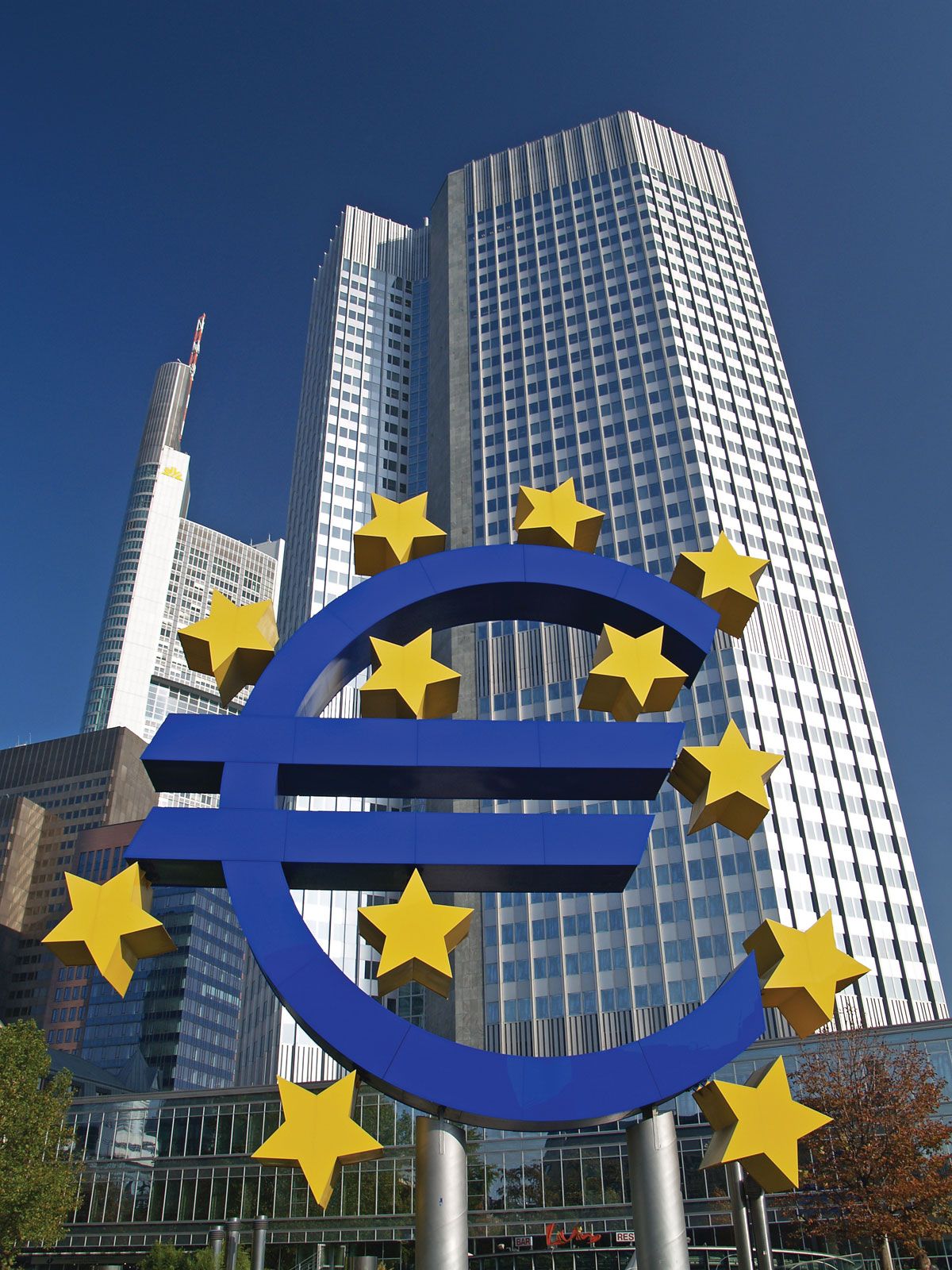

The European Central Bank (ECB) plays a pivotal role in shaping monetary policy across Europe and is crucial for the region’s financial stability. Recently, the ECB has issued a call for urgent collective action from EU leaders focusing on five critical areas, including the implementation of a digital euro. As the EU navigates complex economic challenges, the central bank emphasizes the need for robust investment unions to bolster growth. With its commitment to enhancing EU economic policy, the ECB aims to fortify the institutional frameworks that underpin financial stability in Europe. This proactive approach reflects the ECB’s determination to address pressing economic issues collaboratively and effectively.
The central banking authority of Europe, known as the ECB, is integral to maintaining economic stability across the continent. This institution has recently highlighted the significance of a coordinated response among EU member states regarding various pressing issues, notably the introduction of a digital euro. Additionally, discussions surrounding a unified investment framework have become central to ongoing economic policies in the European Union. The call for unity emphasizes a collective approach to foster economic growth and financial resilience in Europe. As such, the ECB’s initiatives are crucial in shaping policies that directly impact the economic landscape of the EU.
| Key Areas | Details |
|---|---|
| Digital Euro | Advocacy for the development of a digital euro as part of the EU’s economic future. |
| Savings | Encouragement to enhance savings mechanisms across the EU to support financial stability. |
| Investment Union | Promotion of a more integrated investment union to foster economic growth within the EU. |
| Core Institutional Frameworks | Call for strengthening the key institutional frameworks that underpin the EU’s economy. |
| Collective Action | A focus on the need for collaboration among EU leaders to implement these changes efficiently. |
Summary
The European Central Bank has issued a critical call to action, emphasizing the need for collective efforts from EU leaders in key economic areas, including the digital euro. By reinforcing institutional frameworks and promoting initiatives in savings and investment, the European Central Bank aims to bolster economic stability and growth within the EU. This urgent request highlights the importance of unity and proactive measures to navigate the future of the European economy.
The Role of the European Central Bank in Implementing a Digital Euro
The European Central Bank (ECB) is at the forefront of the transition towards a digital euro, as it recognizes the necessity of adapting to an increasingly digital economy. The digital euro could revolutionize the way transactions occur in the Eurozone, enhancing efficiency and security. The ECB’s initiative stems from the need to provide a reliable and stable digital currency that complements existing cash and payment methods, ensuring that all citizens have access to modern financial tools.
Moreover, the implementation of the digital euro is not just a technological advancement; it is a response to geopolitical shifts and the growing prominence of digital currencies globally. By advocating for a digital euro, the ECB aims to maintain financial stability in Europe and safeguard the euro’s status as a global currency. This initiative requires close cooperation among EU member states to design a robust regulatory framework that prevents risks while promoting innovation.
Urgent Collective Action to Strengthen EU Economic Policy
The European Central Bank has called for urgent collective action in response to current economic challenges faced by EU member states. This strategic approach emphasizes the need for a cohesive EU economic policy that addresses critical areas such as savings and investments. The ECB’s checklist highlights how interconnectivity among EU economies can foster resilience, enabling them to respond effectively to future crises.
Collective action within the EU framework is essential to enhance the investment union. By working together, nations can pool resources, share expertise, and invest in infrastructure and technology that propel economic growth. The ECB stresses that this collaborative approach will not only stabilize individual economies but will also reinforce the overall framework of financial stability across Europe.
Strengthening the financial institutions and enhancing safeguards against economic uncertainties are paramount. The ECB envisions a future where combined efforts can lead to sustainable economic practices that support all member states while fostering innovation and stability. Collectively, the EU can address specific challenges while preparing for the realities of a digital economy.
Building an Investment Union for the Future of Europe
The concept of an investment union is critical in the context of EU economic policy. The European Central Bank highlights that a unified approach to investments can significantly boost economic growth across member states. By channeling resources into innovative projects and technologies, the EU can propel economic development while creating job opportunities and strengthening its competitive edge globally.
In pursuing this investment union, EU leaders must consider strategic sectors such as renewable energy, technology, and infrastructure, which are vital for sustainable development. The ECB’s checklist underscores the importance of facilitating smooth cross-border investments that enable smaller economies to tap into larger markets. This collaboration can maximize economic benefits and enhance collective security across the region.
Ensuring Financial Stability in Europe
Financial stability in Europe is a foundational goal for the European Central Bank and all EU member nations. The ECB has raised concerns about potential vulnerabilities in the banking system and market fluctuations that could jeopardize economic growth. To mitigate these risks, the ECB advocates for robust financial regulations and proactive monitoring mechanisms that can adapt to changing economic landscapes.
Establishing a resilient financial system is crucial in today’s interconnected global economy. By reinforcing regulatory frameworks and enhancing transparency, the ECB aims to build investor confidence and safeguard against systemic risks. Collaboratively, EU member states can work towards creating a financial ecosystem that promotes stability and growth, ensuring that Europe remains an attractive destination for investors.
Challenges and Opportunities in the EU Economic Landscape
The current economic landscape presents both challenges and opportunities for the European Union. The European Central Bank outlines critical issues such as inflation, fluctuating currency values, and supply chain disruptions that need to be addressed through collective strategies. These challenges can serve as catalysts for change, prompting member states to innovate and collaborate more effectively.
Conversely, the changing economic environment allows the EU to reconsider traditional economic policies. By embracing new digital solutions and prioritizing investments in technology, the EU can transition towards a more resilient economy. The collective ambition to confront these challenges will drive a wave of innovation, potentially leading to stronger cohesion among member states and enhanced economic performance.
The Future of the Digital Euro and Its Impact on Consumers
The digital euro initiative is poised to reshape the consumer experience in Europe. As the European Central Bank works towards implementing this digital currency, consumers can expect significant changes in how they conduct transactions. With enhanced security features and instantaneous payment processing, the digital euro aims to create a more convenient and efficient payment system for all.
Furthermore, the digital euro could help bridge gaps in financial access, particularly for those who are unbanked or underbanked. By providing a government-backed digital currency, the ECB envisions a future where all individuals have equitable access to financial services, fostering greater financial inclusion. This progressive approach aligns with broader EU goals of collective action and economic stability.
Collaborative Strategies for Achieving Economic Resilience
The European Central Bank advocates for collaborative strategies among EU member states to ensure economic resilience in the face of adversity. By working together, countries can share best practices and resources to tackle common challenges, such as economic downturns and financial crises. The need for coordinated efforts is evident as Europe navigates shifting global economic dynamics.
Moreover, these collaborative strategies entail aligning policies that govern savings, investments, and even the implementation of the digital euro. By harmonizing regulatory frameworks, member states can create a more predictable economic environment that encourages investment and fosters growth. The ECB emphasizes that unity in action is vital to overcoming hurdles and achieving lasting stability across the EU.
The Impact of Digital Currency on Future Economic Policies
Digital currencies, spearheaded by the European Central Bank with the digital euro initiative, could significantly influence future economic policies. The complexity of integrating a digital euro into existing financial frameworks presents both opportunities and obstacles. Policymakers must carefully assess the implications of introducing a digital currency, ensuring that it complements existing financial infrastructures while addressing emerging challenges.
In this evolving landscape, embracing technological innovation will be crucial. The digital euro has the potential to streamline transactions and foster economic activities across member states. As the ECB collaborates with local authorities to shape policies around this digital currency, it will be essential to establish clear guidelines that promote stability while encouraging growth and adaptation in a rapidly changing world.
The Dynamics of Financial Stability and Economic Opportunities
Understanding the dynamics of financial stability is vital for nurturing economic opportunities within the EU. The European Central Bank plays a pivotal role in establishing a secure ecological framework for financial activities. By proactively addressing potential risks and designing strategies that enhance stability, the ECB lays the groundwork for a prosperous economic environment.
Economic opportunities are closely linked to the effectiveness of financial frameworks in place. A stable economic environment allows businesses to thrive, facilitates investments, and encourages innovation. The ECB’s focus on collaborative action is essential for fostering a resilient economy that can adapt to future challenges while reaping the benefits of collective growth across the European Union.
Frequently Asked Questions
What is the role of the European Central Bank in promoting the digital euro?
The European Central Bank (ECB) plays a pivotal role in the development of the digital euro, aiming to modernize payments within the Eurozone. It seeks to provide a secure and efficient form of digital currency that complements existing cash and satisfies the changing needs of consumers.
How does the European Central Bank’s economic policy impact financial stability in Europe?
The European Central Bank’s economic policy directly influences financial stability in Europe by implementing measures that control inflation, stabilize prices, and ensure a resilient banking system, thus fostering a secure economic environment.
Why is there a need for an investment union as per the European Central Bank’s recommendations?
An investment union is necessary according to the European Central Bank to enhance cross-border investments within the EU, which boosts economic growth and resilience. Such a union can facilitate better resource allocation and support sustainable projects across member states.
What collective actions has the European Central Bank called for from the EU?
The European Central Bank has called for urgent collective action from the EU focusing on key areas such as enhancing the digital euro framework, fostering an investment union, and strengthening financial systems to improve overall economic stability.
How does the European Central Bank’s push for a digital euro relate to EU economic policy?
The push for a digital euro is a crucial component of EU economic policy as it aims to enhance financial inclusion, promote innovation in the payment system, and maintain the relevance of the Euro in a rapidly digitizing global economy.