
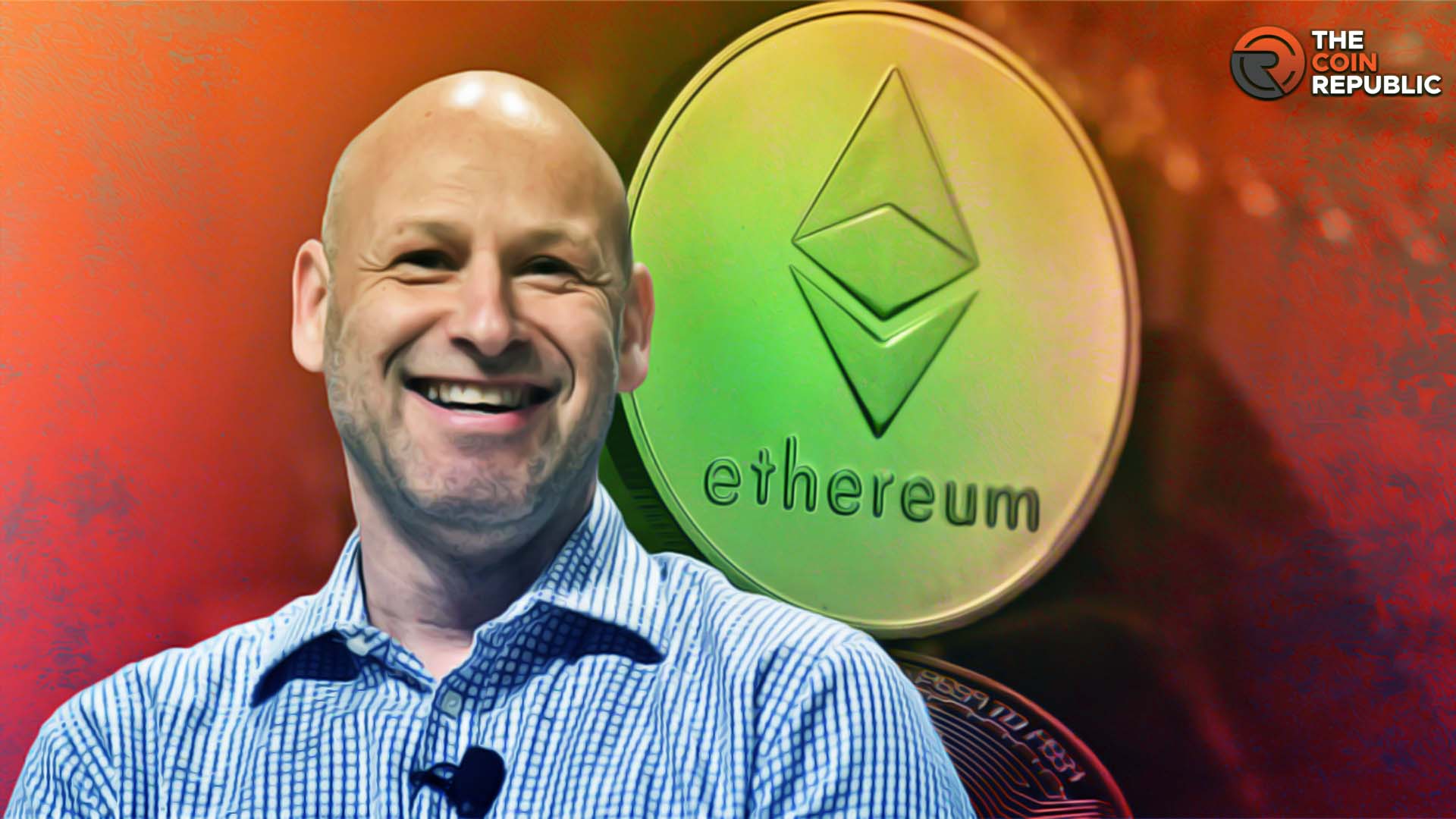

Joseph Lubin, a prominent figure in the cryptocurrency world and an Ethereum co-founder, has made headlines recently as his Ethereum wallet showcases impressive figures. Holding a staggering $287 million in ETH, this wallet is a testament to Lubin’s pivotal role in the blockchain ecosystem. Onchain Lens reports that he has engaged with decentralized finance by borrowing $107 million in DAI, a stablecoin integral to MakerDAO. In addition to this, Lubin has deposited 15,000 ETH into MakerDAO, solidifying his influence in the decentralized finance landscape. As the crypto community watches closely, the latest Ethereum wallet stats highlight Lubin’s strategic moves amidst evolving Ethereum co-founder news.
In the dynamic realm of cryptocurrency, the Ethereum wallet associated with Joseph Lubin stands out due to its substantial holdings and strategic borrowing. As a key innovator in the Ethereum project and founder of Consensys, Lubin’s wallet not only reflects his significant net worth but also his active participation in the DeFi sector. Recently, he engaged with MakerDAO by depositing a significant amount of ETH and borrowing DAI, underlining the growing trend of decentralized lending and borrowing. This wallet serves as a crucial asset in navigating the rapidly changing landscape of digital currencies. With a keen eye on DAI borrowing trends for 2026 and the overall impact on the crypto market, Lubin continues to shape the future of decentralized finance.
| Key Point | Details |
|---|---|
| Total ETH Held | 137,900 ETH (valued at $287 million) |
| ETH Deposited into MakerDAO | 15,000 ETH (worth $31.43 million) |
| DAI Borrowed | $107 million in DAI |
Summary
The Joseph Lubin Ethereum wallet showcases a significant financial activity as it currently holds an impressive $287 million in ETH, a strategic position that highlights Lubin’s continued influence in the cryptocurrency sector. Having also borrowed $107 million in DAI, this wallet reflects the robust engagement of Ethereum’s co-founder with decentralized finance. The investments and borrowings associated with the Joseph Lubin Ethereum wallet exemplify the innovative potential of blockchain technology in modern finance.
Joseph Lubin Ethereum Wallet Insights
Joseph Lubin, one of the prominent figures in the cryptocurrency space and a co-founder of Ethereum, possesses a wallet that currently holds a staggering $287 million worth of ETH. This significant amount reflects not only his personal investment but also his enduring belief in the potential of Ethereum. Recently, Lubin has been involved in MakerDAO, a decentralized finance platform, where his participation underscores his commitment to the development of decentralized finance (DeFi) solutions. With 15,000 ETH deposited into MakerDAO, worth over $31 million, he has ventured into the intricacies of DeFi, signaling a strong support for emerging financial ecosystems within the blockchain space.
In addition to his holdings, Joseph Lubin has leveraged this Ethereum wallet to borrow 4.1 million DAI, amounting to a $107 million borrowing against his substantial ETH assets. This move aligns with the trends we observe in the DeFi sector, where high-value assets are utilized to unlock liquidity without the necessity of selling. By actively engaging with MakerDAO, Lubin not only enhances the liquidity of his investments but also positions himself as a key player in the ongoing evolution of borrowing and lending practices in blockchain. As Ethereum continues to expand, so does the impact of key figures like Lubin, influencing investor strategies and market dynamics.
Understanding Ethereum Co-Founders in 2026
The role of Ethereum co-founders like Joseph Lubin has never been more critical in the cryptocurrency landscape of 2026. With the market approaching unprecedented valuations, the focus on co-founders’ influence highlights the importance of their strategies and investments. Joseph Lubin, as a co-founder of Ethereum and a prominent advocate for blockchain technology, has made significant strides in both technological advancements and decentralized finance. His actions, including the current substantial holdings and participation in MakerDAO, reflect a strategic approach to managing assets amid the rapidly changing market conditions.
As Ethereum evolves, understanding the strategies utilized by its co-founders can provide valuable insights for investors. Joseph Lubin’s involvement in substantial borrowing activities, such as his recent 107 million DAI loan from MakerDAO, showcases how co-founders leverage their resources to capitalize on market opportunities. This interplay between their extensive knowledge and active engagement in platforms like MakerDAO not only shapes their financial outcomes but also influences user confidence in Ethereum’s ongoing projects. With Ethereum wallet stats indicating significant holdings and borrowing activities, co-founders remain a focal point of analysis for predicting future market movements.
Exploring MakerDAO and DAI Borrowing in Ethereum
MakerDAO, a cornerstone of the DeFi ecosystem, allows users to borrow against their cryptocurrency holdings by issuing DAI, a stablecoin pegged to the US dollar. As Ethereum co-founder Joseph Lubin has demonstrated, the platform enables efficient capital use among crypto investors. By depositing ETH into MakerDAO, users can gain access to liquidity without losing their asset’s potential for appreciation. This practice highlights MakerDAO’s role in the broader DeFi narrative, where borrowing against assets is becoming a popular strategy among savvy investors.
Looking ahead to 2026, DAI borrowing is expected to gain further traction among Ethereum holders, potentially creating a competitive space within the realm of decentralized finance. With investors like Lubin actively participating, the dynamics of DAI borrowing will evolve as more users explore various strategies to capitalize on their crypto assets. This trend suggests a future where engaging with platforms like MakerDAO becomes commonplace, ultimately reshaping the traditional notions of borrowing and lending in finance. As the DeFi landscape matures, keeping an eye on developments related to MakerDAO and Ethereum will be critical for understanding future investment opportunities.
Joseph Lubin’s Net Worth and Market Impact
Joseph Lubin’s net worth, especially in the context of his Ethereum holdings, positions him as one of the wealthiest figures in the blockchain community. The valuation of his Ethereum wallet, currently standing at $287 million, underscores not only his financial acumen but also his significant influence in the cryptocurrency market. As the ecosystem grows, so does the wealth generated by early investors and founders like Lubin, who have effectively harnessed the potential of blockchain technology to achieve remarkable success.
The fluctuations in Lubin’s net worth are indicative of the overall volatile nature of the cryptocurrency market. His investments and strategic movements—such as borrowing 4.1 million DAI—reveal a calculated approach to navigating market risks while capitalizing on potential profits. This proactive engagement emphasizes the critical role of Ethereum co-founders in understanding market trends and shaping the future of decentralized finance. As major players like Lubin take calculated risks, their actions not only impact their fortunes but also influence the broader market sentiment around cryptocurrencies.
Future Trends in Ethereum’s DeFi Landscape
As we progress into 2026, questions surrounding the future of Ethereum’s DeFi landscape become more pronounced. The integration of platforms like MakerDAO, in which Joseph Lubin is actively involved, signifies a profound shift in how investors view their assets. With Ethereum wallet statistics showing substantial holdings and high-volume borrowing, we anticipate further growth in these decentralized financial services. This growth will likely foster innovation, leading to new frameworks that seamlessly combine liquidity provision, lending, and borrowing strategies.
The DeFi ecosystem is expected to diversify, offering new opportunities for investors to engage with their cryptocurrencies in innovative ways. The potential for DAI borrowing will expand as users seek to maximize their financial leverage without selling off their primary assets. The strategies adopted by figures like Lubin will continue to influence the market, setting trends for both individual investors and institutional players. Thus, the intersection of Ethereum’s technological evolution with DeFi applications will shape the landscape of finance in the coming years.
Analyzing Ethereum’s Growth Through Key Metrics
Analyzing Ethereum’s growth involves looking at a variety of metrics, including transaction volumes, wallet statistics, and the usage of DeFi platforms like MakerDAO. With Joseph Lubin’s Ethereum wallet holding impressive amounts of ETH and engaging in significant borrowing actions, it becomes evident that these metrics paint a robust image of Ethereum’s ongoing relevance in the cryptocurrency sphere. Current statistics indicate that participant engagement in DeFi continues to rise, signaling faith in Ethereum’s infrastructure and future scalability.
The ability of Ethereum to support a diverse range of applications, from decentralized finance to non-fungible tokens, reinforces its position as a leader in the market. By focusing on the performance and growth metrics within the DeFi space, including borrowing and lending statistics, investors gain insights into the vitality of the Ethereum network. In this environment, Joseph Lubin’s activities not only contribute to his portfolio growth but also enhance Ethereum’s status as a foundational layer for innovative financial services.
Investigating the Future of Cryptocurrency Borrowing
The landscape of cryptocurrency borrowing is rapidly evolving, particularly with the involvement of influential figures like Joseph Lubin. His engagement with MakerDAO and recent borrowing of DAI exemplifies how crypto investors are utilizing their assets to access liquidity without the need to liquidate. In 2026, we can expect these borrowing practices to gain in popularity, leading to an expanded array of financial tools and products designed for crypto holders.
As more participants enter the DeFi space, advancements in borrowing mechanisms will likely emerge, creating a more comprehensive market for crypto loans. The strategies employed by early adopters like Lubin play a vital role in shaping these developments, as their participation validates the potential of platforms like MakerDAO. Hence, the future of cryptocurrency borrowing will be influenced not only by technological advancements but also by the strategic decisions made by these pioneering individuals.
The Role of Influencers in Shaping DeFi Trends
Influencers like Joseph Lubin are pivotal in shaping trends within the decentralized finance (DeFi) space. As a co-founder of Ethereum, Lubin’s investments and financial strategies hold weight in a rapidly evolving market. By depositing significant amounts into MakerDAO and borrowing DAI, he exemplifies the strategic interactions between asset management and blockchain protocols. This level of engagement from notable figures provides a roadmap for other investors looking to navigate the complexities of DeFi.
The impact of such influencers extends beyond their individual actions; they help to catalyze broader acceptance of DeFi solutions among traditional investors. As more individuals observe the successes and methodologies of influential players like Lubin, it encourages a deeper exploration of decentralized financial products. The way these leaders advocate for and actively participate in DeFi initiatives shapes the discourse around usability and trust within the sector, ultimately driving the adoption of innovative financial tools.
Joseph Lubin’s Influence on the Ethereum Ecosystem
Joseph Lubin’s influence on the Ethereum ecosystem is profound and cannot be overstated. As a co-founder of Ethereum, his insights and actions significantly affect not just his personal financial landscape, but also the broader market dynamics. Lubin’s aggressive stance in utilizing his Ethereum wallet—showcased by high-stakes borrowing activities within MakerDAO—signals to others in the market the potential value of engaging with DeFi platforms for liquid assets. This pivotal role as an influencer in the Ethereum ecosystem helps cultivate trust and excitement among investors.
Looking to the future, Lubin’s strategies will likely play a key role in shaping Ethereum’s trajectory and the evolving landscape of digital finance. His ability to adapt and leverage current market conditions ensures that both he and Ethereum remain at the forefront of innovation in blockchain technology. As more users adopt DeFi solutions inspired by leaders like Lubin, the importance of such influences in fostering the next generation of financial infrastructure becomes increasingly apparent.
Frequently Asked Questions
What is the current status of Joseph Lubin’s Ethereum wallet?
As of February 5, 2026, Joseph Lubin’s Ethereum wallet holds a total of 137,900 ETH, valued at approximately $287 million. Additionally, he has borrowed $107 million in DAI through MakerDAO.
How much ETH has Joseph Lubin deposited into MakerDAO?
Joseph Lubin has deposited 15,000 ETH into MakerDAO, which is valued at around $31.43 million, and has borrowed 4.1 million DAI from the platform.
What is Joseph Lubin’s net worth related to his Ethereum wallet?
Joseph Lubin’s net worth in relation to his Ethereum wallet is significant, as it currently holds $287 million in ETH along with $107 million in DAI borrowed from MakerDAO.
How has Joseph Lubin utilized his Ethereum wallet for borrowing?
Joseph Lubin has strategically utilized his Ethereum wallet to engage in borrowing from MakerDAO, where he has accumulated a borrowing of $107 million in DAI, demonstrating an active approach to liquidity management.
What are the implications of Joseph Lubin’s Ethereum wallet stats for investors?
Joseph Lubin’s Ethereum wallet stats, which show $287 million in ETH and substantial borrowing through DAI, may indicate a robust confidence in the Ethereum ecosystem, potentially influencing investor sentiment in the crypto market.
Can you explain the significance of DAI borrowing in Joseph Lubin’s financial strategy?
DAI borrowing in Joseph Lubin’s financial strategy highlights a tactic to leverage stability and liquidity within the Ethereum ecosystem, showing how prominent figures in crypto leverage their assets for financial operational efficiency.
How does Joseph Lubin’s Ethereum wallet performance compare to other major wallets?
Joseph Lubin’s Ethereum wallet, with a substantial hold of 137,900 ETH and significant DAI borrowing, positions it as one of the higher performing wallets in the crypto space, reflecting his influential role in the Ethereum community.
Related: More from Ethereum News | Ethereum Network Transactions Hit New Record: What It Means for You | 30,000 ETH Withdrawn: What It Means for Binance and Ethereum