
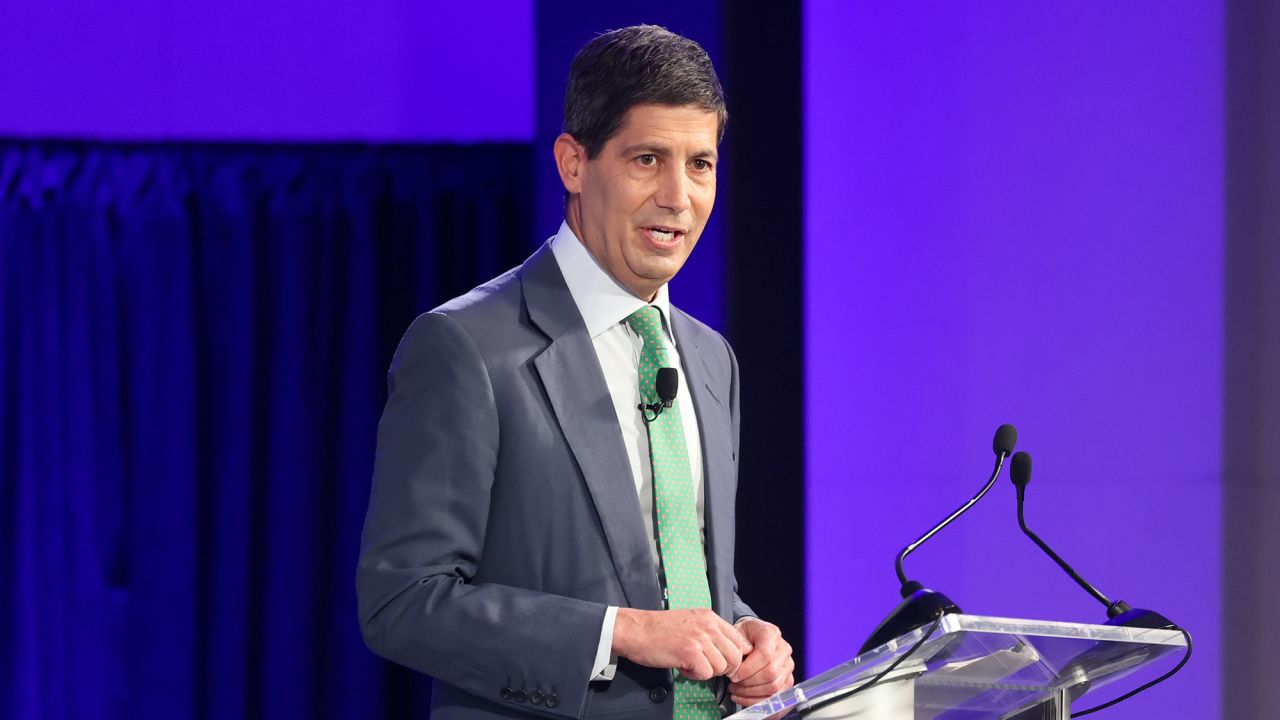

In a bold move, President Donald Trump has nominated Kevin Warsh as the next Chair of the Federal Reserve, a decision that is generating significant interest in financial circles. Warsh, a former member of the Fed Board of Governors, brings extensive experience from his tenure during the 2008 financial crisis, offering valuable insights into economic challenges. His crypto-friendly stance combined with a hawkish approach to inflation positions him as a unique candidate for Fed leadership. The upcoming confirmation process promises to be crucial, with many looking to assess the potential impact of Warsh on the markets and regulatory landscape for digital assets. As the Senate reviews the Kevin Warsh nomination, expectations are mounting regarding how his policies may shape the future of the Trump Federal Reserve and influence both traditional and cryptocurrency markets.
The recent nomination of Kevin Warsh to lead the Federal Reserve has ignited discussions about the future direction of the central banking system. This choice reflects a shift towards balancing traditional monetary policy with modern financial innovations, particularly as it pertains to cryptocurrencies. Warsh’s background, which includes a significant role during a pivotal economic crisis, positions him to navigate the complexities of today’s financial ecosystem. His views suggest the potential for a more adaptive Federal Reserve, willing to embrace emerging digital assets while maintaining vigilance against inflation. This critical juncture highlights the ongoing dialogue surrounding the intersection of fiscal policy and the evolving landscape of digital currencies.
| Point | Details |
|---|---|
| Nomination | Kevin Warsh nominated by Trump to lead the Federal Reserve. |
| Background | Former Fed Board member (2006-2011) with experience during the 2008 financial crisis. |
| Education & Experience | Stanford University graduate and Harvard law degree; investment banker at Morgan Stanley. |
| Current Roles | Fellow at Hoover Institution; lecturer at Stanford Graduate School of Business. |
| Monetary Policy Views | Hawkish stance on inflation; critic of loose monetary policies. |
| Crypto Perspective | Considers cryptocurrencies as market discipline tools, unlike current Fed leadership. |
| Market Impact | Traders are reacting to potential tighter monetary policies; volatility in Bitcoin. |
| Senate Confirmation | Warsh’s nomination pending confirmation from the US Senate; expected contentious process. |
| Challenges Ahead | If confirmed, he faces balancing inflation control with digital asset market expectations. |
Summary
Kevin Warsh’s nomination to lead the Federal Reserve marks a significant moment in economic leadership. As a crypto-friendly figure, Warsh brings a unique perspective to the role, especially in light of his hawkish views on inflation and interest rates. His confirmation will likely spark extensive debate about the future of monetary policy and its implications for both traditional financial markets and the burgeoning cryptocurrency sector. With the ability to influence regulatory approaches to digital assets, Kevin Warsh’s tenure may redefine the Federal Reserve’s interaction with the crypto market, setting important precedents for the future.
Kevin Warsh’s Nomination and Its Implications
President Donald Trump’s nomination of Kevin Warsh as the Chair of the Federal Reserve marks a significant shift in the central banking landscape. Warsh, who possesses a deep understanding of economic fluctuations, brings a wealth of experience from his time at the Federal Reserve Board of Governors during the 2008 financial crisis. His academic credentials, which include a degree from Stanford and a law degree from Harvard, alongside his professional tenure at Morgan Stanley and the Bush administration, establish him as a well-rounded candidate. This nomination is a notable stride towards potentially transforming the direction of the Federal Reserve, especially considering Warsh’s historical criticisms of the Fed’s previous policies that leaned towards extensive monetary easing.
Moreover, Warsh’s approach signals an inclination toward market discipline influenced by digital assets. His acknowledgment of cryptocurrencies like Bitcoin as a beneficial mechanism in the financial system, rather than a mere regulatory threat, parallels a growing sentiment among investors for a more crypto-friendly Federal Reserve. As the Senate prepares for the confirmation process, the implications of his leadership on both cryptocurrency markets and traditional financial landscapes are becoming a pivotal topic of discussion.
The process leading up to Warsh’s confirmation in the Senate is anticipated to stir substantial debate regarding the autonomy of the Federal Reserve and the overarching influence of political figures like Trump on monetary policy. Analysts are closely observing the potential for contention, given Warsh’s hawkish stance, particularly concerning inflation and rate hikes, which contrast sharply with the policies adopted by the current Fed Chair, Jerome Powell. The Senate’s reception of Warsh’s nomination could foreshadow shifts in policy that might reverberate through both the stock market and the burgeoning crypto market as traders recalibrate their expectations.
This moment is crucial for the future of the Federal Reserve, as Warsh’s leadership may redefine the relationship between central banking and cryptocurrency. His prioritization of a more inflation-focused policy, coupled with a willingness to engage thoughtfully with the digital asset landscape, could catalyze a significant evolution in how financial systems adopt and regulate cryptocurrencies.
The Impact of Kevin Warsh on Financial Markets
As markets processed the announcement of Kevin Warsh’s nomination, reactions highlighted the sensitivity of current financial conditions to leadership changes at the Federal Reserve. Immediately following the news, certain risk assets experienced a noticeable drop, reflecting investor apprehension regarding tighter monetary policies potentially on the horizon under Warsh’s guidance. Such volatility underscores the close interlinkage between central bank leadership and market expectations, especially in an environment already grappling with uncertainties around inflation and economic growth.
Warsh’s unique blend of expertise in both traditional finance and a progressive stance on cryptocurrencies places him in a distinctive position to influence markets significantly. His previous critiques of the Fed’s quantitative easing policies suggest that stringent measures may be forthcoming should he be confirmed. Traders are thus recalibrating their strategies, particularly in the digital assets domain, as they anticipate regulatory shifts that could benefit or hinder cryptocurrency adoption based on Warsh’s leadership choices.
Moreover, the nomination has intensified discussions regarding the future trajectory of the dollar and broader economic stability. Analysts are already predicting that under Warsh, there may be a more regulated approach towards crypto assets, which could reassure traditional investors while also nurturing the growing crypto industry. With the Senate confirmation likely to ignite debates around the independence of the Federal Reserve, the potential for a policy shift that accommodates digital currencies could set a pivotal new precedent for the Fed’s role within the evolving economic landscape.
Investor sentiment, thus, has to tread carefully during this confirmation phase, weighing the likelihood of Warsh’s hawkish initiatives against his openness to innovative financial technologies. This dynamic environment sets the stage for possible transformative changes within the Federal Reserve’s operational frameworks that could have lasting impacts on both traditional and emerging market assets.
Navigating Challenges as Fed Chair
If confirmed, Kevin Warsh will be tasked with navigating a complex set of challenges that extend beyond traditional monetary policy and into the evolving world of cryptocurrencies. As a nominee who has expressed concerns regarding inflation and has been critical of excessive monetary stimulus, he could leverage these insights to influence the Federal Reserve’s future strategies. Warsh’s willingness to rethink the Fed’s posture regarding crypto assets could facilitate more clarity for investors and institutions trying to navigate the uncertain regulatory environment.
His prior experiences with financial crises provide a robust backdrop for understanding risk management in turbulent times. Yet, Warsh’s ability to grasp the intersection of inflation control and crypto innovation will be essential. Balancing these competing priorities is no small feat, especially as he aims to both foster confidence in the financial markets while implementing tighter monetary policies to combat inflation. This dual approach could redefine how the Fed engages with emerging assets and establishes guidelines for responsible innovation.
The potential challenges posed by Warsh’s leadership could resonate through his strategic decision-making on interest rates and inflation-targeting frameworks. Investors are already keenly aware that any shifts in these policies could lead to immediate market reactions, particularly in the context of rising interest rates potentially curtailing the cryptocurrency boom. For Warsh, the goal will not only be to address inflation but also to reassure a diverse investment community that the Fed under his leadership will support innovative financial technologies while maintaining monetary stability.
Should he successfully juggle these responsibilities, Warsh’s term may not only stabilize market expectations but also promote a reevaluation of the Federal Reserve’s role in embracing financial evolution. Ultimately, it is Warsh’s nuanced understanding of the economy and his readiness to adapt to new financial realities that will determine the success of his tenure.
Warsh’s Vision for Federal Reserve Leadership
Kevin Warsh’s vision for the Federal Reserve reflects a pivotal transition that emphasizes a more proactive engagement with financial technologies while maintaining strict monetary discipline. This forward-thinking approach comes at a time when traditional economic models are being challenged by innovations such as cryptocurrencies, which threaten to alter the financial landscape significantly. His past criticisms of the Fed’s reliance on aggressive monetary policies suggest that he might explore alternative pathways to achieve economic stability, prioritizing a vision that intertwines innovation with regulatory oversight.
Warsh’s willingness to recognize digital assets as tools for market discipline, rather than seeing them solely as risks, sets a powerful precedent for the future of the Federal Reserve. His insight during economic downturns, combined with an eye toward digital finance, positions him uniquely within the institution, where balancing traditional fiscal responsibilities with modern technological advances will be paramount.
In defining his leadership style, Warsh is likely to advocate for a Federal Reserve that is not only reactive but also anticipative of market trends influenced by technology. His tenure could involve forging a path that preliminary navigates the complexities introduced by cryptocurrencies, ensuring that the Fed remains relevant in a rapidly evolving economic environment. As he moves forward in the nomination process, the implications of his vision may extend beyond U.S. borders, influencing global markets and how central banks worldwide view the rise of digital currencies.
Warsh’s potential affirmation as the head of the Federal Reserve signals a broader recognition of the importance of adapting to new economic realities. This vision could resonate positively with investors looking for clarity amid an ever-changing financial landscape, suggesting a future where financial innovation is integrated harmoniously within traditional regulatory frameworks.
The Senate Confirmation Process for Warsh
The confirmation of Kevin Warsh by the Senate stands as a critical juncture for the future of the Federal Reserve and the economic policies that guide the nation. As senators prepare for the deliberation process, his nomination is expected to provoke vigorous debate regarding the implications of appointing a candidate whose views diverge from traditional monetary policy perspectives. Lawmakers will scrutinize Warsh’s past statements and positions, particularly his critiques of the Fed’s monetary easing strategies and his more accommodating stance toward cryptocurrencies, setting the stage for a potentially contentious confirmation hearing.
Given the political landscape and the interconnectedness of economic policies, discussions surrounding Warsh’s leadership may also reflect broader sentiments about the Fed’s independence and its role in the global economy. As discussions unfold, the focus will not only be on Warsh’s qualifications and past experiences but also on what his nomination reveals about the future direction of U.S. monetary policy.
In preparation for this confirmation, Warsh has the opportunity to solidify positions that might resonate positively with various Senate factions, including those advocating for a more rigorous regulatory stance on financial innovation. He must articulate a clear vision that assures both lawmakers and the public of his commitment to maintaining financial stability while embracing the transformative potential of cryptocurrencies. As the confirmation process advances, intricacies surrounding his stance on fiscal responsibility versus innovation will shape discussions and potentially influence voting outcomes.
The Senate’s reception of Warsh’s nomination could either bolster confidence in a more proactive Fed leadership or raise questions regarding its alignment with political agendas. Regardless of the outcome, the focus on Warsh’s approach reveals critical discussions about the evolving expectations of Federal Reserve leadership amid a backdrop of economic uncertainty and technological change.
Warsh’s Approach to Inflation and Interest Rates
Kevin Warsh’s approach to managing inflation and interest rates will be essential to understanding his potential impact as the next Chair of the Federal Reserve. Known for his hawkish stance, Warsh has consistently advocated for a monetary policy that actively counters inflationary pressures—a perspective that aligns with many analysts’ expectations of tighter fiscal conditions. His prior critiques of the Fed’s strategies during times of economic stimulus suggest that he will likely favor more restrained fiscal measures that prioritize stability over expansion. Investors and policymakers alike are keenly watching how Warsh will navigate these considerations, particularly in a potentially inflationary environment.
As Warsh initiates dialogues and strategies around interest rates, his ability to balance the delicate scale between immediate market needs and long-term fiscal health will be scrutinized. Any decisions he makes regarding rate adjustments will signal to markets how the Fed intends to respond to shifting economic conditions, thus influencing both traditional and crypto asset valuations. Such deliberations are critical, particularly as inflationary concerns dominate discussions surrounding economic recovery.
The broader implications of Warsh’s inflation-focused approach may also resonate in the digital asset arena. An interest rate hike, for instance, could impose headwinds on cryptocurrency markets, influencing how investors perceive the risk associated with digital currencies. Warsh’s nuanced understanding of both inflationary pressures and the potential role of cryptocurrencies might allow him to craft a monetary policy framework that integrates these emerging assets into mainstream financial discussions. Investors are thus seeking clarity on whether his leadership will cultivate an environment where digital assets can thrive while still upholding the critical mission of inflation control.
Ultimately, Warsh’s approach to inflation and interest rates will reflect the broader economic objectives the Federal Reserve seeks to fulfill. As he prepares for potential confirmation, the markets will continue to react to any signals from Warsh that articulate how he plans to manage these key economic levers, providing insight into the future intersection of traditional economic practices and innovative financial landscapes.
The Future of the Federal Reserve Under Warsh
The future of the Federal Reserve under Kevin Warsh promises to mark a transformative period characterized by a renewed focus on both inflation control and the integration of digital assets into American fiscal policy. If confirmed, Warsh’s leadership may redefine how the central bank interacts with cryptocurrencies, fostering an environment of innovation alongside traditional monetary policies. His history of critical engagement with prior Fed strategies positions him to address modern challenges related to economic stability and adaptive regulatory frameworks that can accommodate the fast-evolving nature of digital finance.
The potential ramifications of Warsh’s confirmation extend beyond U.S. borders, influencing international economic dynamics as other governments and central banks observe and potentially replicate his approaches. Stakeholders, from institutional investors to everyday consumers, may find themselves navigating a financial landscape where the Federal Reserve sets new precedents in balancing fiscal responsibility with technological advancement in finance.
Furthermore, Warsh’s vision for the Federal Reserve reflects a growing acknowledgment of the importance of staying ahead of technological trends, especially as they pertain to the burgeoning crypto economy. The establishment of a more balanced regulatory framework could enable the U.S. to maintain its position at the forefront of global financial innovation, creating competitive advantages in both traditional and digital investment sectors. Ensuring that innovations like cryptocurrencies are harmonized with established fiscal policies will be one of the significant tests of Warsh’s tenure.
Ultimately, as Warsh steps into the role of Fed Chair, all eyes will be on how he marries hawkish monetary policies with a progressive perspective towards emerging financial technologies. The unfolding narrative of his leadership term could substantially shape investor confidence and the overall trajectory of U.S. economic policy in the years to come.
Frequently Asked Questions
What impact will Kevin Warsh have on the Federal Reserve’s approach to cryptocurrencies?
Kevin Warsh’s nomination as Chair of the Federal Reserve signals a potentially more crypto-friendly approach compared to previous leadership. He has articulated that cryptocurrencies, like Bitcoin, may play a role in market discipline. This perspective could lead to regulatory developments favoring digital assets, reshaping how the Federal Reserve interacts with the crypto market.
How does Trump’s nomination of Kevin Warsh affect the Federal Reserve leadership dynamics?
Trump’s nomination of Kevin Warsh introduces a new dynamic to Federal Reserve leadership, emphasizing a shift towards hawkish monetary policy combined with openness to digital assets. Warsh’s background in economic crises and knowledge of Wall Street equips him to tackle inflation control, while his stance on cryptocurrencies may reshape how the Fed navigates financial innovation.
What are analysts saying about the impact of Warsh on markets during his potential tenure at the Federal Reserve?
Analysts predict that Kevin Warsh’s policies as the Federal Reserve Chair could lead to tighter monetary conditions, affecting both traditional financial markets and the cryptocurrency sector. His hawkish views on inflation coupled with a supportive approach to digital assets may create volatility as investors recalibrate their strategies regarding the dollar, equities, and cryptocurrencies.
Will Kevin Warsh’s views on inflation affect his decisions as Federal Reserve Chair?
Yes, Kevin Warsh’s hawkish stance on inflation suggests that he may advocate for controlling price increases and implementing targeted rate hikes during his tenure as Federal Reserve Chair. His historical criticisms of ultra-loose monetary policy indicate a commitment to tightening measures that could influence economic conditions significantly.
How could Kevin Warsh’s confirmation affect the cryptocurrency market?
Should Kevin Warsh be confirmed as the Federal Reserve Chair, his favorable views on cryptocurrencies could usher in a new regulatory environment. By treating digital assets as tools for market discipline rather than threats, Warsh may foster a more supportive ecosystem for crypto investments, potentially stabilizing and increasing interest in the cryptocurrency market.
What qualifications does Kevin Warsh bring to the Federal Reserve leadership role?
Kevin Warsh brings extensive qualifications to the Federal Reserve leadership role, including his previous tenure on the Fed Board of Governors, experience during the 2008 financial crisis, and a background in investment banking. His academic credentials include degrees from Stanford University and Harvard Law School, making him well-equipped to navigate complex economic challenges.
Why is Kevin Warsh considered a controversial choice for Federal Reserve Chair?
Kevin Warsh’s nomination is seen as controversial largely due to his hawkish monetary policy views and the potential implications of his crypto-friendly stance. His advocacy for changing past Fed policies and the influence of Trump’s nomination on Fed independence are subjects of debate, fueling discussions around the future direction of monetary policy.
What key challenges would Kevin Warsh face if confirmed as Chair of the Federal Reserve?
If confirmed, Kevin Warsh will face challenges such as balancing inflation control with market expectations for digital assets. He will need to navigate potential backlash over tight monetary policies while also addressing the demands for a more progressive stance on cryptocurrencies amid changing market dynamics.
Related: More from Regulation & Policy | Anthropic Completes 0 Billion Funding Round, Valuing Company at 80 Billion | Gold Market Speculation: What Treasury Secretary Bessent Says