

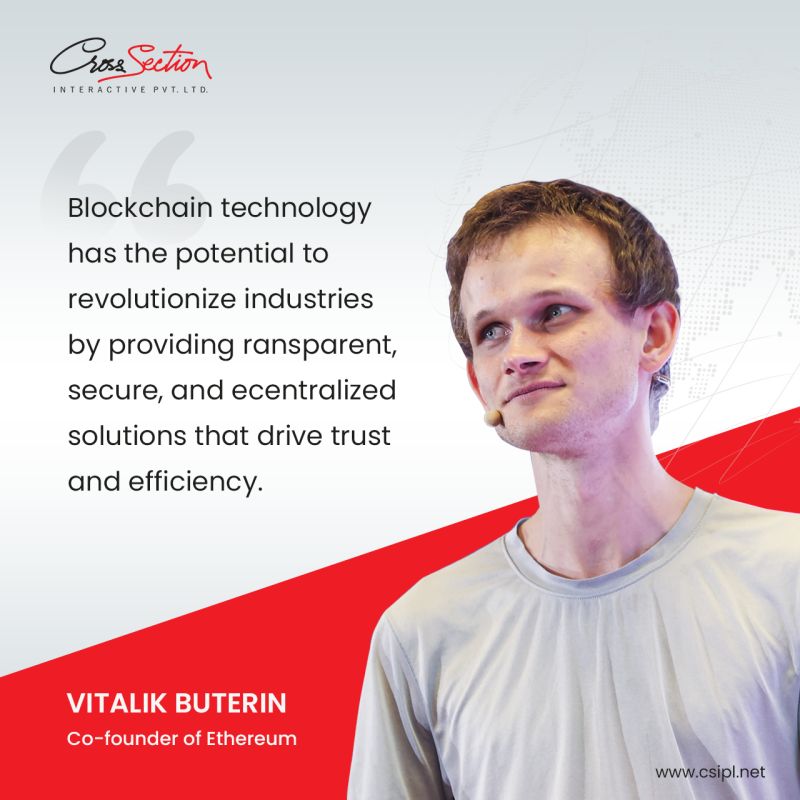

Vitalik Buterin’s recent shift in perspective regarding blockchain reflects a pivotal change in his understanding of the technology’s capabilities. He has moved away from the traditional view established in 2017, which held that blockchain merely records transaction sequences without committing to state. This change is significant, especially in the context of Ethereum’s framework for state commitment, where state roots in block headers provide efficient verification through Merkle proofs. Key innovations in zero-knowledge technologies further empower this evolution, offering solutions for blockchain transaction verification that enhance scalability and security. By embracing these advancements, Buterin underscores the necessity for a blockchain system that not only operates efficiently but also remains resilient against potential vulnerabilities.
In a remarkable evolution of thought, Vitalik Buterin has reevaluated the foundational principles of distributed ledger technology, moving away from the belief that these systems solely chronicle transaction sequences without establishing a committed state. His insights consider innovative mechanisms such as Ethereum’s approach to state maintenance, allowing seamless verification through methods like Merkle proofs. The introduction of zero-knowledge proofs plays a crucial role in facilitating this revolution, enhancing both the reliability and efficiency of blockchain operations. By prioritizing the importance of scalability alongside security, Buterin presents a forward-thinking vision that anticipates the real-world challenges faced by blockchain infrastructures. This nuanced understanding not only optimizes the technology but also reinforces the necessity for robust verification methods in a decentralized ecosystem.
| Key Points |
|---|
| Vitalik Buterin reconsiders his 2017 perspective on blockchain committing to state. |
| Old view: Blockchain only records transaction order, does not commit to state. |
| New view: Chains that commit to state roots can allow for verification without full transaction history. |
| Transition facilitated by zero-knowledge technologies (ZK-SNARKs). |
| ZK-SNARKs help achieve both security and scalability in blockchain systems. |
| Importance of self-verification options to mitigate risks like network interruptions and censorship. |
| The ‘cabin in the woods’ concept serves as a ‘safety net’ for users in extreme situations. |
| Ensuring a minimally viable and autonomously usable blockchain is crucial for Ethereum’s future. |
Summary
Vitalik Buterin’s blockchain perspective change highlights a fundamental evolution in his understanding of how blockchain technology can and should operate. By embracing the role of state commitment through technologies like zero-knowledge proofs, Vitalik underscores the importance of achieving both security and scalability while ensuring that users are not dependent on third parties. This shift not only addresses previous limitations but also promotes a resilient framework for future blockchain developments, making it a critical point of discussion in the ongoing evolution of the Ethereum network.
Vitalik Buterin’s Evolving Perspective on Blockchain
In a recent article, Ethereum co-founder Vitalik Buterin expressed a significant shift in his understanding of blockchain technology. He moved away from the notion established in 2017, which claimed that blockchain only serves to record the sequence of transactions without actually committing to the state. This change highlights how the foundational aspects of blockchain, including its commitment to state, have evolved with the introduction of advanced technologies and new methodologies in the field.
Buterin underscores the importance of protocols that maintain a state commitment, such as Ethereum, which employ Merkle proofs to validate any state efficiently. With this commitment, users are empowered to trust the system without having to verify every transaction individually. This not only reduces the burden on users but also enhances the overall security of the network by allowing validators to ensure correctness with minimal effort.
The Role of Zero-Knowledge Technologies in Blockchain
Zero-knowledge technologies, particularly ZK-SNARKs, are at the forefront of Buterin’s reevaluation of blockchain scalability and security. These innovations allow for the verification of transactions and state without requiring all transactions to be re-executed. In essence, zero-knowledge proofs enable a system where the correctness of on-chain transactions can be attested without exposing sensitive information, thereby providing a robust security framework.
The impact of zero-knowledge technologies extends beyond mere verification; they stand to revolutionize how blockchain networks approach scalability. By minimizing the need for exhaustive transaction checking, networks can significantly increase throughput, contributing to more efficient and effective blockchain transaction verification processes. This dual focus on security and scalability is essential for the future of decentralized systems.
Merkle Proofs: A Key to Blockchain Efficiency
Merkle proofs play a vital role in the efficiency of blockchain networks, particularly in allowing users to verify any state commitment with great ease. By providing a means to assert the validity of a particular transaction or state without needing access to the entire blockchain, these proofs empower users and enhance the trustworthiness of distributed ledgers. Buterin’s support for state commitments reflects an understanding of how these proofs contribute to a more resilient and user-friendly blockchain experience.
By integrating Merkle proofs into the blockchain framework, Ethereum ensures that even in scenarios involving network disruptions or third-party failures, users can still independently verify the accuracy of transactions. This framework reduces the reliance on service providers and helps maintain a decentralized ethos, thus nurturing a healthier blockchain ecosystem.
Scalability Challenges in Blockchain Systems
As blockchain technology continues to gain traction, the challenge of scalability remains a prominent concern. Vitalik Buterin’s reflections on the need for solutions that allow extensive transaction throughput while maintaining security highlight this critical issue. The advent of zero-knowledge technologies and other innovations is a response to these scalability demands, as they facilitate more transactions without degrading the network’s security or increasing trust issues.
One of the primary obstacles in achieving scalability lies in the blockchain’s inherent design, where every transaction must be validated by numerous nodes. However, techniques, including state commitments and Merkle proofs, are paving the way for more effective management of transaction burden. As the ecosystem evolves, addressing these scalability challenges will be paramount for the mainstream adoption of blockchain technologies.
Ensuring Security Through Self-Verification
In his assessment, Buterin emphasizes the importance of self-verification capabilities within blockchain networks. As external factors, such as service provider failures or potential centralization threats, loom large, having a fallback mechanism that allows users to validate transactions independently becomes critical. This approach not only enhances user autonomy but also mitigates the risks associated with reliance on third parties.
The philosophy of maintaining a ‘cabin in the woods’ scenario illustrates Buterin’s commitment to providing users with a resilient option for transaction verification in extreme situations. This layer of self-sufficiency serves as a bulwark against potential failures and instills greater confidence in the blockchain’s integrity, ultimately cementing a more robust infrastructure for Ethereum and similar platforms.
Implications for Ethereum’s Future Development
The insights from Buterin’s recent writings have broad ramifications for the future trajectory of Ethereum’s development. By acknowledging the importance of blockchain state commitments and the integration of zero-knowledge technologies, Ethereum can further refine its capabilities. These advancements will likely influence Ethereum’s approach to governance, user interaction, and transaction processing, steering the platform towards a more scalable future.
As the blockchain landscape continues to evolve, Ethereum’s ability to adapt and innovate will be crucial. Vitalik Buterin’s revised perspective on how blockchain systems should commit to state, coupled with the advent of technologies like ZK-SNARKs, provides the necessary foundation for Ethereum’s ongoing transformation. Embracing these changes will not only enhance the blockchain’s functionality and security but will also ensure its relevance in a rapidly changing technological environment.
The Shift Towards Decentralized Verification
Vitalik Buterin articulates a transformative shift towards a system where decentralized verification becomes the norm. This approach stands to resolve many issues related to trust and validation traditionally encountered in blockchain networks. By advocating for designs that commit to state, Buterin envisions a future where users can independently verify transactions without having to depend on centralized intermediaries.
This decentralized verification model is particularly relevant in today’s landscape, where issues like network congestion and third-party failures have raised questions about blockchain reliability. By harnessing the power of self-verification through technologies such as Merkle proofs, Buterin’s philosophy aims to empower users, ensuring their participation is both free from constraints and resilient against external risks.
Addressing Real-World Uncertainties
Buterin’s perspective acknowledges the unpredictability inherent in real-world applications of blockchain technology. Potential issues such as network interruptions, centralization risks, and service provider shutdowns pose significant challenges to the reliability and success of decentralized networks. By addressing these uncertainties, Buterin advocates for systems that provide fallback options, allowing users to maintain a certain level of control and verification capability in turbulent conditions.
In light of these considerations, the development of technologies like zero-knowledge proofs becomes even more pressing. They not only provide a method for transaction confirmation but also ensure that users retain the power to verify independently. Emphasizing flexibility and resilience leads to a structure where users are protected, ultimately strengthening the blockchain ecosystem as a whole.
Impacts of Centralization Risks on Blockchain
The increasing concern over centralization risks in blockchain networks is a topic of ongoing discussion within the Ethereum community and beyond. Vitalik Buterin’s reflections highlight the dangers posed by reliance on centralized entities for validation and transaction processing. As the blockchain ecosystem matures, understanding the implications of these risks is crucial for developing resilient and trusted systems.
Centralization not only undermines the foundational principles of blockchain but also raises concerns about censorship and manipulation. Buterin’s push for self-verification mechanisms ensures that the ethos of decentralization remains intact, empowering users to trust the technology without surrendering control to third-party services. By addressing these concerns head-on, the future of blockchain can prioritize security while nurturing a decentralized environment.
The Future of Blockchain and Ethereum
Reflecting on the trajectory of blockchain technology, Vitalik Buterin envisions an adaptable future where Ethereum continues to embrace innovation. His recent shifts in perspective are indicative of an evolving understanding of what it takes to build secure, scalable, and reliable decentralized systems. As the technology matures, iterative improvements will help address complexities involved in transaction verification.
The ongoing integration of zero-knowledge technologies, state commitments, and Merkle proofs will be pivotal as Ethereum evolves. By prioritizing these advancements, Ethereum can harness novel approaches to enhance user experience while maintaining a strong commitment to decentralization. This forward-thinking vision positions Ethereum to adapt to changing landscapes and continue to lead in the blockchain domain.
Frequently Asked Questions
What is Vitalik Buterin’s new perspective on blockchain state commitment?
Vitalik Buterin has shifted his perspective on blockchain state commitment from the view that it merely records transaction order to recognizing the importance of committing to state. He argues that designs like Ethereum, which include state roots in block headers, allow for efficient verification of blockchain transactions using Merkle proofs without needing to trust third-party services.
How do zero-knowledge technologies impact Vitalik Buterin’s views on blockchain?
Vitalik Buterin highlights the impact of zero-knowledge technologies, specifically ZK-SNARKs, in facilitating blockchain transaction verification. These technologies enable on-chain correctness verification without needing to execute all transactions, allowing for enhanced scalability and security within the blockchain ecosystem.
What role do Merkle proofs play in Vitalik Buterin’s blockchain perspective?
In his revised viewpoint, Vitalik Buterin emphasizes the crucial role of Merkle proofs in confirming the state of Ethereum’s blockchain. These proofs allow users to verify specific transactions efficiently, reducing reliance on full transaction verification and enhancing user trust in blockchain transaction validation.
Why does Vitalik Buterin advocate for a reliable fallback option in blockchain verification?
Vitalik Buterin advocates for a fallback option in blockchain verification to ensure users can independently verify transactions during potential network interruptions or service provider failures. This perspective underscores the need for a self-sufficient verification method that upholds security and decentralization.
How does Vitalik Buterin’s change in perspective address scalability and security in blockchain?
Vitalik Buterin’s change in perspective integrates scalability and security by leveraging zero-knowledge technologies that allow for efficient verification processes without overwhelming the system with transaction executions. This shift highlights how modern blockchain designs can achieve robustness while still scaling effectively.
What are the implications of Buterin’s view on intermediaries in blockchain systems?
Buterin’s updated perspective implies that blockchain networks should minimize reliance on intermediaries. By fostering a system that supports self-verification, Ethereum aims to empower users while providing a safety net that limits the power and control of centralized service providers.
How does Vitalik Buterin’s perspective contribute to Ethereum’s long-term evolution?
Buterin’s perspective contributes to Ethereum’s long-term evolution by advocating for designs that ensure user autonomy in verification processes. This includes maintaining systems that can function independently, thus promoting resilience against censorship, network failures, and centralization risks.
What does the ‘cabin in the woods’ analogy mean in relation to Buterin’s blockchain perspective?
The ‘cabin in the woods’ analogy used by Buterin refers to establishing a basic, self-sustaining verification capability in blockchain systems. It serves as a metaphor for preparedness in extreme scenarios, ultimately advocating for user independence and securing bargaining power against potential centralization by intermediaries.
Related: More from Ethereum News | Ethereum Network Transactions Hit New Record: What It Means for You | 30,000 ETH Withdrawn: What It Means for Binance and Ethereum