

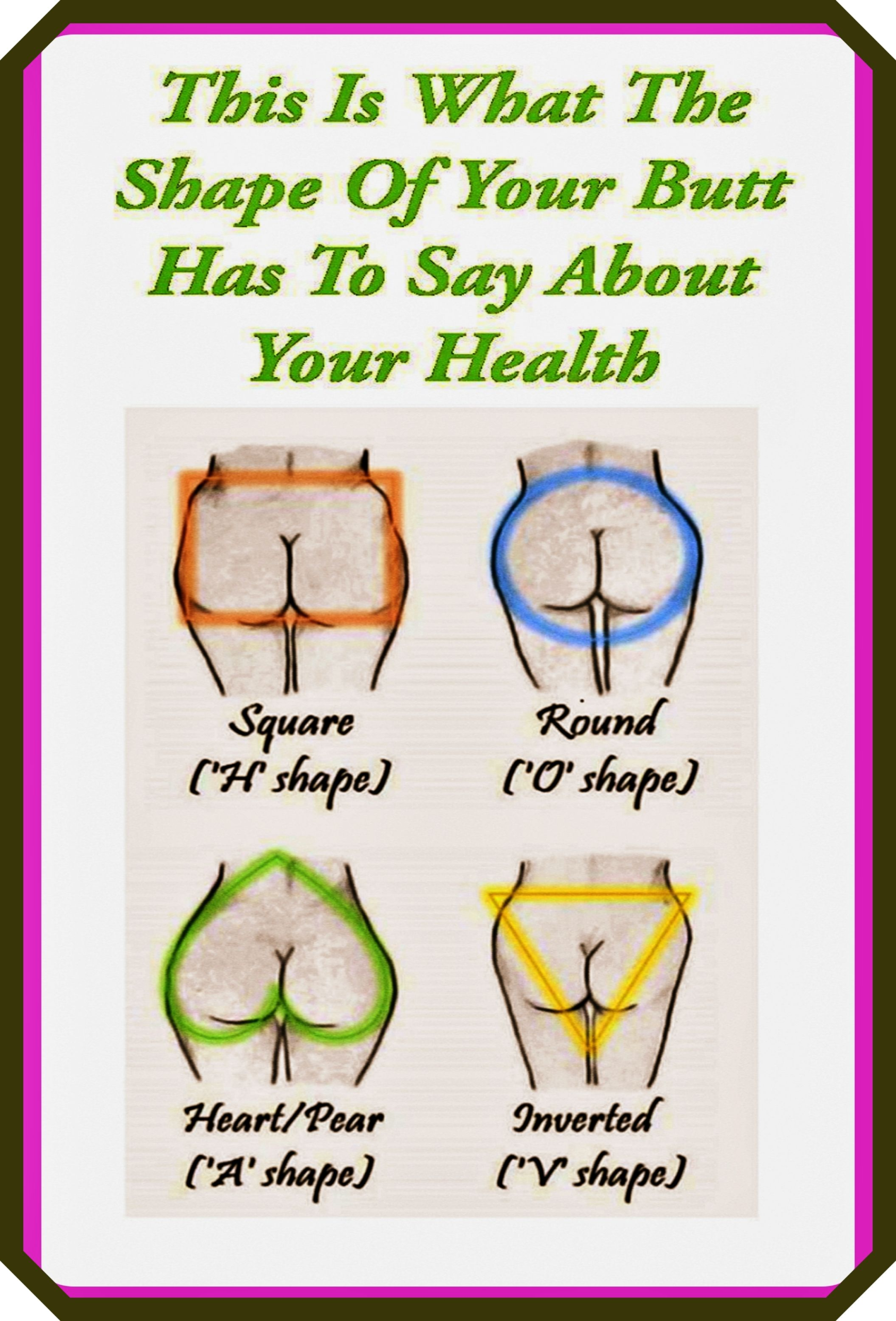

Your bottom shape and health are intricately linked, serving as significant indicators of your overall well-being. Recent studies reveal that the gluteus maximus, the largest muscle group in your body, plays a vital role not only in aesthetics but also in metabolic health. Research highlights that variations in buttocks shape can reflect lifestyle choices, age-related changes, and even potential health risks. For instance, strong glute health is associated with better body shape and wellness, indicating a well-balanced distribution of muscle and fat. By understanding how your buttocks shape affects health indicators, you can make informed choices that impact your physical fitness and longevity.
The shape of your backside can tell you a lot about your health parameters and physical condition. Recent investigations into glute health suggest that the contours of your gluteus maximus aren’t merely for show; they are also connected to important health metrics. Variations in rear-end forms, such as round or pear-shaped buttocks, can signify different aspects of metabolic wellness and body composition. These observations underscore how critical it is to maintain an active lifestyle that promotes a healthy buttocks shape. Embracing exercise and focusing on glute strength can not only enhance your appearance but also fortify your overall health.
| Bottom Shape | Description | Health Implications |
|---|---|---|
| Round Bottom | Fat evenly distributed; often considered highly desirable. | Indicates good muscle mass and fat distribution. |
| Pear-Shaped Bottom | Fullest at the bottom, tapering at the waist. | Healthier than carrying fat around the abdomen. |
| Apple-Shaped Bottom | More mass in the upper portion; common in post-menopausal women. | Linked to hormonal changes and fat storage. |
| Flat Bottom | Lacks fullness at hips and glutes. | Can indicate reduced strength and stability. |
| Sagging Bottom | Flatter appearance due to aging. | May lead to lower back pain and poor posture. |
Summary
Bottom shape and health are intricately linked, as the structure of your gluteus maximus reflects various health metrics. Understanding the implications of different bottom shapes can guide both aesthetic goals and health maintenance. By recognizing how factors such as age, exercise habits, and body composition affect your bottom, you can adopt lifestyle changes that enhance both its appearance and overall health. Maintaining strong glutes is crucial not only for physical aesthetics but also for metabolic efficiency and lower-body strength, emphasizing the importance of integrated fitness and health strategies.
Understanding the Connection Between Bottom Shape and Health Indicators
The shape of your bottom serves as a reliable indicator of your overall health. For instance, a round bottom is often associated with good health and vitality, suggesting that you have adequate levels of fat and muscle distributed evenly. This specific shape relates closely to glute health, hinting that high muscle mass in the gluteus maximus enhances metabolic functions and supports a higher rate of calorie burning. Health indicators such as blood sugar levels and cholesterol can also be positively affected by the strong and properly shaped glutes, making them a crucial element in identifying health issues before they escalate.
Conversely, the presence of a flat or sagging bottom could signal underlying health concerns. These shapes may correspond to diminished muscle mass or strength in the glute area, which may increase the risk of joint pain or mobility issues. In striving for body shape and wellness, one must recognize that neglecting the glutes can lead to adverse metabolic outcomes, including diabetes or obesity, thereby emphasizing the importance of maintaining a healthy, well-defined bottom.
The Role of Glute Health in Body Shape and Wellness
Glute health plays a pivotal role in achieving an ideal body shape and wellness. The gluteus maximus is not merely a cosmetic feature; it serves as a vital source of power in many bodily movements, including standing, walking, and running. Effective glute training can lead to a more toned appearance, which aligns with societal ideals of beauty while also enhancing functional capabilities. The muscles of the glutes react significantly to exercise, and improved strength can lead to noticeable changes in body shape, which is a major aspect of wellness that many individuals strive for.
Furthermore, strong glutes contribute significantly to overall physical balance and athletic performance. Engaging in resistance training and exercises targeting this muscle group not only sculpts the buttocks but also improves core stability, posture, and reduces the risk of injuries. Prioritizing glute exercises can help individuals maintain their health, effectively combat age-related muscle loss, and enhance overall body dynamics, promoting a holistic approach to fitness and wellbeing.
Key Exercises for Optimizing Glute Health and Bottom Shape
To achieve optimal glute health and enhance the shape of your bottom, incorporating targeted exercises into your routine is essential. Squats and lunges are foundational exercises that engage the gluteus maximus alongside other lower body muscles. Performing these exercises regularly can lead to increased muscle size, improved strength, and a more rounded appearance. Additionally, incorporating movements like deadlifts and step-ups can maximize engagement of the glutes, yielding great results in both shape and functional capabilities.
Resistance training is not the only way to keep your glutes strong and in shape. Incorporating bodyweight exercises, such as glute bridges or clam exercises, can further activate and strengthen these muscles. These exercises require minimal equipment and can easily fit into your daily routine, making them accessible for everyone, regardless of fitness levels. By focusing on a variety of glute-targeting exercises, individuals can ensure they are maximizing their potential for a healthy bottom shape while enjoying the various benefits of enhanced glute health.
Exploring the Impact of Aging on Glute Shape and Health
As we age, our bodies undergo numerous changes, one of which is the transformation of our glute shape. The gluteus maximus tends to lose mass and firmness, leading to sagging or flattening of the buttocks. This shift can be attributed to hormonal changes, decreased activity levels, and the overall loss of muscle mass. Understanding these changes is essential in knowing how to address them and maintain a healthy glute shape throughout the years.
In order to mitigate age-related changes, it becomes paramount to establish a consistent workout routine focusing on resistance training for the glutes. Engaging in exercises that strengthen the glutes can prevent deterioration of muscle mass and promote better posture and balance. This proactive approach not only preserves the aesthetic appeal of the glutes but also contributes positively to health indicators, ultimately fostering a better quality of life as one ages.
Lifestyle Habits That Influence Glute Shape and Metabolic Health
Lifestyle habits play a critical role in determining not just the shape of your bottom but also your overall metabolic health. Regular physical activity, particularly strength training, can greatly enhance glute development, which in turn supports better metabolic function. Sedentary behaviors, such as prolonged sitting, can hinder muscle engagement and contribute to a flatter appearance, ultimately affecting your health negatively. To counteract these effects, integrating short movement breaks and engaging in glute-focused exercises can help maintain good glute health and overall body shape.
In addition to exercise, dietary choices also significantly impact how our bodies store fat and develop muscle. Consuming a balanced diet high in protein can aid in muscle repair and growth, which is essential for maintaining well-defined glutes. It’s important to pay attention to nutritional quality and caloric intake, as excessive fat in the abdominal region can lead to an imbalance that detracts from desirable bottom shapes. Thus, by adopting both an active lifestyle and mindful eating habits, individuals can effectively manage their glute health and enhance their body shape.
Genetic Factors Affecting Glute Shape and Health
Genetics plays a significant role in determining the shape of your glutes and overall fat distribution. Some individuals are genetically predisposed to have fuller, rounder buttocks, while others may have a flatter shape due to inherited traits. This genetic variance can affect one’s ability to achieve desired body shapes and can influence overall metabolic health as well. Understanding these genetic influences can help individuals tailor their fitness plans more effectively to align with their natural body composition.
While we cannot change our genetic makeup, we can optimize our lifestyle to enhance our glute health. Engaging in tailored workouts that focus on individual strengths and weaknesses allows for better results in achieving a well-shaped bottom. Moreover, knowing one’s genetic predispositions can inform exercise and dietary choices, leading to healthier outcomes that support overall wellness and metabolic efficiency.
The Psychological Aspects of Bottom Shape and Self-Image
The perception of bottom shape is often intertwined with self-image and psychological wellbeing. Many women, influenced by societal standards and media representations, associate a well-formed bottom with beauty and desirability. This psychological connection can sometimes lead individuals to focus excessively on their glute shape and size, which may have both positive and negative implications on self-esteem. A positive body image, including acceptance of one’s glute shape, can enhance overall confidence and mental health.
Conversely, negative feelings toward one’s bottom shape can lead to unhealthy behaviors or extremes such as excessive dieting or over-exercising, which can harm metabolic health. It’s essential to foster a balanced perspective, recognizing that variations in glute shapes are natural and that all body types can be healthy. Emphasizing the functional benefits of strong glutes alongside their aesthetic aspects can encourage a more holistic approach to fitness where body image and wellness coexist harmoniously.
The Importance of Regular Glute Workouts for Longevity
Regular glute workouts are a vital component of a comprehensive fitness regimen that promotes longevity. Strong glutes facilitate better overall body function, impacting everything from posture to mobility. A well-maintained gluteus maximus allows individuals to perform daily activities with ease and reduces the likelihood of developing injuries associated with weaker muscles. The carrying strength and power that comes from healthy glutes are essential as we age, helping maintain independence and vitality.
Additionally, muscle strength is associated with metabolic health; thus, incorporating glute workouts can help regulate blood sugar levels and improve overall energy levels. This connection underscores the value of making glute-focused exercises a priority, not just for aesthetic reasons but also for their role in enhancing life quality and longevity. Acknowledging the benefits of strong glutes can motivate individuals to remain active, fostering a lifestyle that supports both health and vitality.
Nutrition’s Role in Supporting Glute Health and Shape
Nutrition is integral to enhancing glute health and shape. Consuming a diet rich in protein supports muscle repair and growth, which is crucial for maintaining a well-defined bottom. Essential nutrients such as omega-3 fatty acids, vitamins, and minerals can further promote muscle function and recovery, aiding in the efforts to enhance glute appearance and health. A well-rounded diet not only fosters muscle development but also enhances overall wellness by ensuring that the body operates optimally.
Moreover, managing caloric intake and focusing on healthy fats can combat unwanted fat accumulation around the lower body, helping in achieving a desirable body shape. Foods high in fiber, such as fruits and vegetables, also play a role in regulating metabolism and promoting fat loss while ensuring a balanced nutrient intake. By understanding the relationship between nutrition and glute health, individuals can make informed choices that foster a healthier body shape and long-lasting wellness.
Frequently Asked Questions
What does the shape of my bottom reveal about my glute health?
The shape of your bottom can provide important insights into your glute health. For example, a round bottom typically indicates good glute muscle mass and balanced fat distribution, which is associated with better metabolic health. In contrast, a flat or sagging bottom may signal reduced muscle volume and possible health issues.
How can buttocks shape become a health indicator?
Buttocks shape serves as a health indicator as research shows that different shapes correlate with health metrics such as fat distribution and muscle mass. For instance, a pear-shaped bottom, which carries fat around the thighs, is considered healthier than an apple-shaped bottom that may gather fat around the waist, indicating potential health risks.
What are the benefits of maintaining good gluteus maximus health?
Maintaining good gluteus maximus health is crucial for overall well-being. Strong glutes not only enhance lower-body strength and physical performance but also play a vital role in glucose uptake and metabolic rate, helping to prevent metabolic disorders and diabetes.
What exercises can improve both bottom shape and overall glute health?
To improve both bottom shape and glute health, incorporate exercises like squats, clamshells, stair climbing, and glute squeezes into your routine. These activities strengthen the gluteal muscles and help maintain healthy body shape and wellness.
How does aging affect buttocks shape and glute health?
Aging affects buttocks shape and glute health by causing a loss of muscle mass in the gluteus maximus, leading to flatter or sagging bottoms. This can contribute to lower back pain and poor posture, making it important to engage in regular strength training and physical activity.
Are there specific dietary tips to support glute health?
Yes, a healthy diet rich in protein helps in building and maintaining muscle mass in the glutes. Additionally, incorporating healthy fats and carbohydrates can improve overall body composition, positively influencing your buttocks shape and glute health.
Related: More from Forex News | Shannon Sharpe Addresses ESPN Reunion Rumors with Stephen A. Smith | apoB Testing: A Superior Indicator of Heart Disease Risk?