


The prospect of a US government shutdown prediction is raising alarms among investors and policymakers alike, with Polymarket betters currently estimating a striking 77% likelihood of closure before January ends. This prediction comes amidst ongoing discussions surrounding critical legislation, particularly the CLARITY Act, which seeks to clarify cryptocurrency regulations. Such predictions have fluctuated in recent times, with a notable 67% increase in likelihood over the last 24 hours due to ongoing pressures stemming from previous government shutdowns and contentious Congress negotiations. Political commentator Collin Rugg’s remarks on the rising odds indicate a volatile political landscape that could affect the future of crypto regulations significantly. As deadlines loom and uncertainty reigns, stakeholders are bracing for potential impacts on both the legislative process and the broader economy.
The looming possibility of another federal government closure is becoming a central concern in the political arena, particularly as the timeline for essential legislation like the CLARITY Act hangs in the balance. As congressional negotiations continue to unfold, the likelihood of a government shutdown has suddenly intensified, placing additional pressure on lawmakers to reach an agreement. Speculations are rife as industry specialists and analysts monitor the evolving situation, highlighting the relationship between potential legislative gridlock and the clarity sought in crypto-related regulations. Political dynamics are further complicated by the mixed reactions from industry leaders regarding key bills, which may ultimately shape the future of cryptocurrency oversight. With each new day, the risks associated with governmental inaction threaten both regulatory progress and investor confidence.
| Key Point | Details |
|---|---|
| Likelihood of US Government Shutdown | 77% chance of a government shutdown before January’s end, a 67% increase in the last 24 hours. |
| Impact of the CLARITY Act | A cryptocurrency bill that is currently facing uncertainty and opposition within Congress. |
| Remarks from Political Commentator | Collin Rugg pointed out the significant surge in odds for a shutdown, emphasizing market sentiment. |
| Remarks from President Trump | He has not ruled out the possibility of another shutdown, adding to the uncertainty regarding the CLARITY Act. |
| Concerns from Industry Leaders | Red flags raised by Coinbase CEO Brian Armstrong about the implications of the current version of the bill. |
| Banking Lobby’s Position | Concerns from Alex Thorn about the Act undermining the competitiveness of the banking sector. |
| Next Steps in Congress | Timeframe for another markup attempt is estimated at 4-6 weeks, but negotiations remain stalled. |
Summary
The US government shutdown prediction suggests a significant 77% likelihood that another shutdown will occur before the end of January, reflecting heightened political tensions and uncertainty surrounding the CLARITY Act. As stakeholders in the cryptocurrency and banking sectors continue to navigate their concerns about the implications of potential legislation, the outcome remains unclear. The upcoming weeks will be crucial for exploring bipartisan solutions as Congress grapples with the complexities of the current political landscape.
US Government Shutdown Prediction
As the clock ticks toward the end of January, Polymarket betters are increasingly convinced of an imminent US government shutdown, with current odds standing at a striking 77%. This dramatic rise of 67% in just 24 hours indicates a growing consensus on the uncertainty surrounding Congress negotiations. The potential implications of a government halt are extensive, affecting not only federal operations but also delaying crucial legislation like the CLARITY Act, which aims to shed light on the ever-complex field of cryptocurrency regulations.
Political commentators have linked this surge in odds to President Trump’s recent statements, reinforcing that the possibility of a shutdown remains firmly on the table. This turmoil placed additional pressure on Congress, as lawmakers grapple with internal divisions and external lobbying efforts that threaten to complicate discussions surrounding the CLARITY Act. As negotiations falter, the spotlight remains on how these developments could impact the future of both government operations and the regulatory landscape for cryptocurrencies.
Impact of the CLARITY Act on Cryptocurrency Regulations
The CLARITY Act represents a focal point in ongoing discussions about cryptocurrency regulations, aiming to offer more definitive guidelines for the industry. However, its journey through Congress has been marred by controversy, particularly in light of recent withdrawals of support from key advocates like Coinbase CEO Brian Armstrong. With some industry leaders voicing concerns that the current iteration of the bill may do more harm than good, the future of the CLARITY Act hangs in the balance, emphasizing the necessity for a balanced approach to regulatory frameworks.
Amidst this backdrop, the banking sector’s apprehensions further complicate matters. Experts, such as Alex Thorn from Galaxy Digital, warn that the CLARITY Act could diminish the banking industry’s competitiveness, leading to a hardline opposition that stalls any progress. This friction between traditional finance and the cryptocurrency market highlights the broader challenge of reaching a consensus that could satisfy both sides. With the possibility of a government shutdown looming, the fate of this legislation—and with it, the clarification of crypto regulations—may face significant delays.
Current Odds and Market Sentiment on Government Shutdown
The current sentiment surrounding the likelihood of a US government shutdown is predominantly pessimistic, with Polymarket reflecting a markedly high probability of 77%. This figure reflects heightened anxiety among betters, as they acutely perceive the challenges Congress faces in passing key legislation before the deadline. Such market predictions not only portray investors’ sentiments but also serve as a barometer for political stability and effectiveness in Washington.
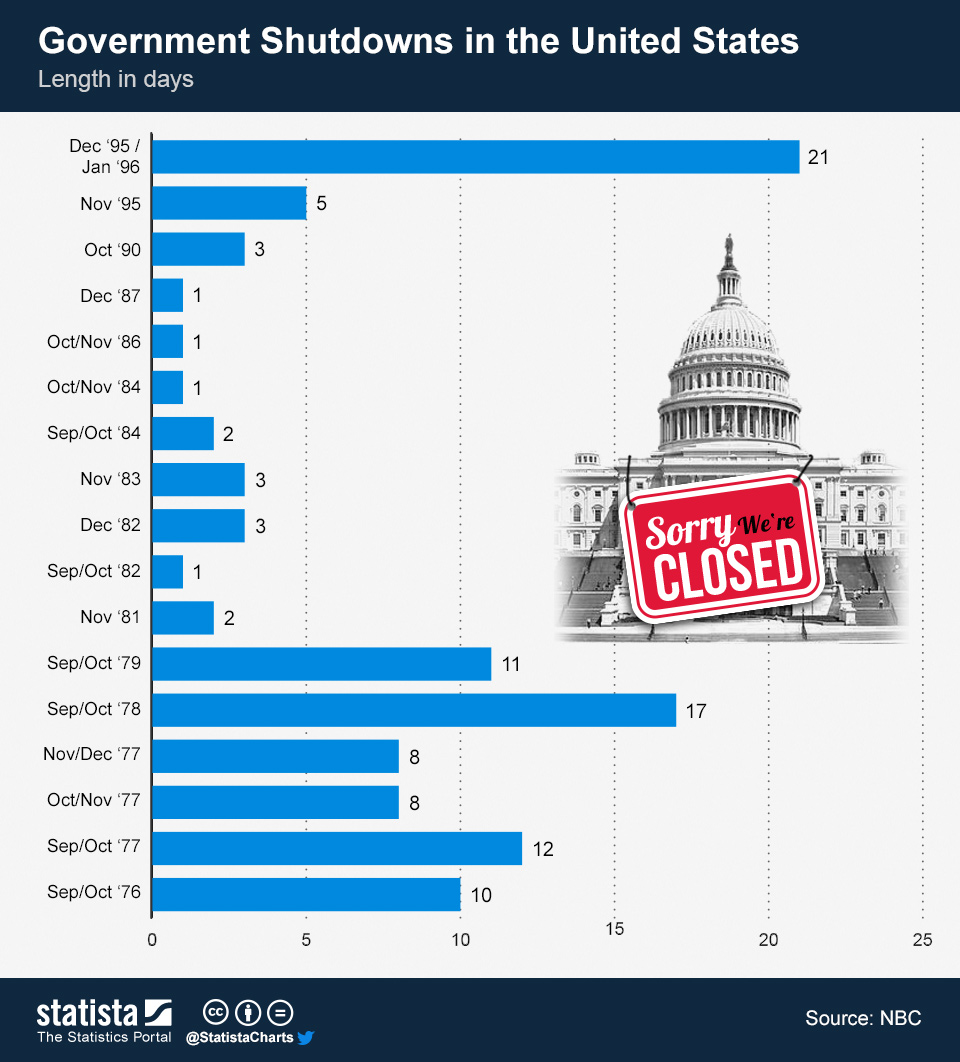
Interestingly, this sharp increase in odds aligns with historical patterns of government spending impasses, showing that as negotiations wear on, public and investor confidence wanes. The implications of a prolonged shutdown are far-reaching, potentially disrupting not only governmental functions but also the legislative process surrounding critical bills such as the CLARITY Act. As Congress negotiates these hurdles, the combination of external pressures and internal discord signals a turbulent path ahead.
Congress Negotiations: A Stalemate?
The negotiations occurring within Congress have reached a critical juncture, where a stalemate seems to be the prevailing reality. The complexities surrounding funding allocations and the proposed CLARITY Act highlight the deep-rooted divisions among lawmakers. With the deadline for agreement fast approaching, the urgency is palpable, yet finding common ground appears increasingly elusive. Statements from leaders indicate that the conditions for compromise are not yet favorable, threatening to prolong both the legislative process and government operations.
This stagnation in negotiations has significant ramifications on multiple fronts, especially regarding the maturation of cryptocurrency regulations. Stakeholders are urging Congress to prioritize clarity in the face of ongoing uncertainty surrounding crypto and stablecoin policies. Without substantive dialogue and collaboration, Congress risks not only failing to enact the CLARITY Act but also exacerbating the instability that a government shutdown would unleash upon both the financial sector and federal employees alike.
The Role of Pressure Groups in the CLARITY Act’s Journey
As the CLARITY Act makes its way through Congress, the influence of pressure groups cannot be understated. Organizations within the cryptocurrency space have rallied to advocate for the bill, but internal disagreements have surfaced. High-profile figures, including Brian Armstrong, have publicly criticized certain provisions, underscoring the complexities that accompany any regulatory framework. The multifaceted interests at play distinctly reflect the ongoing tug-of-war within the legislative process.
Additionally, the banking sector’s lobbying efforts have created a counterforce, further complicating negotiations. These groups argue that unfavorable regulations could undermine their industry, presenting a compelling challenge for lawmakers navigating the intricacies of crypto regulations. As negotiations unfold, the crucial balancing act between fostering innovation in the digital currency space and maintaining traditional financial competitiveness remains a significant hurdle amidst rising shutdown odds.
Community Reactions to Potential Government Shutdown
Community reactions to the prediction of a government shutdown are mixed, demonstrating the varied implications for everyday citizens and businesses. Many express concern about the direct effects on federal services, including delays in payments for social security and other essential programs. Additionally, the shadow of uncertainty looms over small business owners who rely on government contracts or support. These sentiments reflect a broader anxiety about economic stability and governance.
Conversely, certain segments of the community, particularly within the crypto industry, view the potential shutdown as an opportunity for pressing legislative changes. Advocates argue that a shutdown may compel lawmakers to address pressing issues more urgently post-crisis, including the necessary clarifications offered by the CLARITY Act. This highlights the complex dynamics within public opinion, where some stakeholders see a silver lining despite the overall potential for disruption.
Bipartisan Support: Challenges Ahead
Achieving bipartisan support for the CLARITY Act poses significant challenges, particularly given the current political climate marked by division and distrust. Despite calls for unity on crypto regulations, the stark disagreements on how to frame these laws mean that compromises are hard to come by. Alex Thorn’s insights into the lack of concessions highlight the difficulties in obtaining a united front from both sides of the aisle, particularly with external pressures from lobbyists making negotiations more intricate.
Moreover, the ongoing government shutdown predictions serve as a reminder of how urgent these discussions are. Stakeholders from all sides express the need for a resolution, yet the path forward remains murky with the tension surrounding negotiations. As the CLARITY Act enters its next phase, the question of whether Congress can overcome these hurdles will determine not just the bill’s fate, but also the future landscape of cryptocurrency regulations.
Future Implications of Government Shutdown on Crypto Regulations
The prospect of a government shutdown holds significant implications for the future of cryptocurrency regulations, particularly through the lens of the CLARITY Act. A shutdown could halt critical discussions and analyses that are needed to refine the legislation, causing considerable setbacks for both lawmakers and industry stakeholders. As the cryptocurrency market continues to evolve, the absence of regulatory clarity can hinder growth and innovation.
Furthermore, the shutdown could exacerbate tensions between the cryptocurrencies and traditional banking sectors, resulting in delays in any necessary groundwork for stablecoin regulations and other legislative considerations. Thus, the ramifications of a prolonged government shut down are not limited to immediate operational challenges but could have ripple effects that hinder progress for years to come.
The Intersection of Politics and Cryptocurrency Regulation
The intersection of politics and cryptocurrency regulation has become more pronounced in light of the ongoing discussions surrounding the CLARITY Act. Lawmakers are not only tasked with addressing the complexities of digital currencies but must also navigate the political ramifications of their decisions. With the prediction of a government shutdown looming, the urgency to provide regulatory clarity increases, as uncertainty in the crypto market poses risks to innovation and investment.
Political maneuvering often influences the direction of cryptocurrency legislation, as stakeholders from various sectors lobby for their interests. Therefore, the political landscape significantly shapes how regulations are developed, and the outcome of these negotiations could redefine the operational framework for cryptocurrencies in the United States. Consequently, monitoring these developments is crucial for understanding the future trajectory of both crypto regulations and congressional negotiations.
Frequently Asked Questions
What are the current Polymarket odds regarding the US government shutdown prediction?
Currently, Polymarket betters estimate a 77% likelihood that the US government will experience another shutdown before the end of January. This figure has risen by 67% within the past 24 hours, indicating growing concerns over Congress negotiations and fiscal stability.
How does the CLARITY Act impact the US government shutdown likelihood?
The CLARITY Act, which aims to clarify cryptocurrency regulations, has been a point of contention amidst government shutdown predictions. Delays related to its progress in Congress have been influenced by previous shutdowns, like the unprecedented 43-day shutdown in late 2023.
Why are crypto regulations tied to the prediction of a US government shutdown?
The prediction of a US government shutdown is intertwined with crypto regulations, particularly due to the ongoing struggles with the CLARITY Act in Congress. The uncertainty surrounding this legislation, especially after significant backlash from industry leaders, contributes to the likelihood of another shutdown.
What role do Congress negotiations play in the government shutdown likelihood?
Congress negotiations are critical in reducing the government shutdown likelihood. Recent events, such as the debates surrounding the CLARITY Act and mixed responses from the crypto sector, have complicated these discussions, heightening the risk of another shutdown.
What has been the crypto community’s response to the CLARITY Act updates amid the government shutdown predictions?
The crypto community’s response to the CLARITY Act updates has been mixed, especially following comments from Coinbase CEO Brian Armstrong. His remarks indicate that the proposed regulations may be less favorable, which could impact the current US government shutdown prediction due to the associated uncertainty.
Is there any timeline for when the US government shutdown prediction could change?
The US government shutdown prediction timeline may change based on the progress of Congress negotiations, particularly concerning the CLARITY Act. Experts suggest that additional developments over the next 4-6 weeks could clarify whether a compromise can be reached or if the shutdown probability will rise.
How does the banking sector view the CLARITY Act in relation to the US government shutdown prediction?
The banking sector views the CLARITY Act critically, arguing that it may jeopardize their competitiveness. Concerns like these complicate the already tense atmosphere surrounding the US government shutdown prediction, especially as bipartisan support seems elusive.
What might succeed in mitigating the US government shutdown prediction related to crypto regulations?
To mitigate the US government shutdown prediction linked to crypto regulations, Congress must find common ground on the CLARITY Act. Progress on stablecoin regulations and bipartisan negotiations in the coming weeks could also play a significant role in shaping future outcomes.
Related: More from Regulation & Policy | Anthropic Completes 0 Billion Funding Round, Valuing Company at 80 Billion | Gold Market Speculation: What Treasury Secretary Bessent Says