

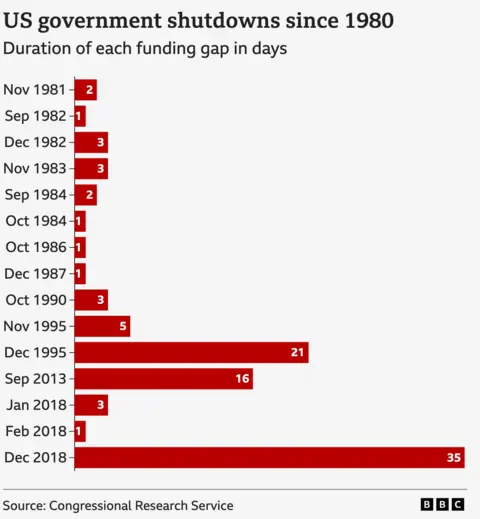

In light of recent developments, the U.S. government shutdown prediction has taken center stage, with Polymarket data indicating a 77% chance of a shutdown before January ends. This forecast has escalated dramatically, showing a 67% increase in likelihood over just the past 24 hours. Tensions are palpable, especially following comments from U.S. President Donald Trump about the potential for another shutdown instigated by Democratic opposition. The ongoing negotiations in Congress, particularly concerning the CLARITY Act and stablecoin bill updates, are now more critical than ever. In this climate of uncertainty, even Coinbase CEO comments hint at growing concerns over the legislative gridlock that could impact future financial derivatives and regulatory clarity.
As we navigate the complexities of fiscal governance, the looming possibility of a federal government halt is becoming a pressing issue. Recent analytical insights suggest a substantial likelihood of a legislative stalemate, especially given the shifts in sentiment among market participants and lawmakers alike. The discussions surrounding financial compliance, especially regarding stablecoins and the CLARITY Act, are proving to be contentious, with key figures like Coinbase’s CEO weighing in. The stagnation of Congress negotiations adds another layer of unpredictability to the financial landscape, casting a shadow over essential legislative advancements. Given these challenges, stakeholders are keenly observing the government shutdown forecasts and their broader implications for the economy.
| Key Points |
|---|
| Traders predict a 77% chance of a U.S. government shutdown before January ends. |
| The probability of a shutdown increased by 67% in the last 24 hours. |
| President Donald Trump suggested a possible shutdown due to Democratic actions. |
| Uncertainty surrounding the legislative timeline for the CLARITY Act is increasing. |
| Brian Armstrong and other execs withdrew support for the current version of the CLARITY Act. |
| Negotiations on stablecoin yields are stagnant without significant consensus. |
Summary
The U.S. government shutdown prediction indicates a looming crisis, with traders estimating a 77% chance of a shutdown occurring before the end of January. This significant data reveals heightened uncertainty, particularly in the wake of President Trump’s comments and the withdrawal of support for the CLARITY Act by key figures. As negotiations stall over crucial issues like stablecoin yields, the potential for a government shutdown grows, emphasizing the need for urgent legislative action.
Understanding the U.S. Government Shutdown Prediction
The U.S. government shutdown prediction has become a focal point in discussions among traders and analysts alike, with Polymarket forecasts showing a staggering 77% chance of a shutdown occurring before January’s end. This significant probability reflects the growing tension in Congress as negotiations over funding and policy increasingly stall. The implications of a government shutdown are profound, affecting everything from federal employee salaries to the continuity of government services. Traders are closely monitoring developments, especially as signals from political leaders intensify these concerns.
This surge in anticipation for a potential shutdown is largely fueled by President Donald Trump’s recent remarks, hinting at the ultimatum from Democrats that could precipitate another lapse in government operations. Coupled with the lack of compromise in critical negotiations, such as those surrounding the CLARITY Act, the situation remains precarious. Perspectives from business leaders, including Coinbase CEO Brian Armstrong, highlight the growing frustration within the private sector regarding legislative gridlock, further inflating concerns over economic stability.
The Impact of Congress Negotiations on Government Stability
As Congress continues to grapple with vital budget negotiations, the repercussions of a government shutdown loom large. The stagnation in legislative discussions, particularly around significant issues like the CLARITY Act and financial regulatory measures, has left many in the financial sector uneasy. The possibility of a shutdown not only stalls government operations but also threatens to derail essential financial reforms, including those related to cryptocurrency regulation and stablecoin bill updates. This uncertainty creates a ripple effect, impacting market stability and trader confidence.
Moreover, the reluctance of key stakeholders, including executives from major cryptocurrency firms, to back current policies emphasizes the critical nature of these discussions. With no clear consensus in Congress, the outlook remains bleak, further complicating the scenario for those trying to anticipate market behavior. This climate of unpredictability makes it increasingly difficult for investors to make informed decisions, showcasing the precarious balance between political maneuvering and economic repercussions.
Updates on Stablecoin Bill Discussions and Predictions
In the evolving landscape of cryptocurrency regulation, stablecoin bill updates are at the forefront of discussions impacting investment strategies across sectors. As Congress strives to address evolving technologies and market demands, the lack of movement on stablecoin legislation signals a worrying trend. Analysts like Alex Thorn from Galaxy Digital have pointed out that negotiations concerning stablecoin yields remain at an impasse, complicating the potential for future market-friendly policies.
The trading community is geared towards finding clarity in the legislative frameworks that govern the cryptocurrency market. With ongoing uncertainty stemming from Congress negotiations, the importance of stablecoin bills becomes even more pronounced. Traders are eagerly awaiting actionable updates that could guide their strategies, and the stagnation in talks continues to invoke caution and speculation within the investment community.
Polymarket Predictions: A Closer Look
Polymarket predictions offer a unique insight into trader sentiment regarding the likelihood of government shutdowns and other economic events. The surge to 77% in the probability of a U.S. government shutdown within the next few months reflects traders’ reevaluation of political circumstances and the perceived likelihood of action (or inaction) from Congress. This platform allows participants to wager on various outcomes, making it a barometer for public sentiment and expectations around possible legislative scenarios.
The rapid increase in the probability percentage—67% within just 24 hours—suggests a notable shift in trader confidence, likely linked to recent comments from political leaders and the stagnant progress on essential bills. As patterns in Polymarket data evolve, they provide an invaluable tool for understanding both immediate responses to political developments and the broader ramifications for legislative and financial environments. Investors keen on anticipating shifts in market dynamics rely heavily on such data to inform their trading strategies.
Congressional Dynamics and Their Financial Implications
The dynamics within Congress play a pivotal role in shaping both immediate and long-term financial outcomes for various sectors. As political leaders engage in negotiations, the bipartisan strife concerning budget allocations creates a significant risk of governmental disruptions. The implications of these negotiations extend beyond the halls of Congress, influencing everything from market confidence to the execution of crucial legislation, including those surrounding financial regulations and cryptocurrency.
The instability in congressional negotiations directly impacts investor behavior, as uncertainty leads to cautious trading strategies. Lawmakers’ inability to reach consensus on pivotal legislation forms a backdrop of risk that can sour investor sentiment, potentially causing volatility in financial markets. Understanding the broader context of congressional behavior is essential for traders and investors looking to navigate the uncertain waters of economic policy and legislative outcomes.
Coinbase CEO Comments and Market Reactions
The comments made by Coinbase CEO Brian Armstrong regarding ongoing legislative challenges reflect a common sentiment shared among industry leaders concerning the complexities of crypto regulation. His remarks emphasize the pattern of apprehension stemming from congressional negotiations, particularly as backing for crucial bills like the CLARITY Act wanes. This loss of executive support can significantly influence the market’s direction and investor confidence in the regulatory landscape.
As industry figures like Armstrong voice their concerns publicly, it creates a ripple effect that resonates through investor circles, often leading to shifts in market strategies. The market’s reaction to such comments is crucial to observe; traders tend to amplify their positions based on perceived confidence from industry leaders. Consequently, Armstrong’s statements act not only as reflections of the current climate but also as potential catalysts for market movements, underscoring the interlinked nature of political discourse and financial viability.
Future Outlook: Predictions Beyond the Shutdown
Looking towards the future, the potential for a U.S. government shutdown raises significant questions about the legislative direction and overall market health beyond January. Investors are urged to prepare for various scenarios based on emerging data from platforms like Polymarket and ongoing congressional negotiations. This proactive approach becomes essential as the landscape can change rapidly, signaling areas of opportunity or risk.
Traders and investors must remain vigilant, monitoring both political dynamics and market predictions to navigate the intricacies of government operations. As deadlines approach and negotiations tension escalate, the possibility of a government shutdown could serve as a wake-up call for stakeholders to reassess their strategies. With stablecoin bill discussions, the implications of potential legislative shifts can create new opportunities and challenges in equal measure.
The Ripple Effect: Economic Consequences of Legislative Stalemate
The legislative stalemate in Congress does not exist in a vacuum; it creates a ripple effect that influences various economic sectors. A government shutdown—if it occurs—could halt essential services, delay key projects, and shift the landscape for many businesses relying on government contracts. The uncertainty can dampen economic growth and instigate a cautious approach among businesses and investors alike.
In the financial sector, prolonged discussions on stablecoin legislation without clear resolution can leave the market vulnerable to swift changes in policy. As evidenced by the reactions from industry leaders and analysts, there’s a collective acknowledgment that without decisive action from Congress, the potential for economic disruption looms larger than ever. Hence, understanding the interconnectedness of legislative actions and economic stability forms the foundation for strategic planning in investment and business development.
Navigating Market Sentiment in Uncertain Times
In the wake of potential government shutdowns and fluctuating legislative support, navigating market sentiment becomes increasingly critical for traders and investors. Understanding how external political factors can influence market perceptions is essential in making informed decisions during uncertain times. With Polymarket data indicating high probabilities of a shutdown, maintaining a pulse on sentiment can help investors strategize effectively.
Monitoring comments from key industry figures, shifts in congressional negotiations, and updates on regulatory matters can provide valuable insights into market mood. Investors who can adeptly read these signals stand a better chance of aligning their positions with emerging trends, ultimately enhancing their chances for success amidst volatility. Staying attuned to developments is not just advisable but necessary in safeguarding investments during times of potential governmental and economic disruption.
Frequently Asked Questions
What is the current prediction for a U.S. government shutdown?
According to recent Polymarket predictions, there is currently a 77% chance of a U.S. government shutdown occurring before the end of January. This probability has spiked by 67% in the last 24 hours, driven by political tensions.
How do Congress negotiations impact the likelihood of a government shutdown?
Congress negotiations are crucial in determining the likelihood of a U.S. government shutdown. Currently, discussions are stalled, particularly regarding the CLARITY Act and stablecoin yields, which increases uncertainty around government funding.
What factors are influencing the U.S. government shutdown forecast?
The U.S. government shutdown forecast is influenced by ongoing Congress negotiations, comments from political figures like President Trump regarding potential shutdowns, and the withdrawal of support for key legislation by industry leaders such as Coinbase CEO Brian Armstrong.
What implications do stablecoin bill updates have on U.S. government shutdown predictions?
Stablecoin bill updates, particularly the lack of consensus in Congress, contribute significantly to U.S. government shutdown predictions. As negotiations remain stagnant, the uncertainty surrounding these updates raises the risk of a government shutdown.
How do traders use Polymarket to predict U.S. government shutdowns?
Traders utilize Polymarket to gauge the probability of a U.S. government shutdown by placing bets based on their predictions. Recent data indicates a heightened prediction, showing a 77% likelihood of shutdown, reflecting the market’s response to political developments.
What did Coinbase CEO say about government shutdown implications?
Coinbase CEO Brian Armstrong highlighted the uncertainties surrounding upcoming bills, specifically the stablecoin legislation, and signaled that his support has diminished. His comments further complicate the legislative process, possibly influencing the U.S. government shutdown predictions.
Related: More from Regulation & Policy | Anthropic Completes 0 Billion Funding Round, Valuing Company at 80 Billion | Gold Market Speculation: What Treasury Secretary Bessent Says