

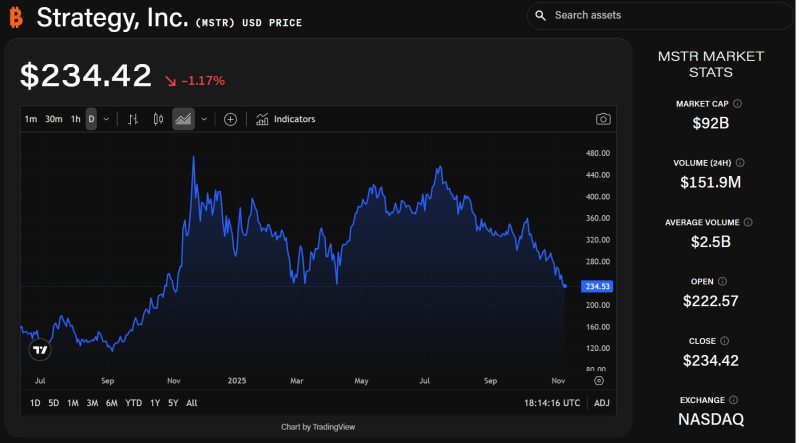

Strategy STRE stock made headlines last November as the company’s inaugural European perpetual preferred stock. Launched at a par value of 100 euros with an enticing annual dividend of 10%, STRE entered the market aiming to attract investors amid a competitive landscape. However, the STRE market response has been underwhelming, with the stock being issued at a discounted price of 80 euros, raising approximately $715 million. Factors contributing to trading difficulties STRE include a limited presence on Luxembourg’s Euro MTF market and challenges faced by brokers and retail platforms in facilitating trades. As Strategy contemplates its strategic direction, the attention shifts to how they will navigate these hurdles and position STRE for future success in the European preferred stock arena.
In the realm of financial instruments, the launch of the new European perpetual preferred stock represents a significant move for Strategy. This innovative strategy stock, known as STRE, aims to provide dividends and attract a diverse range of investors. Yet, the post-launch reception of STRE has not lived up to expectations, raising questions about the company’s future plans in international markets. The trading hurdles faced by STRE have highlighted the necessity for transparent pricing and reliable market data to empower potential investors. As market analysts observe, the next steps in Strategy’s approach will be key in shaping their trajectory in the competitive landscape of perpetual preferred stocks.
| Point | Details |
|---|---|
| Launch of STRE | Strategy launched its European perpetual preferred stock STRE in November. |
| Stock Details | STRE has a par value of 100 euros and an annual dividend of 10%. |
| Issuance Price | The stock was issued at a discounted price of 80 euros, raising approximately $715 million. |
| Market Response | Post-listing market response has been lackluster. |
| Reasons for Tepid Response | Factors include limited listings on Luxembourg’s Euro MTF market and difficulties for brokers to facilitate trading. |
| Lack of Transparency | There is a notable lack of transparent pricing and market data. |
| Future Strategic Direction | The market is awaiting announcements on Strategy’s strategic plans in Europe versus the US. |
Summary
Strategy STRE stock is currently facing challenges in the European market, as indicated by its lukewarm reception post-launch. Despite the promising features of the stock, such as a substantial annual dividend and a significant capital raise, market barriers like limited listings and lack of trading facilitation have hindered its performance. Going forward, all eyes will be on Strategy’s next moves regarding its strategic direction in Europe compared to its established position in the US, which will be critical for investors and market confidence.
Understanding STRE: Strategy’s European Perpetual Preferred Stock
Strategy’s European perpetual preferred stock, known as STRE, was launched with high expectations last November. With a par value of 100 euros and an attractive annual dividend of 10%, it aimed to tap into the European market’s appetite for alternative investment vehicles. However, the stock was released at a discounted price of 80 euros, raising approximately $715 million, but this did not translate into a robust market performance. The initial reception reflects the complexities involved in introducing a new financial instrument in the competitive landscape of European securities.
The underwhelming market response to STRE can be attributed to multiple factors. Limited listings on the Luxembourg Euro MTF market have restricted its visibility, making it challenging for investors to access and trade the stock easily. In the current economic climate, where investors are increasingly seeking transparency and ease of trading, the hurdles posed by STRE’s launch could significantly impact its future performance and appeal. Addressing these obstacles will be essential for Strategy to enhance its position in the European market.
Challenges Facing STRE in the European Market
The trading difficulties surrounding STRE highlight broader concerns within the European preferred stock market. Many mainstream brokers and retail platforms face obstacles in facilitating trades due to the stock’s current structure and the lack of comprehensive market data. This creates a barrier to entry for potential investors who might be interested in diversifying their portfolios with perpetual preferred stocks. Without significant participation from brokerages, the liquidity of STRE could remain low, affecting its price stability and attractiveness to new investors.
Moreover, the absence of transparent pricing mechanisms exacerbates the existing challenges for STRE. Investors typically require clear insights into market data to make informed trading decisions, and the current lack of such information is a substantial impediment. For Strategy to galvanize interest in STRE, enhancing transparency and ensuring that trading difficulties are addressed will be vital in regaining investor confidence and stimulating demand in the preferred stock niche.
Future Strategic Direction for Strategy’s STRE Stock Launch
As the market continues to scrutinize STRE’s performance, Strategy’s future strategic direction will become increasingly crucial. The company must weigh its options: whether to deepen its foothold in the European market or to consolidate its operations in the US. Analysts are keenly observing these strategic choices, as they will largely determine the long-term viability of the STRE offering. With the potential for future launches of similar products, Strategy needs to assess how it can improve market reception, perhaps by refining its approach to liquidity and transparency.
Additionally, a well-considered marketing strategy will be imperative in changing the narrative around STRE. Engaging directly with investors, particularly in the European market, will help to build trust and increase awareness about the benefits of investing in perpetual preferred stocks like STRE. Utilizing feedback from early investors and addressing the noted shortcomings could help Strategy reposition STRE more favorably, potentially leading to a resurgence in market interest and engagement.
The Importance of Transparency in Preferred Stock Trading
Transparency is a critical element in any successful market, and it is particularly so for the European preferred stock sector, which includes Strategy’s STRE. Investors are increasingly inclined to participate in markets where they have access to clear and accurate information regarding stock pricing and performance. For Strategy, enhancing transparency around STRE can significantly mitigate some of the trading difficulties that have hindered its uptake. This could involve providing real-time data, clearer pricing strategies, and expanding partnerships with brokers.
By fostering a culture of transparency, Strategy may not only improve investor confidence in STRE but also bolster the overall perception of European perpetual preferred stocks. A commitment to clear communication and data accessibility can attract a wider investor base, which ultimately leads to increased trading volume and, ideally, a more favorable market response. The future performance of STRE may hinge on how effectively Strategy can implement these transparency measures.
Market Reactions to STRE and Implications for Future Launches
The market’s lukewarm reaction to STRE provides essential lessons for any future stock launches by Strategy. Understanding why STRE was issued at a discounted price and the subsequent market response will allow the company to identify potential pitfalls in its approach. Factors such as timing, market conditions, and investor demographics play a crucial role in the acceptance of new securities. By conducting thorough post-launch analyses, Strategy can gather insights that inform the development of future preferred stock offerings.
Moreover, the implications of STRE’s market performance extend beyond just Strategy. They signify a need for a reassessment of how perpetual preferred stocks are introduced to the European market. Key stakeholders, including investors, brokers, and regulatory bodies, must collaborate to ensure that the challenges faced during STRE’s launch are addressed. This collaborative approach can lay the groundwork for a healthier, more robust environment for future stock launches.
Investor Sentiment Towards European Preferred Stocks
Investor sentiment towards European preferred stocks, particularly following the launch of STRE, reflects a cautious outlook. The initial tepid response is prompting investors to reevaluate their strategies regarding these types of securities. With the complexities surrounding trading difficulties and transparency issues, many potential investors are hesitant. This sentiment highlights the importance of addressing fundamental concerns around accessibility and communication to foster a more favorable view of the European preferred stock market.
Understanding how investor sentiment fluctuates in response to market changes is crucial for companies like Strategy. By harnessing insights into investor perceptions and behavioral trends, Strategy can better tailor its marketing and operational strategies to align with investor expectations. Engaging with the investor community to gauge sentiment could provide valuable feedback that informs future enhancements in launching perpetual preferred stocks.
Overcoming Trading Difficulties in European Markets
Overcoming the trading difficulties faced by STRE is imperative not only for its success but also for the broader acceptance of European perpetual preferred stocks. As highlighted earlier, the lack of adequate trading platforms and clear pricing data poses significant challenges for investors. Solutions such as enhancing cooperation with more brokers and trading platforms can open up channels that facilitate ease of trading while simultaneously increasing the stock’s visibility.
Moreover, deploying technology-driven solutions to offer better market data, insights, and trading functionalities could substantially improve the trading experience for investors. By streamlining the buying and selling processes, Strategy can create a seamless environment where STRE and similar stocks can thrive. This focus on technology and accessibility will not only ameliorate the current trading difficulties but could also attract a more diverse range of investors.
The Role of Market Data in Investor Decision Making
Market data plays a pivotal role in shaping investor decision-making, especially in the case of newer securities like STRE. With investors increasingly relying on data for making informed choices, the availability of accurate pricing and market analytics is paramount. For Strategy’s STRE stock, providing enhanced market data could encourage potential investors to participate, thus alleviating some of the trading challenges faced during its launch. The clearer the data presented, the more likely investors will be to engage with the stock.
In addition to improving trading volumes, consistently offering up-to-date market data fosters a sense of trust between Strategy and its investors. Building a reputation for transparency and reliability through data can lead to better investor relations and a stronger market position over time. For Strategy to achieve long-term success in Europe with STRE, investing in robust data analytics and access will be crucial.
Navigating the Future of European Preferred Stocks
Navigating the future of European preferred stocks, especially in light of the challenges faced by STRE, requires a strategic approach that takes into account market dynamics and investor needs. Companies like Strategy should consider a more integrated approach to launching new securities, combining education, accessibility, and transparency to instill confidence in prospective investors. As the market evolves, so too must strategies surrounding preferred stocks.
Furthermore, the future of European preferred stocks could benefit significantly from a broader trend towards collaboration among issuers and market participants. Working together to address common obstacles—such as trading difficulties and data availability—can help create a healthier ecosystem for these investment vehicles. By spearheading efforts to overcome these challenges, Strategy and its peers can pave the way for a more robust and dynamic market for European perpetual preferred stocks.
Frequently Asked Questions
What is the significance of the Strategy STRE stock launch in the European market?
The Strategy STRE stock launch marked the company’s first foray into the European market with a non-US perpetual preferred stock. Issued at a par value of 100 euros with an annual dividend of 10%, it raised approximately $715 million despite the lackluster market response. The launch plays a crucial role in Strategy’s attempt to diversify its stock offerings and attract European investors.
Why has the STRE stock faced trading difficulties on Luxembourg’s Euro MTF market?
The STRE stock has encountered trading difficulties primarily due to its limited listings on Luxembourg’s Euro MTF market. This has made it challenging for mainstream brokers and retail platforms to facilitate trading, resulting in a tepid market response. Additionally, the lack of transparent pricing and market data has further hindered investor confidence.
How does the market response to Strategy STRE stock affect its future strategic direction?
The lukewarm market response to the Strategy STRE stock has put the spotlight on the company’s future strategic direction. Analysts are closely monitoring whether Strategy will deepen its presence in the European market or refocus on its US operations, especially given the challenges faced by STRE in terms of trading and investor interest.
What are perpetual preferred stocks like Strategy STRE, and how do they work?
Perpetual preferred stocks, such as Strategy STRE, are equity securities that pay a fixed dividend indefinitely without a maturity date. The STRE stock offers an annual dividend of 10%, providing investors with a consistent income stream. However, the market response to such stocks can vary based on trading conditions and market appetite, as evidenced by Strategy’s experience.
What should investors consider before investing in Strategy STRE stock?
Investors considering Strategy STRE stock should assess the trading difficulties noted in Luxembourg’s Euro MTF market, the overall demand for perpetual preferred stocks, and the company’s future strategic plans. Additionally, understanding the implications of the article’s mention of limited market data and broker access is crucial for making informed investment decisions.
Related: More from Market Analysis | WLFI Price Predicted: World Liberty Financial Proposes Governance Overhaul | XLM Bounces But Bears Control