
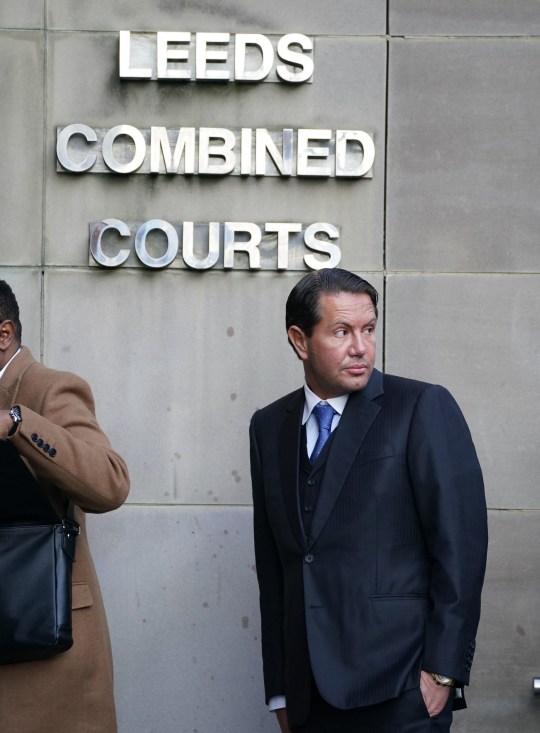

In the recent UK money laundering case, significant legal actions are unfolding against Sen Hok Ling, a notorious figure identified as a “professional money launderer”. The UK Crown Prosecution Service has mandated Ling to pay £5 million (approximately $7.6 million) to authorities within three months or face an additional prison term of up to eight years. This operative played a crucial role in facilitating funds transfer for convicted fraudster Qian Zhimin, also known as Yadi Zhang, linked to a major Bitcoin fraud scandal. Notably, Ling’s involvement marked a period where he moved a staggering 83.7 Bitcoins, cashing them through various UAE bank accounts and intermediary channels between February and April 2024. This case, significant not only for its complexities but also for its potential implications on crypto assets confiscation, highlights the ongoing battle against financial crimes in the UK and the severe penalties that accompany such illicit activities.
The high-profile case involving money laundering in the UK has drawn considerable attention due to its intricate ties with cryptocurrency fraud. Authorities have become increasingly vigilant as they combat sophisticated networks operating within the realm of digital currencies. Central to this investigation is the involvement of Sen Hok Ling, an alleged intermediary in a scandal linked to Qian Zhimin, who faces hefty financial penalties. The Crown Prosecution Service has emphasized the importance of financial accountability, especially regarding the $7.6 million at stake in this ongoing legal saga. As civil proceedings continue regarding the largest seizure of cryptocurrency assets in UK history, the implications for future regulations and victim restitution remain paramount.
| Key Point | Details |
|---|---|
| Sen Hok Ling’s Order | Ordered to pay £5 million to UK authorities or face additional 8 years in prison. |
| Role in Bitcoin Fraud | Acted as a professional money launderer, assisting Qian Zhimin with fund transfers. |
| Bitcoin Summary | Received 83.7 Bitcoins and cashed out through UAE bank accounts. |
| Sentencing | Pleaded guilty in November 2025; sentenced to 4 years and 11 months. |
| Qian Zhimin’s Sentence | Sentenced to 11 years and 8 months for two counts of money laundering. |
| Bitcoin Confiscation | 61,000 Bitcoins involved, the largest confiscation in UK history, under civil proceedings. |
| Future Compensation | Some confiscated funds may compensate victims; remainder to UK Treasury. |
Summary
The UK money laundering case involving Sen Hok Ling and Qian Zhimin highlights the serious legal repercussions of engaging in money laundering activities. With significant sentences attached and millions required for restitution, the case serves as a stern reminder of the UK authorities’ commitment to combating financial crime. The ongoing civil proceedings regarding the confiscated Bitcoins further illustrate the complexities and ripple effects of such illicit activities. This case reinforces the necessity for vigilance in financial transactions to prevent aiding criminals in their operations.
The Role of Sen Hok Ling in the UK Money Laundering Case
Sen Hok Ling has emerged as a central figure in a significant UK money laundering case tied to Bitcoin fraud. Dubbed a “professional money launderer,” Ling’s involvement in facilitating the illegal transfer of funds for Qian Zhimin has drawn attention to the deeper issues within the crypto marketplace. His actions not only illustrate the challenges authorities face in regulating cryptocurrency transactions but also highlight the intricate networks that professional fraudsters exploit to launder money.
Ling’s guilty plea to money laundering charges saw him sentenced to 4 years and 11 months in prison, underlining the serious implications of his actions. The UK’s Crown Prosecution Service (CPS) has mandated that he pay back £5 million within three months, emphasizing the legal system’s commitment to combating financial crimes linked to cryptocurrency. His eventual compliance or failure to repay may influence ongoing investigations and impact future enforcement against similar criminal enterprises.
Bitcoin Fraud and Its Legal Consequences in the UK
The case of Qian Zhimin and his accomplice Sen Hok Ling illustrates the severe ramifications of Bitcoin fraud in the UK. As authorities increase their scrutiny of cryptocurrencies, those involved in fraud can expect stringent legal repercussions. The CPS has reinforced this message by ensuring that significant penalties, including prison sentences, are levied against those found guilty of facilitating such crimes. This serves as a warning to individuals attempting to exploit digital currency for unlawful gain.
Legislation surrounding Bitcoin fraud is evolving rapidly, with regulators working to fortify their frameworks in response to increasing instances of financial crime involving crypto assets. In light of recent high-profile cases, including that of Ling and Zhimin, legal bodies are keenly focused on creating a robust environment that deters fraudulent activities while ensuring that victims are compensated from confiscated assets.
The Impact of Crypto Assets Confiscation in the UK
The UK has recently seen the largest confiscation of crypto assets in its history, amounting to 61,000 Bitcoins linked to Qian Zhimin. This landmark seizure is set against a backdrop of growing concerns regarding the regulatory landscape of cryptocurrencies. As the CPS engages in civil proceedings to determine the final disposition of these assets, the potential for recompensing victims has emerged as a key focus, which underscores the importance of securing justice in financial crime cases.
Conflicts surrounding crypto asset confiscation not only provide financial restitution to victims but also signal a tightening grip on the cryptocurrency market, suggesting that the UK is committed to mitigating risks associated with digital currencies. As legal proceedings continue, the outcomes could establish precedents that shape future cryptocurrency regulation, indicating that possession of illicitly obtained crypto assets will be met with severe legal scrutiny.
Qian Zhimin’s Conviction: A Case Study in Financial Crime
Qian Zhimin, also known under the alias Yadi Zhang, has been sentenced to 11 years and 8 months for two counts of money laundering, a reflection of the serious nature of his crimes. His case serves as a significant example of the dangers posed by fraud in the rapidly evolving crypto landscape. Authorities have leveraged these legal outcomes to underscore the need for vigilance against sophisticated criminals who exploit digital currencies.
This case, particularly its outcome, illuminates the broader conversation about the responsibilities of financial institutions and regulators in detecting and preventing financial crimes. With cases like Zhimin’s currently making headlines, the CPS continues to adapt its strategies for combatting such fraud while ensuring that the legal frameworks in place can effectively address the complexities involved with crypto assets.
The Consequences of Non-Compliance: Ling’s Financial Obligations
Sen Hok Ling faces a strict deadline to repay £5 million to UK authorities, with serious implications should he fail to comply. This requirement underscores the CPS’s approach to recovering assets lost to financial crime, specifically in relation to Bitcoin fraud. The potentially extended prison sentence of up to 8 years serves as both a punishment for Ling’s past actions and a deterrent for others engaging in similar illegal activities.
Ling’s case highlights the financial responsibilities that accompany criminal convictions, especially in the context of crypto-related offenses. As financial transactions using cryptocurrencies become more sophisticated, the legal expectations placed on individuals involved in such activities are increasingly stringent, including the imperative to repay any illicit gains.
Cracking Down on Crypto Fraud: The Role of the CPS
The Crown Prosecution Service plays a pivotal role in managing cases of crypto fraud, as exemplified in the recent sentencing of Sen Hok Ling and Qian Zhimin. They are at the forefront of legal actions against individuals exploiting cryptocurrencies for illicit financial gain. The CPS is committed to working with law enforcement agencies to ensure that those responsible for financial crimes face justice, thereby reinforcing public confidence in the UK’s regulatory framework.
Through high-profile prosecutions, the CPS aims to set precedents that deter future offenses. The ongoing civil proceedings surrounding the massive backlog of confiscated crypto assets also demonstrate their commitment to follow-through on asset recovery, ensuring that recovered funds are utilized efficiently to aid victims and the wider community.
Financial Restitution for Victims of Cryptocurrency Fraud
The recent cases involving Qian Zhimin and Sen Hok Ling have shed light on the pressing need for effective victim restitution in cryptocurrency fraud cases. With over £5 million at stake in recoveries, the notion of using confiscated crypto assets to compensate those affected by financial crimes is gaining traction. This legal approach not only serves to rectify the losses incurred by victims but also works as an integral part of restoring trust in the cryptocurrency market.
Victim compensation strategies are critical in ensuring financial justice, especially as fraudulent schemes proliferate in the burgeoning field of cryptocurrency. Legal frameworks are evolving to provide stronger safeguards and compensatory measures, aiming to address the alarming rise of Bitcoin fraud and its devastating impact on ordinary citizens.
The Future of Cryptocurrency Regulation in the UK
The UK government is actively re-evaluating its stance on cryptocurrency regulation in light of rising cases of fraud involving digital assets. As seen in the recent prosecutions, there is an urgent call to establish more stringent guidelines that govern the use and legality of cryptocurrencies. Experts predict that the outcomes of high-profile cases like those involving Ling and Zhimin could lead to a more defined regulatory landscape, ultimately deterring illegal activities.
Future regulations may include measures to enhance transparency in cryptocurrency transactions, imposing compliance requirements on businesses dealing with digital currencies. This step is vital not only for tightening control over fraudulent activities but also for fostering a safer environment for legitimate investors in the crypto market.
The Ripple Effect of Bitcoin Fraud on the Financial Market
Bitcoin fraud has a broader ripple effect beyond individual victims, impacting the overall financial market and public perception of cryptocurrencies. High-profile cases like that of Sen Hok Ling and Qian Zhimin generate skepticism around the security and legitimacy of digital assets, potentially deterring new investors from entering the market. Therefore, it is crucial for regulatory bodies to address these issues promptly and effectively.
As more cases come to light, the narrative surrounding cryptocurrencies may shift, leading to broader discussions on the need for tighter regulation. The financial system can only benefit from robust security measures that protect both institutional and personal investments, reinforcing the importance of ethical conduct within the growing crypto landscape.
Frequently Asked Questions
What are the key details of the UK money laundering case involving Sen Hok Ling?
The UK money laundering case involving Sen Hok Ling centers around him being a major intermediary in a Bitcoin fraud led by Qian Zhimin. The Crown Prosecution Service ordered him to pay £5 million to UK authorities due to his role in transferring funds from fraudulent activities. Ling was sentenced to nearly 5 years in prison after pleading guilty to money laundering.
Who is Qian Zhimin in relation to the UK money laundering case?
Qian Zhimin, also known as Yadi Zhang, was convicted for two counts of money laundering in the UK money laundering case involving cryptocurrencies. He was sentenced to 11 years and 8 months in prison for his role, which included overseeing the movement of substantial sums of Bitcoin, specifically 83.7 Bitcoins, through illicit channels.
What implications does the UK money laundering case have for Bitcoin fraud in the UK?
The UK money laundering case underscores the serious repercussions of Bitcoin fraud in the UK, indicating that authorities, such as the Crown Prosecution Service, are increasingly vigilant. It highlights the potential for lengthy prison sentences and financial penalties for those involved in crypto-related money laundering activities.
How much Bitcoin was involved in the UK money laundering case against Sen Hok Ling?
Sen Hok Ling was involved in the UK money laundering case that saw him handling a total of 83.7 Bitcoins, which were cashed out through UAE bank accounts and third-party channels as part of the fraud orchestrated by Qian Zhimin.
What is the significance of the confiscation of 61,000 Bitcoins in the UK money laundering case?
The confiscation of 61,000 Bitcoins linked to Qian Zhimin is significant as it represents the largest seizure of crypto assets in UK history related to money laundering. Ongoing civil proceedings could determine how these funds will be distributed, potentially offering compensation to victims and affecting the UK Treasury.
What are the potential consequences for failing to comply with the court order in the UK money laundering case?
In the UK money laundering case, failure by Sen Hok Ling to pay the ordered £5 million within three months could lead to an additional prison sentence of up to 8 years, highlighting the serious nature of financial penalties in such cases.
How does the Crown Prosecution Service (CPS) approach cases of money laundering involving crypto assets?
The Crown Prosecution Service (CPS) takes a firm stance against money laundering involving crypto assets, as demonstrated in the UK money laundering case with Sen Hok Ling. It seeks to impose significant financial penalties and prison sentences to deter future crimes.
Related: More from Bitcoin News | AI, BTC Miners Issue High | Bitcoin Above $69K? Glassnode Weighs In