

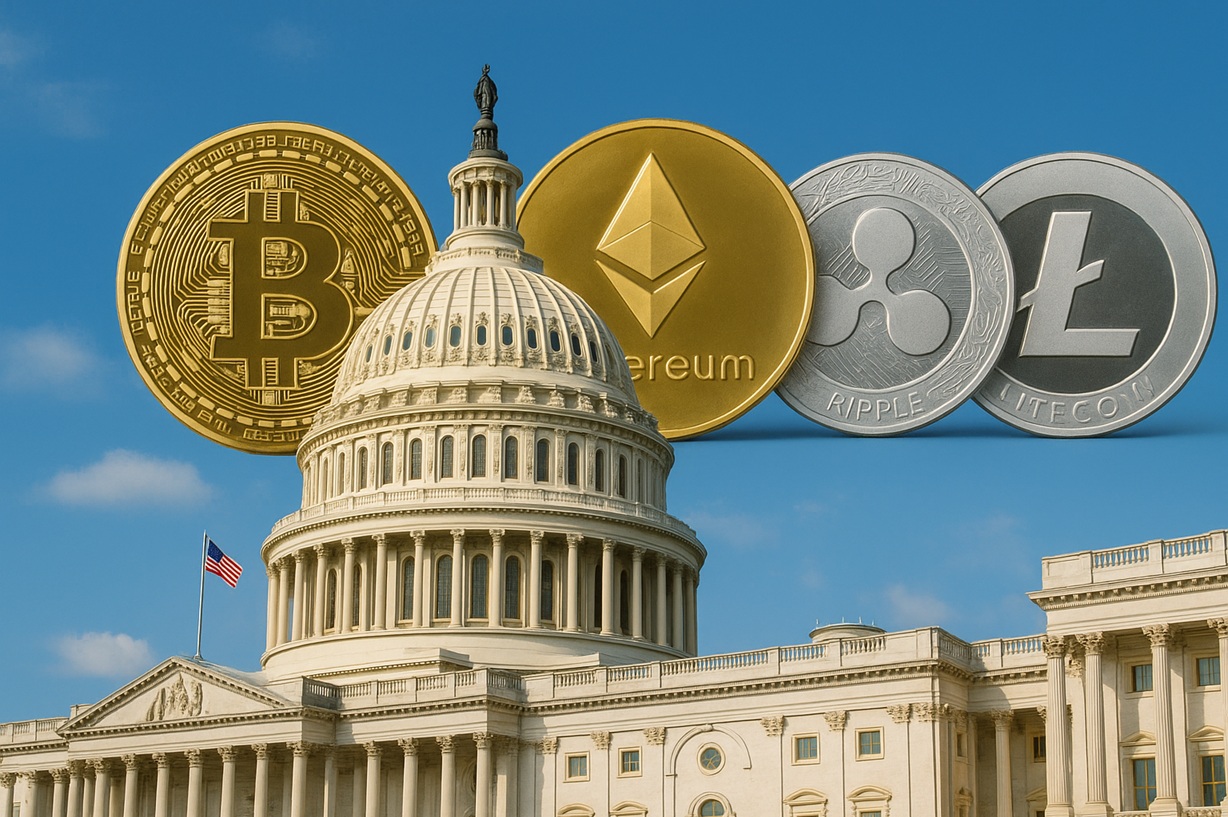

In the ever-evolving landscape of the cryptocurrency sector, the recent advancements in crypto market structure legislation signal significant regulatory shifts aimed at establishing a more transparent framework. As Democratic Senators advocate for this comprehensive bill, they have filed amendments focused on enhancing crypto ethics, designed to address potential conflicts of interest within the industry. These developments are occurring just ahead of the crucial Senate Agriculture Committee markup, which is poised to clarify federal rules governing digital assets. Additionally, the proposed changes aim to define agency oversight roles, ensuring clearer guidance for investors and market participants alike. With ongoing discussions surrounding various aspects of US crypto regulation, including potential delays and the role of CFTC commissioners, the outcome of this legislation could have lasting impacts on the digital asset landscape.
The conversation surrounding regulatory measures in the digital currency arena is gaining momentum, particularly with the introduction of legislation aimed at refining the operational framework of crypto markets. This proposed digital asset legislation is of paramount importance as it addresses pressing issues such as ethical standards within the crypto ecosystem and seeks to mitigate any conflicts arising from government officials’ involvement in the industry. As senators prepare for a critical markup session, the implications of these new regulations are being closely monitored by stakeholders keen on understanding the future of US crypto governance. The benefits of establishing a well-defined structure for digital currencies could pave the way for increased investor confidence and clearer compliance pathways. With the potential for delays in the legislative process, the industry’s response remains crucial in shaping the direction of US crypto regulation.
| Key Point | Details |
|---|---|
| Ethics-Focused Amendments | Democratic Senators filed amendments to address conflicts of interest regarding US officials profiting from the crypto industry. |
| Michael Bennet’s Digital Asset Ethics Act | A notable amendment aimed at preventing US officials from profiting from the crypto sector. |
| Senator Amy Klobuchar’s Amendment | Proposes delaying the bill’s implementation until all CFTC commissioner positions are filled. |
| Credit Card Competition Act | Amendment to prohibit credit card networks from requiring exclusivity on credit cards. |
| Markup Meeting Challenges | The Senate markup may be postponed due to an incoming snowstorm predicted to hit Washington D.C. |
Summary
Crypto market structure legislation is currently under scrutiny as Democratic Senators propose amendments to improve ethics and oversight within the sector. This legislative effort aims to clarify federal regulations governing digital assets, ensuring ethical compliance and addressing potential conflicts of interest. As stakeholders await further developments, including the Senate markup scheduled for Tuesday, the outcome could significantly shape the regulatory landscape for the crypto industry.
Understanding Crypto Market Structure Legislation
The ongoing discussion around crypto market structure legislation reflects the growing need for clear regulatory guidelines governing digital assets. In recent years, the explosive growth of cryptocurrencies prompted lawmakers to reconsider existing frameworks and advocate for reforms that enhance both investor protection and market integrity. Central to these legislative efforts is the goal of establishing a robust regulatory framework that addresses not only market practices but also the ethical considerations involving public officials deeply involved in the industry.
This legislation aims to clarify the roles of various agencies overseeing digital assets, including the Securities and Exchange Commission (SEC) and the Commodity Futures Trading Commission (CFTC). By doing so, it seeks to create a harmonious regulatory environment that fosters innovation while ensuring that investors are adequately protected from potential risks. Additionally, discussions regarding crypto ethics amendments reflect a significant concern about conflicts of interest, especially as some politicians hold ties to firms benefiting from these digital currencies.
The Role of CFTC in Digital Asset Regulation
At the heart of crypto market structure legislation is the involvement of the Commodity Futures Trading Commission (CFTC). With the responsibility of overseeing derivatives and futures trading in this space, the agency’s role is becoming increasingly important as debates on appropriate regulatory measures unfold. As highlighted by Senator Amy Klobuchar’s proposed amendment, which seeks to delay legislation until the full complement of CFTC commissioners is in place, the effectiveness of this oversight ultimately depends on the agency’s capability to function efficiently.
Currently, the CFTC operates with only one seated commissioner, which raises concerns about the comprehensiveness of their regulatory approach. The urgency to fill the remaining commissioner positions reflects broader uncertainty surrounding how the agency will implement regulations. The delay in appointing commissioners might hinder timely responses to trading practices, particularly those involving popular assets like stablecoins and decentralized finance products, making swift regulatory action vital in a rapidly evolving landscape.
The Impact of Amendments on Crypto Legislation
The inclusion of ethics-focused amendments by US Democratic Senators in the crypto market structure legislation marks a significant shift toward ensuring integrity in how cryptocurrency regulations are crafted. For instance, Senator Michael Bennet’s Digital Asset Ethics Act aims to address potential conflicts of interest among public officials profiting from the industry. This proactive approach signals a growing recognition that, alongside regulatory clarity, ethical considerations must also be prioritized to maintain public trust.
Furthermore, other supportive amendments, like those from Senators Roger Marshall and Dick Durbin, demonstrate a broader commitment to creating a fair and transparent environment for all stakeholders involved in digital assets. These amendments not only emphasize regulatory compliance but also aim to ensure that market players and consumers are not adversely affected by biases stemming from connections between lawmakers and the crypto industry.
Postponements and Their Effects on Legislation
The Senate markup for the crypto market structure legislation has faced delays, most recently attributed to discord over key components such as stablecoin rewards. The unpredictability surrounding these markups, with the threat of adverse weather conditions like snowstorms also looming, raises questions about the Senate’s ability to advance its agenda in an efficient manner. Such delays not only prolong the legislative process but also inhibit the urgent need for regulatory clarity that both investors and market participants crave.
This uncertainty can lead to increased volatility within the crypto market as stakeholders react to the fluctuating timelines and potential outcomes of the legislation. For major players like Coinbase, the inability to support the legislation could signify a waning sense of confidence, which may ripple through the marketplace. As such, the stakes are not just political but significantly impact the broader landscape of US crypto regulation.
Ethics and Accountability in Crypto Regulation
With the rise of cryptocurrencies, discussions about ethics are becoming increasingly pertinent. The introduction of the Digital Asset Ethics Act aims at establishing accountability among US officials who may directly or indirectly benefit from the crypto sector. This facet of crypto legislation addresses concerns that improper relationships could influence policy-making, potentially skewing regulations in favor of a select few rather than providing equitable frameworks that benefit the larger community.
As lawmakers grapple with these ethical dilemmas, the stakes are particularly high given the rapid growth of digital assets. Establishing clear guidelines not only aims to mitigate conflicts of interest but also ensures investor confidence in the regulatory landscape. As cryptocurrencies become mainstream financial instruments, it remains crucial that ethical considerations are woven into the regulatory fabric to foster an environment where innovation can thrive while upholding public trust.
Anticipating Future Developments in Crypto Regulation
As the Senate grapples with ongoing discussions around the crypto market structure legislation, stakeholders are left looking towards the future with both hope and concern. The emphasis on ethics, accountability, and proper oversight reflects an evolving understanding of how digital assets should be managed in the context of evolving economic systems. With the potential for further amendments and debates, the landscape may shift significantly depending on the outcomes of these discussions.
Additionally, with continuous advancements in technology driving the crypto market, it’s imperative that regulatory frameworks not only address current challenges but also anticipate future developments. The balance between fostering innovation and ensuring compliance will be critical in shaping how the US approaches digital asset legislation. As we move forward, consistent engagement between lawmakers, industry players, and consumers will be necessary to navigate this complex and rapidly changing environment.
Challenges in Achieving Consensus for Crypto Regulation
One of the greatest challenges in establishing effective crypto regulation lies in achieving consensus among diverse stakeholders, each with their own interests and priorities. The recent Senate markup delays illustrate the complexities involved in reconciling different viewpoints, particularly when it comes to specific provisions such as stablecoin regulations. Legislators must navigate these disagreements to create comprehensive and workable regulatory frameworks.
The varying perspectives on crypto regulation highlight the need for more inclusive dialogues that consider not just the government’s interests but also the perspectives of market participants. Engaging with stakeholders across the crypto ecosystem—from established exchanges to retail investors—will be essential in crafting legislation that is not only fair but also effective in addressing the unique challenges posed by this innovative framework.
The Implications of Regulation on Market Dynamics
The introduction of robust crypto market structure legislation is poised to redefine market dynamics significantly. By implementing clear regulations and ethical amendments, the government aims to stabilize an industry known for its volatility. Clear guidelines can provide confidence to potential investors, encouraging broader participation in the market while also safeguarding against fraudulent practices.
Moreover, the implications of regulatory actions resonate throughout the entire market ecosystem—from existing players to new entrants. Enhanced clarity can create a level playing field, reducing the risks associated with regulatory uncertainties. As businesses and consumers adapt to new guidelines, a stronger, more transparent market structure may ultimately emerge, fostering sustainable growth in the digital asset sector.
The Future of Digital Asset Legislation in the US
As the landscape of digital assets continues to evolve rapidly, so too must the legislation surrounding them. With increasing interest from consumers and investors alike, US lawmakers are faced with the dual challenge of fostering innovation while implementing necessary safeguards. The current discourse surrounding crypto market structure legislation signals a pivotal moment, where the need for a structured regulatory approach is paramount.
Future digital asset legislation will likely reflect a more comprehensive understanding of both the opportunities and risks posed by cryptocurrencies. As the Senate markup unfolds, it will establish precedents that will shape the regulatory framework for years to come. Lawmakers are tasked not only with addressing present concerns but also anticipating future trends, ensuring that regulations remain relevant and adaptable as the digital economy continues to progress.
Frequently Asked Questions
What is the purpose of the crypto market structure legislation in the US?
The crypto market structure legislation aims to provide regulatory clarity on digital assets, define agency oversight, and establish federal rules for investors and market participants, addressing concerns about the evolving crypto landscape.
How do the ethics-focused amendments impact the crypto market structure legislation?
The ethics-focused amendments, such as Senator Michael Bennet’s Digital Asset Ethics Act, seek to prevent conflicts of interest by ensuring that US officials do not profit from the crypto industry, thereby enhancing trust in government oversight of digital assets.
What role does the CFTC play in the crypto market structure legislation?
The Commodity Futures Trading Commission (CFTC) is central to the crypto market structure legislation as it is responsible for overseeing derivatives markets related to digital assets. The legislation’s implementation is proposed to be delayed until the CFTC has a full set of commissioners.
What are the consequences of the Senate markup delay for digital asset legislation?
The Senate markup delay has significant implications for digital asset legislation, postponing necessary regulatory clarity and potentially affecting investor confidence in the market while negotiations continue over issues like stablecoin regulations.
How does the crypto ethics amendments address conflicts of interest?
The crypto ethics amendments, such as those filed by US Senators, specifically target conflicts of interest by prohibiting US officials from profiting from the crypto sector, thus fostering a more ethical framework in the development of crypto market structure legislation.
What concerns do Democratic Senators have regarding President Trump and crypto regulation?
Democratic Senators, including Elizabeth Warren, express concern over President Trump’s connections to the crypto industry and potential conflicts of interest, advocating for clearer regulations in the crypto market structure legislation to promote integrity in governance.
What aspects of the crypto market structure legislation are still under dispute?
Disputes over stablecoin rewards restrictions and other decentralized finance provisions have delayed the Senate markup for the crypto market structure legislation, reflecting the complexities of regulatory frameworks needed for digital assets.
How might external factors, such as weather, affect the Senate markup of the crypto market structure legislation?
Impending weather events, like a snowstorm forecasted in Washington D.C., may lead to further delays in the Senate markup for the crypto market structure legislation, impacting the overall timeline for regulatory implementation and clarity in the crypto sphere.
Related: More from Ethereum News | Ethereum Network Transactions Hit New Record: What It Means for You | 30,000 ETH Withdrawn: What It Means for Binance and Ethereum