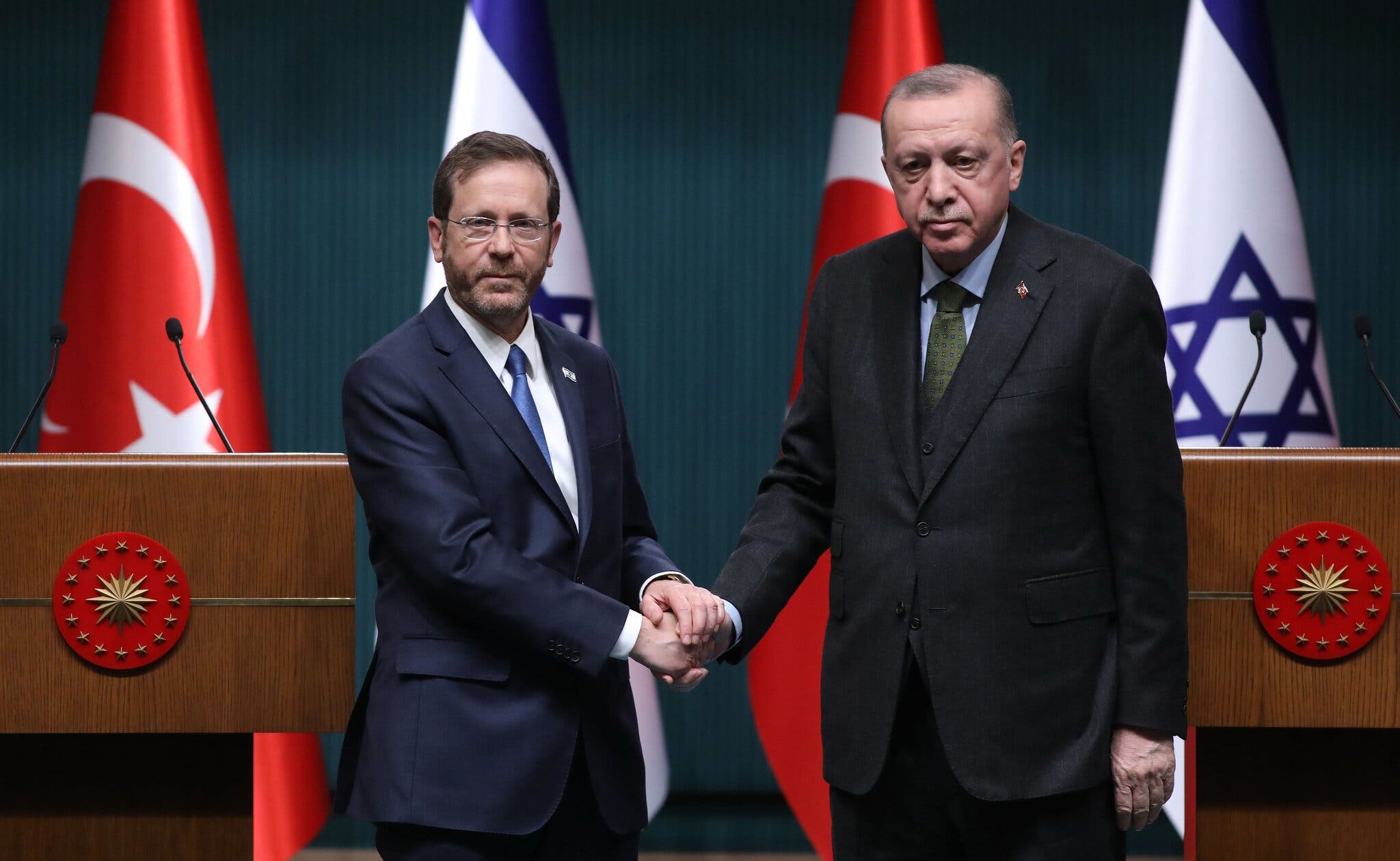

Turkey Israel relations have long been a focal point in Middle East geopolitics, shaped by both collaboration and tension. Recently, these ties have been tested amid reports that the Turkish Foreign Minister indicated possible Israeli military actions targeting Iran, reflecting deep-seated concerns regarding Iran’s nuclear threats. As these nations navigate their foreign policy implications, the tension between Turkey and Iran further complicates the regional dynamics. This intricate web of diplomacy and military strategy not only influences the bilateral relations of Turkey and Israel but also echoes across the broader spectrum of Middle Eastern alliances. Understanding the evolving Turkey Israel relations is crucial for anyone looking to grasp the complexities of current geopolitical strategies in the region.
The diplomatic interactions between Turkey and Israel represent a critical element in the intricate tapestry of Middle Eastern diplomacy. As these nations address regional security concerns, including the potential escalation of military interventions linked to Iran, their relationship becomes increasingly significant. Observers note that Turkey and Israel’s foreign strategies have profound implications for regional stability, particularly in light of ongoing Turkey Iran tension. Moreover, the dynamics surrounding Israel’s military actions are pivotal not only for those two countries but also for broader regional alliances and conflicts. Thus, analyzing these relationships sheds light on the shifting landscape of power and influence in Middle Eastern geopolitics.
| Key Points |
|---|
| Turkish Foreign Minister indicates concerns over Israel’s intentions towards Iran. |
| Recent geopolitical tensions highlight Turkey’s proactive stance on regional security. |
| The relationship between Turkey and Israel is strained due to differing approaches to Iran. |
Summary
Turkey Israel relations have become increasingly complex as Turkish Foreign Minister recently revealed that there are signs indicating Israel’s continued ambitions to target Iran. This statement not only illustrates the geopolitical tensions surrounding the issue but also underscores the crucial role of diplomatic communications between Turkey and Israel. As both nations navigate their respective security concerns, the implications of such aggressive posturing will likely influence their bilateral relations moving forward.
The Growing Tension Between Turkey and Iran
The tensions between Turkey and Iran have been exacerbated in recent years, particularly due to regional power struggles and differing foreign policy approaches. Turkey’s concern over Iran’s nuclear program poses a significant threat to the stability of the Middle East. As Iran continues to advance its nuclear capabilities, fears mount over a potential arms race in the region. This has led to increased scrutiny of Turkish foreign policy as it balances its relations with Tehran while concurrently addressing the perceived threats posed by Israel’s military actions.
Moreover, the entanglement of Turkey in these geopolitical tensions highlights the complexities of regional alliances. While Turkey has historically maintained a mutual interest with Iran, the growing assertiveness of Israeli military actions in the region creates a precarious situation. As both countries maneuver through their foreign policy decisions, the implications for Turkey-Iran relations are profound, especially with rising concerns over Iran’s influence in the Levant.
Turkey Acknowledges Israel’s Potential Military Actions
In recent statements, Turkish Foreign Minister has acknowledged signs that Israel remains poised to engage in military actions against Iran. This assertion is alarming to many in the region as it amplifies the existing friction and the potential for conflict. The fears are not unfounded, given Israel’s historical preemptive strikes aimed at mitigating perceived threats from Iran’s military capabilities. Such developments indicate a dire need for diplomatic channels to prevent escalation, as the ongoing hostilities could lead to irreversible consequences for regional stability.
Turkish officials are increasingly vocal about their stance on Israel’s aggressive posture. They believe that any military escalation by Israel may provoke a broader conflict involving Iran, impacting Turkey’s national security and foreign relations. This situation exemplifies the intricate nature of Middle East geopolitics, where actions taken by one nation may necessitate swift responses or policy shifts from another, reflecting Turkey’s crucial role in maintaining balance amidst these tensions.
Understanding Turkey’s Position on Israel-Iran Relations and Regional Geopolitics
Turkey’s position in the ongoing Israel-Iran standoff is both strategic and pragmatic. As a key player in Middle East geopolitics, Turkey must navigate its complex relationships with both nations while considering its regional interests. The Turkish government has consistently sought to leverage diplomacy over conflict. However, as relations between Israel and Iran deteriorate, Turkey’s efforts to mediate may be tested. Observers note that Turkey’s geographical proximity to Iran and its historical ties provide it with unique leverage, yet this comes with the responsibility to act wisely as tensions escalate.
The implications of Turkey’s engagement in these affairs are profound, particularly in terms of foreign policy. Should Turkey lean significantly towards one side, it may risk alienating the other, deterring potential alliances that could benefit its national interests. Therefore, analyzing the geopolitical landscape requires an understanding of Turkey’s balancing act—a task made all the more critical in light of potential Iranian nuclear threats and the accompanying military implications of Israel’s actions. As Turkey maneuvers through this complex terrain, the international community watches closely for its responses.
Frequently Asked Questions
What are the current developments in Turkey Israel relations regarding military actions in Iran?
Recent statements from the Turkish Foreign Minister indicate that there are ongoing concerns in Turkey regarding Israel’s military actions aimed at Iran. This situation has direct implications for Turkey Israel relations, as Turkey monitors Israel’s foreign policy moves closely, particularly in the context of Middle East geopolitics.
How do Turkey Iran tensions affect Turkey Israel relations?
Turkey Iran tensions play a significant role in shaping Turkey Israel relations. As Turkey navigates its foreign policy in the Middle East, its stance on Israel’s actions towards Iran could either escalate or mitigate tensions, influencing broader regional dynamics.
What are the foreign policy implications of Israel’s actions towards Iran for Turkey Israel relations?
Israel’s actions regarding Iran could have profound foreign policy implications for Turkey Israel relations. Should Israel continue its military posture against Iran, it may provoke Turkey to reassess its diplomatic ties with Israel, considering Turkey’s strategic interests and regional alliances.
In what ways are Israel’s military actions impacting Middle East geopolitics and Turkey Israel relations?
Israel’s military actions not only impact its relations with Iran but also significantly influence Middle East geopolitics and Turkey Israel relations. An escalation in conflict could lead to a re-alignment of alliances, forcing Turkey to take a firmer stance based on its geopolitical interests.
What are the broader geopolitical consequences of Turkey Israel relations amidst the Iran nuclear threat?
The ongoing Iran nuclear threat complicates Turkey Israel relations by introducing new layers of geopolitical tensions. Turkey’s foreign policy must balance its regional interests with its diplomatic relationship with Israel, which could become strained under the looming threat of Iran’s nuclear capabilities.
Related: More from Regulation & Policy | Anthropic Completes 0 Billion Funding Round, Valuing Company at 80 Billion | Gold Market Speculation: What Treasury Secretary Bessent Says