
The dollar index, a key indicator of the U.S. dollar’s value against a basket of foreign currencies, is poised for significant movement as it may record its largest weekly decline since June of last year. Recent reports suggest that the dollar value could drop by 1%, raising alarm bells among investors tracking forex market news. This anticipated downturn is attributed to various geopolitical concerns, including Donald Trump’s controversial Greenland threat which has sparked uncertainty in the markets. The effects of this potential dollar index fluctuation are felt not just in the U.S. but also in foreign exchange rates globally, possibly leading to a shift in weekly dollar decline patterns. As traders navigate this evolving landscape, understanding factors influencing the dollar’s performance is crucial for making informed investment decisions.
The dollar index, also referred to as the DXY, is an essential measure for assessing the strength of the American currency relative to its international counterparts. As economic conditions evolve, it acts as a barometer for the dollar’s health amidst fluctuating global trade dynamics. Investors are closely watching for any signs that might anticipate a potential dollar value drop, particularly in light of recent geopolitical tensions. Shifts in this index can signal broader trends affecting foreign exchange markets, making it imperative for market participants to stay updated with the latest forex market news. Understanding these relationships enhances one’s ability to react strategically in fast-changing financial environments.
| Key Point | Details |
|---|---|
| Largest Weekly Decline | The dollar index is projected to decline by 1% this week, the largest since June 2025. |
| Date of Report | The report was made on January 23, 2026, at 07:09. |
| Investor Concerns | Concerns have arisen due to Trump’s Greenland threat and a sudden market reversal. |
| Expert Opinion | Thierry Wizman from Macquarie Group highlighted that while the Greenland agreement tackles tariffs and invasions, it fails to address deeper issues among allies. |
Summary
The dollar index has been under scrutiny as it faces its largest single-week decline since June of last year. This 1% drop reflects ongoing investor concerns, particularly in light of political uncertainties surrounding Trump’s Greenland negotiations. As the market reacts to these developments, the dollar index’s trajectory will depend significantly on both domestic and international responses to these challenges.
Understanding the Dollar Index’s Impact on the Forex Market
The dollar index (DXY) serves as a benchmark for measuring the value of the U.S. dollar against a basket of foreign currencies. As the dollar faces potential declines, investors closely watch this index to gauge the strength or weakness of the dollar in the global forex market. When the dollar index drops significantly, as anticipated this week, it can lead to fluctuations in foreign exchange rates, impacting international trade and investment decisions. A weakening dollar not only affects U.S. imports but can also influence export competitiveness, leading to a broader economic impact.
In this scenario, we see the dollar index possibly dropping by 1%, indicating a substantial shift that could influence investor sentiment and trading strategies. Such movements often coincide with geopolitical events or economic changes, as seen with Trump’s Greenland threat raising concerns about U.S. foreign relations. Traders in the forex market are particularly sensitive to these developments, which may lead to increased volatility and dramatic shifts in currency values as they adapt to the new landscape.
Analyzing the Effects of the Weekly Dollar Decline
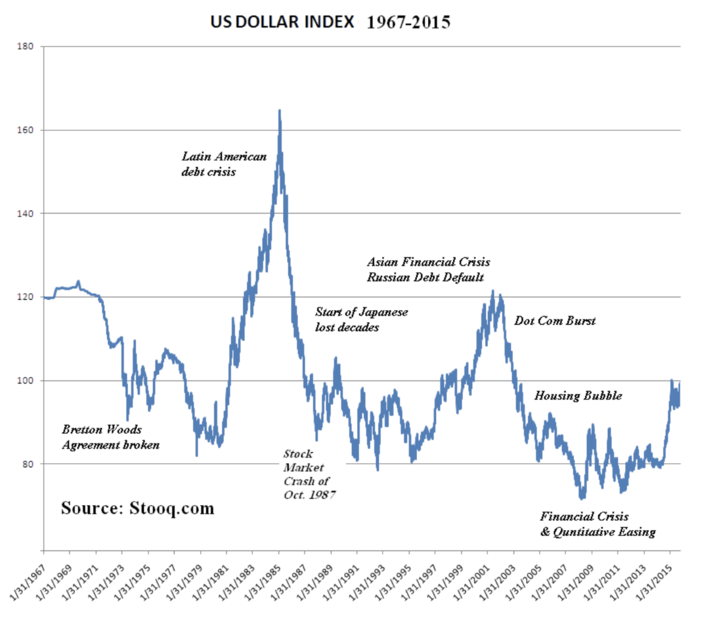
The anticipated weekly dollar decline could mark an important moment in the forex market, as this may reflect deeper underlying economic issues. A 1% drop in dollar value not only signals a weakening currency but also highlights potential instability in investor confidence. This week’s decline could lead to a shift in forex market trends, where traders might seek safer assets, resulting in a flight to currencies perceived as ‘safe havens.’ Historical data shows that significant declines in the dollar often precede adjustments in global economic forecasts.
Moreover, a weekly dollar decline could trigger changes in interest rate expectations, as the Federal Reserve may respond to economic signals by adjusting monetary policy. Analysts predict that such shifts could lead to a realignment in foreign exchange rates, altering the balance of power among other global currencies. Traders must stay alert and informed about both domestic and international news that could further impact the dollar’s performance, reinforcing the importance of understanding the broader economic climate.
The Geopolitical Influence on Dollar Value: Trump’s Greenland Threat
Geopolitical factors significantly influence the dollar’s value, particularly through events that provoke market uncertainty. The recent discussions surrounding Trump’s Greenland threat exemplify how political statements can affect forex markets, causing fluctuations in investor confidence. This week’s anticipated dollar decline may be partially attributed to investor reactions to these geopolitical dynamics, which could create an atmosphere of volatility. As uncertainties rise, traders may adjust their portfolios to mitigate risk, impacting the dollar’s strength on the international stage.
This geopolitical tension not only influences immediate reactions in the forex market but also can lead to long-term consequences in how foreign currencies are valued against the dollar. Economic analysts frequently assess the ramifications of such political events, understanding that they contribute to the overall narrative surrounding dollar performance. Keeping an eye on developments, including Trump’s rhetoric and its implications for international relations, helps forex traders navigate potential pitfalls during times of uncertainty.
Forex Market News: Implications of Dollar Weakness
The latest forex market news is dominated by the expectations of a significant dollar decline this week, as the dollar index approaches one of its largest weekly drops since mid-2025. Such news can dramatically affect market dynamics, as traders and investors react to the perceived weakness in the U.S. currency. In turn, this could lead to increased speculation on currency pairs involving the dollar, as well as affecting commodities priced in dollars, such as oil and gold.
As the week progresses, forex analysts will likely focus on key indicators, attempting to provide insights into how the dollar’s performance will influence global trade and investment decisions. News cycles will include not only market reactions but also projections on future dollar value drops and how they interplay with shifting foreign exchange rates. Such information becomes crucial for anyone involved in the forex market, whether they are hedging against risks or seeking to capitalize on potential opportunities arising from dollar fluctuations.
Investor Sentiment Amidst Dollar Value Drops
Investor sentiment plays a pivotal role in shaping the dynamics of the forex market, especially during times of uncertainty marked by dollar value drops. As the dollar index indicates a potential decline, traders often reassess their strategies based on risk tolerance and market perception. This week, as the dollar could experience its most significant drop in over a year, market participants may exhibit heightened caution, impacting trading volumes and liquidity.
In light of recent events, including geopolitical tensions and economic forecasts, many investors might lean towards diversification to shield their portfolios against potential losses. The response of the foreign exchange market to fluctuations in the dollar will reflect broader investor sentiment, likely creating a cycle of reaction where traders constantly adapt to new information and developments. Understanding these sentiment shifts genuinely reflects the intricate relationships within the forex marketplace.
Looking Ahead: Future of the Dollar in the Forex Market
As we look ahead, the future trajectory of the dollar within the forex market is uncertain, particularly given the current forecasts of marked declines. Traders will be closely monitoring key economic indicators, including inflation rates, employment data, and geopolitical developments that could influence foreign exchange rates. Every shift in market dynamics has the potential to alter the dollar’s strength, making ongoing analysis crucial for informed trading.
The sentiment around the dollar is not static; it evolves with both domestic and international developments. Understanding historical contexts of previous dollar declines can provide insights into potential outcomes, helping forex participants prepare for various scenarios. Observing trends and patterns in currency movements may offer opportunities for strategic investments, whether through short-selling the dollar or seeking advantageous currency pairs.
Strategies for Navigating Dollar Fluctuations
Navigating dollar fluctuations effectively requires a robust understanding of market trends and risk management. As the dollar index indicates signs of significant decline, traders should consider developing strategies that account for potential volatility and seek to mitigate losses. Employing various trading techniques, such as options and futures contracts, can provide avenues to hedge against adverse movements, allowing investors to safeguard their capital during periods of uncertainty.
Additionally, staying informed through regular forex market news updates can enhance decision-making processes. Understanding the broader implications of dollar value changes allows traders to capitalize on emerging opportunities while remaining vigilant about their positions. The interplay between dollar performance and foreign exchange rates offers a complex landscape that rewards those who are proactive in their trading approach.
The Role of Economic Indicators in Dollar Performance
Economic indicators remain crucial in determining the performance of the dollar on the global stage. Metrics such as GDP growth, employment data, and consumer confidence can steeply influence the dollar index, affecting forex market stability. As traders anticipate the upcoming dollar decline, they will assess how these indicators align with their expectations of future currency movements and adjust their trading strategies accordingly.
Moreover, understanding how these economic indicators correlate with geopolitical events will help traders navigate potential market shifts. Economic outlooks typically drive investor behavior, creating a ripple effect in foreign exchange rates. Thus, keeping abreast of significant economic developments not only informs potential trading decisions but also provides competitive insights into future market environments.
The Interconnection between the Dollar and Global Economies
The U.S. dollar serves as a linchpin within the global economy, heavily influencing foreign exchange rates and international trade dynamics. A notable decline in the dollar’s value can reverberate through various economies, affecting their trade balances and economic health. As other currencies strengthen against the dollar, countries may find themselves at a competitive advantage, altering traditional trade scenarios.
These interconnected economic frameworks necessitate vigilant monitoring of dollar fluctuations and their implications on global markets. As traders navigate the complexities inherent in forex trading, understanding how the dollar relates to foreign currencies becomes essential. This knowledge offers valuable insights into potential trading outcomes and strategic investment planning in a rapidly changing economic environment.
Frequently Asked Questions
What factors are contributing to the recent dollar index decline?
The recent dollar index decline can be attributed to various factors, including geopolitical concerns such as Trump’s Greenland threat, which has raised investor anxiety. This has led to a significant dollar value drop of around 1%, marking the largest weekly decline since June 2025.
How does the dollar index impact foreign exchange rates?
The dollar index serves as a benchmark for the strength of the U.S. dollar against a basket of foreign currencies. Changes in the dollar index can influence forex market news and dynamic shifts in foreign exchange rates, impacting global trade and investment.
What does a large weekly dollar decline mean for investors?
A large weekly dollar decline suggests volatility in the forex market, which can affect investment decisions. Investors often respond to such declines by reevaluating their positions or diversifying to mitigate risk.
How is the forex market reacting to the dollar’s value drop?
The forex market is responding to the dollar’s value drop with increased volatility and caution. Traders are closely monitoring the dollar index and geopolitical news, particularly concerns surrounding Trump’s Greenland threat, which could influence trading strategies.
What historical trends can we see in the dollar index during election years?
Historically, during election years, the dollar index tends to experience increased fluctuations, often reflecting investor sentiment regarding political stability. The current situation regarding Trump’s Greenland threat may further exacerbate these trends.
Why is the dollar index important for understanding global economics?
The dollar index is critical for understanding global economics as it reflects the health of the U.S. economy and its impact on international trade. It serves as a key indicator for foreign exchange rates and can influence global market confidence.
What should investors look for in the forex market amid the dollar index fluctuations?
Investors should pay attention to economic indicators, geopolitical developments like Trump’s Greenland threat, and trends in the dollar index to make informed decisions in the forex market amid these fluctuations.
Related: More from DeFi & Stablecoins | Aixovia Burns 90,357,968 AIXDROP Tokens On-Chain Proof | Arthur Hayes Liquidates DeFi Tokens: A $3.48 Million Loss You Should See