
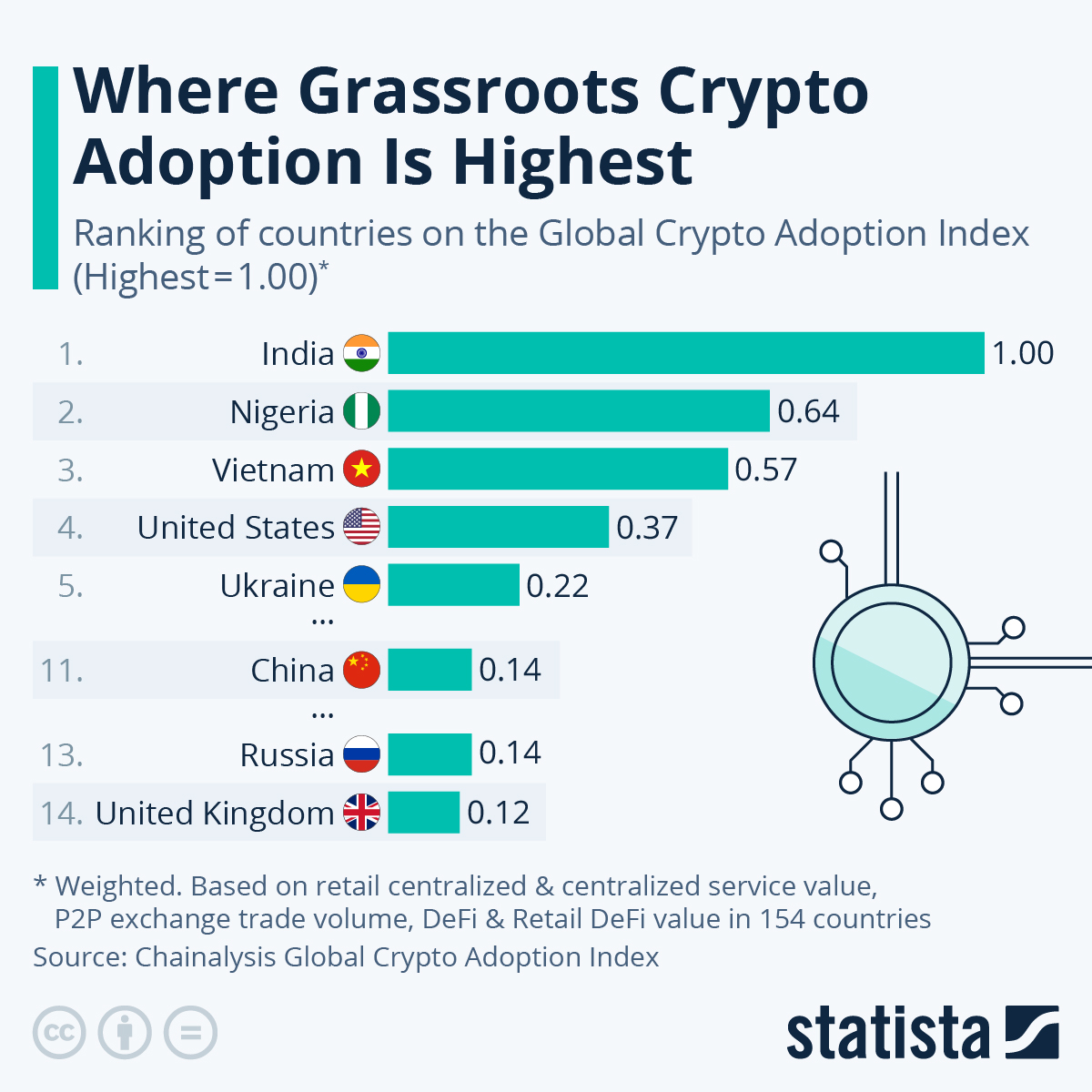

Crypto adoption is rapidly transforming the financial landscape across the globe, with varying levels of acceptance emerging among different regions. As highlighted by PricewaterhouseCoopers (PwC), while the technology behind cryptocurrencies is universal, its embrace is often specialized, shaped by local economic conditions and financial infrastructures. This fragmented scenario reveals significant trends, such as the robust institutional interest in crypto that seems to reflect a pivotal shift in market dynamics. With increasing attention on global crypto regulations, organizations are beginning to recognize the potential of digital currency to revolutionize payments, remittances, and capital markets. Meanwhile, the impact of crypto on markets is becoming more pronounced, making it essential for investors and stakeholders alike to stay informed about this evolving ecosystem.
The surge in digital currency usage signifies a monumental shift in how assets are conceptualized and traded worldwide. As organizations and financial institutions increasingly integrate cryptocurrencies into their operations, the discussions around blockchain utilization and regulatory frameworks have never been more pertinent. Various stakeholders are now navigating the complexities of crypto economies, trying to harness benefits while mitigating risks. Institutional engagement is no longer a niche interest; it has turned into a fundamental aspect of modern finance, compelling entities to adapt to these emerging cryptocurrency trends. As this metamorphosis continues, monitoring the evolving landscape of digital assets will be crucial for understanding market trajectories and the future of global finance.
| Key Point | Details |
|---|---|
| Crypto Adoption Rates | Differs globally, influenced by economic conditions, financial inclusion, and existing infrastructure. |
| Institutional Interest | Institutional adoption has passed the point of no return, with institutions embedding digital assets into their operations. |
| Impact of Regulations | Variations in regulations can influence institutional sentiment and adoption rates. |
| Bitcoin Accumulation | 577,000 BTC worth approximately $53 billion accumulated by institutions over the past year. |
| Price Predictions | Institutions may not drive prices as anticipated without major market catalysts. |
Summary
Crypto adoption is significantly reshaping the financial landscape worldwide. As various regions experience different rates of adoption influenced by local economic conditions, the growing institutional interest signals a pivotal moment for this technology. While concerns about regulatory impacts persist, the assurance provided by institutions embedding digital assets into their core operations reflects a new era for financial systems. However, despite this progress, drivers for substantial price increases remain uncertain, emphasizing the nuanced dynamics of crypto adoption in today’s economy.
The State of Crypto Adoption Worldwide
The global landscape of crypto adoption is marked by significant disparities that vary from region to region. According to a recent report by PricewaterhouseCoopers (PwC), while cryptocurrencies and blockchain technologies are inherently designed to transcend borders, the actual level of adoption is uneven. In regions where economic conditions are favorable and financial inclusion is prioritized, there has been a noticeable acceleration in the integration of cryptocurrency into everyday transactions. For instance, countries with advanced fintech ecosystems are implementing blockchain solutions for payments, remittances, and capital markets, thereby demonstrating a clear trend toward embracing digital assets.
Conversely, other regions grappling with economic instability or outdated financial infrastructures are witnessing slower adoption rates. The fragmented nature of global crypto adoption leads to a scenario where different markets harness the potential of cryptocurrencies to address unique financial challenges. This variability not only affects the strategies of cryptocurrency businesses but also shapes the overall landscape of blockchain technology across the globe.
Institutional Interest in Crypto: A New Era
The emergence of institutional interest in cryptocurrencies marks a pivotal moment in the financial landscape. As reported by PwC, institutions including banks, asset managers, and corporate entities are integrating digital assets into their core operations. This shift signifies a departure from viewing crypto as a speculative investment; instead, it’s seen as a viable asset class worthy of serious consideration. With institutional funds accumulating a staggering 577,000 Bitcoin over the past year, there is a tangible movement toward embedding cryptocurrency into mainstream financial practices.
However, the drive toward institutional adoption is not devoid of challenges. Analysts caution that a change in political sentiment could overshadow the momentum gained so far. With the potential for future administrations to impose stricter regulations on cryptocurrencies, institutional players may adopt a cautious approach. Ultimately, while the trend of institutional investment indicates a maturing market, it raises questions about the longevity of this interest amidst inevitable political fluctuations.
The Impact of Global Crypto Regulations
Global crypto regulations have become a crucial factor influencing the landscape of cryptocurrency adoption. As seen with the initiatives undertaken by various governments, regulatory frameworks are being developed to foster a safer environment for crypto transactions, which in turn boosts institutional interest. By clarifying the operational boundaries and compliance requirements, these regulations help in removing uncertainty that often deters potential investors from embracing cryptocurrencies. Such clarity is critical in upholding confidence among institutional players, as they navigate the complexities of integrating digital assets into traditional financial structures.
However, the fragmented approach to regulation around the world can lead to inconsistencies in how cryptocurrencies are used and accepted. Some jurisdictions offer robust regulatory support, encouraging innovation and investment, while others impose strict limitations that can stifle growth. This uneven regulatory landscape necessitates adaptable strategies for crypto firms and institutions looking to expand their reach and capitalize on emerging opportunities. The interplay between regulatory approaches and crypto adoption will significantly shape the future trajectory of the crypto market.
Trends Shaping the Future of Cryptocurrency
Several key trends are emerging in the cryptocurrency space that indicate its growth trajectory and inform the future of digital assets. First, the rise of stablecoins is reshaping financial transactions by offering a more stable alternative to traditional cryptocurrencies. These tokens utilize blockchain technology to provide the benefits of cryptocurrency—such as speed, anonymity, and lower transaction costs—while mitigating the volatility that has historically deterred mainstream adoption. As businesses and consumers begin to favor stablecoins for transactions, the overall acceptance of cryptocurrency is likely to increase.
Moreover, the integration of decentralized finance (DeFi) platforms represents a shift toward more user-controlled financial solutions. DeFi applications allow users to borrow, lend, and earn interest on their crypto holdings without intermediaries. This shift not only fosters financial inclusion but also reflects a growing demand for transparency and self-sovereignty in financial dealings. As such innovations gain traction, they contribute significantly to the evolving landscape of cryptocurrency, pushing it closer to widespread acceptance.
Decentralized Finance and Its Role in Crypto Adoption
Decentralized finance (DeFi) is at the forefront of the crypto revolution, actively driving cryptocurrency adoption among users who seek alternatives to traditional financial systems. By leveraging smart contracts and blockchain technology, DeFi platforms enable financial services such as lending, borrowing, and trading without the need for intermediaries like banks. This transformation democratizes access to financial services, allowing a broader spectrum of users to engage with digital assets and thus enhancing overall crypto adoption. As more people become aware of the benefits of DeFi, the normalization of cryptocurrencies in everyday transactions becomes increasingly plausible.
Moreover, the rise of DeFi comes with unique opportunities for innovation and new investment strategies. The advent of yield farming and liquidity mining rewards users for participating in the ecosystem, creating new avenues for earning income through cryptocurrency. These trends are pivotal as they attract both retail and institutional investors into the crypto space, further solidifying the position of digital currencies in the global economy. However, as DeFi continues to grow, it also raises questions regarding security, regulatory compliance, and the future of financial services, compelling both users and regulators to adapt to this rapidly changing environment.
The Role of Analysts in Shaping Crypto Perceptions
Analysts play a crucial role in shaping perceptions and expectations surrounding cryptocurrency and its market dynamics. With their insights, they help investors understand the volatility and trends that characterize the crypto landscape. For instance, when macro researcher Luke Gromen highlighted the potential limitations of institutional investors in driving Bitcoin prices to new highs, it prompted a re-evaluation of market strategies. Such analyses provide valuable context, enabling stakeholders to operate with a more informed outlook on the ever-evolving cryptocurrency markets.
Furthermore, market analysts contribute to building confidence among retail investors by providing evidence-backed forecasts and evaluations of industry trends. Their expertise is particularly vital in times of market turbulence, where speculative behaviors rise and can lead to significant fluctuations. By offering data-driven assessments, they help mitigate fears and encourage a more stable approach to investing in cryptocurrencies, ultimately supporting the ongoing push towards broader acceptance and utilization of digital assets within global financial systems.
The Future of Digital Currencies and Financial Integration
As the world increasingly turns to digital currencies, the integration of cryptocurrencies into national economies is becoming inevitable. The future of money might not only include decentralized cryptocurrencies but also central bank digital currencies (CBDCs), which some governments are exploring. The rise of CBDCs indicates a recognition of the need for a digital alternative that aligns with existing regulatory frameworks while maintaining the efficiency and benefits that cryptocurrencies offer. This integration could lead to a comprehensive digital currency ecosystem that harmonizes various forms of currency while ensuring stability and trust in the financial system.
With organizations and governments recognizing the need to engage with the cryptocurrency landscape, the prospects for economic growth and innovation within this sector appear robust. This evolution comes with the opportunity to address critical global financial hurdles, such as unbanked populations and cross-border transaction inefficiencies. As countries continue to explore the regulatory side of digital currencies, the fusion of traditional finance and blockchain technology indicates a bright future for global crypto adoption, further transforming how societies perceive and utilize money.
Institutional Adoption: Assessing Market Dynamics
The increasing institutional adoption of cryptocurrencies has sparked excitement and speculation about potential market dynamics. As institutions integrate crypto into their portfolios, the movement is viewed as a major endorsement of the technology, lending legitimacy that could drive broader acceptance among the public. However, analysts express caution, suggesting that while institutional investment brings stability, it may not lead to the explosive price increases that many hope for. Historical trends indicate that institutional money may have a more stabilizing effect on prices rather than causing speculative surges.
Moreover, significant reliance on institutional investors can create unique market dynamics. The presence of large players can both stabilize prices and, paradoxically, lead to volatility if coupled with sudden liquidation events or shifts in market sentiment. As institutions reshape market standards and striving towards governance and resilience, it is crucial for participants to understand these evolving dynamics. The future landscape of cryptocurrency will likely see institutions collaborating with innovative projects while being influenced by market trends and broader economic conditions.
Global Perspectives on Blockchain and Crypto Trends
The convergence of blockchain technology and cryptocurrencies across different global markets reveals a tapestry of diverse strategic perspectives. In nations with proactive regulatory environments, blockchain adoption is accelerating rapidly, showcasing innovations in payments, supply chain management, and governance. For example, countries like Singapore and Switzerland have positioned themselves as blockchain hubs, nurturing ecosystems conducive to both startups and institutional players involved in crypto. Such environments foster a culture of experimentation and technological advancement that could set precedents for crypto integration worldwide.
On the other hand, some regions remain hesitant in their approach, unsure about embracing blockchain technologies due to regulatory uncertainty and infrastructural limitations. This dichotomy illustrates the complex, multifaceted nature of global cryptocurrency trends, requiring analysts and investors to stay vigilant about regulatory developments and market opportunities on a regional level. Keeping abreast of local sentiments surrounding crypto could illuminate paths for enterprises aiming to expand their influence and operational footprint in the dynamic crypto landscape.
Frequently Asked Questions
What factors influence crypto adoption in different regions?
Crypto adoption varies by region due to economic conditions, financial inclusion, and existing infrastructure. According to PwC, while blockchain adoption is growing globally, it is uneven, addressing distinct issues like payments and remittances in various markets.
How is institutional interest in crypto shaping market dynamics?
Institutional interest in crypto has crossed a pivotal point, with banks and asset managers integrating digital assets into their operations. This trend has begun reshaping market norms, impacting governance and resilience in the cryptocurrency ecosystem, according to insights from PwC.
What role does global crypto regulation play in the growth of crypto adoption?
Global crypto regulations significantly affect crypto adoption as they provide the necessary framework for safe and reliable transactions. The establishment of clear regulations is crucial for encouraging institutional investment and facilitating broader blockchain adoption.
Are cryptocurrency trends indicating a sustainable future for crypto adoption?
Current cryptocurrency trends suggest a shift towards sustainable crypto adoption, particularly with increased institutional investment. This interest is accompanied by a growing acceptance and integration of digital assets into mainstream financial infrastructures.
Will institutional investments raise cryptocurrency prices significantly?
While institutional investments in cryptocurrencies are rising, analysts do not expect these investments to significantly elevate prices without a major market catalyst. Market dynamics suggest that the potential for large price increases remains dependent on various external factors.
Related: More from DeFi & Stablecoins | Aixovia Burns 90,357,968 AIXDROP Tokens On-Chain Proof | Arthur Hayes Liquidates DeFi Tokens: A $3.48 Million Loss You Should See