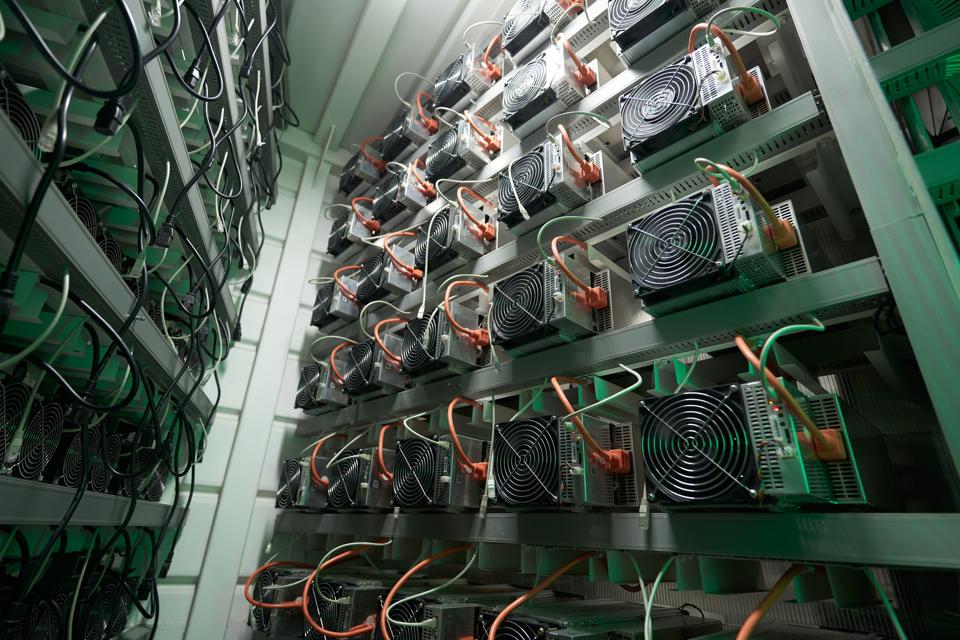

Bitcoin miners are the backbone of the cryptocurrency ecosystem, playing a crucial role in validating transactions and securing the network. As a significant winter storm approaches, forecasters warn that Bitcoin mining operations across the southern United States may face interruptions due to power outages and harsh weather conditions. The impending storm could disrupt electricity supply, prompting many miners to pause their activities to alleviate grid stress. Historically, during severe weather events, including a major winter storm in Texas in 2022, miners have voluntarily scaled back operations to support energy stability. Consequently, this relationship between extreme weather and Bitcoin mining highlights the broader crypto mining impact on power management, especially as the nation grapples with growing demands on its energy infrastructure.
In the world of cryptocurrency, digital asset validators are essential for maintaining operational integrity within blockchain networks. As extreme weather patterns emerge, their activities may be affected, particularly with upcoming winter storms posing challenges for power resources. These digital miners operate machinery that generates a significant hash rate, thus facilitating seamless transactions while also responding swiftly to external conditions such as power outages. The interconnectedness of their operations and energy consumption underscores their impact on the overall stability of energy grids, especially during severe climatic events. By adjusting their operations in response to energy demands, these entities illustrate the dual role of crypto mining in both contributing to the blockchain ecosystem and affecting energy sustainability.
| Key Point | Details |
|---|---|
| Upcoming Winter Storm | A massive storm is expected to affect most of the southern US, including ice and heavy snow. |
| Potential Impact on Bitcoin Miners | Miners may pause operations to mitigate power load during the storm. |
| Historical Precedent | Previous storms, such as in 2022, led to miners reducing their activities voluntarily. |
| Load Balancing Benefits | Bitcoin miners help stabilize power grids by managing energy demand effectively. |
| Bitdeer’s Operations | Bitdeer, a mining company, is prepared for the storm and does not expect major disruptions. |
| Impact on US Hashrate | The US controls nearly 38% of the global Bitcoin hashrate, with major miners located in Texas. |
Summary
Bitcoin miners are crucial to maintaining the integrity of the Bitcoin network, especially with ongoing winter storms that threaten to disrupt power supply. The upcoming storm could push miners to adjust their operations, similar to previous weather events, underscoring their role in load balancing and grid stability. As the frequency of extreme weather increases, the adaptability of Bitcoin miners will continue to be an important factor in both energy management and cryptocurrency security.
Impact of Winter Storms on Bitcoin Mining Operations
As a winter storm approaches the southern United States, Bitcoin miners are preparing for potential disruptions to their operations. The forecast from AccuWeather indicates severe weather patterns could lead to power outages and travel limitations across numerous states, impacting tens of millions of people. Historically, severe weather events have caused Bitcoin miners to pause their operations to relieve the strain on the power grid and minimize environmental impact. For instance, during the severe winter storm that struck Texas in 2022, many miners voluntarily curtailed their activities to help prevent grid failure.
The current storm’s anticipated impact raises concerns about power outages and their effects on Bitcoin mining operations. With Bitcoin miners often positioned in regions with substantial renewable energy sources, they play a crucial role in load balancing during peak power demands. The integration of solar and wind energy into the grid highlights the importance of adaptable mining strategies, especially when extreme weather challenges grid reliability. As climate-related events become more prevalent, the operational strategies of Bitcoin miners may increasingly involve flexible energy consumption to support grid stability.
The Role of Bitcoin Miners in Power Grid Stability
Bitcoin miners are becoming essential players in the quest for power grid stability, particularly during extreme weather events. As demand for electricity fluctuates, miners can adjust their power consumption dynamically, acting as controllable demand responses that help to manage load efficiently. In states like Texas, where wind and solar energy sources are integrated into the energy mix, the ability of Bitcoin miners to ramp up operations when there is excess energy can significantly alleviate potential volatility in the power market during storms.
Moreover, the economic impact of Bitcoin mining on the grid cannot be overlooked. A report from the Digital Assets Research Institute indicated that Bitcoin mining operations have contributed to economic savings by reducing the need for additional gas peaker plants. These plants are typically activated during peak demand to ensure reliability, but with the scalability of Bitcoin miners to absorb surplus power during high production times, the overall burden on power infrastructures is minimized.
Bitcoin Miners: Strengthening Resilience Amidst Weather Challenges
In light of the forecasted winter storms, Bitcoin miners within the United States are strategically positioned to enhance resilience in energy consumption across impacted regions. By employing robust operating procedures designed to withstand seasonal changes, companies like Bitdeer are proactive in their approach to the storms. The ability of Bitcoin miners to monitor and respond to real-time weather changes demonstrates their commitment to operational reliability while supporting local energy needs.
Additionally, Bitcoin miners are not just passive consumers of power; they actively contribute to grid resilience by ensuring that they can reduce electricity usage upon request. This flexibility is valued by energy providers, particularly during critical weather events when the grid faces additional stresses. As more Bitcoin mining facilities emerge, particularly in states that face frequent extreme weather, their role will likely expand as proactive partners in stabilizing energy demands and maintaining power integrity.
Future Trends in Bitcoin Mining During Extreme Weather
The future of Bitcoin mining may increasingly involve strategic adaptations to cope with the impacts of extreme weather events. As storms like the one currently forecasted become more common, miners are likely to invest further in technology and infrastructure that enhances weather resilience. This might include advanced weather monitoring systems, remote operation technologies, and improved energy management solutions, allowing miners to optimize their operations even in adverse conditions. The trend of aligning Bitcoin mining activities with renewable energy sources will also likely continue, ensuring that miners can contribute positively to energy grid stability.
Moreover, as Bitcoin miners accumulate experience handling weather-related challenges, they may become influential advocates for progressive policies that promote energy efficiency and environmental sustainability. By showcasing their role in load balancing and grid support, Bitcoin miners can foster collaborations with energy providers, potentially leading to innovative approaches to energy management that enhance both mining and grid reliability. Ultimately, the increasing integration of cryptocurrency mining with energy industries promises to reshape the landscape of both sectors.
Bitcoin Hashrate: The Indicator of Mining Power Amidst Weather Events
Bitcoin hashrate is a critical metric that reflects the overall computational power in the Bitcoin network and is influenced by the number of active miners. When storms disrupt operations, the hashrate can experience fluctuations that affect transaction validation and network security. Miners, particularly those in the U.S. which accounts for nearly 38% of the global hashrate, may see temporary reductions in their output due to power outages caused by severe weather. However, this dynamic also highlights the resilience of the Bitcoin network as it continues to operate through decentralized efforts.
As miners adapt their strategies to maintain hashrate levels during winter storms, their ability to efficiently manage energy resources will be pivotal. With growing attention on sustainable practices, a market incentive may emerge for Bitcoin miners to enhance their energy sourcing, particularly utilizing localized renewable energies that can mitigate the effects of weather-related disruptions. Therefore, the interconnectedness of Bitcoin mining, energy management, and climate resilience will likely become a focal point for both miners and stakeholders in the broader financial and energy ecosystems.
The Economic Impact of Crypto Mining During Power Outages
The relationship between Bitcoin miners and their economic impact during power outages extends well beyond merely maintaining operations. When miners reduce their activities in response to extreme weather events, it helps prevent overloading the energy grid, ultimately reducing the risk of widespread blackouts. This, in turn, has significant economic implications for both the mining industry and the local communities that rely on a stable power supply. By strategically managing power loads, Bitcoin miners mitigate potential losses for other industries dependent on consistent energy availability.
Moreover, the economic contributions of Bitcoin miners to local economies also include job creation and infrastructure development. As miners set up operations in various states, such as Texas and New York, they often bring new investments that bolster regional economies. Additionally, by demonstrating their capacity to adapt to power challenges, Bitcoin miners reinforce their standing as valuable partners within the energy ecosystem, elevating their role in shaping sustainable economic growth amidst fluctuating energy landscapes.
Navigating Power Challenges: Bitcoin Miners’ Adaptive Strategies
As severe weather threatens to disrupt power supplies, Bitcoin miners are increasingly leveraging adaptive strategies to navigate these challenges. Many cryptocurrency mining operations have implemented advanced technological solutions, allowing them to monitor energy loads and demand more effectively. This proactive approach ensures that miners can respond quickly to changing conditions, minimizing the impact of external weather events on their operations. For example, during recent storms, some Texas miners ramped down their operations as a responsible response to grid stress, showcasing their capacity to act in the interest of sustainability.
Furthermore, as the storm approaches, miners are evaluating their energy procurement strategies, often opting for contracts that allow for flexibility in energy consumption. By aligning with reliable energy providers, Bitcoin mining facilities can ensure they remain operational while also contributing to grid resilience. These adaptive strategies not only benefit the miners themselves but also serve to mitigate potential disruptions for consumers reliant on stable energy supplies during extreme weather scenarios.
The Future of Bitcoin Mining: Adaptation to Climate Change
The future of Bitcoin mining is increasingly intertwined with addressing climate change and its associated challenges. As extreme weather becomes more frequent, miners are beginning to explore ways to adapt their operations to be more climate-resilient. This includes investing in infrastructure upgrades that protect against weather conditions, employing advanced software that allows for real-time data analysis regarding energy usage, and forging partnerships with local governments and energy providers to create mutually beneficial arrangements regarding power management.
Furthermore, as the industry evolves, there is growing pressure for Bitcoin miners to adopt sustainable practices that reduce their carbon footprint. Miners who prioritize renewable energy usage, such as utilizing excess power from wind and solar farms, demonstrate a commitment to both operational efficiency and environmental responsibility. By aligning their business models with sustainability goals, Bitcoin miners can position themselves as leaders in the crypto space, attracting environmentally conscious investors while also preparing for the economic impacts of climate-related disruptions.
Frequently Asked Questions
How do winter storms affect Bitcoin mining operations in the US?
Winter storms, like the massive one forecasted to hit the southern US, can disrupt Bitcoin mining operations by causing power outages and forcing miners to pause activities. In previous storms, such as the one in Texas in 2022, miners have voluntarily reduced their electricity usage to help stabilize the grid.
What are the power outage risks for Bitcoin miners during winter storms?
Bitcoin miners face significant risks during winter storms due to potential power outages. The operations can be temporarily halted if the energy supply is compromised, impacting the overall hash rate of the Bitcoin network and delaying transaction validation.
How does Bitcoin mining impact the energy grid during severe weather conditions?
Bitcoin mining operations can positively impact the energy grid during severe weather conditions by providing load balancing. Miners can reduce their demand for electricity when the grid is stressed, which can help mitigate power shortages during winter storms.
What is the relationship between Bitcoin hashrate and weather conditions like winter storms?
The Bitcoin hashrate can be influenced by weather conditions, as extreme weather events, including winter storms, can lead to power outages that force miners to pause operations. However, when conditions are stable, higher miner participation increases the network’s overall hashrate.
How do Bitcoin miners contribute to energy savings during winter storms?
Bitcoin miners can aid in energy savings during winter storms by acting as flexible loads on the energy grid. By temporarily reducing their energy consumption, they help avoid the need for additional peaker plants and can save the grid from being overwhelmed, especially in areas like Texas that experience high demand.
Why do Bitcoin miners in Texas prepare for winter storms differently?
Bitcoin miners in Texas, such as companies like Bitdeer, prepare for winter storms by implementing standard operating procedures for winterization. This includes monitoring weather conditions and having plans in place to minimize operational impact during severe weather.
What techniques do Bitcoin miners use to stabilize the power grid during storms?
Bitcoin miners stabilize the power grid during storms by adjusting their electricity use based on grid conditions. They can ramp up operations to absorb excess power from renewable sources and reduce their load when the supply is tight, acting as a controllable demand response.
How does severe weather like winter storms affect the global Bitcoin mining landscape?
Severe weather events, including winter storms, can impact the global Bitcoin mining landscape by causing temporary disruptions in mining operations, particularly in areas with a high concentration of miners, like the US. Such disruptions can affect the overall hashrate and transaction processing capabilities.
Related: More from Bitcoin News | AI, BTC Miners Issue High | Bitcoin Above $69K? Glassnode Weighs In