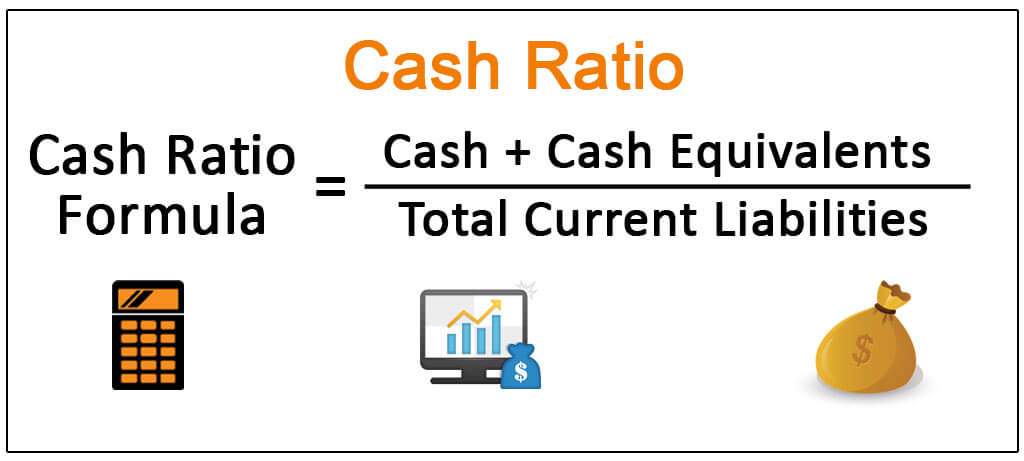

The cash holding ratio, currently at a historic low of 3.2% as per the Bank of America survey, presents a compelling narrative of investor behavior in today’s financial landscape. This dramatic decline indicates an overwhelmingly bullish market sentiment, with fund managers expressing increasing confidence in risk assets. In this environment, the cash holding ratio serves as a crucial indicator of how institutional investors are positioning themselves for potential gains. The results from the recent fund managers survey highlight a significant shift in investor sentiment, suggesting an eagerness to deploy capital rather than hold onto cash. As bullish market conditions prevail, understanding the implications of this cash holding ratio can provide valuable insights for both seasoned investors and market newcomers.
Exploring the concept of liquidity management, the cash allocation ratio reveals critical insights into the financial strategies employed by investors and funds. As fund managers adjust their cash reserves, reflecting a heightened willingness to engage with riskier assets, the implications of these financial decisions resonate across the market. Terms such as cash reserves, liquid assets, and investment allocation encapsulate the essence of this ratio’s influence in shaping market behavior. The current landscape, illustrated by surveys such as the Bank of America survey, underscores a trend where liquidity is increasingly channeled towards higher-risk opportunities. This proactive approach furthers our understanding of market dynamics and investor psychology in a climate characterized by optimistic sentiment.
| Key Point | Details |
|---|---|
| Current Cash Holding Ratio | 3.2% – a historic low |
| Investor Sentiment | Extreme bullish sentiment towards risk assets |
| Survey Source | Bank of America Global Fund Manager Survey |
Summary
The cash holding ratio has dropped to a historic low of 3.2%, which indicates that fund managers are exhibiting an extreme bullish sentiment towards risk assets. This reflects a significant shift in investment strategy, where managers are choosing to invest in more volatile assets rather than holding cash. Such a low cash holding ratio suggests a high level of confidence in market conditions, which could mean potential growth opportunities in various sectors.
Understanding the Cash Holding Ratio Among Fund Managers
The cash holding ratio is a crucial indicator of fund managers’ confidence in market conditions. As detailed in the latest Bank of America Global Fund Manager Survey, the current cash holding ratio has plummeted to a historic low of 3.2%. This drop signifies an overwhelming bullish sentiment, where fund managers prefer to allocate funds towards risk assets rather than holding cash. A low cash holding ratio often points to a robust belief in the potential for market gains, revealing that investors are eager to capitalize on optimistic market forecasts.
Understanding the implications of this cash holding ratio can provide insights into how investor sentiment influences market dynamics. With the decreased cash reserves, fund managers are signaling a readiness to embrace riskier investments, demonstrating confidence in the current economic outlook. This trend can encourage more bullish market conditions, inviting further investment in various sectors and potentially driving asset prices higher.
Investor Sentiment and its Impact on Risk Assets
Investor sentiment plays a pivotal role in shaping market trends, particularly in bullish conditions. According to the latest Bank of America survey, the prevailing investor sentiment among fund managers is overwhelmingly positive, indicative of a collective shift towards favoring risk assets. Such enthusiasm can often result in increased demand, pushing prices upward and creating a self-reinforcing cycle of investment and growth. For investors, understanding these dynamics is fundamental to navigating the current market landscape.
Moreover, the current bullish market conditions are further bolstered by favorable economic indicators and growth prospects across various sectors. As highlighted in the fund managers survey, a declining cash holding ratio reflects a clear readiness amongst investors to engage with higher-risk assets, such as equities and emerging market investments. This shift can lead to diversified portfolios that foster continued market optimism and robust economic activity.
The Role of the Bank of America Survey in Shaping Market Strategies and Perception Among Investors
The Bank of America Global Fund Manager Survey serves as a vital tool for understanding the current attitudes and strategies employed by fund managers. This survey not only tracks the cash holding ratio but also gauges investor sentiment regarding market risks and opportunities. With the prevailing low cash holding ratio, it becomes evident that investors are leaning heavily towards embracing risk in their portfolios. This insight is particularly valuable for retail investors looking to align their strategies with institutional trends.
Furthermore, this survey provides essential context for understanding broader market movements. As trust in the stability and growth potential of risk assets increases, driven by positive investor sentiment, retail investors might feel more compelled to follow suit. The convergence of institutional and retail investor behavior can lead to significant market shifts, making it crucial for all market participants to remain informed and responsive to these insights.
Analyzing Bullish Market Conditions Through LSI Terms
Bullish market conditions signify a prevailing inclination towards rising asset prices, typically driven by strong economic indicators and investor optimism. The recent decrease in cash holding ratios indicates that many fund managers are confident in maintaining or increasing their investments in risk assets. Incorporating latent semantic indexing (LSI) terms in our analysis allows for a deeper understanding of the trends shaping these conditions, providing a more nuanced view of how market sentiments fluctuate.
By utilizing LSI terms such as ‘risk assets’ and ‘investor sentiment’, we can build a more comprehensive picture of market dynamics. As managers express bullish outlooks in the face of historical data, their commitment to deploying capital that was once held in cash reflects their confidence. This deployment fuels demand for certain assets, ultimately contributing to bullish trends in the market.
The Future of Cash Holding Ratios and Market Strategies
As we look forward, understanding the trends of cash holding ratios among fund managers will be essential for predicting future market movements. With the Bank of America Global Fund Manager Survey showing a low cash holding ratio, it is likely that this trend could continue as long as investor sentiment remains optimistic about economic growth and risk asset performance. Portfolio strategies that prioritize risk exposure could thrive, given the current climate.
However, it’s important for both fund managers and individual investors to remain vigilant. Market conditions can shift rapidly, and while current sentiments may be bullish, past experiences remind us of the volatility that can occur. By keeping an eye on the cash holding ratio alongside broader market indicators, investors can make more informed decisions, adapting their strategies as necessary to navigate potential downturns.
Frequently Asked Questions
What is the current cash holding ratio according to the Bank of America survey?
The Bank of America Global Fund Manager Survey indicates that the current cash holding ratio among fund managers has decreased to a historic low of 3.2%.
How does investor sentiment influence the cash holding ratio?
Investor sentiment plays a crucial role in determining the cash holding ratio; heightened bullish market conditions lead to lower cash reserves as fund managers increasingly favor risk assets.
Why is the cash holding ratio important for fund managers?
The cash holding ratio is essential for fund managers as it reflects their confidence in the market; a lower ratio typically indicates a willingness to invest more in risk assets due to strong investor sentiment.
What does a low cash holding ratio signify in a bullish market?
A low cash holding ratio, such as the current 3.2% reported by the Bank of America survey, signifies that fund managers have a strong bullish outlook, favoring investments in risk assets over cash.
How can the cash holding ratio affect investment strategies?
The cash holding ratio affects investment strategies by guiding fund managers’ allocation decisions; low ratios suggest a trend towards equity and riskier assets, reflecting positive investor sentiment following the Bank of America survey findings.
What trends in risk assets are highlighted by the cash holding ratio?
The current cash holding ratio of 3.2% highlighted by the Bank of America survey suggests that fund managers are eager to invest in risk assets, indicating a strong bullish sentiment in the market.
Related: More from Market Analysis | WLFI Price Predicted: World Liberty Financial Proposes Governance Overhaul | XLM Bounces But Bears Control