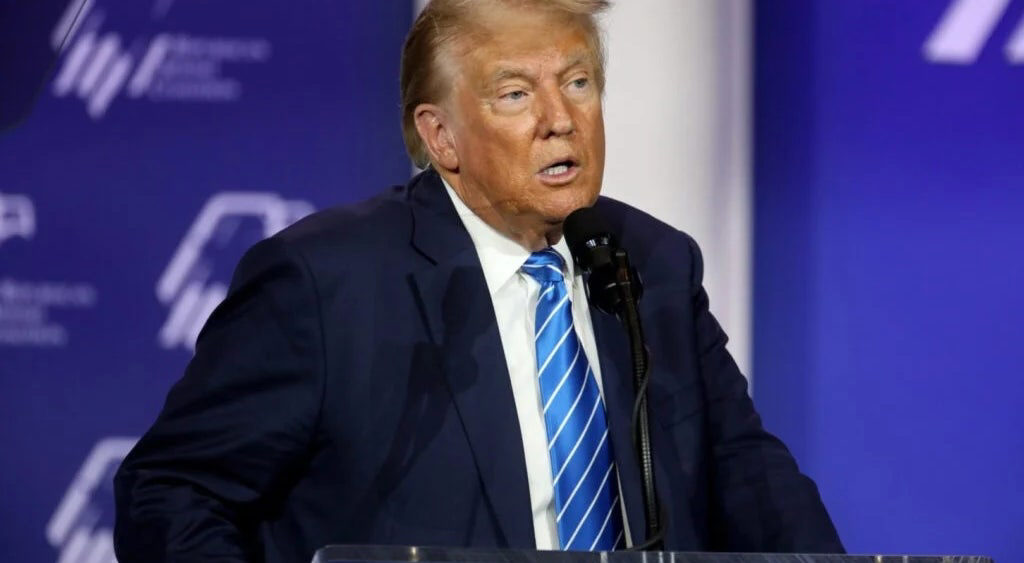

In a dramatic turn of events, the Trump JPMorgan lawsuit has captured headlines as former President Donald Trump files a $5 billion lawsuit against the banking giant in Florida. This legal action follows Trump’s allegations of “debanking” related to his accounts, claiming they were closed without notice or justification, and stems from the fallout after the Capitol riots in January 2021. The lawsuit is packed with serious accusations, including trade libel claims against JPMorgan and its CEO, Jamie Dimon, for violating Florida’s deceptive trade practices. Trump’s assertions about political debanking have reignited discussions surrounding financial institutions’ roles in political affiliations and their impact on business relationships. As JPMorgan lawsuit news spreads, it raises significant questions about the intersection of finance and politics, sparking debate among lawmakers and the public alike.
In recent developments, the legal confrontation between Donald Trump and JPMorgan has emerged as a significant topic of conversation, especially regarding issues of financial exclusion and political biases in banking. This lawsuit underscores broader concerns about accusations of politically motivated debanking, as allegations surface that Trump’s accounts were unjustly terminated due to his political stance. Amid this turmoil, Trump’s claim echoes sentiments from many in the business community who express concerns over potential trade libel claims and the integrity of financial institutions when dealing with politically sensitive scenarios. With the implications of this lawsuit resonating in the realms of corporate governance and political accountability, many observers are keenly watching how it may influence regulations in the banking sector moving forward. As discussions unfold, the significance of such legal battles in the context of political identity and financial autonomy cannot be overstated.
| Key Point | Details |
|---|---|
| Lawsuit Filing | Trump has filed a $5 billion lawsuit against JPMorgan in Florida court. |
| Claims Made | The lawsuit claims that JPMorgan debanked Trump without warning, alleging trade libel and breach of good faith. |
| Legal Grounds | JPMorgan and CEO Jamie Dimon are accused of violating Florida’s deceptive trade practices law. |
| Response from JPMorgan | JPMorgan stated that the lawsuit lacks merit and that account closures are not politically motivated. |
| Trump’s Argument | Trump’s claims are linked to the 2021 Capitol attack, which he refers to as a justified act. |
| Political Context | This lawsuit is part of a larger narrative involving alleged debanking practices targeted at political figures. |
| Executive Order | Trump issued an executive order against ‘politicized or unlawful debanking’ addressing future regulations. |
Summary
The Trump JPMorgan lawsuit signifies a significant escalation in the debate over debanking practices in the financial sector. Filed in Florida court, Trump is challenging JPMorgan and its CEO, Jamie Dimon, over alleged wrongful termination of accounts linked to political activities and opinions. As this case unfolds, it may have implications for the broader discourse surrounding financial services and their interplay with political expression.
Trump’s Legal Action Against JPMorgan: The Details of the Lawsuit
In a dramatic turn of events, former President Donald Trump has initiated a legal battle against JPMorgan Chase in a Florida court, claiming that the banking institution unjustly severed ties with him and his associated businesses. This lawsuit, which seeks a staggering $5 billion in damages, emerged shortly after Trump threatened legal action on social media regarding what he describes as politically motivated debanking following the Capitol riots of January 6, 2021. Trump’s allegations of ‘trade libel’ highlight his belief that JPMorgan acted maliciously without just cause when they terminated his accounts.
The lawsuit, filed in Miami-Dade County, outlines accusations against JPMorgan and its CEO, Jamie Dimon, asserting that their actions breached the implied agreement of good faith essential to banking relationships. Trump’s legal team emphasizes that the abrupt account closures were not merely routine but rather reflect a deeper issue relating to political discrimination in banking practices. As this case unfolds, it raises critical questions about the intersection of banking, politics, and client rights.
DeBanking Allegations: Is Political Bias At Play?
One of the central themes of Trump’s legal action is the concept of debanking, particularly in the context of alleged political bias in financial services. The claims made in the lawsuit align with a growing narrative that suggests individuals, especially those with conservative views or affiliations, are at risk of being denied banking services due to their political beliefs. Critics and supporters alike are watching closely as this case may set significant precedents regarding how financial institutions manage accounts linked to controversial political figures, like Trump.
Additionally, the term ‘debanking allegations’ has gained traction in discussions surrounding the treatment of various political figures in the wake of heightened scrutiny following the Capitol riots. This case serves as a critical examination point for financial institutions, regulators, and lawmakers regarding the ethics and legal boundaries of debanking practices. As the lawsuits spoil, it could potentially propel regulatory discussions on preventing unjust debanking practices from becoming a standardized approach within the financial sector.
JPMorgan Lawsuit News: Implications for the Banking Sector
As Trump’s lawsuit against JPMorgan makes headlines, the implications of the case extend far beyond a singular dispute between a former president and a financial giant. The banking sector is being scrutinized under a microscope, with analysts questioning whether similar lawsuits could challenge the operations of large banks across the nation. If Trump succeeds in his claims of unjust account closures motivated by personal and political ideologies, it might spearhead further legal actions from individuals in comparable situations, drawing attention to a broader issue within the financial system.
Moreover, this lawsuit also comes at a time when political figures are increasingly calling for regulatory scrutiny over banking practices, particularly those that may seem biased or discriminatory. Some lawmakers are arguing for the necessity of reforms to prevent politicized debanking that could infringe upon the rights of clients. As this case continues to evolve, both the banking industry and consumers may find themselves facing new standards and practices relating to account management and closure influenced by potential political affiliations.
Trade Libel Claims: Understanding the Legal Landscape
At the heart of Trump’s lawsuit lies the accusation of trade libel against JPMorgan and Dimon, suggesting that their actions have not only harmed Trump but have also potentially tarnished his image and business reputation in the industry. In legal terms, trade libel involves making false statements that cause measurable damage to a business’s reputation or finances. Trump’s team argues that the bank’s decision to close accounts served as an implicit defamation of his character, detracting from his business ventures.
This claim will likely invoke discussions around the standards of proof required for trade libel and how it dovetails with public discourse regarding public figures. Given that Trump is a highly polarizing figure, the courts may face a challenging balancing act between protecting free speech and addressing false allegations that could harm a person’s business. Understanding the nuances of the legal landscape surrounding trade libel will be fundamental as this lawsuit progresses.
Political Debanking: A Growing Concern
The concept of political debanking is increasingly drawing attention as more individuals and businesses assert their experiences of being denied banking services based on ideological beliefs. Trump’s lawsuit against JPMorgan illuminates a concern that certain banking practices may be influenced by political considerations, which could restrict economic participation for those involved in political movements or advocacy. This trend raises alarms about the potential chilling effects on political expression when individuals fear financial repercussions.
As investigations into debanking practices intensify, political debanking could prompt a broader reevaluation of banking ethics and policies. Lawmakers from both sides of the aisle are increasingly engaging in discussions about enabling fair banking access for all, regardless of political affiliation. This would require substantial reflection and possibly legislative action to safeguard against discriminatory practices, ensuring that all citizens maintain access to essential banking services unencumbered by political bias.
The Future of Banking Amidst Political Controversies
As the implications of Trump’s lawsuit unfold, the future of banking may pivot towards an era of heightened scrutiny and debate over the role of politics in financial services. Regulatory bodies may feel pressure to clarify the boundaries between acceptable business practices and the risk of being embroiled in partisan disputes. This could potentially lead to new regulations that strive to protect consumers from politically motivated discrimination and enhance transparency among banking institutions.
Looking ahead, the financial sector might need to adopt more robust policies to handle politically charged environments, ensuring that they can operate free of bias while maintaining client relationships. Trump’s lawsuit against JPMorgan epitomizes not just a singular grievance but serves as a bellwether for the evolution of banking practices in response to the increasingly intertwined relationship between finance and political ideology. The outcome may influence how banks navigate similar situations in the future.
Impact of Executive Orders on Debanking Practices
Following the pattern of heightened political and economic scrutiny, Trump’s executive orders aimed at curbing politicized debanking could have lasting ramifications on banking policies nationwide. These directives encourage regulators to investigate claims of unfair account closures and to implement measures designed to foster a more equitable banking environment. The ripple effect of these orders could inspire other states to adopt similar approaches in their own financial regulations.
As this landscape evolves, banks may be compelled to reevaluate their customer engagement strategies and understand the implications of political affiliation on their operations. For those in the banking industry, the balance becomes crucial: navigating a customer base that is remarkably diverse and politically engaged, while adhering to the expected standards of neutrality may soon become a challenging but necessary task. This executive push against politicized debanking underscores the need for clear delineation between political ideologies and banking practices.
Calls for Legislative Action on Political Debanking
In the wake of Trump’s lawsuit and the broader discussion of politicized debanking, there is an increasing call among lawmakers for formal legislative action to prevent unjust financial practices. As various political factions voice their support for equitable access to banking, a bipartisan effort may emerge to address the concerns raised by the allegations of targeted debanking. This evolving issue signifies an exploration of potential laws to create safeguards against discrimination based on political beliefs.
By advocating for regulatory reform, legislators aim to ensure that all individuals, regardless of their political stance, have fair access to essential financial services without the fear of being unfairly debanked. As more lawmakers start to recognize the adverse effects of financial exclusion, there may be collective momentum towards a substantial policy change, seeking to align banking practices with principles of fairness and equity.
The Role of Public Discourse in Banking Ethics
Trump’s legal struggle with JPMorgan has intensified discussions around banking ethics and the role public opinion plays in shaping institutional behaviors. As clients take to social media and other platforms to voice their experiences, these discussions are not only shaping public perception but also influencing the legal framework surrounding banking practices. The uptake of social media narratives into mainstream public discourse persists as clients challenge perceived injustices in how financial institutions manage their relationships.
Such transparent exchanges redefine accountability within the banking industry, pushing institutions to be more cognizant of the consequences of their decision-making. For banks, understanding the social landscape and engaging with their clientele on pressing issues of ethics and equity could become vital, not only in mitigating legal challenges but also in fostering trust and loyalty among their customers.
Frequently Asked Questions
What are the key allegations in the Trump JPMorgan lawsuit regarding debanking?
In the Trump JPMorgan lawsuit, Donald Trump alleges that JPMorgan terminated accounts associated with him and his businesses without warning, constituting debanking related to his political stance. He claims this action amounts to trade libel and breaches the implied covenant of good faith.
How much is Trump seeking in damages from the JPMorgan lawsuit?
Donald Trump is seeking $5 billion in damages from JPMorgan in his lawsuit, which addresses claims of debanking and trade libel stemming from the closure of his accounts.
Why did Trump file the legal action against JPMorgan now?
Trump’s legal action against JPMorgan follows his threats to sue the bank after the January 6 attacks on the Capitol. He alleges that the debanking actions were politically motivated, coinciding with discussions of the perceived unfairness of the 2020 election.
What defenses did JPMorgan provide in response to the debanking allegations?
JPMorgan has responded to the debanking allegations in Trump’s lawsuit by asserting that the claims lack merit and emphasizing that account closures are not conducted for political or religious reasons, as stated by CEO Jamie Dimon.
What is the relationship between the Trump JPMorgan lawsuit and political debanking claims?
The Trump JPMorgan lawsuit is directly related to the broader discourse on political debanking claims, as Trump argues that his accounts were closed due to political bias following the Capitol riots and his vocal assertions concerning the 2020 election.
What other legal or governmental actions have been proposed regarding debanking?
Beyond Trump’s lawsuit, there are ongoing discussions among Republican lawmakers and government officials about investigating and implementing policies to address politicized debanking, specifically in the context of the crypto industry and Operation Chokepoint 2.0.
How does the Trump JPMorgan lawsuit reflect on the banking industry’s treatment of political figures?
The Trump JPMorgan lawsuit highlights concerns regarding the banking industry’s treatment of political figures, particularly allegations that financial institutions may engage in debanking based on a customer’s political beliefs, an issue that has garnered significant attention in both legal and regulatory circles.
Where can I find updates on the Trump JPMorgan lawsuit news?
Updates on the Trump JPMorgan lawsuit can be found through major financial news outlets, legal news platforms, and by monitoring judicial public records in Miami-Dade County, Florida.
Related: More from Regulation & Policy | Anthropic Completes 0 Billion Funding Round, Valuing Company at 80 Billion | Gold Market Speculation: What Treasury Secretary Bessent Says