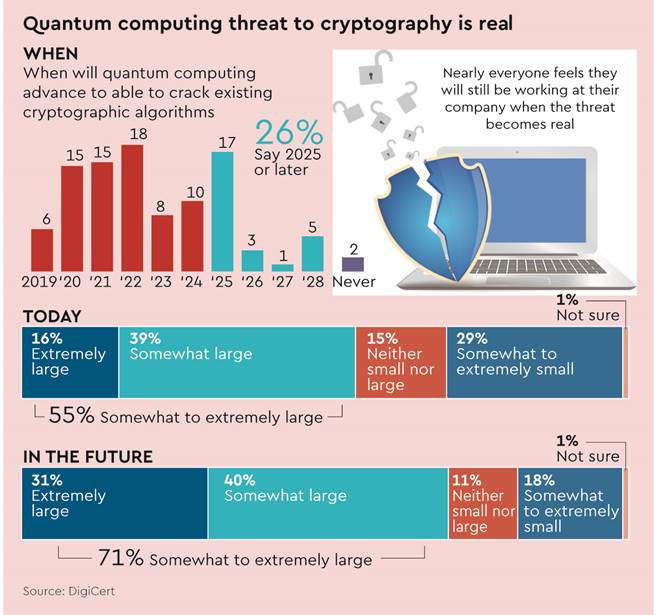

As the world increasingly looks towards the future of technology, quantum computing risks have emerged as a prominent concern, particularly for the blockchain sector. Coinbase has taken a proactive approach by establishing an advisory board aimed at evaluating how quantum advancements could potentially disrupt the cryptographic frameworks that secure major cryptocurrencies like Bitcoin and Ethereum. This board, comprising experts in quantum computing, cryptography, and blockchain security, will play a pivotal role in analyzing the implications of quantum technology on blockchain infrastructure. In doing so, they aim to guide developers and institutions through the intricacies of quantum challenges, including the urgency for post-quantum standards. As discussions evolve, it becomes clear that addressing the impact of quantum computing on Bitcoin cryptography is essential for ensuring the integrity and security of digital assets against future threats.
The advent of quantum computing has sparked a critical dialogue about its implications for digital currencies and blockchain protocols. The inherent capabilities of quantum processors could outpace traditional computing, which raises flags about the longevity of current security measures in the cryptocurrency space. In response to these potential vulnerabilities, enterprises like Coinbase are forming specialized task forces to systematically explore the ramifications of emerging quantum technologies on fundamental concepts such as cryptographic safety. Industry experts are urging stakeholders to consider quantum preparedness, advocating for the adoption of stronger cryptography techniques to withstand future threats. Therefore, the pursuit of resilience in blockchain security is paramount as we transition into an era where quantum innovations challenge established norms.
| Key Points | Details |
|---|---|
| Formation of Advisory Board | Coinbase has established an independent advisory board to assess quantum computing risks to blockchain technology, including Bitcoin and Ethereum. |
| Expert Composition | The board is made up of experts in quantum computing, cryptography, and blockchain security from academia and industry. |
| Independence of the Board | The advisory board operates independently from Coinbase management and will focus on industry-wide research. |
| First Position Paper | The board plans to release its first position paper detailing quantum risks by early 2027. |
| Long-Term Research | Coinbase’s initiative includes ongoing internal improvements and research into post-quantum cryptographic standards. |
| Industry Concerns | Concerns regarding quantum computing threats to cryptocurrency security are debated among experts in the field. |
| Divergent Expert Opinions | Some experts argue immediate threats from quantum computing are exaggerated, while others stress caution. |
Summary
Quantum computing risks pose significant concerns for the future of blockchain and cryptocurrency security. As Coinbase establishes an independent advisory board to evaluate these potential threats, it recognizes the need for proactive measures to safeguard cryptographic methods that underpin systems like Bitcoin and Ethereum. With a diverse group of experts on board and a commitment to public analysis, Coinbase is taking important steps to prepare the industry for the eventual challenges of quantum computing.
Understanding Quantum Computing Risks in Blockchain
Quantum computing poses a significant threat to traditional cryptographic systems, including those underpinning blockchain technologies. With the ability to process information using quantum bits, or qubits, this advanced computing paradigm could potentially compromise the existing encryption methods used to secure transactions and data integrity. As companies like Coinbase establish advisory boards to investigate these risks, the need for a robust understanding of how quantum mechanics can affect blockchain security becomes crucial. The board’s aim to evaluate quantum computing risks will include extensive research into the implications for Bitcoin and Ethereum, focusing on the vulnerabilities that may be exploited by future quantum computers.
In assessing the risks associated with quantum computing, experts are exploring how the advent of quantum technology could usher in a new era of cybersecurity threats. The transition from classical to quantum computers may bring about the capability for attacks that can decrypt current blockchain encryption methods in a fraction of the time. This necessitates a pro-active approach in developing post-quantum standards to fortify the underlying security of blockchain systems. As advised by this newly formed board, businesses and developers are urged to stay abreast of advancements in quantum research and prepare for eventual shifts in required cryptographic measures.
The Role of Blockchain Security in Mitigating Quantum Risks
Blockchain security relies heavily on cryptographic methods that are increasingly vulnerable to the advanced capabilities of quantum computing. Despite these looming threats, the industry is taking steps to enhance security mechanisms within blockchain networks, including those utilized by prominent cryptocurrencies such as Bitcoin. The efforts of the Coinbase advisory board to evaluate quantum threats exemplify the proactive measures being undertaken to ensure that blockchain can withstand potential quantum attacks. The integration of stronger encryption protocols and the development of quantum-resistant technologies are essential to maintaining the integrity of blockchain transactions.
As the market anticipates the advancements in quantum computing, businesses are compelled to reassess their security postures in light of potential vulnerabilities. By focusing on blockchain security enhancements, organizations can better prepare for the post-quantum world where existing cryptography may no longer suffice. The strategic implementation of layered security protocols, along with ongoing research into post-quantum standards, can mitigate risks and reinforce the resilience of blockchain against unforeseen quantum threats. Regular assessments and adaptability to evolving discoveries in quantum technology will be pivotal for future-proofing blockchain systems.
Additionally, educating developers and the crypto community about the implications of quantum developments is vital. As Coinbase’s board is set to release public evaluations on these risks, it will provide invaluable resources for industry professionals to navigate the impending challenges. By fostering a deeper awareness of quantum effects on Bitcoin cryptography and other digital currencies, stakeholders can collaboratively work towards a secure future for blockchain technology.
The Ongoing Debate: Is Quantum Computing a Threat to Cryptocurrency?
The debate surrounding the tangible threat of quantum computing to cryptocurrency is an ongoing discussion in the tech and finance communities. Some analysts, like Christopher Wood, suggest that the rapid advancements in quantum technology present a legitimate cause for concern, especially regarding Bitcoin’s long-term viability as a secure asset. Wood’s exclusion of Bitcoin from his investment portfolio highlights how the potential risks posed by quantum computing could undermine investor confidence should effective quantum attacks become a reality sooner than anticipated.
On the other hand, influential figures within the cryptocurrency sector assert that while the potential for quantum attacks exists, the timeline for such threats remains uncertain. Cryptographer Adam Back stresses that, despite the need for Bitcoin to become “quantum ready,” the technology currently does not pose an immediate risk. This dichotomy among experts showcases the varying interpretations of quantum computing’s impact, with differing levels of urgency surrounding the adoption of post-quantum cryptographic measures.
Preparing for a Post-Quantum Future: The Need for New Standards
As the capabilities of quantum computing continue to evolve, the call for post-quantum cryptographic standards grows louder within the blockchain community. Coinbase’s conservative approach in establishing an advisory board represents a strategic initiative toward preparing blockchain technology for future quantum realities. The focus on developing and implementing new standards can ensure that both Bitcoin and Ethereum can resist potential quantum threats, thereby safeguarding their role as reliable digital assets.
Moreover, the collaborative efforts across the blockchain ecosystem, including input from researchers and industry pioneers, will be critical in formulating effective post-quantum strategies. The introduction of these new cryptographic standards must not only address current vulnerabilities but also predict future advancements in quantum computing. By prioritizing research and fostering cross-disciplinary dialogue in quantum cryptography, the blockchain industry can build a resilient framework that anticipates and mitigates the risks posed by quantum technologies.
The Future of Blockchain in the Quantum Computing Era
The emergence of quantum computing is poised to catalyze transformative changes across various industries, and blockchain is no exception. As traditional methods of cryptography face potential obsolescence under the influence of quantum advancements, the future of blockchain will be dictated by its ability to adapt and evolve. The insights provided by advisory boards such as the one established by Coinbase will be instrumental in shaping the future of how digital currencies operate in a quantum landscape.
In an era where security must outpace the capabilities of evolving technology, the integration of post-quantum measures will define the competitive edge of blockchain networks. As cryptocurrency transactions become increasingly widespread, adopting robust security frameworks tailored to counter quantum threats will be essential for maintaining trust among users and investors. Engage in proactive research, collaboration, and the adoption of innovative solutions will determine whether blockchain technologies can secure their place in a rapidly advancing technical environment.
Quantum Computing’s Impact on Bitcoin Cryptography
The intersection of quantum computing and Bitcoin cryptography warrants careful examination as developments in both fields unfold. Bitcoin, much like other cryptocurrencies, relies on cryptographic algorithms to secure transactions, making it potentially vulnerable to advancements in quantum technology. The implications of quantum computing’s capability to efficiently solve cryptographic problems underscore the urgency for Bitcoin to adopt new security measures that can withstand these emerging threats.
Institutions are beginning to acknowledge that the higher computational power of quantum computers could lead to significant vulnerabilities within Bitcoin’s architecture. Discussions regarding the relevance of post-quantum cryptography are gaining momentum, emphasizing the need for systematic updates to existing cryptographic practices to avert potential exploitation by quantum adversaries. Strategies that encompass future-ready protocols will become indispensable in ensuring Bitcoin’s security against the impending realities of quantum computing.
The Role of Expert Advisory Boards in Quantum Risk Assessment
The establishment of expert advisory boards, such as the one introduced by Coinbase, plays a crucial role in assessing quantum risks associated with blockchain technologies. These boards, comprising specialists in various fields, facilitate comprehensive evaluations that highlight the latitude of potential threats tied to quantum computing advancements. Their independent analyses aim to provide objective insights that inform industry stakeholders about necessary adjustments to counteract these risks effectively.
Advisory boards also serve to bridge the gap between academia and industry, fostering collaboration that drives innovation in the development of new security protocols. As they outline research initiatives focused on evaluation and adaptation, such boards will help ensure that blockchain technologies are resilient against quantum challenges. By acting as a conduit for knowledge transfer, these expert teams empower organizations to implement proactive risk management strategies with a long-term vision.
Advancements Needed for Quantum-Ready Cryptography
As the discussion around quantum computing gathers momentum, the cryptocurrency industry is urged to pivot toward quantum-ready cryptographic solutions. This shift necessitates an interdisciplinary approach that combines cryptography, quantum physics, and blockchain technology to construct effective defenses against potential quantum attacks. The current cryptographic algorithms in use, including those securing Bitcoin transactions, must be evaluated and, when necessary, reengineered to ensure they can withstand the computational supremacy of future quantum machines.
Leading figures in the blockchain community emphasize the importance of investing in research and development aimed at creating new algorithms that can withstand quantum decryption. This proactive approach will not only safeguard the current infrastructure of cryptocurrencies but will also build user confidence in the technology’s resilience in the face of advanced quantum capabilities. Collaborative efforts across organizations and institutions will be critical in forging the path toward a secure and robust quantum-ready blockchain future.
The Importance of Continuous Research in Quantum Computing
Continuous research in the field of quantum computing serves as a foundation for identifying and addressing the risks that this technology poses to blockchain. As advancements unfold, staying informed about new findings and developments is critical for those within the crypto space. The formation of advisory boards, such as that of Coinbase, will facilitate ongoing dialogues and analyses that highlight the latest threats and opportunities in quantum technology.
The information dissemination generated by these research initiatives can empower developers, organizations, and regulators to build an informed strategy for surviving the quantum transition. By fostering an environment of continuous learning, the cryptocurrency industry can adapt its technologies and standards to enhance resilience in the face of quantum computing risks. This dynamic landscape calls for active engagement and investment in research that can predict and counter quantum advancements.
Frequently Asked Questions
What are the potential risks of quantum computing for blockchain security?
Quantum computing poses significant risks to blockchain security by threatening the cryptographic methods that secure cryptocurrencies like Bitcoin and Ethereum. As quantum technology advances, attackers could exploit vulnerabilities in public key cryptography, potentially extracting private keys from public addresses before adequate safeguards, such as post-quantum standards, are established.
How might the development of quantum computing impact Bitcoin cryptography?
The development of quantum computing could greatly impact Bitcoin cryptography, as quantum machines may one day possess the capability to break existing encryption protocols. This could enable malicious actors to access and manipulate Bitcoin wallets, threatening its security and undermining its function as a store of value for long-term investors.
What initiatives is Coinbase undertaking to address quantum computing risks to blockchain?
Coinbase has established an independent advisory board to evaluate quantum computing risks specifically related to blockchain. This board, consisting of experts in quantum computing and cryptography, aims to publish research and guidelines on mitigating risks associated with quantum advancements and to advocate for the adoption of post-quantum cryptographic standards.
Is quantum computing an immediate threat to cryptocurrency security?
While quantum computing presents clear risks to cryptocurrency security, many experts believe it is not an immediate threat. Current capabilities of quantum machines are still limited, and it may take several years before they can effectively challenge existing cryptographic methods. However, the industry is urged to prepare and adapt to potential future threats.
What are post-quantum cryptographic standards and why are they important?
Post-quantum cryptographic standards are new encryption methods designed to be secure against quantum computing attacks. They are important because they will help protect blockchain networks and cryptocurrencies from potential vulnerabilities that could arise as quantum technology matures, ensuring long-term security and trust in digital transactions.
What role does the Coinbase advisory board play in assessing quantum computing risks?
The Coinbase advisory board is tasked with independently assessing quantum computing risks and will provide public evaluations of how these risks could affect blockchain technology. Its goal is to inform developers, organizations, and users about the implications of quantum advancements and recommend strategies for enhancing blockchain security.
How quickly can quantum computers potentially compromise Bitcoin security?
While opinions vary, some experts suggest that significant advancements in quantum computing could allow for the compromise of Bitcoin security within the next decade. Others argue that the technology is still in its infancy, and it may take longer for quantum computers to reach a stage where they can effectively breach current cryptographic systems.
What steps can blockchain networks take to prepare for quantum threats?
Blockchain networks can begin to prepare for quantum threats by researching and implementing post-quantum cryptographic standards. This includes enhancing key management systems, regularly updating security protocols, and remaining informed of advancements in quantum technology to stay ahead of potential vulnerabilities.
Why is there a debate in the crypto sector regarding quantum computing risks?
The debate in the crypto sector regarding quantum computing risks stems from differing opinions about the timeline and severity of the threat. Some experts believe that quantum computing’s capacity to undermine cryptocurrency security is imminent, while others argue that current technologies are not yet advanced enough to pose an immediate danger, suggesting that the focus should be on long-term preparedness.
What can users do to protect their assets against quantum computing risks?
Users can protect their assets against quantum computing risks by adopting practices that enhance their security, such as utilizing hardware wallets, enabling two-factor authentication, and staying informed about developments in cryptography. Additionally, they should consider transitioning to post-quantum security measures as they become available.
Related: More from Regulation & Policy | Anthropic Completes 0 Billion Funding Round, Valuing Company at 80 Billion | Gold Market Speculation: What Treasury Secretary Bessent Says