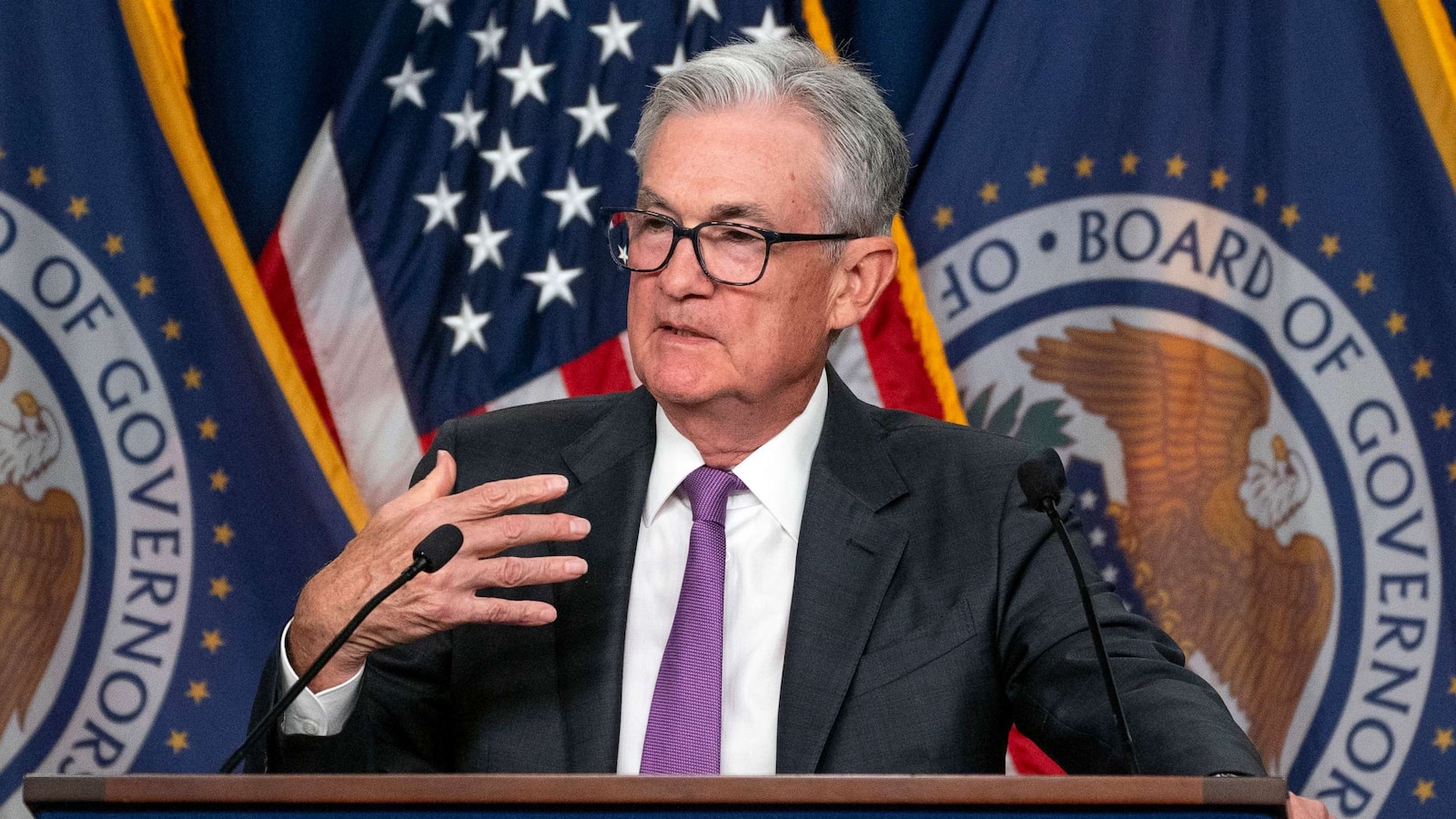

As the financial landscape evolves, Federal Reserve Chairman predictions are at the forefront of market discussions, shaping expectations and strategies among investors. Recently, the betting platform Polymarket has showcased intriguing shifts in election odds for potential candidates. With Rick Rieder’s likelihood of becoming the next Federal Reserve Chairman climbing to 32%—an impressive 24% increase this week—the market’s sentiment is shifting. Meanwhile, Kevin Warsh remains in the lead with a 45% probability, suggesting strong backing from analysts and traders alike. Understanding these current election probabilities is crucial for anyone tracking economic forecasts and monetary policy changes.
Exploring the dynamics of leadership within the Federal Reserve reveals a spectrum of potential candidates and their accompanying odds. The current discussions on who may lead the central bank are vital for understanding future economic policies. Platforms like Polymarket provide insights into the strategies and sentiments of investors regarding prominent figures such as Rick Rieder and Kevin Warsh. As these predictions evolve, it becomes essential to analyze how they may influence monetary stability and market behavior. The odds presented reflect broader expectations and can serve as a barometer for economic trends.
| Candidates | Probability (%) | Change (%) |
|---|---|---|
| Rick Rieder | 32 | +24 |
| Kevin Warsh | 45 | – |
| Kevin Hassett | 6 | – |
| Christopher Waller | 13 | – |
Summary
Federal Reserve Chairman predictions indicate that the political landscape is shifting, particularly with Rick Rieder’s ascension to a 32% probability of being elected, a significant rise of 24% within just a week. Meanwhile, Kevin Warsh remains the frontrunner at 45%, casting competitive shadows on Rieder’s rise. As the Federal Reserve’s leadership plays a crucial role in shaping economic policies, staying updated on these predictions will be essential for understanding future financial landscapes.
Analyzing Polymarket Predictions for Federal Reserve Chairman Candidates
Polymarket has become a go-to platform for predicting political outcomes, including the current election probabilities for the next Federal Reserve Chairman. As of now, Kevin Warsh leads the pack with a 45% chance of being elected, followed closely by Rick Rieder, whose odds have surged to 32%. This dramatic increase of 24% for Rieder in just a week highlights the volatile nature of market predictions and the shifting sentiments among investors regarding who might assume this crucial role in shaping monetary policy.
The fluctuating probabilities on Polymarket also suggest greater public interest and speculation surrounding the upcoming Federal Reserve Chairman election. Candidates such as Kevin Hassett and Christopher Waller currently trail behind with lower predictive odds of 6% and 13%, respectively. As investors weigh various factors, including candidates’ past experiences and political affiliations, these figures underscore how closely observers are watching these election dynamics.
Federal Reserve Chairman Predictions: Insights from Rick Rieder and Kevin Warsh
The predictions surrounding the potential candidates for Federal Reserve Chairman, particularly Rick Rieder and Kevin Warsh, are especially crucial to investors anticipating shifts in monetary policy. Rieder’s rise to a 32% probability reflects a growing belief in his capabilities and perspectives on managing the economy. His background in finance and experience could resonate well with the necessary interventions that the Federal Reserve may need to undertake in the coming years.
Conversely, Kevin Warsh, with a significant 45% chance of winning, is well-respected for his extensive knowledge of financial regulations and earlier tenure within the Federal Reserve itself. These insights into both candidates highlight a competitive landscape, with differing visions for the future of monetary policy. As the election nears, these probabilities could change dramatically, influenced by economic indicators and political developments.
Kevin Warsh and Market Dynamics: The Race for Federal Reserve Chairman
The current election probabilities illustrate how market dynamics play a pivotal role in shaping expectations for future Federal Reserve leadership. Kevin Warsh’s advantage with a 45% probability not only reflects confidence in his financial acumen but also the market’s perception of his approach to stabilizing the economy amidst fluctuating conditions. Investors keenly observe how Warsh’s policies could influence interest rates and inflation, crucial elements of monetary stability.
As interest rates remain a hot topic due to inflationary pressures, Warsh’s policies might offer a stabilizing force during turbulent economic times, making him a favorable choice in the eyes of market participants. As the probabilities shift, it’s essential to analyze how his proposed strategies could align with current economic realities, enhancing trust among the electorate and market actors.
Rick Rieder’s Emergence in Federal Reserve Chairman Odds
The rise of Rick Rieder in the Federal Reserve Chairman election odds, currently at 32%, signals increasing support for his candidacy. His extensive experience within financial circles positions him as a formidable candidate, appealing to investors looking for leadership that harnesses financial innovation and stability. The noteworthy 24% increase in his odds suggests a growing momentum among political analysts and market participants.
Rieder’s candidacy brings with it discussions about adaptive economic strategies and how they can be utilized to respond to global financial challenges. Observers maintaining a close watch on his performance in the race may be intrigued by how he could bridge the gap between traditional monetary policy and new approaches. As interest in his campaign grows, Rieder’s proposals will likely influence broader market expectations.
Understanding Current Election Probabilities for the Federal Reserve
Current election probabilities represent a snapshot of market sentiments regarding who may lead the Federal Reserve into the future. With figures fluctuating across candidates, including Kevin Warsh, Rick Rieder, Kevin Hassett, and Christopher Waller, these betting markets provide insight into investor confidence in various monetary policy strategies. The real-time data reflects broader economic concerns and the candidates’ proposed methods for addressing them.
Moreover, these probabilities are not just numbers; they encapsulate current fears and expectations around inflation, interest rates, and economic growth. Investors are keenly aware that the implications of who heads the Federal Reserve can significantly alter the economic landscape, making the dynamics of this election intensely scrutinized. As the election date approaches, shifts in these probabilities may provide hints toward the overall direction of U.S. monetary policy.
The Role of Polymarket Predictions in Federal Reserve Structure
Polymarket serves as a valuable indicator of shifting sentiments surrounding Federal Reserve leadership. With an array of candidates and their respective probabilities continually evolving, Polymarket reflects investors’ real-time assessments of each individual’s capability to lead effectively. The platform not only highlights current probabilities but also showcases the market’s reaction to various economic events and policy discussions.
This form of predictive betting provides crucial insights into how the market views each candidate’s potential effectiveness as Federal Reserve Chairman. As we observe the rise of candidates like Rick Rieder and Kevin Warsh, understanding Polymarket predictions becomes imperative for investors and policymakers alike, as these insights can influence their strategies moving forward.
Analyzing Candidate Qualifications for Federal Reserve Chairman
As the search continues for the next Federal Reserve Chairman, evaluating candidates’ qualifications is essential. Kevin Warsh stands out due to his previous role at the Federal Reserve, where he demonstrated a deep understanding of monetary policy and its impacts on the economy. His time in office has equipped him with the knowledge needed to navigate complex financial landscapes that the Fed currently faces.
Conversely, Rick Rieder’s extensive background in investments and financial markets positions him as a strong contender for the role. His track record suggests that he may bring a fresh perspective to the Federal Reserve, focusing on innovative solutions to economic challenges. The qualifications of these candidates, reflected in current election probabilities, will play a significant role in decision-making processes as they prepare to influence the future of U.S. monetary policy.
Impact of Federal Reserve Chairman Selection on Economic Policy
The selection of a new Federal Reserve Chairman will significantly impact economic policy in the U.S. Depending on who emerges victorious, the direction of interest rates, inflation control, and economic growth strategies may shift dramatically. With the current chances favoring Kevin Warsh and Rick Rieder, understanding their potential policies will be critical for investors and businesses alike.
Each candidate presents distinct approaches to dealing with the pressing economic issues the country faces. The insights gained from current election probabilities not only highlight who is favored to win but also reflect broader expectations about their ability to address critical challenges in the financial landscape. The candidates’ visions will profoundly influence the Federal Reserve’s ability to maintain economic stability and growth.
Speculating on Future Developments in Federal Reserve Leadership
As we look to the future of Federal Reserve leadership, speculation remains rife regarding how candidates like Kevin Warsh and Rick Rieder could transform this pivotal role. With market predictions evolving, investors are considering how different leadership styles could introduce changes to monetary policies. The speculation hinges not only on their qualifications and previous experiences but also on their insights into current economic trends.
Looking ahead, how the election unfolds could lead to substantial consequences for economic policy in the U.S. Investors and analysts will closely monitor how these probabilities shift over time and react to economic indicators that could influence voter sentiment. The dynamic nature of these predictions makes it an exciting time for both the candidates and the economy at large.
Frequently Asked Questions
What are the current Polymarket predictions for the next Federal Reserve Chairman candidates?
According to current Polymarket predictions, Kevin Warsh has a 45% probability of being elected as the next Federal Reserve Chairman, while Rick Rieder’s chances increased to 32%. Christopher Waller’s probability is at 13%, and Kevin Hassett has a lower probability of 6%.
How have Rick Rieder’s election odds for Federal Reserve Chairman changed recently?
Rick Rieder’s election odds for the Federal Reserve Chairman position have seen a significant increase, rising by 24% over the past week to reach 32% according to Polymarket.
What influences Kevin Warsh’s probability in the Federal Reserve Chairman predictions?
Kevin Warsh’s probability of being elected as the Federal Reserve Chairman is currently 45%, influenced by his experience and expertise in economic policy, as well as current market sentiments reflected on platforms like Polymarket.
What is the significance of Polymarket predictions for Federal Reserve Chairman candidates?
Polymarket predictions provide real-time insights into the market’s expectations regarding Federal Reserve Chairman candidates, enabling investors and analysts to gauge political and economic sentiments affecting potential leadership.
Who are the top contenders in the current election probabilities for Federal Reserve Chairman?
As per the latest election probabilities, the top contenders for the Federal Reserve Chairman position are Kevin Warsh at 45%, Rick Rieder at 32%, Christopher Waller at 13%, and Kevin Hassett at 6%.
Related: More from Market Analysis | WLFI Price Predicted: World Liberty Financial Proposes Governance Overhaul | XLM Bounces But Bears Control