
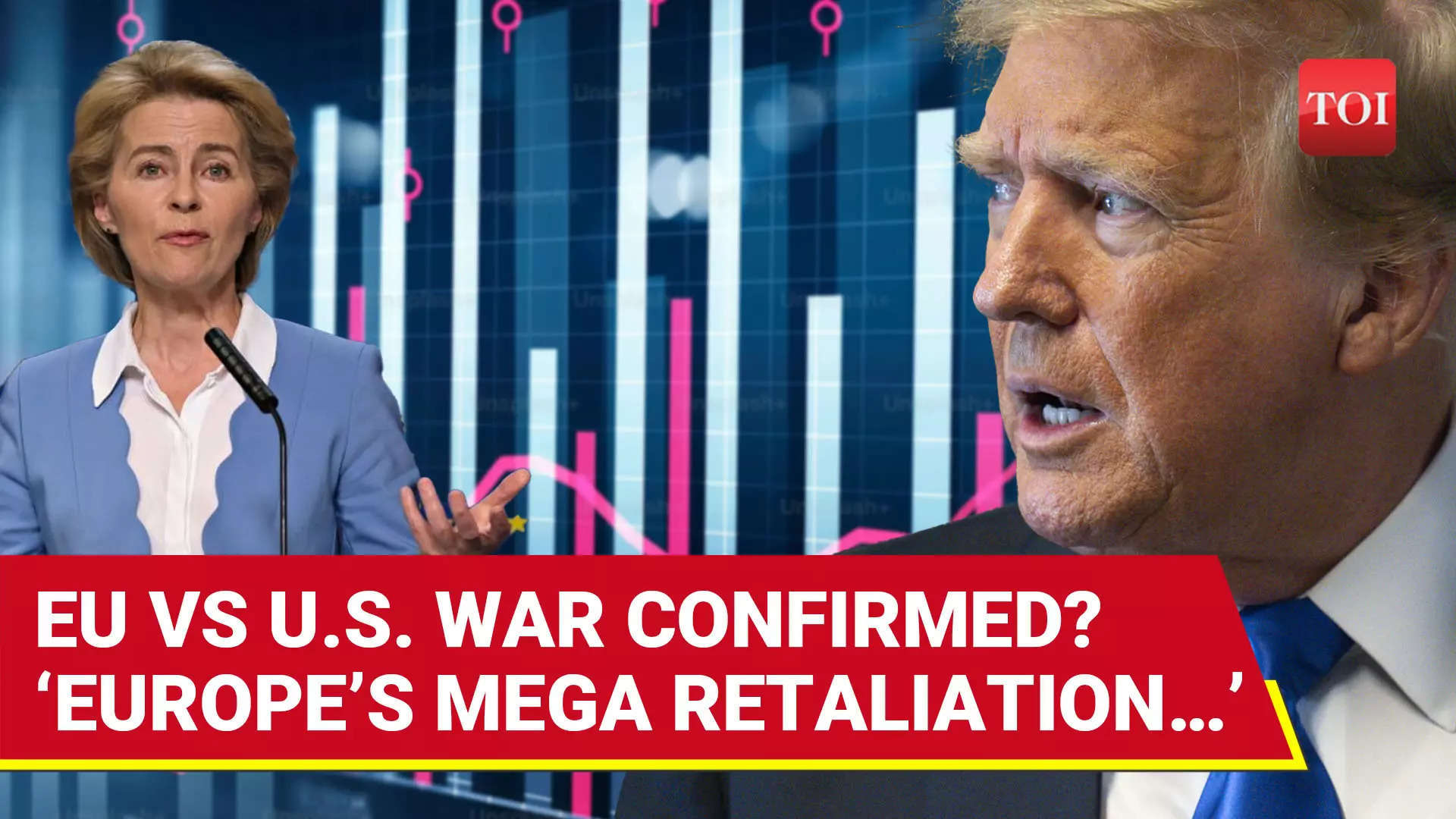

In a bold move, Trump Europe retaliation has emerged as a pivotal issue in U.S.-European relations, raising eyebrows in financial markets and political circles alike. U.S. President Trump has made it clear that any attempts by Europe to sell American bonds or other significant assets will trigger a response that could shake the foundations of transatlantic trade. This retaliation against Europe is not just a threat; it hints at a broader strategy aimed at defending U.S. economic interests against what he perceives as aggressive moves by European nations. As discussions around U.S. bonds sales and the implications for European assets breach continue to unfold, investors are urged to stay vigilant. In this charged environment, the stakes have never been higher for both sides, prompting a reevaluation of long-standing economic partnerships.
The recent rhetoric from the U.S. administration signifies a potential shift in diplomatic ties between America and its European partners concerning financial strategies. With implications surrounding the sale of American treasury securities and other investments at the forefront, the threat of sanctions and economic counters looms large. This evolving scenario presents a critical dialogue about the future of financial collaboration, as both sides weigh their options in the wake of escalating tensions. The notion of a robust response to European actions serves as a reminder of the complexities in managing international economics today. As stakeholders monitor the situation, the discourse on financial relations takes on added importance.
| Key Point | Details |
|---|---|
| Threat of Retaliation | Trump warns Europe against selling U.S. bonds. |
| Potential Consequences | Massive economic backlash and potential sanctions on European assets. |
Summary
Trump’s warning about Europe facing massive retaliation highlights the tension in U.S.-Europe relations. By indicating dire consequences for the sale of U.S. bonds and assets, Trump is positioning the U.S. as ready to defend its economic interests aggressively. This move can lead to significant economic implications for Europe, including sanctions and retaliation that could disrupt financial markets and international trade.
Understanding Trump’s Threat: Europe and U.S. Bonds
U.S. President Trump has recently issued a strong warning directed at European nations concerning the sale of U.S. bonds. This statement underscores a significant tension in U.S.-Europe relations, where economic strategies and market dynamics intersect. Trump’s stance is not just a mere political statement—it reflects a potential retaliation strategy that highlights the importance of U.S. bonds in global finance. If European countries opt to divest from U.S. bonds, they may trigger severe responses that could alter investment flows and economic securities across the Atlantic.
The European market’s reliance on U.S. bonds illustrates not only the interconnectedness of these economies but also the risks involved in such economic transactions. Trump’s remarks suggest that any breach of trust or attempts to undermine U.S. financial stability through selling off these assets could lead to massive retaliation. This sets the stage for a complex situation where diplomacy and economic strategies play pivotal roles in shaping future relations between the U.S. and Europe.
Retaliation Against Europe: Implications for Global Markets
Trump’s rhetoric regarding the potential retaliation against Europe raises crucial questions about the implications for global financial markets. The threat of imposing tariffs or sanctions could not only destabilize the European economy but also have a ripple effect worldwide. Investors often seek stability, and if the U.S. is portrayed as a volatile player in the global market, issues such as uncertainty regarding U.S. bond sales could lead to a plunge in both U.S. and European assets.
Such retaliatory measures could potentially push European investors towards alternative markets, leading to an adverse shift in foreign investment dynamics. The concept of European assets breach becomes increasingly relevant here, as countries might look for ways to mitigate risks associated with U.S. bonds. This scenario emphasizes the need for both U.S. and European policymakers to navigate these waters carefully to avoid economic fallout that could affect not just them but the broader international financial system.
Analyzing Trump’s Economic Strategy on the European Front
Trump’s economic strategy regarding Europe focuses heavily on the sale and retention of U.S. bonds, which remain a critical component in the financial health of both U.S. and European economies. By threatening massive retaliation, Trump showcases a powerful leverage point that aims to keep European nations aligned with U.S. interests. This fundamental approach suggests that the future of U.S. bonds will greatly depend on the confidence that these countries have in U.S. fiscal policy and its enforceability.
Moreover, as Europe weighs its options, the interplay between Trump’s threats and actual economic actions will become crucial. The likelihood of retaliation looms as a political tool in trade negotiations, forcing European leaders to consider the economic ramifications of their investment decisions closely. As this scenario unfolds, the spotlight will remain on U.S. President Trump’s actions and statements, shaping the contours of transatlantic economic relations.
Impact of U.S. Bond Sales on European Economies
The sale of U.S. bonds has significant consequences for European economies, serving as both a safe investment and a source of financial dependence. If European nations decide to divest from U.S. bonds, it not only threatens to impact their economies but also signals a shift in financial allegiance that could invite retaliation from the U.S. This could take many forms, from increased tariffs on European goods to a more aggressive U.S. foreign policy stance, reshaping the economic landscape in ways that could cause significant disruption.
Moreover, the interconnected nature of the global economy means that such decisions do not exist in isolation. Investors in European markets would watch closely for signals of instability or changes in U.S. foreign policy, which could ultimately influence their market strategies. Thus, the narrative surrounding U.S. bonds becomes pivotal in discussions about economic collaboration or contention between the U.S. and Europe.
The Future of Transatlantic Relations Amidst Economic Tensions
As Trump’s administration continues to navigate its relationship with Europe, the future of transatlantic relations remains in question. Economic tensions surrounding U.S. bonds and the potential for European retaliation will define the nature of these interactions moving forward. The emphasis on U.S. bonds as a central element of negotiation indicates that financial strategies will continue to play a crucial role in diplomacy.
Ultimately, the interplay between Trump’s actions and European responses will influence not just political dialogues but also economic strategies across the globe. Policymakers in both regions will need to recalibrate their approaches to safeguard their interests while maintaining a cooperative relationship. Understanding the nuances of these financial transactions will be key to navigating the economic landscape of the future.
Challenges Ahead: Navigating Retaliation Strategies
The path to managing retaliation strategies amid U.S. and European relations is fraught with challenges. As U.S. President Trump emphasizes his firm stance against the sale of U.S. bonds, European countries must strategically assess their financial dependencies. Any retaliatory measures taken by Trump could create an unpredictable environment, making it vital for European leaders to explore alternative strategies that mitigate risks without compromising their economic interests.
For both sides, the repercussions of failing to navigate these situations deftly could mean facing hardships in trade, investment, and overall economic stability. Thus, the forthcoming negotiations will likely center around U.S. bonds and the associated costs of retaliation, with both parties seeking to strike a balance between strategic independence and collaboration.
U.S. Bonds as a Tool for Political Leverage
Trump’s approach to U.S. bonds underscores their utility as a tool for political leverage against Europe. By threatening retaliation for the sale of these bonds, he highlights their significance in the U.S.-Europe financial relationship. This potential for retaliatory action serves as a reminder of the power dynamics at play in international economics, where financial decisions can have far-reaching implications for diplomatic relations.
As European countries reassess their investment strategies in light of Trump’s warnings, it becomes clear that U.S. bonds are not just a financial matter, but a political statement as well. This evolving landscape will require careful consideration and strategic positioning by both sides, as the ramifications of financial transactions extend beyond the immediate economic impact to influence broader geopolitical relationships.
Navigating Financial Risks in U.S.-European Relations
Financial risks have surged to the forefront of discussions about U.S.-European relations, especially with Trump’s recent remarks on potential retaliation regarding U.S. bonds. The risk associated with retaliatory measures could destabilize not just local markets but create widespread economic turbulence as investors reassess the safety of U.S. bonds as an asset class. This uncertainty can lead to a lack of confidence, encouraging investors to pull back from U.S. assets or seek alternatives.
From a European perspective, understanding these financial risks is imperative in crafting a response to U.S. strategies. Assessing the implications of U.S. bond sales amid a backdrop of potential economic retaliation can help leaders make informed decisions that protect their economies while negotiating a path forward in transatlantic relations. The ability to mitigate these risks will determine the future stability of both regional economies.
Conclusion: The Road Ahead for U.S.-Europe Financial Relations
As President Trump continues to assert his stance on the sale of U.S. bonds and potential retaliatory actions, the road ahead for U.S.-European financial relations becomes increasingly complex. This dynamic requires careful monitoring by policymakers and investors alike, as any shifts in this economic landscape could significantly impact globalization and international cooperation. The balance between leveraging economic power and fostering collaborative relations will determine how amicable or contentious future transactions will be.
In conclusion, the conversation surrounding U.S. bonds and Trump’s potent threats serve as a microcosm of larger geopolitical tensions. The financial repercussions of a potential breach and retaliation are profound, necessitating a strategic and informed approach from both sides. As the global economic environment shifts, it will become essential for countries to navigate these waters prudently in the pursuit of stability and mutual benefit.
Frequently Asked Questions
What is the potential impact of Trump Europe retaliation on U.S. bond sales?
Trump’s Europe retaliation could severely affect U.S. bond sales if European countries act against American financial interests. Should they decide to sell off U.S. bonds in retaliation, it might lead to a decline in bond prices and increased interest rates, impacting the overall financial market.
How could U.S. President Trump’s statement influence European assets breach?
U.S. President Trump’s warning suggests that any breach regarding trade and investment with Europe could trigger significant retaliation. If Europe were to sell off U.S. bonds or other investments, the U.S. could respond with tariffs or trade sanctions, affecting European assets and markets.
What are the risks of retaliation against Europe as suggested by Trump in the context of U.S. bonds?
The risks of retaliation against Europe could manifest as economic sanctions or increased tariffs on goods. Trump’s statements emphasize protecting U.S. bonds, suggesting that any aggressive moves by Europe could lead to financial repercussions affecting both U.S. and European economies.
Why has U.S. President Trump threatened massive retaliation against Europe?
President Trump has threatened massive retaliation against Europe primarily to protect U.S. economic interests. He aims to deter European nations from selling U.S. bonds, which could destabilize the U.S. financial landscape and diminish the value of American investments.
What measures might the U.S. take if Europe proceeds with the sale of U.S. bonds?
If Europe moves forward with selling U.S. bonds, the U.S. might impose tariffs on European goods or implement trade sanctions as a form of retaliation. Such measures would be aimed at protecting U.S. investments and maintaining the integrity of the U.S. bond market.
Related: More from Market Analysis | WLFI Price Predicted: World Liberty Financial Proposes Governance Overhaul | XLM Bounces But Bears Control

