
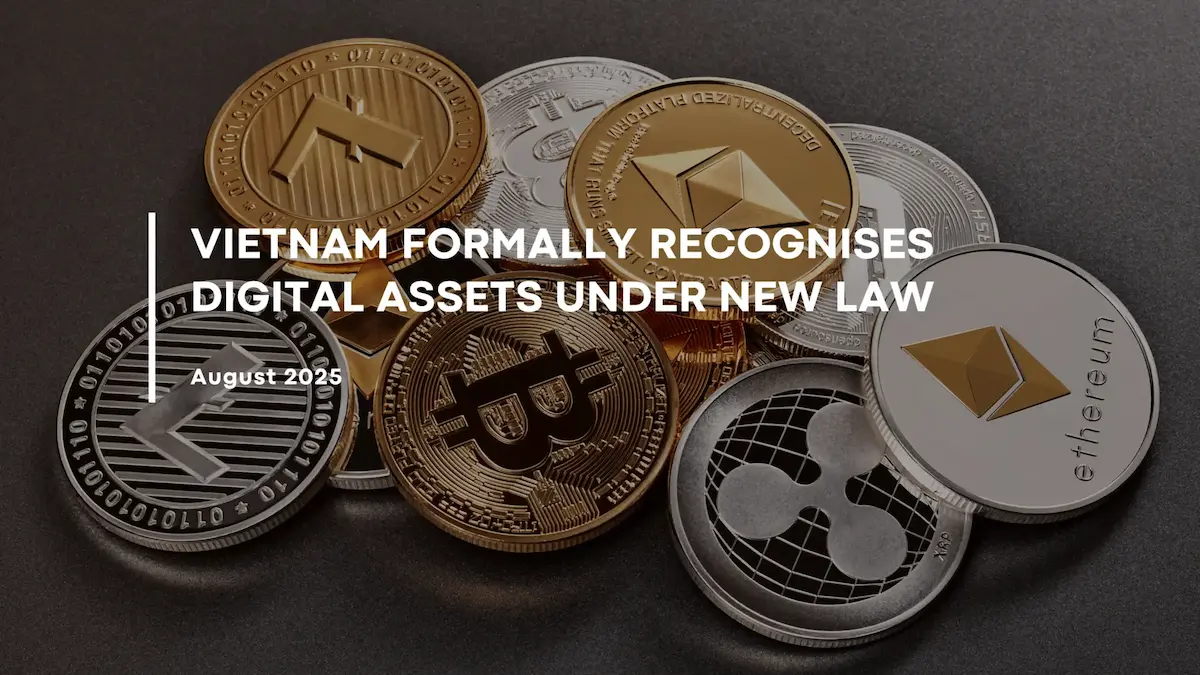

Vietnam digital asset licensing has officially begun, signaling a pivotal moment for the country’s evolving crypto landscape. The Ministry of Finance’s Decision No. 96 allows banks and securities firms, including well-known names like SSI and VIX, to apply for licenses to operate digital asset trading platforms. This move aims to establish a regulated environment for crypto trading Vietnam, reflecting the government’s commitment to building a robust digital assets regulation framework. With stringent requirements, including a 10 trillion dong minimum capital and specific ownership rules, the process underscores the government’s cautious yet progressive approach towards the burgeoning Vietnam crypto market. As the licensing period unfolds, the focus remains on fostering secure, compliant digital asset platforms that can thrive in an increasingly regulated atmosphere.
The introduction of Vietnam digital asset licensing marks a transformative step in the nation’s journey towards a structured online trading ecosystem. By implementing a comprehensive regulatory framework, the government seeks to oversee digital currencies and platforms, effectively shaping the market dynamics of cryptocurrency trading. This initiative is set to pave the way for institutional players to engage in a secure and guided environment, further reinforcing the legitimacy of the Vietnam crypto scene. Stakeholders are now adapting to new digital assets regulation, with a keen eye on balancing innovation and risk management in this emerging sector. As these developments unfold, the establishment of clear Vietnam crypto laws will play a crucial role in defining the future of digital finance in the country.
| Key Point | Details |
|---|---|
| Licensing Announcement | Vietnam has begun licensing digital asset trading platforms. |
| Decision No. 96 | Issued by the Ministry of Finance to regulate crypto markets. |
| Minimum Capital Requirement | 10 trillion dong (approx. $380 million) is required for licensing. |
| Ownership Restrictions | Institutions must have 65% ownership; foreign investment capped at 49%. |
| Licensing Window Open Date | Applications will be accepted starting January 20, 2026. |
| Legal Framework | The Law on Digital Technology Industry recognizes crypto assets but not as legal tender. |
| Initial Market Interest | At least 10 firms, including SSI and VIX, are interested in licensing. |
| Challenges for Operators | Stringent entry requirements could hinder the launch of trading platforms. |
| Regulatory Approach | Vietnam enforces strict regulations to ensure a stable crypto market. |
Summary
Vietnam digital asset licensing represents a significant shift towards a regulated environment for cryptocurrency trading in the country. With the recent issuance of Decision No. 96 and the establishment of strict entry criteria, Vietnam is making a calculated move to foster a secure trading landscape. The pilot program, expected to launch in 2026, aims to equip banks and brokers with the framework necessary for regulated trading, emphasizing institutional integrity and compliance. While promising, the heavy capital and ownership requirements may challenge new entrants, ensuring that only well-established firms can effectively operate in this emerging market.
Overview of Vietnam’s Digital Asset Licensing Process
Vietnam has embarked on a significant journey towards regulating digital assets with the initiation of the digital asset licensing process. The Ministry of Finance’s Decision No. 96 serves as a key milestone in this endeavor, marking the beginning of an era where digital asset trading platforms will operate under a structured regulatory framework. This is a pivotal move for the Vietnam crypto market, reflecting the government’s intent to uphold a safe and compliant environment for digital asset investment and trading. With a minimum capital requirement set at 10 trillion dong (approximately $380 million), the licensing process ensures that only reputable and financially secure companies will participate in the market.
As the State Securities Commission of Vietnam (SSC) opened the application window for licensing on January 20, 2026, it has set a clear guideline for prospective applicants, including banks and securities firms. This approach is essential for creating a transparent ecosystem for digital assets, thereby fostering investor confidence. Notable local entities, such as SSI Securities and VIX Securities, are already preparing to meet the stringent criteria established by the SSC, which underscores the importance of institutional readiness in facilitating a robust trading platform for digital assets.
Impact of Regulations on Crypto Trading in Vietnam
The recent regulations surrounding digital asset licensing in Vietnam will undoubtedly influence the landscape of crypto trading within the country. By regulating the activities of digital asset platforms, the Vietnamese government aims to curtail illegal operations and ensure a fair playing field for investors and operators alike. This development signifies a more cautious yet optimistic outlook for crypto trading Vietnam, as established local firms vie for licensing in a market that has seen significant interest from foreign investors as well.
Moreover, these regulations position Vietnam distinctly in the regional crypto ecosystem. The stringent laws laid out by the SSC not only guide the licensing process but also elevate the standards for compliance, particularly with the anticipated rise of institutional investment in digital assets. As a result, while the regulatory framework introduces obstacles, it also opens avenues for serious investors to enter the market, especially those seeking legitimacy and security in their crypto transactions.
The Future Landscape of the Vietnam Crypto Market
With the establishment of a formal licensing regime for digital assets, the Vietnam crypto market is on the verge of transformation. The expected influx of licensed platforms is likely to create a vibrant ecosystem where both consumers and institutional players can engage in cryptocurrency trading with peace of mind. As prominent firms such as SSI and Military Bank express interest in entering the digital asset space, the potential for innovation and growth appears promising, provided that the regulatory environment continues to evolve favorably.
Furthermore, the law on the Digital Technology Industry, which recognizes digital and crypto assets as property but not legal tender, illustrates the country’s careful navigation within the context of digital finance. This balance between regulation and innovation is crucial, as it enables Vietnam to foster a dynamic market while reducing the risks associated with unregulated trading. As firms prepare for the licensing process, the establishment of reliable digital asset platforms will likely play a defining role in shaping the future of cryptocurrencies in Vietnam.
Key Regulations Influencing Digital Assets in Vietnam
The regulatory landscape for digital assets in Vietnam has been marked by several key statutes aimed at regulating the burgeoning crypto market. The introduction of a minimum capital requirement of 10 trillion dong is one of the most significant regulations as it sets a high financial bar for market entry, thereby filtering out smaller, potentially less stable entities. This strategy not only encourages the growth of well-capitalized, trustworthy digital asset platforms but also helps in safeguarding the interests of consumers in the dynamic environment of crypto trading.
Additionally, the 49% foreign ownership limit serves to retain local dominance in the market while ensuring that substantial decision-making power remains with domestic entities. This prudent regulatory approach helps mitigate possible risks associated with foreign capital influx while still promoting innovation from global investors. With these regulations, Vietnam is positioning itself as a serious player in the international crypto landscape, balancing the need for security with the ambition for growth.
The Role of Institutional Investors in Vietnam’s Crypto Market
Institutional investors have a pivotal role in the evolution of Vietnam’s crypto market, especially as new regulations come into play. With a minimum capital requirement and significant ownership regulations, these investors are seen as essential contributors to the stability and legitimacy of digital asset trading. Institutions like SSI Securities and Military Bank, which are moving towards crypto platforms, exemplify how established entities can bring credibility and support to the fledgling market, fostering the development of a secure trading environment.
The presence of institutional investors not only enhances market efficiency but also encourages retail investors to partake in the crypto market with more confidence. Given that these entities are subject to rigorous compliance measures, their involvement signals a move towards a more professional and regulated trading arena. Therefore, the expected engagement from these institutions is likely to enhance both market depth and integrity, paving the way for Vietnam to emerge as a competitive player in the regional crypto landscape.
Challenges and Opportunities in Vietnam’s Digital Asset Licensing
As Vietnam kicks off its digital asset licensing process, several challenges and opportunities are presented. The strict regulatory requirements pose a barrier to entry for many firms looking to capitalize on the growing interest in digital assets in Vietnam. While these stringent measures aim to foster a safe and regulated market, potential operators may find it difficult to meet the high initial capital requirement and other eligibility criteria. This can lead to a limited number of platforms entering the market, where only the most prepared and financially secure entities thrive.
On the flip side, the challenge of meeting these requirements also serves as an opportunity for the market to filter out less legitimate operators and encourage only the most robust and innovative digital asset platforms. As the SSC maintains oversight and expects compliance from licensed exchanges, those that succeed in obtaining licenses will likely attract investor interest and build credibility, establishing themselves as leaders in Vietnam’s emerging crypto landscape. This dynamic presents a unique opportunity for participants to form a safe and thriving market.
Vietnam’s Approach to Foreign Investment in Digital Assets
Vietnam’s regulatory framework for digital asset trading specifically addresses foreign investment, with a clear guideline that limits foreign ownership to 49%. This regulation underscores the government’s commitment to fostering domestic business while ensuring that the market remains accessible to international players. This careful balancing act is crucial for sustaining local market development, as it encourages collaboration between local firms and foreign investors, ultimately leading to technological advancement in Vietnam’s digital asset sector.
Despite the limitations placed on foreign ownership, the regulations are designed to attract reputable foreign firms that can bring valuable expertise and resources to the market. By fostering partnerships between local companies and international entities, Vietnam can leverage a broader range of knowledge and innovation in the crypto field, thus enhancing the competitiveness of its digital asset platforms. This strategic approach ensures that while local firms maintain control, foreign participation is welcomed to bolster mutual growth and market stability.
Navigating the Legal Framework for Crypto Assets in Vietnam
Navigating the legal framework surrounding crypto assets in Vietnam is crucial for businesses and investors interested in this market. The enactment of the Law on the Digital Technology Industry marks a significant development, as it officially recognizes digital assets as property within the legal system. However, it also clarifies that cryptocurrencies cannot be used as legal tender, which sets distinct boundaries for commercial use. This legal recognition helps establish a structured environment that can foster trust and investment in digital assets.
For stakeholders, understanding these legal parameters is essential for compliance and strategy development. Businesses must adapt their operations to ensure they remain within the law while seizing the opportunities presented by the emerging digital market. Ample guidance will be necessary as entities prepare to engage with digital assets, particularly in light of the complexities involved in crypto trading Vietnam. The robust legal framework paves the way for sound investment practices and growth in the sector.
The Path Forward: Building a Regulated Crypto Market in Vietnam
As Vietnam positions itself for a regulated crypto market, the path forward involves a commitment to ongoing regulatory development and industry collaboration. The regulatory measures laid out by the SSC highlight the government’s intention to create a safe and controlled trading environment that can withstand the fluctuations and challenges often associated with cryptocurrencies. Building upon this foundation, Vietnam can further enhance its digital asset market to cater to both domestic and international investors.
To realize this vision, continuous dialogue between regulatory bodies, market participants, and stakeholders will be essential. Encouraging feedback from industry players can help refine regulations to better accommodate growth while maintaining security measures. As Vietnam moves towards fostering a legitimate and forward-thinking crypto ecosystem, it will be crucial to remain adaptive and responsive to the fast-evolving landscape of digital assets, ensuring that opportunities for innovation and investment are seized effectively.
Frequently Asked Questions
What is the latest development regarding Vietnam digital asset licensing?
Vietnam has officially begun the licensing process for digital asset trading platforms following Decision No. 96 from the Ministry of Finance. This development aims to create a regulated crypto market, enabling banks and brokers to apply for licenses starting January 20, 2026.
What are the main requirements for obtaining a digital asset license in Vietnam?
To obtain a digital asset license in Vietnam, applicants must meet stringent requirements, including a minimum capital of 10 trillion dong (approximately $380 million), 65% institutional ownership, and a foreign investment limit of 49%.
How does the Law on the Digital Technology Industry affect the Vietnam crypto market?
The Law on the Digital Technology Industry recognizes digital and crypto assets as property but prohibits their use as legal tender. This legislation supports the framework for a regulated crypto market in Vietnam while focusing on oversight rather than consumer transactions.
What regulatory bodies are involved in the Vietnam digital asset licensing process?
The State Securities Commission of Vietnam (SSC) is the primary regulatory body overseeing the licensing of digital asset trading platforms in Vietnam, ensuring compliance with the new administrative regulations.
What is the significance of the recent licensing announcement for crypto trading in Vietnam?
The licensing announcement signals a critical advancement in developing a regulated crypto trading environment in Vietnam, providing a pathway for established firms like SSI and VIX to pursue licensing and participate in the market.
What challenges do applicants face in the Vietnam crypto market licensing process?
Applicants in the Vietnam crypto market face significant challenges due to stringent entry requirements, including high capital thresholds and eligibility criteria that favor large established domestic entities over foreign competitors.
What impact could Vietnam’s digital asset platforms have on the regional crypto market?
Vietnam’s digital asset platforms, once licensed, could greatly influence the regional crypto market by providing a structured and regulated environment for crypto trading, potentially attracting more investment and innovation in Southeast Asia.
Is there any restriction on foreign investment in Vietnam’s digital asset trading platforms?
Yes, Vietnam’s digital asset licensing includes a restriction on foreign investment, allowing only up to 49% foreign ownership, to ensure local entities maintain a dominant role in the crypto market.
When did Vietnam’s digital asset licensing process officially open?
Vietnam’s digital asset licensing process officially opened on January 20, 2026, marking a significant step towards formal regulation of the crypto trading sector.
What firms have expressed interest in the Vietnam digital asset licensing process?
Several firms have shown interest in the Vietnam digital asset licensing process, including SSI Securities, which has launched SSI Digital, and VIX Securities, developing its VIXEX digital asset exchange, along with prominent banks like Military Bank and Techcombank.
Related: More from Regulation & Policy | Anthropic Completes 0 Billion Funding Round, Valuing Company at 80 Billion | Gold Market Speculation: What Treasury Secretary Bessent Says