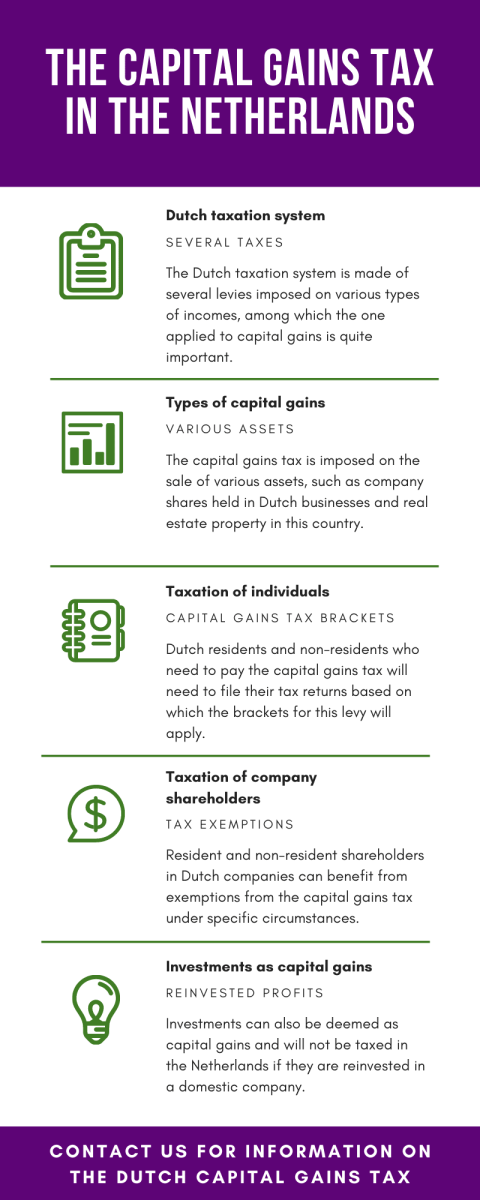

The Dutch capital gains tax is set to undergo significant changes as a proposal to tax unrealized gains on investments, including cryptocurrencies, gains traction among Dutch MPs. This shift is particularly noteworthy as it aligns with the government’s ongoing efforts to reform the Box 3 asset tax system, which currently allows many investors to escape taxation on unrecognized profits. With a budgetary gap of approximately 2.3 billion euros annually due to delays in implementation, the proposal has garnered support from key political parties such as VVD, CDA, and D66. By 2028, investors may be required to report gains on their assets, including those in the increasingly popular cryptocurrency sector, regardless of whether these investments are realized. As the Dutch Senate debates this transformative legislation, it is essential for investors to stay informed about how these future tax changes may impact their portfolios and financial strategies.
In the Netherlands, new legislative measures are steering towards the implementation of a capital gains taxation system, addressing unrealized profits across various assets. Specifically, this includes plans concerning cryptocurrency taxation as part of the broader Box 3 framework. As discussions unfold within governmental circles, the notion of an annual tax on gains—regardless of whether they have been converted into actual cash—has become a pivotal point of contention. Proposed changes, with a target implementation year set for 2028, present implications for asset holders who may find themselves subject to a new layer of taxation on their investments. Understanding the nuances of these potential 2028 tax changes will be crucial for anyone navigating the financial landscape in the Netherlands, especially in light of discussions surrounding the unrealized gains tax.
| Key Point | Details |
|---|---|
| Proposal Overview | Capital gains tax on unrealized cryptocurrency gains proposed for implementation in 2028. |
| Political Support | Majority of Dutch political parties, including VVD, CDA, PVV, D66, and GroenLinks-PvdA, support the proposal. |
| Financial Implications | The proposal is expected to generate around 2.3 billion euros annually for the treasury once implemented. |
| Tax on Unrealized Gains | Investors will pay tax on gains from stocks, bonds, and cryptocurrencies, regardless of whether they are cashed out. |
| Implementation Timeline | Despite support, the earliest implementation is not expected until 2028. |
Summary
The Dutch capital gains tax is poised for significant changes starting in 2028, as the majority of Dutch MPs are in favor of taxing unrealized gains from cryptocurrencies. The proposed reform aims to ensure that investors in various asset classes, including stocks and bonds, will be accountable for tax payments based on their annual gains, even if those gains are not realized through cashing out. This shift could potentially enhance the Netherlands’ treasury, injecting an estimated 2.3 billion euros annually into government revenue. The proposal is not without controversy, facing criticism regarding its delayed implementation, but the consensus among political parties reflects an urgent need for reform in the current taxation system.
Understanding the Dutch Capital Gains Tax on Cryptocurrency
In the Netherlands, the proposed annual capital gains tax on unrealized cryptocurrency gains is a significant reform that aims to reformulate the current tax landscape. This initiative falls under the broader tax system classified as Box 3, which concerns income from savings and investments. Investors will now find themselves subject to taxation on their holdings, a move that will put pressure on those who have not yet sold their assets. One of the primary motivations for this tax reform is to ensure equitable contributions from wealthy investors who benefit from rising asset values, even if they haven’t realized those gains through sales.
The introduction of the Dutch capital gains tax on cryptocurrency means that holders of digital assets must stay informed and proactive about their tax situation. With the proposal moving closer to implementation in 2028, it is essential for investors to understand how their portfolios will be affected. This could potentially deter some investment behaviors or prompt divestments as some may wish to realize losses before the tax takes effect. As discussions continue in the Senate, it remains imperative for investors to consider the long-term implications of these changes on their financial strategies.
The Controversial Box 3 Asset Tax System Reform
The proposed reform of the Box 3 asset tax system has become a hot topic among Dutch politicians and public investors alike. The current model, criticized for its shortcomings in fair taxation of personal assets, is under scrutiny as the government attempts to generate additional revenue. Each year, the Dutch treasury experiences a considerable loss of 2.3 billion euros due to the lack of a robust taxation framework for unrealized gains. Proponents of the reform argue that taxing these gains can bolster the national budget and create a more just taxation landscape for all citizens.
Despite the potential benefits, many parties within the Senate, including VVD, CDA, and PVV, still express reservations. The concern lies not only in the amount of revenue generated but also in the impact on citizens who may find themselves suddenly liable for taxes on investments that haven’t yet yielded tangible returns. The logistical and ethical implications of taxing unrealized gains spark debate, raising questions about the essence of fairness in taxation. As discussions progress towards the likely rollout by 2028, it remains crucial for investors to stay engaged and informed about potential changes.
Implications of Unrealized Gains Tax on Investors
Implementing an unrealized gains tax, particularly on cryptocurrencies, may radically shift the investment landscape for Dutch nationals. Investors are accustomed to traditional practices of only paying taxes upon the sale of their assets, which allows for strategic decision-making and management of tax liability. However, with the upcoming reforms, they will need to assess how their portfolios will be taxed annually, which could fundamentally alter their investment strategies. The psychological impact of knowing that their assets are being taxed annually may lead to more conservative investment practices.
Furthermore, as investors grapple with these changes, it is crucial for them to consult with financial advisors who understand the implications of the 2028 tax changes. These advisors can help navigate the complexities introduced not only by the unrealized gains tax but also by the overarching structure of the Box 3 system. Stakeholders might consider re-evaluating their investment approach, focusing on more liquid assets or even exploring tax-efficient investment vehicles to mitigate the potential financial burdens presented by the new tax mandates.
The Role of the Dutch Senate in Tax Reform
The Dutch Senate’s role in approving or rejecting the proposed tax reforms is vital for shaping the future of tax policy impacting both everyday citizens and investors. As a legislative body, their discussions and eventual voting outcomes will heavily influence how and when reforms will be enacted, thereby setting the tone for future budgetary considerations. With a coalition of parties supporting the reforms, including GroenLinks and PVDAG, there appears to be a consensus that action is necessary, despite differing viewpoints on the best approach.
However, the Senate’s deliberative process is characterized by both support and opposition, showcasing the complex nature of tax policy. While some senators advocate for immediate action to close the gaps in revenue generation, others prioritize the need for comprehensive data and public feedback before implementing such impactful changes. As these discussions unfold, investors must remain vigilant, as adjustments to proposed measures can have significant implications on their long-term financial commitments and tax liabilities.
Navigating Cryptocurrency Tax Obligations in the Netherlands
Navigating the complex landscape of cryptocurrency tax obligations in the Netherlands can be daunting for both novice and seasoned investors. As the proposed annual capital gains tax on unrealized cryptocurrency gains looms closer, understanding personal responsibilities becomes increasingly critical. Investors must familiarize themselves with the definition of a Box 3 asset, determine the market values of their holdings, and be prepared to report these figures annually to ensure compliance with the Dutch tax authorities.
As the implementation date of 2028 approaches, resources and tools are becoming available to help investors better manage their tax obligations. Various tax software and platforms are emerging to assist in tracking gains, losses, and overall portfolio valuations in real-time. Moreover, investing time in education about the changing regulations can empower individuals to make well-informed decisions about their cryptocurrency investing strategies, minimizing potential tax liabilities and optimizing their investment scenarios.
Anticipating Tax Changes in 2028 and Beyond
With the tax changes set to take effect in 2028, many investors are pondering the broader implications for their financial futures. The proposed unrealized gains tax will be one of the defining aspects of Dutch tax policy going forward, emphasizing taxation’s evolving nature, particularly in fast-developing sectors like cryptocurrency. The initiative reflects a growing trend among countries to capitalize on gains from digital assets, suggesting that similar reforms may arise throughout Europe and beyond.
Investors must not only adapt to the realities of the new tax framework but also anticipate additional changes that may arise post-2028 as the global landscape continues to develop. Those who stay informed and agile will likely be the most successful in navigating these shifts while maximizing their investment returns. Building a long-term financial plan that accounts for potential new tax liabilities will be critical in ensuring that investors can thrive even amid regulatory changes.
Best Practices for Reporting Cryptocurrency Gains
As the Dutch government prepares to implement a capital gains tax on unrealized cryptocurrency gains, understanding best practices for reporting these gains will be essential for compliance. Investors should keep meticulous records of all transactions, including purchases, sales, and valuations at year-end. This will facilitate easier calculations for tax reporting purposes and ensure that investors are accurately declaring their liabilities under the Box 3 asset tax system. Keeping a detailed ledger or using specialized crypto tax software can simplify this process immensely.
In addition to record-keeping, staying updated with changing regulations will play a crucial role in effective reporting. Continuous education on Dutch tax policies relating to cryptocurrency will help investors make better decisions and avoid potential legal issues. Engaging with tax professionals specializing in cryptocurrency taxation can also be beneficial, as they can provide insights on best practices and strategies for minimizing liabilities while remaining compliant with the laws.
The Future of Cryptocurrency Investments in the Netherlands
The future of cryptocurrency investments in the Netherlands is increasingly influenced by the looming capital gains tax. The potential for a taxation model based on unrealized gains could reshape the market environment, compelling investors to adopt new strategies. As a consequence, the entry and exit points of investment decisions will likely be scrutinized more closely, leading to changes in market behavior that prioritize liquidity and mindful tax planning.
Moreover, the awareness of such a tax could deter some investors from entering the cryptocurrency market altogether, posing challenges to its growth trajectory. However, savvy investors may find innovative opportunities to thrive even with the added tax burdens, perhaps spurring the development of products and services designed specifically to enhance tax efficiency. The resilience of the cryptocurrency market in the face of evolving regulations will depend significantly on the adaptability of investors and the overall acceptance of digital assets.
Preparing for the Dutch Senate Proposal on Capital Gains Tax
As the Dutch Senate gears up to vote on the proposal for an annual capital gains tax on unrealized cryptocurrency gains, preparation is key for investors looking to understand their future financial obligations. This proposal is not just an isolated financial adjustment; it could redefine how investments are approached in the Netherlands. Investors should proactively assess how this tax change might impact their portfolio and consider making adjustments ahead of 2028 to optimize their tax outcomes.
Additionally, consulting with tax advisors well-versed in both Dutch taxation and cryptocurrency will be essential for navigating the upcoming changes effectively. They can provide personalized strategies that take into account individual investment circumstances, helping to mitigate the impact of new regulations. Staying informed about the progress of the Senate proposal and its implications will equip investors with the knowledge needed to make informed decisions while preparing for a future where investment strategies must evolve in response to changing tax laws.
Frequently Asked Questions
What is the Dutch capital gains tax on cryptocurrency and how will it be implemented?
The Dutch capital gains tax on cryptocurrency will be introduced as part of the Box 3 asset tax system. Starting in 2028, investors will owe taxes on unrealized gains from cryptocurrencies, meaning they will be taxed even on profits from investments that have not yet been sold.
How does the Dutch Senate proposal affect cryptocurrency tax in the Netherlands?
The Dutch Senate proposal significantly impacts cryptocurrency tax in the Netherlands by establishing an annual tax on unrealized gains for assets, including cryptocurrencies. This approach aims to generate revenue, addressing the annual loss to the treasury of approximately 2.3 billion euros if reforms are delayed further.
What are the implications of the 2028 tax changes on Dutch taxpayers holding cryptocurrency?
The 2028 tax changes will require Dutch taxpayers holding cryptocurrency to report and pay tax on unrealized gains annually, marking a shift from the current system which only taxes realized gains. Investors should prepare for this substantial adjustment in their tax obligations.
Are there any exemptions under the Dutch capital gains tax for cryptocurrency investors?
Under the upcoming Dutch capital gains tax for cryptocurrency, there may not be significant exemptions, as the proposal aims to tax all investments in cryptocurrencies, stocks, and bonds on unrealized gains, impacting a broad range of investors.
What should cryptocurrency investors in the Netherlands know about Box 3 asset tax?
Cryptocurrency investors in the Netherlands should be aware that under the Box 3 asset tax, they will need to account for their cryptocurrency holdings and pay taxes on unrealized gains beginning in 2028. This includes keeping records of their investment values to ensure compliance with the new tax regulations.
How can investors prepare for the Dutch capital gains tax on unrealized gains?
Investors can prepare for the Dutch capital gains tax on unrealized gains by keeping detailed records of their cryptocurrency transactions, monitoring the market values of their assets, and consulting with tax professionals to understand the implications of the new tax framework.
Related: More from Regulation & Policy | Anthropic Completes 0 Billion Funding Round, Valuing Company at 80 Billion | Gold Market Speculation: What Treasury Secretary Bessent Says