


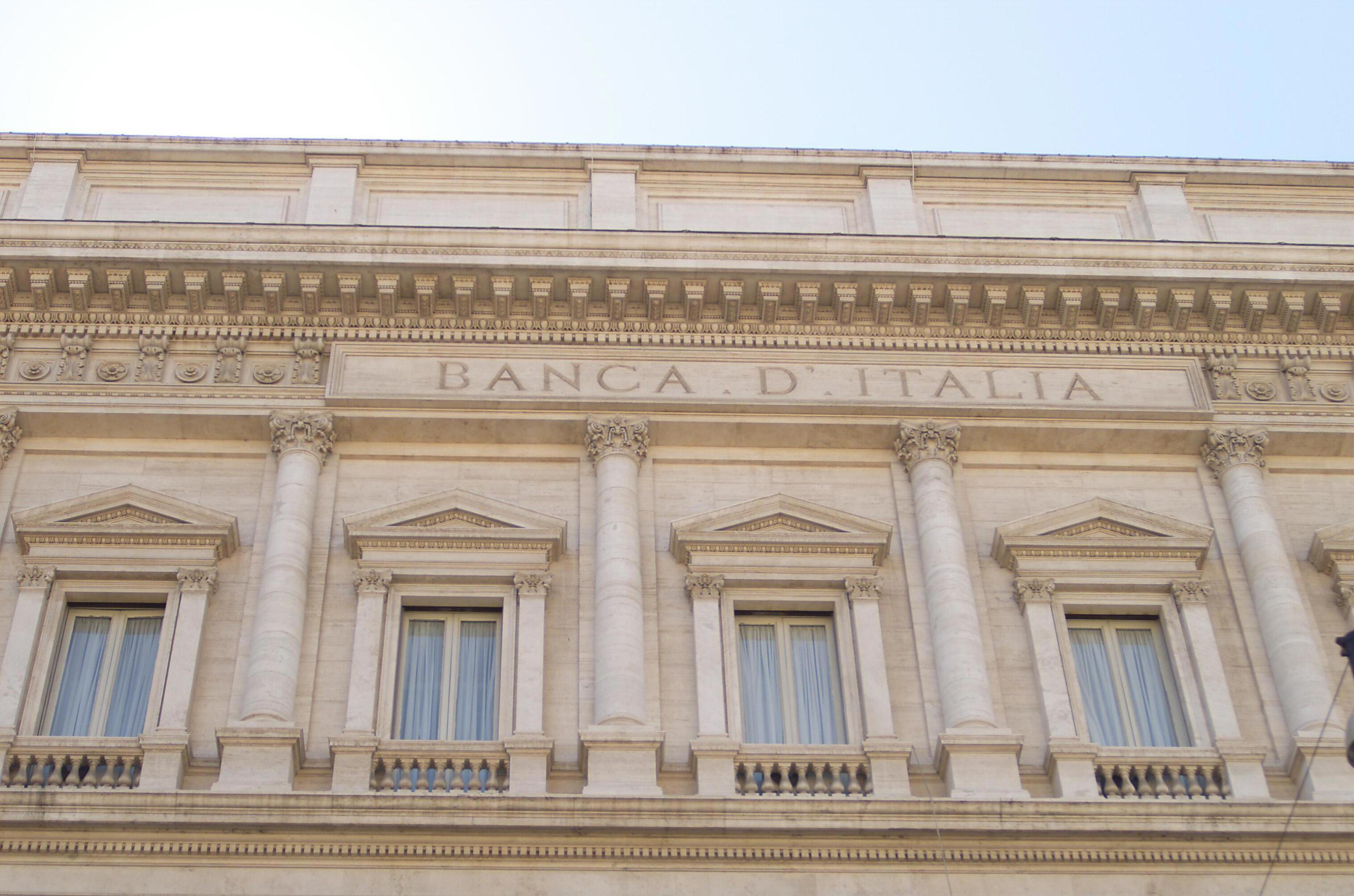

The Bank of Italy’s exploration of stablecoins sheds light on the evolution of digital money within the financial landscape. According to Fabio Panetta, the governor of Banca d’Italia, stablecoins are set to serve a complementary role rather than becoming a cornerstone of monetary stability. These digital currencies, while innovative, depend heavily on the stability of fiat currency pegs to maintain their value, thereby underscoring the importance of traditional banking systems in fostering central bank stability. As economic digitalization accelerates, the dynamics of financial infrastructure will see both digital commercial and central bank money at the forefront, shaping the future of monetary transactions. Panetta’s remarks highlight the geopolitical finance landscape, where stability and regulatory oversight will be critical to harnessing the potential benefits of these new digital instruments.
In recent discussions surrounding the evolution of modern finance, terms like cryptocurrency alternatives and pegged digital currencies have come to prominence. The discourse emphasizes how these forms of digital assets, including stablecoins, are gaining traction yet must remain tethered to standard monetary frameworks to ensure their reliability. As institutions, including the central bank, navigate through economic digitalization, the relationship between traditional banking and new technologies emerges as a pivotal theme. The focus is shifting towards how these digital instruments can enhance financial ecosystems while upholding the stability afforded by established central banking practices. Ultimately, the future of money in this increasingly interconnected world hinges on a delicate balance between innovation and the regulatory safety nets provided by central banking authorities.
| Key Points |
|---|
| The Bank of Italy’s position on stablecoins is that they can only complement the monetary system, relying on the stability provided by fiat currency pegs. |
| Bank of Italy emphasizes that both digital commercial bank money and central bank money will remain the foundational elements of the monetary system. |
| Stablecoins are viewed as having limited potential to operate independently due to their dependence on traditional currencies. |
| Fabio Panetta highlights that digital finance is crucial for banks amidst geopolitical uncertainties and evolving payment strategies. |
| The Bank of Italy is cautious about multi-issuance stablecoins due to potential legal and financial risks within the EU. |
Summary
Bank of Italy stablecoins are considered a supplementary element within the monetary system, as emphasized by Fabio Panetta, the governor of the Bank of Italy. While these digital currencies may offer some advantages, their reliance on traditional fiat currencies for stability limits their efficacy. As the landscape of digital finance evolves, the central bank remains focused on the foundational role of digital commercial bank and central bank money, ensuring robust regulatory frameworks to navigate the complexities of modern finance.
The Role of Banks in Stabilizing Digital Money
The Bank of Italy, as articulated by Governor Fabio Panetta, emphasizes that while stablecoins have emerged as a popular element of digital finance, they cannot replace the traditional role of banks within the monetary ecosystem. Central banks and commercial banks form the bedrock of a stable financial architecture, serving as crucial anchors for digital money. Panetta maintains that the inherent stability of stablecoins is ultimately contingent upon their ties to fiat currencies. This alignment ensures that even as the global economy evolves towards more digital transactions, the quintessential nature of money, rooted in trust and stability, remains intact.
The increasing integration of digital money into daily transactions necessitates a robust financial infrastructure, primarily led by banks. By leveraging established financial systems, banks can mitigate the risks associated with private digital currencies, including volatility and regulatory ambiguity. Enhanced security protocols and compliance frameworks within the banking sector can provide a safety net that stablecoins alone cannot offer, highlighting the irreplaceable dependability of traditional banking systems in fostering economic stability.
Bank of Italy Stablecoins: A Complementary Force
Governor Panetta stresses that stablecoins are unlikely to operate independently within the financial ecosystem and will serve a supplementary role. As European policymakers navigate the landscape of monetary digitalization, the focus remains on the interplay between stablecoins and central bank-issued currency. This perspective suggests that stablecoins may facilitate quicker and cheaper transactions, but they are unable to independently sustain financial stability without the reinforcing structure provided by traditional banking institutions. Recognizing stablecoins as a complement rather than a substitute enables a more balanced approach to embracing financial innovation.
Moreover, the cautious approach taken by the Bank of Italy reflects a broader commitment to financial stability amidst the ongoing evolution of global payment systems. Panetta and other officials express concerns about the potential risks associated with multi-issuance stablecoins, including legal and operational challenges. By advocating for stringent regulatory measures governing stablecoin operations, the Bank of Italy seeks to ensure that these digital assets contribute constructively to the overall monetary framework while safeguarding against any adverse effects on the economy.
Geopolitics and the Future of Digital Payments
In the contemporary landscape, geopolitics plays a pivotal role in shaping digital payments. Panetta highlights how traditional economic variables like trade, investment, and interest rates are now increasingly susceptible to political shifts. This marks a divergence from past eras where market dynamics were the primary drivers of economic stability. The intersection of technology and political tensions influences how banks strategize their digital transformation, leading to a reconfiguration of global financial networks. As competition intensifies, banks are challenged to innovate while navigating these geopolitical complexities.
Furthermore, Panetta’s remarks underscore the transformational nature of technology in finance, as digital infrastructures evolve in response to the changing global order. Financial institutions that can harness technology to enhance payment efficiency while mitigating geopolitical risks stand to gain a competitive edge. The bifurcation of the global finance landscape calls for agile strategies from banks, as they adapt to a world that is less cooperative and increasingly fragmented, ultimately redefining the parameters of economic digitalization.
The Intersection of Digital Currency and Financial Security
As the Bank of Italy navigates the evolving digital money landscape, the interconnectedness between digital currency and financial security becomes evident. Panetta emphasizes that digital currencies, including stablecoins, must align with rigorous regulatory frameworks to ensure that they do not undermine central bank stability. In a period marked by rapid technological advancements, the challenge lies in integrating innovative financial solutions with established security protocols. The Bank of Italy’s approach reflects a commitment to safeguarding economic stability while allowing for the responsible adoption of new financial technologies.
The risks associated with unregulated stablecoins call for a collaborative effort among financial institutions and regulators to enhance the overall financial infrastructure. By prioritizing security measures and standardization across the board, stakeholders can foster a more resilient economic environment that protects consumers and investors alike. The emphasis on financial security not only reinforces trust in digital money but also fortifies the broader banking system, ensuring that as digital finance expands, it does so with stability at its core.
Digital Transformation: Insights from the Bank of Italy
The Bank of Italy is proactively engaging with the digital transformation of money, positioning itself at the forefront of this movement. Governor Panetta has highlighted that innovation in financial services is not merely a trend but an essential evolution of the banking sector. Digital payments represent a significant advancement that can enhance efficiency, reduce costs, and increase accessibility for consumers. However, this transformation must be approached with caution, integrating lessons learned from historical financial crises to prevent potential pitfalls.
Panetta’s insights into the digital future of money challenge financial institutions to rethink their roles and strategies in an increasingly digitized world. Institutions must invest in technology that enables them to compete effectively against emerging digital currencies while aligning their operations with regulatory expectations. The Bank of Italy’s proactive stance illustrates its acknowledgment of the critical relationship between digital transformation, economic resilience, and security in the landscape of future banking.
Stability Risks Associated with Stablecoins
As the discussions surrounding stablecoins evolve, the Bank of Italy has articulated several stability risks that may arise from their increasing adoption. Panetta and his colleagues have raised concerns about the potential impact of multi-issuance stablecoins on operational consistency and regulatory oversight. The lack of a centralized authority governing these digital assets could lead to fragmented standards and practices that undermine financial integrity and stability across the European Union. Such risks warrant an informed and cautious approach towards the integration of stablecoins into the monetary system.
Moreover, the reliance on diversification of stablecoins across jurisdictions presents a challenge for regulatory harmonization. The Bank of Italy’s position suggests that without strong oversight and clear frameworks for stablecoins, their proliferation could introduce vulnerabilities into the financial system. Effective management of these risks is paramount to ensure that stablecoins enhance rather than endanger financial stability. As such, establishing robust regulations and coordination among regulatory bodies is essential for fostering a secure financial ecosystem.
Central Bank Digital Currency (CBDC): The Future of Monetary Systems
The conversation surrounding central bank digital currencies (CBDCs) has gained momentum as institutions like the Bank of Italy explore their potential. Governor Panetta has indicated that CBDCs could play a pivotal role in modernizing the monetary system while ensuring central bank stability. Unlike stablecoins that function based on private issuance subject to market volatility, CBDCs are designed to be secure and stable as they are directly linked to government-backed currencies. This foundational reliance allows CBDCs to mitigate risks that may arise from the unregulated nature of private digital currencies.
As countries grapple with the implications of digitalization, the advent of CBDCs could significantly reshape financial infrastructure. They promise to enhance the efficiency of payment systems, streamline transactions, and lower costs for consumers. As central banks worldwide assess the feasibility of launching digital currencies, the Bank of Italy positions itself as an essential player in the discourse on how to achieve a balanced approach that combines innovation with regulatory scrutiny, ultimately leading to a more resilient and integrated financial system.
Navigating the Legal Landscape of Digital Finance
With the rise of stablecoins and other digital assets, navigating the complex legal landscape becomes paramount for regulators and financial institutions alike. The Bank of Italy has taken proactive measures to frame a coherent legal framework that can accommodate both innovation and stability. Panetta’s calls for clear regulatory standards reflect a broader consensus on the need for a well-structured regulatory environment that ensures consumer protection and financial integrity without stifling innovation.
Legal frameworks will need to be adaptable to account for the rapid evolution of financial technology. By establishing clear guidelines and regulations, the Bank of Italy aims to mitigate risks associated with digital currencies while allowing market participants to engage confidently in the digital economy. As various jurisdictions grapple with similar challenges, the Bank of Italy’s approach may serve as a model for aligning legal standards with the realities of an increasingly digital financial landscape.
The Importance of Collaboration in Financial Innovation
The central theme of financial innovation rests upon collaboration among various stakeholders, including banks, regulators, and technology firms. Governor Panetta’s remarks allude to the necessity of a cohesive partnership aimed at fostering responsible innovation within the digital finance ecosystem. As banks embark on their digital transformation journeys, collaboration with regulatory bodies and tech experts can help ensure that the incorporation of digital currencies and financial technologies adheres to best practices and standards.
By fostering robust partnerships, financial institutions can navigate potential risks associated with digitalization, ensuring that innovation does not compromise financial stability. The Bank of Italy’s emphasis on cooperation reflects a progressive stance towards modernizing financial services while safeguarding foundational stability. The collective effort to balance innovation with regulatory oversight will be critical for creating a future-proof financial landscape that remains resilient amid the evolving dynamics of global finance.
Frequently Asked Questions
What role do Bank of Italy stablecoins play in the digital money ecosystem?
Bank of Italy stablecoins, as articulated by Fabio Panetta, are expected to serve a complementary role in the digital money ecosystem. Unlike commercial and central bank money, which remain foundational, stablecoins depend on fiat currency pegs for their stability, limiting their ability to operate independently within the financial infrastructure.
How does the Bank of Italy view the stability of stablecoins compared to traditional currency?
The Bank of Italy emphasizes that the stability of stablecoins is inherently linked to stability in traditional fiat currencies. This perspective highlights that any fluctuation or instability in fiat money directly impacts the reliability of stablecoins, reinforcing their position as supplementary to central bank stability rather than replacements.
What impact does economic digitalization have on Bank of Italy’s approach to stablecoins?
Economic digitalization influences the Bank of Italy’s cautious approach to stablecoins, as it reflects a long-term trend towards fully digital commercial bank money coexisting with central bank money. The central bank advocates for a regulated environment where stablecoins enhance financial infrastructure without compromising economic stability.
How might geopolitical finance affect the future of stablecoins in Italy?
Geopolitical finance is a key factor in shaping the landscape for stablecoins in Italy. As stated by Panetta, the evolving political dynamics and technological innovations create challenges for digital currencies. The Bank of Italy remains vigilant about how these geopolitical shifts might impact the stability and regulatory compliance of stablecoins in the broader financial system.
What are the risks associated with multi-issuance stablecoins according to the Bank of Italy?
The Bank of Italy identifies significant risks with multi-issuance stablecoins, which are issued across various jurisdictions. These risks include potential legal complexities, operational challenges, and threats to financial stability within the EU. The bank stresses the need for stringent reserve requirements and regulatory harmonization to mitigate these risks.
How do stablecoins impact the operational dynamics of banks in Italy?
Stablecoins alter the operational dynamics of banks by introducing new competitive pressures in digital finance. The Bank of Italy views this as a transformative challenge, as banks must adapt to mixed monetary models and find ways to leverage technology while ensuring compliance with regulatory standards.
What measures is the Bank of Italy suggesting for the regulation of stablecoins?
The Bank of Italy suggests that stablecoins should be subjected to strict regulatory measures, including adherence to reserve and redemption mandates. This is particularly true for multi-issuance stablecoins, which must operate within jurisdictions that maintain equivalent regulatory frameworks to ensure financial stability and oversight.
Related: More from DeFi & Stablecoins | Aixovia Burns 90,357,968 AIXDROP Tokens On-Chain Proof | Arthur Hayes Liquidates DeFi Tokens: A $3.48 Million Loss You Should See