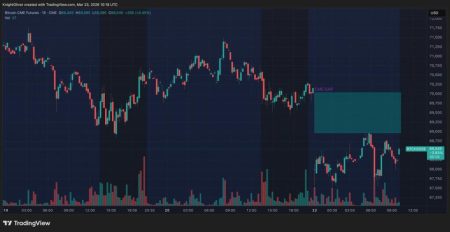




The Bitcoin price collapse has sent shockwaves through the cryptocurrency community, as the market grapples with an unprecedented downturn. On January 21, 2026, Bitcoin plummeted below $90,000, reaching a low of $87,282, which signified a significant drop that obliterated its gains from earlier in the year. This dramatic decline has been attributed to heightened volatility and aggressive selling, triggering a broader cryptocurrency sell-off that impacted major players like Ethereum and XRP. As analysts conduct crypto market analysis, they highlight the failure of Bitcoin to maintain essential support levels, raising concern over potential further declines. With $1.5 billion lost in long positions over just 48 hours, traders are left to ponder the repercussions of this Bitcoin decline and the path ahead for the cryptocurrency market at large.

The recent turmoil in Bitcoin’s valuation has thrown the digital currency into a precarious situation, revealing vulnerabilities in the overall crypto ecosystem. Following the steep Bitcoin drop in January 2026, traders are left reeling from the abrupt shift in the market’s dynamics, as a wave of panicked selling ensued. This turbulent period for Bitcoin underscores the fragility of investor confidence and highlights the ongoing challenges faced by cryptocurrencies in a volatile environment. As the market sees significant liquidations and struggles to find stability, it raises pressing questions about the future trajectory of Bitcoin and its peers. The unfolding events have reignited discussions about support levels and recovery strategies within this ever-evolving landscape of digital assets.
| Key Points | Details |
|---|---|
| Bitcoin Price Collapse | Bitcoin crashed below $90,000 due to aggressive selling and liquidation, dropping to $87,282 on January 21, 2026. |
| Market Effects | Broader sell-off affected multiple cryptocurrencies, including Ethereum, XRP, Cardano, and Solana. |
| Liquidation Factors | Over $1.5 billion in long position losses and forced liquidations in the futures market exacerbated the decline. |
| Whales’ Influence | Large holders deposited over $400 million worth of Bitcoin onto exchanges, increasing selling pressure. |
| ETF Outflows | Bitcoin ETFs saw nearly $900 million in outflows in just two days, confirming bearish sentiment. |
| Macroeconomic Influences | Instability in the Japanese bond market contributed to a global risk-off sentiment affecting Bitcoin negatively. |
| Future Outlook | Some analysts believe Bitcoin could recover to $185,500 if conditions stabilize, but risks remain. |
Summary
The Bitcoin price collapse below $90,000 highlights the extreme volatility and challenges within the cryptocurrency market. This downfall, marked by significant liquidations and aggressive selling, has not only affected Bitcoin but also sent shockwaves through other major cryptocurrencies. As the market grapples with both internal pressures from large holders and external economic factors, the landscape for Bitcoin remains uncertain. While some analysts predict potential recovery, caution is warranted as sustained declines threaten panic selling among holders.
Understanding the Bitcoin Price Collapse of January 2026
On January 21, 2026, the cryptocurrency market witnessed a significant upheaval with Bitcoin collapsing below the $90,000 mark, reaching a low of $87,282. This decline not only erased Bitcoin’s previous gains for the year but also signaled the onset of a broader market turmoil that affected numerous cryptocurrencies, including Ethereum, XRP, Cardano, and Solana. The aggressive selling pressure primarily stemmed from a combination of sudden liquidations of long positions and unexpected supply shocks in the spot market, leaving traders scrambling for stability.
The timing of the Bitcoin price collapse highlights the precarious nature of cryptocurrency markets where investor sentiment can shift rapidly. Data highlighted a staggering $1.5 billion loss in long positions over a mere 48-hour period, showcasing how quickly market dynamics can change. As Bitcoin struggled to hold its support levels around the $90,000 threshold, the sell-off intensified, signaling not just a temporary setback, but a potential paradigm shift in trader confidence within the crypto space.
Frequently Asked Questions
What caused the Bitcoin price collapse in January 2026?
The Bitcoin price collapse in January 2026 was primarily caused by significant market turmoil, including aggressive selling and a massive liquidation of long positions. Bitcoin fell to $87,282, driven by a liquidity crisis in futures markets and overwhelming selling pressure from large holders, or ‘whales’, who deposited over $400 million worth of Bitcoin onto exchanges.
How did Bitcoin market turmoil affect other cryptocurrencies during the sell-off?
During the Bitcoin market turmoil in January 2026, other cryptocurrencies such as Ethereum, XRP, Cardano, and Solana also faced substantial losses. The overall cryptocurrency sell-off was indicative of a larger trend, as Bitcoin’s decline influenced the trading behavior and market sentiment across the entire crypto market.
What are the critical Bitcoin support levels to watch after the price decline?
Following the Bitcoin decline in January 2026, critical support levels to watch include the upper $90,000s and $90,000 itself. A sustained drop below these levels risks panic selling from short-term holders, making it essential for investors to monitor these thresholds for signs of potential recovery or further decline.
How does a cryptocurrency sell-off like that of January 2026 impact Bitcoin’s price recovery?
A cryptocurrency sell-off, as seen in January 2026, severely impacts Bitcoin’s price recovery by introducing additional selling pressure and increasing market fear. With significant outflows from Bitcoin ETFs and large holders selling their assets, recovery becomes challenging unless market conditions stabilize and demand returns.
What role did macroeconomic factors play in the Bitcoin price collapse?
Macroeconomic factors, particularly instability in the Japanese bond market, played a significant role in the Bitcoin price collapse. Dubbed ‘Japanic’, these factors pressured risk assets globally, including Bitcoin. Weak demand for 20-year Japanese government bonds raised concerns about liquidity in global markets, which negatively impacted Bitcoin and other cryptocurrencies.
Can Bitcoin regain its value after the January 2026 price collapse?
While the January 2026 price collapse has severely affected Bitcoin, some analysts remain optimistic about its potential for recovery. Reports suggest that Bitcoin could surge to $185,500 if conditions stabilize. However, this depends on holding critical support levels and mitigating external volatility in the broader financial markets.
Related: More from Bitcoin News | AI, BTC Miners Issue High | Bitcoin Above $69K? Glassnode Weighs In