
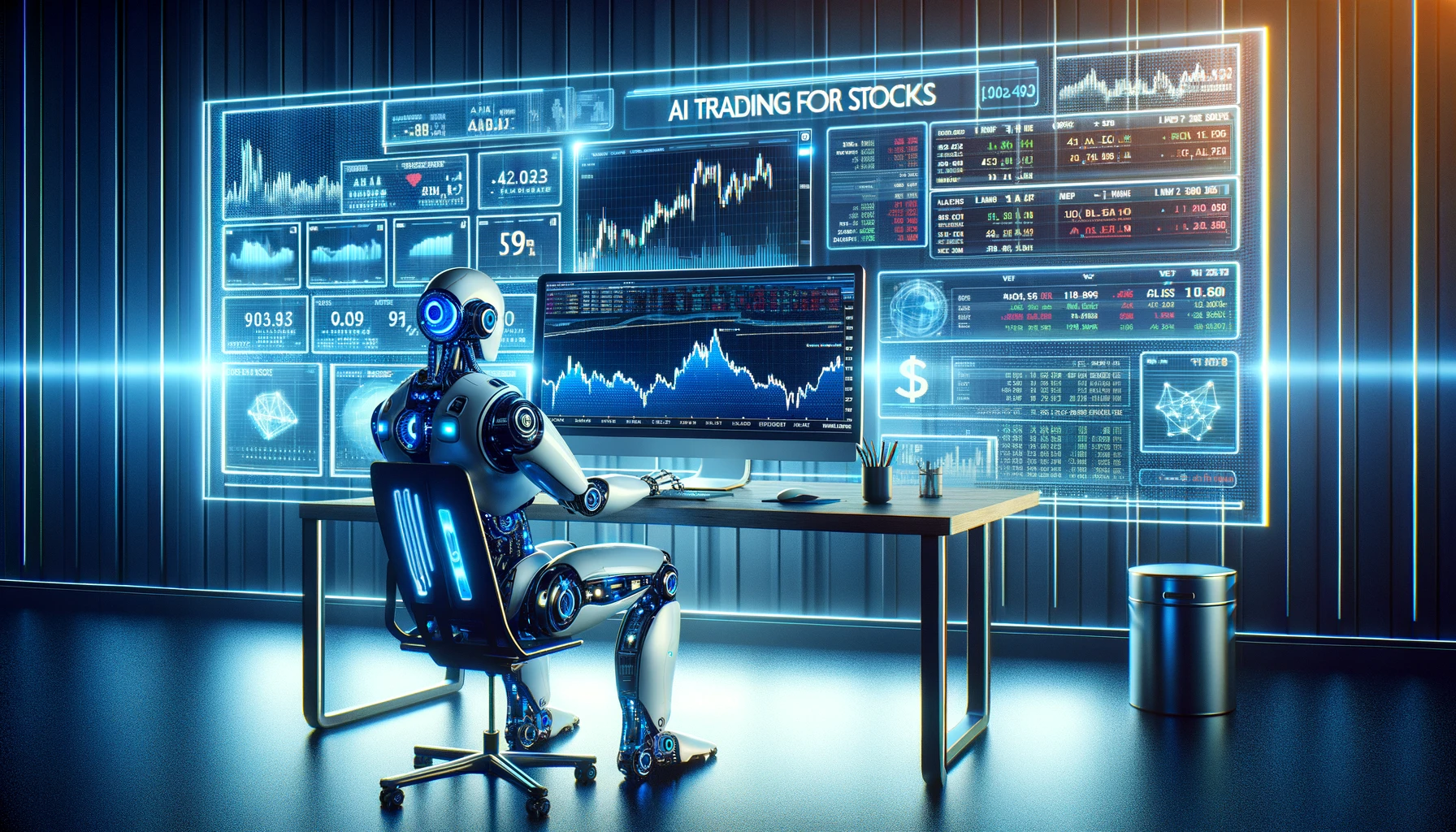

AI trading is revolutionizing the world of finance, leveraging advanced algorithms to transform how trades are executed. As emphasized by the Chief Operating Officer of bitcoin-etfs/" class="bpay-semantic-link" style="color:#0a7a64; font-weight:700; text-decoration:none;" target="_blank" rel="noopener">BlackRock, this innovative approach reflects the “creativity” inherent in financial engineering, showcasing a new era of trading technology. The integration of artificial intelligence in finance allows for faster decision-making, data analysis, and strategy optimization, making it an indispensable tool for modern traders. With AI trading, firms can capitalize on market anomalies and execute trades with unprecedented precision. This groundbreaking shift not only enhances profitability but also exemplifies the future of investment management.

The realm of automated trading, often referred to as algorithmic trading or intelligent trading systems, is gaining traction among financial institutions and individual traders alike. By harnessing the power of computational algorithms and machine learning, this method offers sophisticated solutions that streamline the trading process. The insights shared by the Chief Operating Officer at BlackRock echo sentiments of innovation within the landscape of financial strategies, highlighting how these technologies can redefine trader interactions with the market. Emerging trends reveal a growing reliance on automated systems to enhance trading efficiency and market responsiveness. Such advancements signal a pivotal transformation in how traders engage with financial markets, aligning with the latest developments in trading technology.
| Key Point | Details |
|---|---|
| AI Trading | AI trading demonstrates innovative approaches in the realm of financial engineering. |
| Expert Insight | The Chief Operating Officer of BlackRock emphasizes the creativity involved in AI trading strategies. |
Summary
AI trading is reshaping the landscape of financial markets by introducing innovative strategies that leverage advanced algorithms and machine learning techniques. The insights from industry leaders like the Chief Operating Officer of BlackRock highlight the creativity and ingenuity that AI brings to financial engineering, marking a significant evolution in how trades are executed and optimized. As technology continues to advance, the role of AI in trading will likely expand, offering greater efficiency and new opportunities for investors.
The Evolution of AI Trading in Financial Engineering
In recent years, AI trading has emerged as a game changer in the financial engineering landscape, revolutionizing how trades are executed and analyzed. The integration of artificial intelligence provides traders with enhanced tools to predict market trends and make data-driven decisions. By leveraging complex algorithms, AI systems can analyze vast amounts of data in real-time, allowing firms like BlackRock to implement strategies that were previously unimaginable. This is not just about speed; it is about creating precise trading models that adapt to market movements instantly.
Furthermore, AI trading exemplifies the high level of creativity that financial engineers employ to develop innovative solutions. The technology behind AI trading is increasingly sophisticated, utilizing machine learning to identify patterns and correlations in data that human traders may overlook. As organizations focus on bolstering their trading technology, we can expect AI to play a pivotal role in enhancing profitability and reducing risks, pushing the boundaries of what’s possible in finance.
BlackRock’s Insights on AI Trading and Operational Efficiency
The Chief Operating Officer of BlackRock has recently highlighted the importance of AI trading in fostering operational efficiency within financial markets. By harnessing artificial intelligence, companies can streamline their trading operations, ensuring faster execution times and improved accuracy in transactions. BlackRock’s commitment to innovation not only enhances their competitive edge but also sets a precedent in the finance industry regarding the use of trading technology. The insights shared by the COO underscore the strategic importance of integrating AI into everyday financial practices.
Moreover, the operational insights from BlackRock reveal how AI trading systems can alleviate complexities associated with traditional trading methods. With the assistance of advanced algorithms, firms can automate backend processes, reduce human error, and enhance compliance measures. This shift towards technology-driven operations signifies a broader trend within the finance sector, wherein operational excellence is aligned with cutting-edge innovations in AI, ultimately reshaping the future of trading.
The Role of AI in Advancing Trading Technology
The advancement of trading technology has been significantly driven by the adoption of artificial intelligence. In the financial sector, AI has reshaped how transactions are conducted, allowing for quicker responses to market fluctuations and improved decision-making processes. The ability to process and analyze market conditions at an unprecedented rate means that firms can capitalize on real-time opportunities, increasing their trading effectiveness and efficiency. This technological growth reflects a deeper understanding of financial engineering principles, creating systems that are both innovative and practical.
Furthermore, the impact of AI on trading technology extends across various dimensions, from algorithmic trading strategies to risk management approaches. As we see AI becoming increasingly embedded in trading platforms, financial institutions are better equipped to forecast potential risks and returns. This integration inspires confidence among traders, as historical data and predictive analytics guide their decisions. The continuous evolution of this technology promises a more dynamic trading environment, where agility and precision are paramount.
Financial Engineering: Creativity through AI Trading
Financial engineering represents a synthesis of finance and engineering principles, focusing on developing innovative tools and methods for financing operations. AI trading has become a significant element of this field, demonstrating how the fusion of technology and creativity can yield impressive results in market strategies. The utilization of artificial intelligence in crafting these financial instruments has opened up new avenues for investment and portfolio management, redefining traditional approaches to trading.
As the field of financial engineering evolves, the creativity brought about by AI technologies continues to challenge the status quo. Professionals within the sector are finding novel ways to employ machine learning and data mining techniques, resulting in solutions that cater to complex financial demands. BlackRock’s acknowledgment of this creativity exemplifies a broader recognition within the financial community of the potential AI trading holds in addressing future financial challenges.
Exploring COO Insights on AI Trading
Insights from Chief Operating Officers (COOs) like those from BlackRock provide valuable perspectives on the role of AI in trading. The COO’s viewpoint not only highlights the operational benefits of AI trading but also reflects its potential transformative impact on the industry. By emphasizing creativity and innovation, these insights showcase how AI technologies can lead to more efficient trading strategies and enhanced decision-making processes across financial firms.
Moreover, COO insights often reveal a strategic vision for embracing technological advancements within the finance sector. This leadership perspective sheds light on the evolving landscape of trading, emphasizing how companies are positioning themselves to leverage AI’s capabilities for competitive advantage. The intersection of operational leadership and technological innovation underscores the necessity for organizations to adapt swiftly to market dynamics and emerging trends in AI trading.
AI Trading: The Future of Financial Market Strategies
The future of financial market strategies is undeniably intertwined with the rise of AI trading. As artificial intelligence continues to refine and streamline trading processes, financial firms are beginning to realize the extensive benefits it brings to their operations. The ability to implement sophisticated algorithms not only enhances decision-making but also creates a more agile trading environment capable of responding to real-time market changes. This aligns smoothly with the principles of financial engineering, suggesting a bright future for AI in this sector.
In addition to improving transaction efficiency, AI trading allows for the development of predictive models that can guide investment strategies. By employing complex data analytics, traders can gain insights into market psychology and behavior, further informing their tactical decisions. As the financial landscape grows increasingly competitive, firms leveraging AI trading technologies will likely outpace those that continue to rely on more traditional methodologies.
The Intersection of AI and Financial Engineering
The intersection of AI and financial engineering has led to groundbreaking advancements in trading practices. With AI technologies, financial engineers are equipped with tools that can analyze countless data points and derive actionable insights within seconds. This synergy not only drives efficiency but also fosters innovation in product development and risk assessment methodologies. As a result, firms focusing on this intersection are more likely to succeed in implementing cutting-edge solutions that meet the needs of modern investors.
In essence, the collaboration between AI and financial engineering represents a paradigm shift in how financial services approach problem-solving. By embracing this alliance, companies can unlock new opportunities that not only enhance profit margins but also revolutionize the client experience. As AI continues to evolve, the potential benefits to financial engineering practices will likely expand, further integrating technology into the fabric of financial trades.
Artificial Intelligence in Finance: Transformations in Trading Practices
Artificial intelligence in finance is transforming the landscape of trading practices, ushering in a new era characterized by speed and precision. With the ability to process large datasets rapidly, AI provides traders with insights that were once impossible to attain, ensuring more informed decision-making. As organizations like BlackRock incorporate these technologies into their trading strategies, they gain an edge in navigating today’s complex economic environment, enhancing both operational efficiency and profitability.
Moreover, these transformations extend beyond just speed and accuracy; they also enhance the adaptability of trading strategies. AI systems can learn from historical data and continuously optimize their algorithms, making adjustments in response to new information or changing market conditions. This adaptive nature of AI trading systems leads to a resilient trading practice, allowing companies to stay ahead of the curve in an ever-evolving financial landscape.
The Competitive Edge of AI Trading Technology
AI trading technology delivers a significant competitive edge to financial firms willing to embrace its potential. As market conditions evolve, the agility offered by AI tools enables organizations to swiftly respond to opportunities or threats. This not only includes real-time data analysis but also predictive modeling that forecasts potential market shifts, allowing companies to strategize effectively and outmaneuver competitors. Firms like BlackRock exemplify this approach, utilizing AI to maintain their leading position in the financial sector.
Furthermore, adopting AI trading technology also inspires confidence among investors, as the implications of accuracy and efficiency serve to build a trust-based relationship with clients. The transparency brought by AI systems can lead to improved regulatory compliance and risk management practices. Hence, the competitive advantage of AI trading is twofold: it enhances operational productivity while also reinforcing credibility and trust within the financial markets.
Frequently Asked Questions
What are the advantages of AI trading in financial engineering?
AI trading leverages advanced algorithms and machine learning techniques to enhance financial engineering by optimizing trading strategies, minimizing risks, and improving execution speeds, which ultimately increases profitability.
How is BlackRock utilizing AI trading technology?
BlackRock employs AI trading technology to analyze vast datasets, enabling more informed decision-making and innovative financial engineering solutions that align with their strategic objectives.
What role does artificial intelligence play in trading technology?
Artificial intelligence plays a crucial role in trading technology by enabling automated trading systems to process information rapidly, adjust strategies in real time, and predict market movements with higher accuracy.
How can insights from the COO of BlackRock enhance our understanding of AI trading?
Insights from the COO of BlackRock emphasize the importance of creativity in financial engineering, showcasing how AI trading can drive innovative solutions to complex market challenges.
What implications does AI trading have for the future of financial markets?
The implications of AI trading for the future of financial markets include increased efficiency, personalized investment strategies, and enhanced risk management capabilities, ultimately transforming how investors approach trading.
Can AI trading improve trading outcomes for individual investors?
Yes, AI trading can improve outcomes for individual investors by providing access to sophisticated trading algorithms and data analytics, allowing them to make informed decisions and compete with institutional investors.
What challenges do firms face when implementing AI trading systems?
Firms face challenges such as regulatory compliance, data quality, integration with existing systems, and the need for specialized talent when implementing AI trading systems in their operations.
How does AI trading contribute to risk management in finance?
AI trading contributes to risk management by identifying potential market anomalies, predicting price movements, and executing trades that align with predefined risk tolerance levels, thus safeguarding investments.
What are the potential risks associated with using AI trading in financial markets?
Potential risks include over-reliance on algorithms, lack of transparency in decision-making processes, and vulnerabilities to cyber threats, necessitating robust risk assessment frameworks.
What trends in AI trading should investors watch for in the coming years?
Investors should watch for trends such as increased adoption of AI-driven robo-advisors, advancements in natural language processing for market sentiment analysis, and enhanced regulatory technologies shaping the compliance landscape.
Related: More from Market Analysis | WLFI Price Predicted: World Liberty Financial Proposes Governance Overhaul | XLM Bounces But Bears Control