
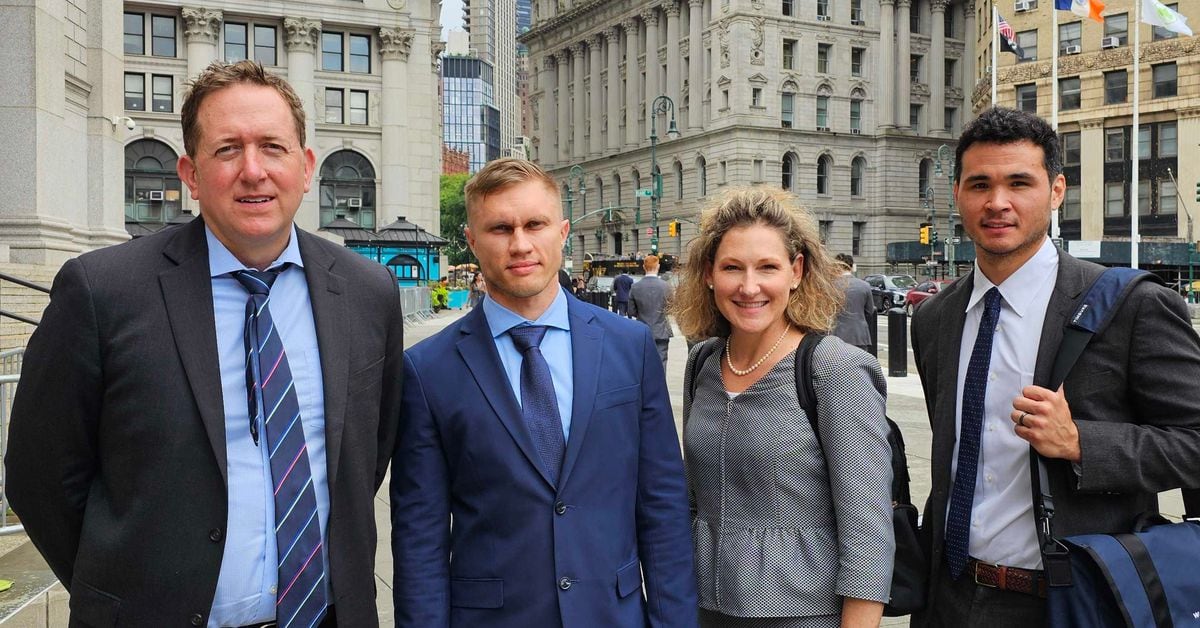

The Tornado Cash criminal case has emerged as a pivotal moment in the realm of cryptocurrency, casting a spotlight on the legal challenges faced by software developers. Roman Storm, a key figure in this case, is at the center of a legal battle that raises profound questions about U.S. crypto regulation and the protections afforded to innovators. As highlighted by the Solana Policy Research Institute, this legal dispute is far from an isolated incident; it represents a significant test of the United States’ commitment to fostering open innovation in the crypto space. The outcome of the case is poised to impact not just Storm, but the entire U.S. crypto ecosystem, potentially reshaping the landscape of software developer legal protection. With the sentencing still pending, stakeholders remain hopeful for a resolution that could clarify the ambiguous norms currently governing digital currencies.

The criminal proceedings surrounding Tornado Cash are indicative of broader challenges within the digital currency arena, particularly in relation to the legal status of blockchain developers. Roman Storm’s situation exemplifies the uncertainties faced by individuals in the rapidly evolving field of cryptocurrency, as the call from the Solana Policy Research Institute for clearer guidelines highlights the pressing need for robust regulatory frameworks. This case not only underscores the potential risks of U.S. crypto regulation but also raises important discussions about the implications for innovation and the safeguarding of developers’ rights. The ongoing legal narrative serves as a crucial reminder of the need for reforms that embrace open innovation while protecting those who pave the way for advancements in technology. As the broader implications of the case unfold, its outcome could redefine the boundaries within which software developers operate in the crypto landscape.
| Key Point | Details |
|---|---|
| Criminal Case Overview | The case involves Tornado Cash developer Roman Storm and has been flagged by the Solana Policy Research Institute. |
| Legislative Call | The institute urges the U.S. legislature to provide clearer legal frameworks to protect software developers. |
| Importance of Case | This case is seen as a crucial test for the U.S. stance on open innovation in the tech industry. |
| Current Status | The case has not been dismissed and awaits sentencing, highlighting ongoing legal uncertainties. |
| Impact on Crypto Ecosystem | Described as the greatest regulatory and criminal uncertainty currently facing the U.S. crypto landscape. |
Summary
The Tornado Cash criminal case represents a significant moment in the legal landscape for cryptocurrency developers, highlighting the urgent need for clearer regulatory guidelines. As the situation unfolds, it continues to draw attention to the broader implications for innovation and legal protection in the tech industry.
The Impact of Tornado Cash Criminal Case on U.S. Crypto Regulation
The criminal case involving Tornado Cash developer Roman Storm has reignited discussions about the direction of U.S. crypto regulation. This significant case is seen not as a solitary incident but as a reflection of broader concerns pertaining to the treatment of software developers within the cryptocurrency space. Stakeholders are worried that the outcome could establish precedents that either stifle or promote innovation in the fast-evolving crypto market. The Solana Policy Research Institute’s strong stance underscores the expectation for the U.S. legislature to respond with a clear framework that protects developers from legal ambiguities and promotes open exploration of decentralized technologies.
Additionally, the Tornado Cash criminal case poses a substantial question about the future of open innovation in the United States. Should the government impose stricter regulations on developers based on their coding practices, it could lead to a chilling effect in the industry. Advocates for regulatory reform call for a reassessment of existing laws to ensure that skilled software developers receive robust legal protection, thereby fostering an environment where creativity and technological advancement can thrive without the fear of legal repercussions. This crucial moment could define how emerging technologies like blockchain are nurtured in the U.S., balancing innovation with necessary oversight.
Call for Legal Protection for Software Developers in Crypto
The growing concern surrounding the criminal prosecution of software developers like Roman Storm emphasizes the urgent need for legal protections tailored to the unique challenges within the cryptocurrency sector. The Solana Policy Research Institute has spearheaded this conversation, advocating for a regulatory framework that does not hinder innovation while safeguarding developers from potential abuses of the legal system. An established policy could empower developers by clarifying their responsibilities and rights, which is critical as the landscape of U.S. crypto regulation continues to change rapidly.
In this context, the concept of open innovation takes on added significance. It is vital for the industry to maintain an ecosystem where developers can experiment and innovate freely, ultimately advancing technology. By creating a supportive legal environment, the U.S. can not only protect its developers but also inspire confidence among investors, enabling a more vibrant crypto market. This potential shift in policy could signal a commitment to fostering creativity in the software development community, allowing projects to flourish without the looming threat of criminal charges.
Understanding Open Innovation in the Context of Cryptocurrency
Open innovation is a principle that encourages sharing ideas and collaboration across various sectors, and its role in the cryptocurrency industry is paramount. In light of the Tornado Cash criminal case, there’s an increasing emphasis on the importance of creating an environment that allows developers to build and innovate without apprehension. This approach not only invites diversity in thought and solutions but also drives competition, leading to the development of superior technologies that can address real-world problems. The implications of such innovation go beyond just development; they shape the very fabric of economic interaction in a decentralized world.
Moreover, nurturing open innovation necessitates a collaborative effort not only from developers but also from policymakers. The evolution of U.S. crypto regulation must consider how to integrate open innovation principles effectively. Lawmakers are urged to facilitate an atmosphere where creative solutions can emerge unimpeded by fears of legal repercussions, particularly in light of recent controversies. It’s crucial for the U.S. to position itself as a leader in the crypto space by prioritizing regulations that encourage innovation while still ensuring responsible practices.
The Role of the Solana Policy Research Institute in Crypto Legislation
The Solana Policy Research Institute is at the forefront of discussions regarding the intersection of legislation and technology in the cryptocurrency realm. By analyzing cases like that of Tornado Cash, the institute provides crucial insights into the potential ramifications of current regulatory practices on software developers. Their recent efforts have spotlighted the urgent need for clearer legal protection, which would not only reassure developers but also encourage further innovation within the Solana ecosystem and beyond.
Additionally, the institute plays a significant role in influencing U.S. crypto regulation through comprehensive research and advocacy efforts. Their position on the Tornado Cash case underscores the necessity of a balanced approach to regulation—one that embraces open innovation while mitigating risks associated with financial crimes. As the landscape evolves, the Solana Policy Research Institute aims to work with legislative bodies to craft policies that ensure ethical practices without stifling technological advancement, setting a standard for how regulatory frameworks can adapt to a rapidly changing environment.
Legal Foundations for Crypto Software Developer Protection
The need for a fundamental legal framework to protect cryptocurrency software developers has never been more pressing, particularly following the Tornado Cash case. Current laws often do not adequately cover the complexities and nuances of blockchain technology, leaving many developers vulnerable to prosecution due to ambiguities in the law. This lack of protective measures undermines the spirit of innovation in the U.S. crypto landscape, as developers may hesitate to pursue creative solutions for fear of legal backlash.
To establish a supportive environment, legislators must consider collaborative partnerships with industry stakeholders and advocacy groups. Together, they can develop comprehensive legal protections that empower developers while ensuring responsible behavior within the crypto ecosystem. These safeguards would help define the legal liabilities of software developers, providing clarity and promoting confidence in the market, ultimately enhancing the trajectory of U.S. innovation in the crypto sector.
Navigating Regulatory Challenges in the U.S. Crypto Ecosystem
The regulatory landscape for cryptocurrencies in the United States is constantly evolving, posing unique challenges for developers and businesses alike. The Tornado Cash criminal case has brought these issues to the forefront, highlighting the need for clarity and consistency in regulation. Developers face uncertainty regarding their legal obligations, especially in light of potential repercussions for creating and maintaining decentralized applications. As a result, many in the crypto community are advocating for more defined rules that can coalesce with the principles of open innovation.
Navigating these regulatory waters requires an understanding of the intersection between innovation and compliance. Software developers must stay informed about changes in U.S. crypto regulation, which can directly affect their projects’ viability. Emphasizing transparency and collaboration among the regulatory bodies, developers, and researchers like those at the Solana Policy Research Institute is essential for creating a conducive environment that encourages technological progress while addressing security and ethical concerns.
Future Insights: How the Tornado Cash Case May Shape Crypto Regulations
Future implications of the Tornado Cash criminal case on U.S. crypto regulations are of great concern to industry players. As this case unfolds, it serves as a precedent for future proceedings involving software developers and blockchain technology. Investors and developers alike are closely monitoring the outcomes, as they will likely influence the regulatory framework that governs cryptocurrency innovation. The case exemplifies the tension between the desire for innovation and the necessity for regulations that ensure safety and compliance.
As the case continues, it will be crucial for stakeholders to engage actively with policymakers to advocate for a balanced approach. The risks posed by imprudent regulations underline the importance of establishing a legal infrastructure that encourages rather than stifles innovation. This ongoing dialogue will shape not only the future of regulatory policies but also the overall health of the U.S. crypto ecosystem, influencing how developers approach their work and how new technologies will develop.
The Necessity for Clarity in Crypto Development Regulations
The present ambiguity surrounding the legal status of cryptocurrency software developers necessitates a clarion call for clarity in regulatory frameworks. The current environment, highlighted by the Tornado Cash case, reveals that developers often operate in a gray area, with potential consequences that can have devastating impacts not just legally but also financially. The imperative for clear regulations is underscored further by the need to support open innovation, allowing developers the freedom to experiment without fear of unwarranted penalties.
Moreover, the Solana Policy Research Institute’s emphasis on clarity in these regulations can lead to a stronger foundation for a burgeoning industry. Clear definitions of legal protections for software developers will encourage investment and innovation, as both new and existing projects will have the assurance needed to push boundaries. Through collaborations with lawmakers, the crypto community can work towards a regulatory environment that nurtures development while ensuring accountability, ultimately fostering a sustainable and innovative industry.
Frequently Asked Questions
What is the significance of the Tornado Cash criminal case involving Roman Storm?
The Tornado Cash criminal case against developer Roman Storm is significant because it represents a key moment in U.S. crypto regulation. The case has been highlighted by the Solana Policy Research Institute as a critical test of the country’s commitment to supporting open innovation within the blockchain community.
How does the Tornado Cash criminal case affect U.S. software developer legal protection?
The Tornado Cash criminal case has raised concerns regarding legal protection for software developers in the U.S. The Solana Policy Research Institute has urged the legislature to establish a clearer legal framework, emphasizing that ambiguity surrounding the case poses challenges for developers working in innovative crypto spaces.
What does U.S. crypto regulation mean in the context of the Tornado Cash criminal case?
In the context of the Tornado Cash criminal case, U.S. crypto regulation refers to the evolving set of laws and guidelines that govern cryptocurrencies and decentralized applications. The case against Roman Storm is seen as a pivotal moment that may influence future regulations and the treatment of software developers in the crypto industry.
Is the Tornado Cash criminal case an isolated dispute in the crypto ecosystem?
No, the Tornado Cash criminal case is not an isolated dispute. According to the Solana Policy Research Institute, it reflects broader challenges and uncertainties facing the U.S. crypto ecosystem, making it a vital case for understanding the future of innovation and legal protections in the industry.
What are the implications of the Tornado Cash case for open innovation in the U.S.?
The implications of the Tornado Cash case for open innovation in the U.S. are profound. As indicated by the Solana Policy Research Institute, the outcome could determine the future landscape of technological advancement and regulatory support for innovative projects, directly impacting how developers approach creating software in the crypto space.
What is the current status of Roman Storm’s case related to Tornado Cash?
As of now, the case against Roman Storm related to Tornado Cash remains ongoing. It has not been dismissed, and the community remains cautiously optimistic while awaiting the sentencing, which is being viewed as a critical moment for both regulatory clarity and the future of crypto innovation in the U.S.
How does the Tornado Cash criminal case illustrate regulatory uncertainty in the U.S. crypto industry?
The Tornado Cash criminal case illustrates regulatory uncertainty by highlighting the lack of clear legal standards that software developers face in the U.S. crypto industry. The Solana Policy Research Institute describes it as the ‘greatest regulatory and even criminal uncertainty,’ showcasing the challenges developers encounter in navigating evolving regulations.
Related: More from Regulation & Policy | Anthropic Completes 0 Billion Funding Round, Valuing Company at 80 Billion | Gold Market Speculation: What Treasury Secretary Bessent Says