


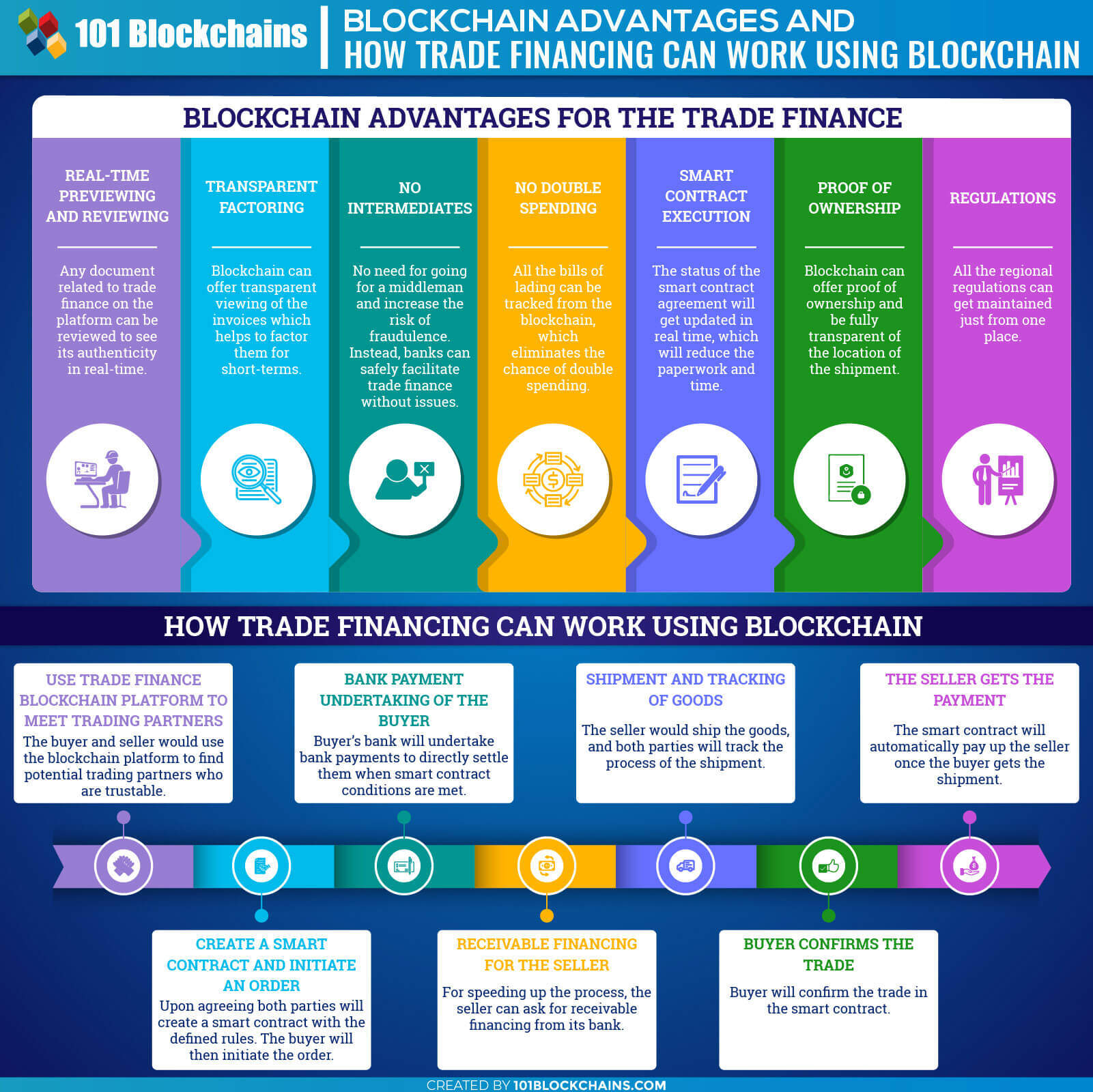

Blockchain trade finance stands at the forefront of a transformative shift in global commerce, promising to revolutionize how capital moves across borders. As traditional trade finance grapples with inefficiencies and a staggering $2.5 trillion financing gap, blockchain technology emerges as a powerful solution. By leveraging trade finance blockchain technology, businesses can enhance transparency and reduce costs associated with paper-based processes. Moreover, the tokenization in trade finance opens up a wealth of global trade finance opportunities, particularly for small and medium-sized enterprises (SMEs) who often face limited access to much-needed capital. This convergence of digital innovation and finance not only streamlines operations but also fosters trust among stakeholders, paving the way for a more inclusive economic landscape.

The intersection of digital innovation and financial services is being redefined by a groundbreaking approach to trade financing through blockchain applications. Known as distributed ledger technology, this advancement addresses the structural inefficiencies prevalent in conventional financing methods that hinder transactional efficacy. By facilitating digital trade solutions, this technology assists in surmounting barriers that SMEs encounter while seeking credit to fuel their growth ambitions. The process of asset tokenization further expands access within the trade finance ecosystem, promoting a more equitable distribution of resources and capital. Thus, as the digital economy evolves, the necessity for modernized trade financing methods becomes increasingly critical, promising both efficiency and broader participation.
| Key Point | Description |
|---|---|
| The Opportunity in Trade Finance | Trade finance presents the largest opportunity for blockchain with a market size of $9.7 trillion and a $2.5 trillion financing gap. |
| Impact on SMEs | Tokenized receivables can increase liquidity for small and medium-sized enterprises (SMEs) that struggle to access credit. |
| Efficiency through Blockchain | Blockchain can streamline trade finance processes, reducing fraud and delays by using digital workflows instead of paper. |
| Legal Advancements | Recent regulatory frameworks, such as the UK’s Electronic Trade Documents Act, support the legality of digital trade instruments. |
| Future of Tokenization | There is potential for trade finance to become the next asset class to undergo significant tokenization, aligning with overall digitization trends. |
Summary
Blockchain trade finance represents a groundbreaking opportunity to enhance the efficiency and accessibility of this crucial financial sector. By addressing systemic challenges such as financing gaps and inefficiencies, blockchain technology can significantly benefit small and medium-sized enterprises while streamlining operations and reducing barriers to entry. As legal clarity and digital infrastructure evolve, the integration of blockchain in trade finance can potentially transform it into a more inclusive and transparent marketplace, enabling a new wave of economic growth.
Understanding Blockchain Trade Finance
Blockchain trade finance represents a paradigm shift in how financial transactions within global trade are conducted. Utilizing distributed ledger technology, blockchain enhances transparency and reduces the time and cost associated with traditional trade financing methods. By allowing multiple stakeholders to access a single source of truth, it mitigates the risks of fraud and error that are prevalent in more conventional practices. This not only increases efficiency but also builds greater trust among various parties involved in international trade, fostering a more resilient and liquid market.
Furthermore, blockchain’s role in trade finance isn’t just about improving existing processes; it also unlocks new financial opportunities. Small and medium-sized enterprises (SMEs), which often face barriers when accessing traditional financing, can greatly benefit from the ease of tokenization in trade finance. When businesses can convert invoices and receivables into digital assets, they have new avenues for obtaining liquidity. Thus, blockchain trade finance not only addresses the financing gap but expands the horizons for SMEs, allowing them to participate more fully in the global economy.
Frequently Asked Questions
What role does blockchain technology play in trade finance?
Blockchain technology plays a crucial role in trade finance by introducing transparency, speed, and security to transactions. It can replace traditional paper-based processes with digital, tamper-proof workflows, effectively reducing fraud and delays associated with document verification. This transformation is essential for modernizing the global trade finance sector, which has operated largely inefficiently for decades.
How does tokenization in trade finance improve access for SMEs?
Tokenization in trade finance improves access for SMEs by transforming trade assets like receivables into digital tokens that can be easily traded and settled. This process allows SMEs to unlock liquidity from their assets and access a broader pool of global investors, thereby bridging the financing gap that currently limits their growth opportunities.
What are the economic implications of addressing the trade finance gap with blockchain?
Addressing the $2.5 trillion trade finance gap using blockchain can lead to substantial economic growth. By enabling SMEs to obtain necessary credit and facilitating smoother cross-border transactions, blockchain can enhance supply chains, increase employment, and boost overall economic inclusion. This can ultimately create more vibrant and sustainable global trade networks.
What are the global trade finance opportunities presented by blockchain?
Global trade finance opportunities presented by blockchain include enhanced security, reduced costs, and increased efficiency in transaction processing. This technology allows for the digitization of trade documents, enabling real-time verification and reducing the reliance on intermediaries, which in turn opens up new markets and financing options for businesses worldwide.
How does the digital trade closing gap affect the future of trade finance?
The digital trade closing gap refers to the disparity between traditional trade finance practices and emerging digital solutions. By adopting blockchain technology, this gap can be bridged, enabling faster, more secure transactions and broader access to trade finance. As regulatory frameworks evolve and digital infrastructure improves, the integration of blockchain can fundamentally transform the trade finance landscape to make it more inclusive and efficient.
What advantages does trade finance blockchain technology provide over traditional systems?
Trade finance blockchain technology provides several advantages over traditional systems, including improved transparency, reduced risk of fraud, and lower operational costs. By automating processes and enhancing collaboration among participants, blockchain eliminates many inefficiencies inherent in current financing methods, making trade finance faster and more reliable.
What is the significance of legal frameworks for blockchain in trade finance?
Legal frameworks such as the UN’s Model Law on Electronic Transferable Records and the UK’s Electronic Trade Documents Act are significant for blockchain in trade finance as they provide legal recognition for digital documents. This legal clarity facilitates the use of tokenization in trade finance, enabling secure and enforceable transactions that are essential for encouraging investment and participation in the digital economy.
How can small manufacturers leverage blockchain trade finance solutions?
Small manufacturers can leverage blockchain trade finance solutions by utilizing tokenized assets to unlock liquidity and access new funding sources. This technology enables them to secure trade credit more easily and participate in global markets, ultimately improving their competitiveness and growth prospects in the international trade arena.
Related: More from DeFi & Stablecoins | Aixovia Burns 90,357,968 AIXDROP Tokens On-Chain Proof | Arthur Hayes Liquidates DeFi Tokens: A $3.48 Million Loss You Should See