
| Key Points | Details |
|---|---|
| Bitcoin Holdings | Strategy now holds 709,715 BTC, valued at around $64 billion. |
| Recent Acquisitions | Acquired 22,305 BTC for approximately $2.13 billion. |
| Financing Strategy | Funded through sales of common stock and preferred securities, including MSTR and STRC. |
| Institutional Investors | Attracting major firms like BlackRock, with ~$470 million invested across multiple preferred categories. |
| Returns on Investments | STRC offers an 11% annual dividend, while other tiers have varied rates of return. |
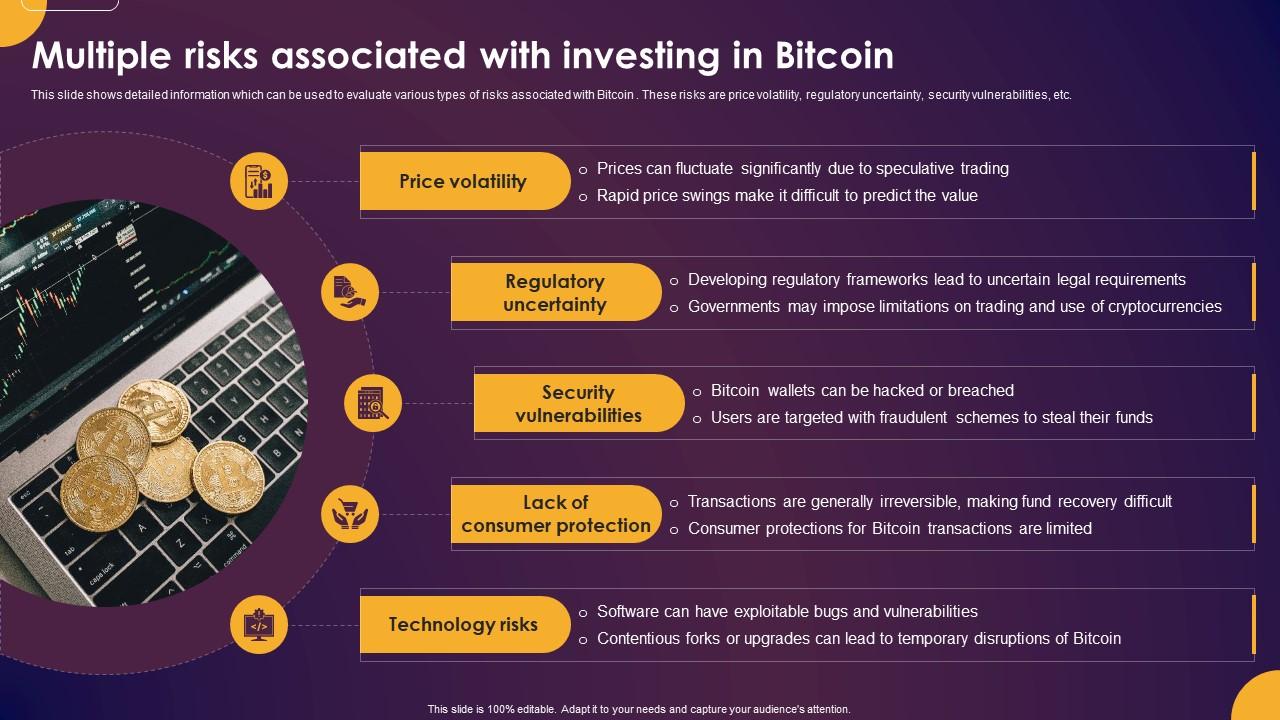
| Risks | Investment model has circular dependencies and risks tied to Bitcoin price fluctuations. |
Summary
Bitcoin funding risks are becoming increasingly prominent as Strategy’s approach raises several concerns. The strategy of using securities sales to finance Bitcoin acquisitions and pay dividends creates a circular dependency that may expose the firm to significant market vulnerabilities. As the market for Bitcoin-backed securities evolves, stakeholders must remain aware of potential pitfalls such as price volatility and financial sustainability.
In the world of cryptocurrency, Bitcoin funding risks have emerged as a pressing concern, particularly in the wake of aggressive strategies like those adopted by companies such as Strategy. Recently surpassing 700,000 BTC, the firm’s unique approach creates a circular dependency that could lead to a high-yield credit disaster. Specifically, its ventures into Bitcoin-backed preferred stock have drawn significant attention, particularly from institutional investors like BlackRock, highlighting both the allure and the peril of such investments. As more players dive into strategies that involve Bitcoin purchases for income-generation, understanding these funding risks becomes critical to navigating the volatile landscape of financial engineering in cryptocurrency. With potential pitfalls lurking beneath the surface, the implications of these funding strategies warrant a closer examination for both seasoned and novice investors alike.
When discussing the financial perils associated with digital currencies, particularly Bitcoin, one must consider the myriad risks tied to funding mechanisms. The phenomenon known as Bitcoin investment risks encapsulates concerns relating to leveraged strategies, such as those deployed by companies that utilize Bitcoin-backed securities to attract capital. As institutions increasingly adopt these financial innovations, understanding the dynamics of these investments becomes vital. This conversation is enriched by recent trends in capital-raising strategies that intertwine with traditional financial instruments, sparking interest from income-seeking investors. Ultimately, exploring the risks associated with these innovative funding methods is essential for anyone engaging in the burgeoning field of cryptocurrency investments.
Understanding the Structure of Bitcoin-Backed Preferred Stocks
Bitcoin-backed preferred stocks have emerged as a novel financial product, allowing investors to engage with Bitcoin markets without direct exposure to cryptocurrency volatility. These stocks offer investors predictable yields while simultaneously creating a mechanism for firms like Strategy to finance their cryptocurrency acquisitions. By leveraging preferred shares, these companies can attract institutional investors who seek steady returns in an otherwise unpredictable market. This kind of financial engineering is essential for institutions that have typically avoided cryptocurrencies due to their inherent risks.
With Bitcoin-backed preferred stocks, firms can appeal to a broader audience, including traditionally risk-averse income tourists. Investors can access high-yield credit offerings through instruments like the Series A Perpetual Stretch Preferred Stock (STRC), which offers monthly dividends. This setup creates a more structured investment vehicle that can be traded on platforms like Nasdaq. Investors may find this model attractive as it combines the allure of Bitcoin investment with traditional fixed-income strategies, allowing them to achieve diversification while navigating the cryptocurrency landscape.
The Risks Inherent in Bitcoin Funding Strategies
Bitcoin funding strategies, particularly those involving funding through stock sales, present notable risks that warrant careful consideration. The model employed by Strategy relies heavily on capital markets to sustain its dividend payouts. Essentially, the company uses the proceeds from selling its preferred stocks to acquire Bitcoin while committing to pay dividends to those holding stocks. This cyclic dependency raises concerns, especially if the market for Bitcoin experiences downturns. A significant decrease in Bitcoin prices could jeopardize Strategy’s ability to fund dividends, leading to potential financial instability.
Additionally, the risks are compounded by the untested nature of these financial products in challenging economic conditions. The lack of historical precedent makes it difficult to predict how these structures will perform during market volatility. For instance, during economic downturns, investor sentiment can shift dramatically, leading to a sell-off of preferred stocks. This scenario could create a liquidity crisis for Strategy, further exacerbating its financial obligations to shareholders. Therefore, while the innovative funding methods may seem promising, they carry a heavy risk burden that investors must consider.
Institutional Investors Makings Waves with Bitcoin Involvement
The involvement of institutional investors in Bitcoin, particularly through products like Strategy’s preferred stocks, marks a significant shift in traditional investment practices. BlackRock’s substantial investment in Strategy’s preferred products reflects a growing acceptance of cryptocurrency within mainstream financial markets. These institutional players provide essential validation for Bitcoin-backed securities, as their backing can reassure nervous investors about the legitimacy and potential profitability of these assets.
Moreover, with funds like the BlackRock iShares Preferred and Income Securities ETF integrating Bitcoin-linked securities, we are witnessing a convergence of conventional finance with the digital asset landscape. This amalgamation not only legitimizes Bitcoin but also broadens its appeal to risk-averse investors. By offering institutional-grade products that yield steady income, companies like Strategy are paving the way for greater adoption of cryptocurrencies among prominent investment firms.
Exploring High-Yield Credit Disaster Risks in Cryptocurrency
The concept of a high-yield credit disaster poses significant risks to entities like Strategy, which rely on risky financial engineering to fund their Bitcoin purchases. The intertwining of capital raising and Bitcoin investment creates a precarious situation where any volatility in the cryptocurrency market can lead to drastic consequences. For instance, a decline in Bitcoin prices could result in a loss of confidence among investors, threatening the very structure of the funding loop. As income tourists flock to these high-yield offerings, they may inadvertently expose themselves to pronounced market risks.
When companies employ aggressive strategies intertwined with high-yield cycles, the potential for disaster looms large. The reliance on continuous capital generation to facilitate dividend payments can create a scenario where investors may face significant losses if the market shifts unfavorably. This risk exacerbates the traditional pitfalls of high-yield investments, making it imperative for investors to conduct thorough due diligence before immersing in the complexities of Bitcoin-related securities. Consequently, addressing high-yield credit disaster risks should be a priority for both investors and companies operating in this space.
The Circular Dependency of Bitcoin and Capital Markets
The circular dependency created by Strategy’s funding mechanism is a core concern when evaluating the sustainability of Bitcoin-backed financial instruments. By relying on the issuance of preferred stocks to fund Bitcoin purchases, companies engage in a concerted loop that can lead to excessive risk exposure. This model raises questions about valuation, liquidity, and financial stability, particularly in a volatile market. An unfavorable dip in Bitcoin value could lead to diminished interest in preferred stocks, creating a vicious cycle of reliance on capital markets.
Moreover, this circular model may deter potential investors who seek straightforward returns on their investments. If the efficacy of this financial approach is challenged due to market fluctuations, it could lead to a steep decline in demand for Bitcoin-backed securities, undermining the very purpose of these financial instruments. Thus, understanding the implications of this circular dependency is critical for ensuring the long-term success and stability of Bitcoin-backed ventures.
Bitcoin: A New Frontier for Financial Engineering
As cryptocurrency continues to evolve, so does the application of financial engineering techniques in the space. By developing sophisticated financial products like Bitcoin-backed preferred stock, companies are redefining investment paradigms. Strategies that intertwine traditional equity with digital assets are creating new opportunities for income generation, attracting a diverse group of investors. This innovative blending of finance necessitates a reevaluation of risk management approaches in the context of Bitcoin trading.
In essence, this financial engineering serves a dual purpose by enhancing institutional adoption of cryptocurrency while providing tools for investors to access yield in a low-interest environment. Further, as these techniques develop and gain traction, they may democratize access to cryptocurrency investments, allowing a wider demographic to partake in Bitcoin’s growth. Adapting traditional financial models to include BTC highlights an important evolution within the finance sector as firms increasingly recognize the need for agility in leveraging emerging technologies for wealth generation.
Assessing the Role of Yield in Bitcoin Investments
In recent years, yield has become a central theme among Bitcoin investors, particularly as individuals and institutions seek alternatives to traditional low-yield investments. The introduction of Bitcoin-backed preferred securities allows investors to benefit from high dividends while maintaining exposure to the potential growth of digital currencies. This concept of yield is increasingly attractive, especially for income-focused investors seeking to diversify their portfolios with cryptocurrency assets.
Additionally, assessing the relationship between yield and Bitcoin price fluctuations is crucial for understanding the dynamics at play. Investors must consider how variations in Bitcoin prices may impact the distributions offered by products like STRC and STRF. The innovative yield structure not only presents an attractive investment proposition but also raises vital questions about market sustainability and the correlation between yield and underlying asset performance.
Institutional Adoption: Paving the Way for Sustainable Growth
Institutional adoption plays a crucial role in legitimizing Bitcoin as an asset class, fostering an environment where innovations like Bitcoin-backed preferred stocks can thrive. As more institutions invest in Bitcoin-related products, they add a layer of scrutiny and responsibility to the cryptocurrency market. This shift encourages firms like Strategy to maintain transparency as they navigate complex market conditions, knowing that their actions are under the watchful eye of experienced investors.
Additionally, the increasing prevalence of institutional involvement creates a feedback loop that augments market stability and growth. As firms engage with Bitcoin and similar cryptocurrencies, they establish frameworks to mitigate risks associated with volatility and speculative behaviors. This trend not only enhances the credibility of digital currencies but also solidifies their place in traditional finance, making Bitcoin-backed financial products more enticing for a wider audience.
Navigating the Landscape of Risk and Reward in Bitcoin
The relationship between risk and reward is fundamental to investing, and it poses an especially intricate challenge in the Bitcoin space. Understanding the dynamics of these elements can help investors make informed decisions when considering Bitcoin-backed securities or other high-yield products. Strategies that employ intricate financing methods, like those undertaken by Strategy, can bolster potential returns but also amplify risks related to market volatility and operational performance.
Therefore, a balanced approach is essential for navigating the opportunities presented by Bitcoin investments. Investors should focus on comprehensive risk assessments, considering not only market trends but also the mechanisms that underpin the financial instruments they participate in. By seeing the complete picture of risk and reward, individuals can better position themselves for success in the evolving cryptocurrency market.
Frequently Asked Questions
What are the main Bitcoin funding risks associated with Strategy’s circular funding model?
The primary Bitcoin funding risks involve a circular dependency on capital markets, where Strategy sells securities to fund Bitcoin acquisitions and pays dividends from these same funds. This model is vulnerable to Bitcoin price fluctuations, lack of traditional insurance against operational losses, and the uncertainty regarding performance in economic downturns.
How does the high-yield credit disaster risk affect Bitcoin-backed preferred stock investments?
Investing in Bitcoin-backed preferred stock, like those offered by Strategy, carries high-yield credit disaster risks due to their reliance on fluctuating Bitcoin values. If Bitcoin prices drop significantly, the ability of Strategy to maintain dividend payments could be compromised, leading to potential losses for investors.
What strategies should investors consider regarding Bitcoin purchases within financial engineering in cryptocurrency?
Investors should adopt a cautious strategy when considering Bitcoin purchases via products linked to financial engineering, like STRC or STRK. It’s essential to assess the inherent risks of dependency on continuously raised capital, understand market volatility, and keep an eye on the overall exposure to Bitcoin’s price movements.
What are the implications of institutional investors participating in Bitcoin funding through preferred stock?
Institutional investors engaging with Bitcoin funding through preferred stock like those from Strategy are likely to influence market dynamics by bringing in significant capital inflows. Their participation can help stabilize Bitcoin prices but also raises concerns regarding the sustainability of yields if Bitcoin experiences large downturns.
How can income tourists approach Bitcoin funding risks in their investment strategy?
Income tourists should approach Bitcoin funding risks with a balanced view, looking for products that offer predictable returns while recognizing the volatility of Bitcoin. Diversification, understanding the specific risks associated with preferred stock, and a careful analysis of Strategy’s funding mechanisms are vital in mitigating these risks.
What should investors know about the compatibility of high-yield strategies and Bitcoin-backed investments?
Investors should be aware that while high-yield strategies can offer attractive returns through Bitcoin-backed investments, they come with unique risks including high volatility, reliance on continuous capital influx, and potential difficulty in sustaining dividends if Bitcoin prices decline.
What are the untested aspects of Bitcoin funding models during economic downturns?
The untested aspects of Bitcoin funding models during economic downturns include the ability of companies like Strategy to maintain dividend payments under financial stress. Additionally, the broader market’s reaction to Bitcoin-backed instruments in a recessionary environment remains uncertain and could reveal weaknesses in this financing strategy.
How does financial engineering in cryptocurrency impact the risk landscape for Bitcoin investments?
Financial engineering in cryptocurrency transforms traditional investment landscapes by introducing innovative products, but it also complicates the risk environment. New structures like Bitcoin-backed preferred securities can blur lines of risk assessment, making it harder for investors to predict outcomes and assess vulnerabilities.
What role do capital markets play in Bitcoin funding risks for institutions?
Capital markets play a pivotal role in Bitcoin funding risks for institutions by providing the necessary liquidity to finance Bitcoin purchases. However, reliance on these markets can create vulnerabilities, as adverse conditions or shifts in sentiment can lead to reduced access to funding and pressure on Bitcoin-backed assets.
Related: More from Bitcoin News | AI, BTC Miners Issue High | Bitcoin Above $69K? Glassnode Weighs In