
| Key Point | Details |
|---|---|
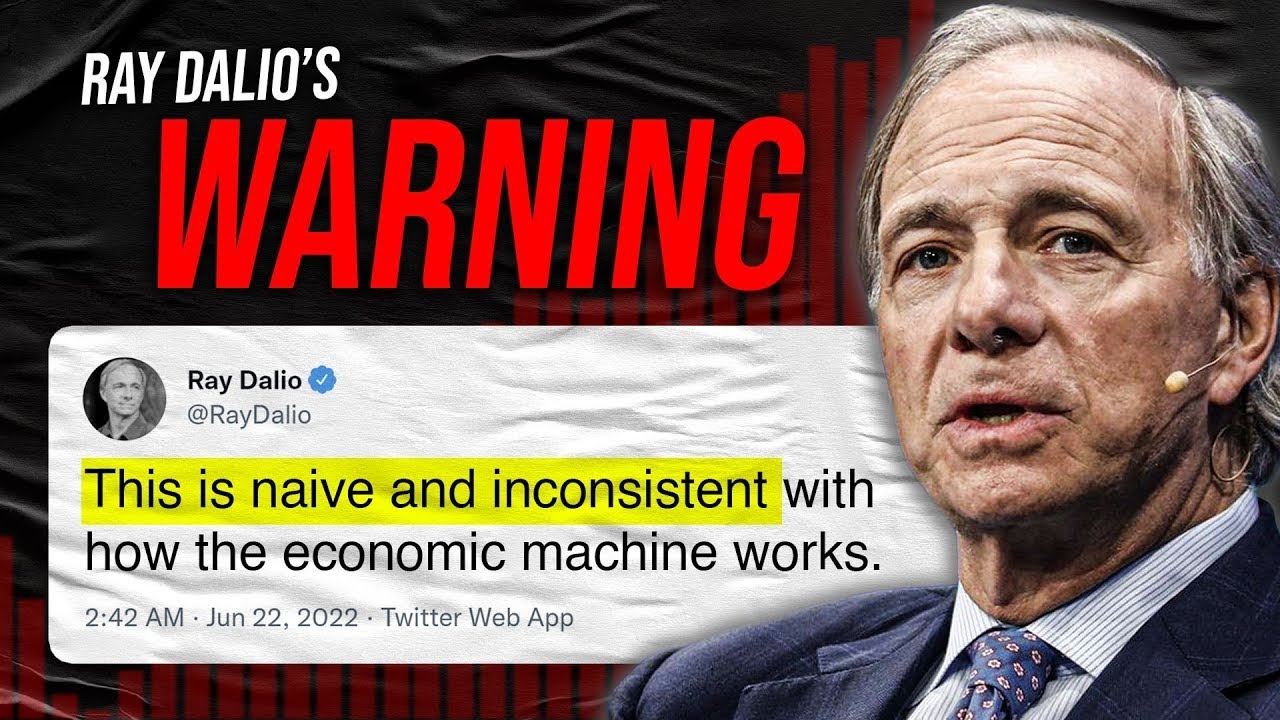
| Ray Dalio’s Warning | Dalio warns of a breaking monetary order and shifts in central bank policies. |
| Concerns over Fiat Currency | There is unease between fiat currency holders and their needs, potentially disrupting future stability. |
| Performance of Gold Market | Dalio notes gold outperformed tech markets in 2023, indicating a shift in asset performance. |
| Trump’s Economic Policies | Dalio suggests Trump’s economic decisions may face challenges in upcoming elections. |
| Focus on Digital Asset Regulation | Debate on how cryptocurrencies can enhance financial systems is a key topic at WEF. |
Summary
Ray Dalio’s economic warning highlights critical concerns regarding the stability of the global economy. As the hedge fund manager pointed out, the current monetary order is experiencing significant shifts, particularly in how central banks are handling fiat currencies. With the added pressures from political figures like President Trump, discussions about economic policies and their long-term impacts are becoming increasingly important. As we move forward, understanding these dynamics will be essential for navigating potential economic challenges.
Billionaire hedge fund manager Ray Dalio recently issued a profound economic warning concerning the global economy, suggesting that the current monetary order is “breaking down.” In a compelling discussion at the World Economic Forum in Davos, Switzerland, Dalio highlighted the concerns surrounding fiat currency management as U.S. President Donald Trump continues to threaten tariffs and implement unpredictable economic policies. He underscored the growing unease among fiat currency holders and users, stating that changes in the approach of central banks toward fiat money could lead to significant implications for the world economy. With rising interest in alternative assets like gold, which he noted outperformed tech markets last year, Dalio’s insights signal a potential shift in investor sentiment and economic stability. As discussions unfold among global leaders, the impacts of Trump’s economic policies on the financial landscape can no longer be overlooked.
In a recent address, prominent investor Ray Dalio raised alarms about the precarious state of the world’s financial system, drawing attention to the intricate management of paper currencies in an era marked by economic unpredictability. During his appearance at an esteemed economic summit in Davos, he elaborated on the implications of current U.S. fiscal strategies and their connection to broader monetary trends. As concerns mount regarding the reliability of traditional currency systems and central bank interventions, the need for a reassessment of our financial foundations becomes increasingly urgent. Moreover, with alternative assets gaining traction, especially amidst geopolitical tensions, Dalio’s warnings echo a growing narrative about the potential volatility ahead for investors. The interplay between national policies and global markets continues to influence the evolution of our economic landscape.
Ray Dalio’s Economic Warning: A Shift in Global Currency Management
Billionaire hedge fund manager Ray Dalio has sent shockwaves through the financial world with his recent warning regarding the global economy at the World Economic Forum in Davos. Dalio emphasized that the current monetary order is ‘breaking down’, signaling a significant transition in how central banks are managing fiat currencies. This warning comes against the backdrop of US President Donald Trump’s unpredictable economic policies, as well as threats of tariffs that could exacerbate economic tensions internationally. Dalio’s insights suggest that a fundamental re-evaluation of fiat currency management is imminent, posing risks not only to currency holders but also to those reliant on these currencies.
Dalio elaborated on the growing unease between fiat currency holders and those who require it, highlighting a crucial challenge for the future. His observations on the gold market’s performance indicate a potential shift in investor sentiment, as many turn to alternative stores of value amidst fears of instability in fiat systems. With central banks appearing increasingly hesitant in their management strategies, the implications for the global economy could be profound. Economic stakeholders, from policymakers to investors, urgently need to assess the impact of changing monetary policies and tariffs that could further destabilize the global financial landscape.
Impact of Trump’s Economic Policies on Global Stability
The economic policies of President Trump have sparked considerable debate among financial analysts and economists, particularly in light of their potential consequences for global economic stability. Trump’s threats of tariffs on European nations and his unpredictable approach to trade negotiations are causing confusion among global markets. Ray Dalio’s recent comments draw attention to how such policies, if not managed carefully, might contribute to a breakdown in established economic norms and the global monetary system that relies heavily on fiat currency.
Trump’s approach to financial regulation, particularly concerning cryptocurrencies and digital assets, adds another layer of complexity to this already tumultuous landscape. As Dalio pointed out, if Democrats regain control of Congress in upcoming elections, there could be significant reversals in policies that currently promote volatility in asset markets. Investors and businesses are advised to remain vigilant, as shifts in legislative power could lead to changes in economic strategies that profoundly affect currencies and central banking operations worldwide.
Navigating the Future of Fiat Currency in a Changing Economy
As Ray Dalio highlights the shifting landscape of fiat currency, the implications for central banks are undeniable. With the current financial environment under scrutiny, many are questioning the long-standing trust in traditional monetary systems. Central banks, once seen as the backbone of economic stability, may need to adopt new strategies to manage currencies effectively. This shift requires an adaptive approach to monetary policy, particularly in light of emerging technologies like cryptocurrencies, which present both competition and opportunities for fiat systems.
The tension between evolving economic practices and established norms has never been more pronounced. Dalio’s assertion that fiat currencies are not being managed as they once were indicates a pressing need for central banks to communicate clearly with the public to maintain confidence in their policies. Moreover, as discussions unfold at the World Economic Forum about modernizing financial systems, stakeholders must consider how adapting to innovations such as tokenization can provide solutions to the challenges posed by the current economic climate.
The Role of Central Banks Amid Economic Uncertainty
Central banks find themselves at a crossroads as they navigate the uncertainty of the global economy, greatly influenced by political factors and international relations. The deteriorating trust in fiat management, as raised by Ray Dalio, suggests that central banks must rethink their operational strategies. The historical reliance on fiat currencies is now challenged by newer financial instruments and digitization, requiring central banks to evolve or risk losing their foundational role in economic stability.
With key figures from the financial industry discussing these pressing topics at the World Economic Forum, the need for reform becomes increasingly apparent. Central banks are under scrutiny not only for their monetary policies but also for their ability to adapt to global shifts instigated by political leaders like Trump. As these discussions progress, it will be crucial for policymakers to develop frameworks that can effectively incorporate new economic realities while preserving the integrity of traditional fiat systems.
The Growing Appeal of Alternative Assets Amidst Economic Turmoil
In light of Ray Dalio’s observations, the global financial community is witnessing a marked shift towards alternative assets, particularly gold and cryptocurrencies. As central banks grapple with the implications of their monetary policies, investors are increasingly looking for safe havens to protect their wealth. Gold, as stated by Dalio, has surged in performance relative to other asset classes, signaling growing confidence in tangible commodities over fiat currencies, which are perceived to be mismanaged amidst economic uncertainty.
The growing interest in cryptocurrencies further underscores a pivotal change in investor behavior. Many see digital assets as a hedge against traditional fiat currency fluctuations, especially given the unpredictable nature of global economic policies. As discussions at the World Economic Forum highlight the role of crypto in modernizing financial systems, the transition towards these alternative assets could potentially redefine the investment landscape, compelling traditional financial institutions to rethink their strategies in order to remain relevant.
Crypto and Financial Modernization at the World Economic Forum
At this year’s World Economic Forum in Davos, discussions surrounding the potential of cryptocurrencies to innovate financial systems are gaining traction. Leaders from the crypto space, such as Coinbase CEO Brian Armstrong, are advocating for the integration of digital assets into traditional finance. Armstrong emphasizes the role of tokenization in democratizing access to capital markets, a movement that could redefine societal approaches to wealth generation and asset management. This forward-thinking perspective aligns with Ray Dalio’s earlier remarks on the need for change in monetary policy to sustain the evolving global economy.
As the dialogue at WEF unfolds, the intersection of digital assets and traditional finance will be crucial. Stakeholders must explore how new technologies can effectively coexist with existing financial frameworks to enhance stability and promote growth. With Ray Dalio’s warning echoing through these conversations, it’s clear that the future of money and currency management will require considerable adaptation and imaginative solutions to thrive in the face of uncertainty.
Navigating Tariffs and Global Economic Relations
The implications of President Trump’s tariff threats extend beyond immediate economic impacts; they represent a significant challenge for international relations and trade dynamics. As highlighted by Ray Dalio, such measures can disrupt the global economy, igniting fears of retaliatory actions that can spiral into larger conflicts. Policymakers and economic leaders at the World Economic Forum are increasingly focused on how to navigate these treacherous waters while maintaining economic growth and stability in an interconnected world.
Furthermore, the uncertainties brought about by tariffs impact confidence in markets, particularly among those holding fiat currencies. As stakeholders evaluate the risks associated with these policies, the need for cohesive approaches to trade and finance becomes essential. Engaging in meaningful dialogues at platforms like WEF can foster collaborative solutions, ensuring that the actions of one nation don’t inadvertently destabilize the broader economic landscape that affects multiple countries.
The Future of Digital Assets: Regulatory Perspectives
With Ray Dalio’s insights on economic policies highlighting potential shifts in the regulatory landscape for digital assets, the upcoming legislative efforts in the US are particularly significant. As stakeholders discuss matters related to digital asset regulation, there is an urgent need for clear frameworks that address the evolving nature of cryptocurrencies while balancing innovation with consumer protection. The discussions among industry leaders at WEF underscore the complexities of regulating an industry that merges traditional finance with cutting-edge technologies.
The current regulatory uncertainty poses challenges for both investors and companies seeking to operate within an increasingly digital-oriented market. As Dalio mentioned the likelihood of policy changes based on election outcomes, the future of digital asset regulations could be subject to rapid shifts that investors must prepare for. Therefore, establishing communication channels and fostering collaboration between regulators and the industry will be crucial for developing a resilient market structure that can withstand both domestic and global economic fluctuations.
Future Outlook for Investors Amidst Economic Shifts
Investors must navigate a rapidly evolving economic landscape, one heavily influenced by the warning signals raised by Ray Dalio regarding traditional fiat currency management. As they pivot towards alternative assets and seek opportunities within the crypto market, it becomes imperative for them to stay informed about global economic policies, particularly those stemming from political changes. The shifts in monetary policy could radically reshape asset valuations and market dynamics, making a proactive investment strategy essential for success.
Moreover, as conversations at the World Economic Forum highlight the future of finance, investors should consider the implications of central bank actions and political decisions on their portfolios. By integrating insights from industry leaders and adapting strategies to address potential regulatory changes, investors can better position themselves to thrive amidst economic uncertainty. Hence, aligning investment strategies with the broader economic dialogue will not only enhance resilience but could also foster greater returns in this complex financial environment.
Frequently Asked Questions
What is Ray Dalio’s warning about the global economy?
Ray Dalio has issued a warning regarding the global economy, stating that the monetary order is ‘breaking down.’ He expressed concerns about how central banks are managing fiat currency, suggesting that both currency holders and those in need of fiat are increasingly uneasy with each other, which could lead to significant issues in the future.
How does Ray Dalio’s view on fiat currency management impact the global economy?
Ray Dalio highlights that the management of fiat currency by central banks is not consistent, which can cause instability in the global economy. He believes this mismanagement contributes to a breakdown in trust between fiat currency holders and those relying on it, signaling a potential economic shift that could affect markets worldwide.
What did Ray Dalio say about the central banks and fiat currency during the World Economic Forum?
At the World Economic Forum, Ray Dalio pointed out that central banks are not managing fiat currencies in the same effective way as before. He indicated that there is a significant change in how these currencies and associated debt are perceived as stores of wealth, leading to potential volatility in the global financial landscape.
How are Trump’s economic policies influencing Ray Dalio’s warnings?
Ray Dalio’s warnings are influenced by Trump’s economic policies, particularly the threats of tariffs that can disrupt the market. Dalio pointed out that these unpredictable policies create uncertainty, making it harder for central banks to effectively manage fiat currency and maintain economic stability.
What concerns does Ray Dalio have regarding future shifts in monetary policy?
Ray Dalio is concerned that the apparent breakdown of the monetary order could lead to fundamental shifts in monetary policy. He signals that the ongoing changes in how central banks manage fiat currencies may create significant economic uncertainties, leading to potential challenges ahead.
What trends did Ray Dalio observe in the gold market compared to tech markets?
Ray Dalio observed that the gold market performed significantly better than tech markets, indicating a shift in investor sentiment. This trend suggests that, during periods of economic instability, gold continues to be seen as a reliable store of wealth compared to volatile tech stocks.
How could future elections affect Trump’s economic approach according to Ray Dalio?
Ray Dalio stated that if Democrats regain control in the upcoming 2026 or 2028 elections, Trump’s economic policies could be significantly weakened or even reversed. This potential shift in governance could influence the management of fiat currencies and reshape the economic landscape.
What role does digital asset regulation play in Ray Dalio’s economic warnings?
Ray Dalio’s economic warnings highlight the importance of digital asset regulation in current economic discourse. He suggests that the regulation surrounding digital assets, particularly in the context of Trump’s policies, will significantly impact the broader management of fiat currencies and may lead to economic instability.
How do Ray Dalio’s views at the World Economic Forum reflect concerns in the financial industry?
Ray Dalio’s views at the World Economic Forum reflect broader concerns in the financial industry regarding the stability of fiat currencies and the potential for economic volatility. His insights resonate with other industry leaders who are advocating for modernizing financial systems in response to these economic challenges.
Related: More from Regulation & Policy | Judge Halts Binance Effort to Arbitrate US Cryptocurrency Claims | Anthropic Completes 0 Billion Funding Round, Valuing Company at 80 Billion