
| Key Areas | Description |
|---|---|
| Transition to Tokenized Cash | ICE’s move away from traditional banks, embracing tokenized cash for NYSE trades. |
| New Trading Platform | Aims to launch a platform for US equities and ETFs using stablecoins and blockchain integration. |
| Advantages of Tokenization | Features include 24/7 trading, instant settlement, and fractional share trading capabilities. |
| Risk Management | Tokenization reshapes risk management; requires continued oversight (netting, defaults, etc.). |
| Liquidity Solutions | Combining stablecoin funding with banking collaboration to solve traditional liquidity bottlenecks. |
| Competition in Market Infrastructure | Legacy exchanges focus on speed of settlement as a competitive advantage. |
| Regulatory Considerations | The US regulatory environment is shifting favorably towards tokenized infrastructures. |
| Future Projections | Tokenized assets projected to experience significant growth by 2030. |
Summary
Tokenized cash is redefining how financial markets operate, as evidenced by ICE’s recent shift towards using stablecoins and blockchain technology for trading on the NYSE. This initiative presents an opportunity to overhaul settlement processes and liquidity management, effectively catering to modern market demands for efficiency and speed. As the financial world transitions into a tokenized era, the full impact of these changes on traditional banking and investment practices remains to be seen, particularly as regulatory frameworks evolve and the appetite for innovation grows.
In the evolving landscape of finance, tokenized cash is gaining traction as a revolutionary force reshaping trading dynamics on platforms like the NYSE. This innovative approach leverages blockchain technology and stablecoin funding to facilitate faster, more efficient transactions, marking a significant departure from traditional banking systems. As the Intercontinental Exchange (ICE) forges ahead with plans for a new trading venue, the integration of ERC20 tokens and digital assets promises to enhance liquidity in finance and market responsiveness. With such seamless trading possibilities, ICE aims to redefine the future of investment, allowing for real-time settlements and fractional share trading. As we delve deeper into the implications of this trend, it becomes clear that the era of tokenized cash is not just a fleeting technological advancement but a cornerstone for building a resilient financial ecosystem that thrives in the digital age.
The concept of tokenized cash can also be characterized as digital currency that utilizes blockchain protocols to streamline transactions and trading processes. This term encompasses various forms of stablecoins and digital assets that provide liquidity and operational efficiencies, akin to the evolving dynamics observed within the financial markets. As institutions look to innovate their funding strategies, terms like programmable cash and crypto-assets have emerged to describe the potential of utilizing these digital instruments in trading environments. By facilitating transactions on platforms that resonate with the traditional NYSE framework, such initiatives point towards a more integrated future where regulatory advancements align with the operational needs of a 24/7 trading landscape. Thus, the introduction of tokenized cash not only represents technological progress but also reflects a broader shift in financial frameworks aiming for enhanced accessibility and efficiency.
Tokenized Cash: The Future of Financial Transactions
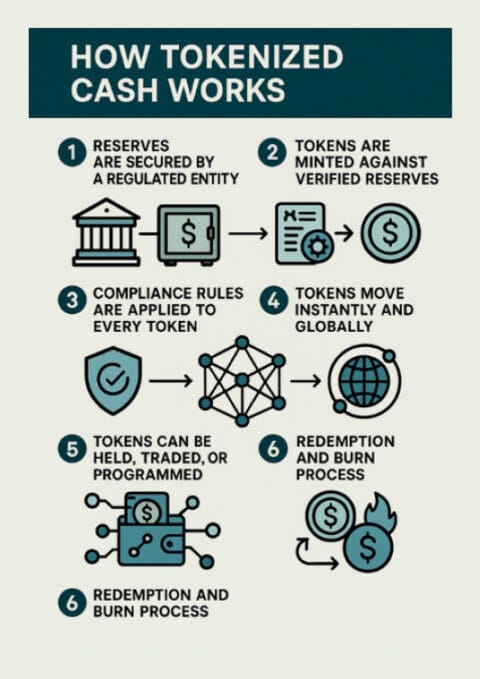
Tokenized cash represents a pioneering approach in financial transactions, providing a bridge between traditional banking systems and blockchain technology. With the Intercontinental Exchange (ICE) moving towards a trading platform that utilizes tokenized cash, we see a significant shift in how financial assets can be traded and settled. This method not only enhances the speed of transactions but also ensures liquidity in finance, enabling real-time trading and immediate settlement. With the increasing acceptance of ERC20 tokens as a standard for tokenized assets, the landscape of finance is evolving into a more responsive and efficient ecosystem.
This transition to tokenized cash is underpinned by the integration of stablecoin funding, which offers a stable reserve for trading in volatile markets. As blockchain technology continues to gain traction, tokenized cash may become integral to resolving liquidity bottlenecks traditionally experienced in financial markets. The potential for 24/7 trading further amplifies the advantages of using tokenized cash, allowing investors to manage their assets on their terms, without the constraints of conventional banking hours. This ever-accessible financial environment marks the dawn of a new era for financial institutions and their clients.
Revolutionizing Liquidity with Blockchain Technology
Liquidity in finance has long been a concern for traders, especially in markets with restricted operating hours. The integration of blockchain technology into trading platforms is set to revolutionize this aspect by introducing liquidity in real-time, thanks to its decentralized nature. The ICE’s proposed trading venue is expected to facilitate instant settlements, thus minimizing counterparty exposure and enhancing overall market efficiency. By harnessing the capabilities of blockchain, traders can expect faster execution times and the possibility of handling high volumes of transactions, a significant step towards achieving true market liquidity.
Moreover, stablecoin funding complements this transformation by providing a reliable cash-equivalent asset for trading. The collaboration between ICE and major financial institutions, such as BNY and Citi, emphasizes the industry’s commitment to improving liquidity management across various time zones. As these institutions begin to adopt and implement tokenized cash solutions, the liquidity bottleneck that has historically constrained trading sessions is likely to dissipate, paving the way for a more fluid and dynamic market activity around the clock.
The Role of Stablecoin Funding in Modern Markets
Stablecoin funding is emerging as a cornerstone of modern trading architectures, especially with the rise of digital assets. By providing liquidity that is stable and accessible regardless of traditional banking hours, stablecoins facilitate smoother transactions in volatile markets. ICE’s initiative to incorporate stablecoin funding within its new trading platform underscores its recognition of the evolving financial landscape. This approach allows traders to manage their exposure to various assets while maintaining liquidity—essentially enabling them to fund trades and settle transactions without the delays commonly associated with conventional financial structures.
Furthermore, the collaboration with banks like BNY and Citi highlights the institutional shift towards adopting digital solutions in routine financial operations. By utilizing stablecoins, these institutions will be able to ensure that funding and margin requirements are met instantly, regardless of global time zones. The strategic implementation of stablecoin funding into trading infrastructures signifies a robust forward-thinking approach that positions modern markets to be more resilient and adaptive, ensuring accessibility and liquidity for traders on a global scale.
Navigating Regulatory Challenges in Tokenization
The regulatory environment plays a critical role in the adoption of tokenization within traditional finance. As ICE embarks on developing a trading platform utilizing tokenized cash, understanding and navigating pertinent regulations will be essential. The approval process with bodies like the Securities and Exchange Commission (SEC) provides a framework for establishing operational standards that ensure the safety and legality of trading tokenized assets. ICE’s recent collaborations with the DTCC for tokenizing cash and facilitating trades signifies proactive steps towards compliance and gaining investor trust in a rapidly changing market landscape.
Moreover, as the regulatory climate continues to evolve, the anticipated approval for tokenization services could enhance the overall infrastructure of financial markets. With the DTCC’s recent advancements towards tokenization and explicit regulatory backing, there is a clear pathway for traditional assets such as ETFs and US Treasuries to transition to digital formats. This evolving legal framework will not only foster a smoother operational environment but also encourage wider market participation, integrating legacy systems with innovative finance mechanisms that underscore the benefits of blockchain technology.
The Hybrid Model: Merging Traditional Finance with Blockchain
ICE’s innovative approach of merging traditional trading methods with blockchain technology exemplifies a hybrid model that seeks to optimize trading efficiency. By incorporating a blockchain-based post-trade system while leveraging the existing NYSE infrastructure, ICE is setting a precedent for how legacy financial institutions can adapt to the digital landscape. This model aims to reduce counterparty risk and expedite the settlement process, which is crucial in today’s fast-paced trading environment. Traders can benefit from quicker transaction speeds and enhanced transparency, making it an attractive option for institutional investors.
As ICE’s hybrid model evolves, it becomes essential to ensure that it remains compliant with existing financial regulations while also leveraging the benefits of decentralized technologies. The integration of features that retain familiar investor rights—such as dividends and governance—is a testament to the balance that must be achieved between innovation and tradition. The successful implementation of such a hybrid system could potentially transform traditional finance, proving that it is possible to enhance the efficiency of established practices without completely abandoning them.
The Impact of Instant Settlement on Market Dynamics
Instant settlement represents a significant shift in market dynamics, especially in the context of increasing trading hours and the demand for liquidity. With the integration of blockchain technology, ICE’s initiative aims to facilitate real-time settlement, thus reducing the counterparty exposure that has plagued traditional financial systems for years. This advancement allows traders to execute trades with much lower risks associated with time delays, fostering a more agile trading environment where decisions can be made quickly and executed immediately.
Additionally, the impact of instant settlement extends beyond just improving transaction efficiency; it fundamentally alters how market participants engage with the trading process. As instant settlement becomes the norm, investors can have a much clearer sense of their cash flow and asset availability, aiding in better liquidity management and strategic trading decisions. This paradigm shift not only enhances the trading experience for investors but also contributes to the overall stability and robustness of financial markets.
Exploring the Benefits of 24/7 Trading Platforms
The concept of 24/7 trading platforms presents numerous advantages in a globalized economy, allowing traders to engage with markets at any time. By eliminating the restrictions imposed by traditional banking hours, investors worldwide can actively buy, sell, and manage their assets whenever the opportunity arises. ICE’s move to launch a 24/7 trading platform utilizing tokenized cash means that liquidity can be maintained more effectively, accommodating various geographical and time zone differences that typically hinder trading efficiency.
Furthermore, 24/7 trading platforms promote inclusiveness, enabling participation from a broader spectrum of investors, including retail and institutional players alike. This democratization of access can lead to increased market participation and, consequently, greater price discovery and volatility management. As financial landscapes continue to evolve with technological integration, the potential benefits of uninterrupted trading extend to improved market depth, responsiveness, and ultimately, overall efficiency.
The Future of Financial Assets: Tokenization and Beyond
Tokenization represents more than just a trend; it is a fundamental transformation in how financial assets are perceived and managed. As indicated by the anticipated growth in tokenized assets, encompassing a wide range of securities, ICE’s efforts in developing a trading platform for tokenized equities will likely redefine market interactions. With a projected soaring demand for tokenized assets, market participants must adapt to this evolution and reconsider conventional asset categorization.
The growth of tokenized assets brings forth immense opportunities for innovation in financial services, introducing new products and investment strategies tied closely to blockchain technology. With traditional barriers diminishing, we can expect to see a substantial shift in investor behavior, as tools become more accessible and allow for broader participation in the financial markets. The future of finance lies in leveraging these advancements, and the journey towards an enhanced, tokenized financial landscape has only just begun.
Frequently Asked Questions
What is tokenized cash and how does it relate to blockchain technology?
Tokenized cash refers to digital representations of cash assets, often utilizing blockchain technology. This method allows for rapid transactions, enhancing liquidity in finance. Tokenized cash can facilitate funding via stablecoins, significantly speeding up settlement times, especially in trading environments like the NYSE.
How will ICE’s trading platform for tokenized US-listed equities use stablecoin funding?
ICE’s new trading platform is designed to integrate stablecoin funding to support 24/7 trading capabilities. This allows for immediate settlements in tokenized capital, reducing reliance on traditional banking systems and streamlining financial transactions, ultimately transforming liquidity in finance.
What are the potential benefits of using ERC20 tokens on the new ICE trading platform?
ERC20 tokens are a subset of tokens based on the Ethereum blockchain and can enhance the ICE trading platform by enabling smart contracts and seamless digital asset management. Their integration supports the functionality of tokenized cash and allows for innovative funding mechanisms in the market.
How does ICE plan to increase liquidity in finance with its new tokenized trading platform?
ICE aims to enhance liquidity in finance by enabling 24/7 trading and utilizing stablecoin funding for instant settlements. By incorporating blockchain technology, they reduce traditional banking constraints, allowing for immediate access to funds and greater trading flexibility.
What risks are associated with the adoption of tokenized cash in trading?
While tokenized cash can streamline trading and increase liquidity, there are inherent risks, such as counterparty risk and regulatory challenges. ICE recognizes these risks and is designing its platform to ensure familiar investor rights and robust risk management measures despite the faster settlement times.
What role does the DTCC play in the regulation of tokenized assets?
The Depository Trust & Clearing Corporation (DTCC) oversees the post-trade process in the US market and is developing tokenization services with regulatory backing. As it progresses towards implementing tokenized assets, the DTCC aims to enhance operational efficiency and support future tokenized cash initiatives associated with ICE.
How could the integration of blockchain technology impact traditional exchanges like the NYSE?
Blockchain technology has the potential to revolutionize traditional exchanges by shifting the focus from execution speed to settlement time, as seen with ICE’s upcoming tokenized platform. This could lead to more efficient trading, improved liquidity, and a competitive edge in the evolving financial landscape.
What is the significance of tokenized deposits for day-to-day trading operations?
Tokenized deposits allow traders to manage their funds outside of traditional banking hours, thus ensuring consistent liquidity and reduced operational pauses. Collaborations with major banks like BNY and Citi are crucial in transitioning these funds onto blockchain systems, aligning with the need for continuous trading operations.
How is the evolving regulatory landscape affecting the development of tokenized cash?
A favorable regulatory environment is crucial for the adoption of tokenized cash, as evidenced by recent movements from the SEC and the DTCC. These developments signal increasing acceptance and approval for tokenization initiatives, which is essential for creating a stable and compliant trading ecosystem for tokenized assets.
What is the future outlook for tokenized assets and their market impact?
The future of tokenized assets appears promising, with projections indicating substantial growth potential. As companies like ICE invest in innovative trading platforms, the market is set to transform, increasing integration with traditional finance and potentially leading to widespread adoption of tokenized cash solutions.
Related: More from DeFi & Stablecoins | Aixovia Burns 90,357,968 AIXDROP Tokens On-Chain Proof | Arthur Hayes Liquidates DeFi Tokens: A $3.48 Million Loss You Should See