
| Date | Fear and Greed Index Value | Market Sentiment Category | Key Indicators |
|---|---|---|---|
| 2026-01-20 | 32 | Fear | Volatility (25%), Market Trading Volume (25%), Social Media Sentiment (15%), Market Surveys (15%), Bitcoin‘s Market Proportion (10%), Google Trends (10%) |
| Previous Week | 61 | Neutral | N/A |
| A Week Ago | 26 | Fear | N/A |
| A Month Ago | 20 | Extreme Fear | N/A |
Summary
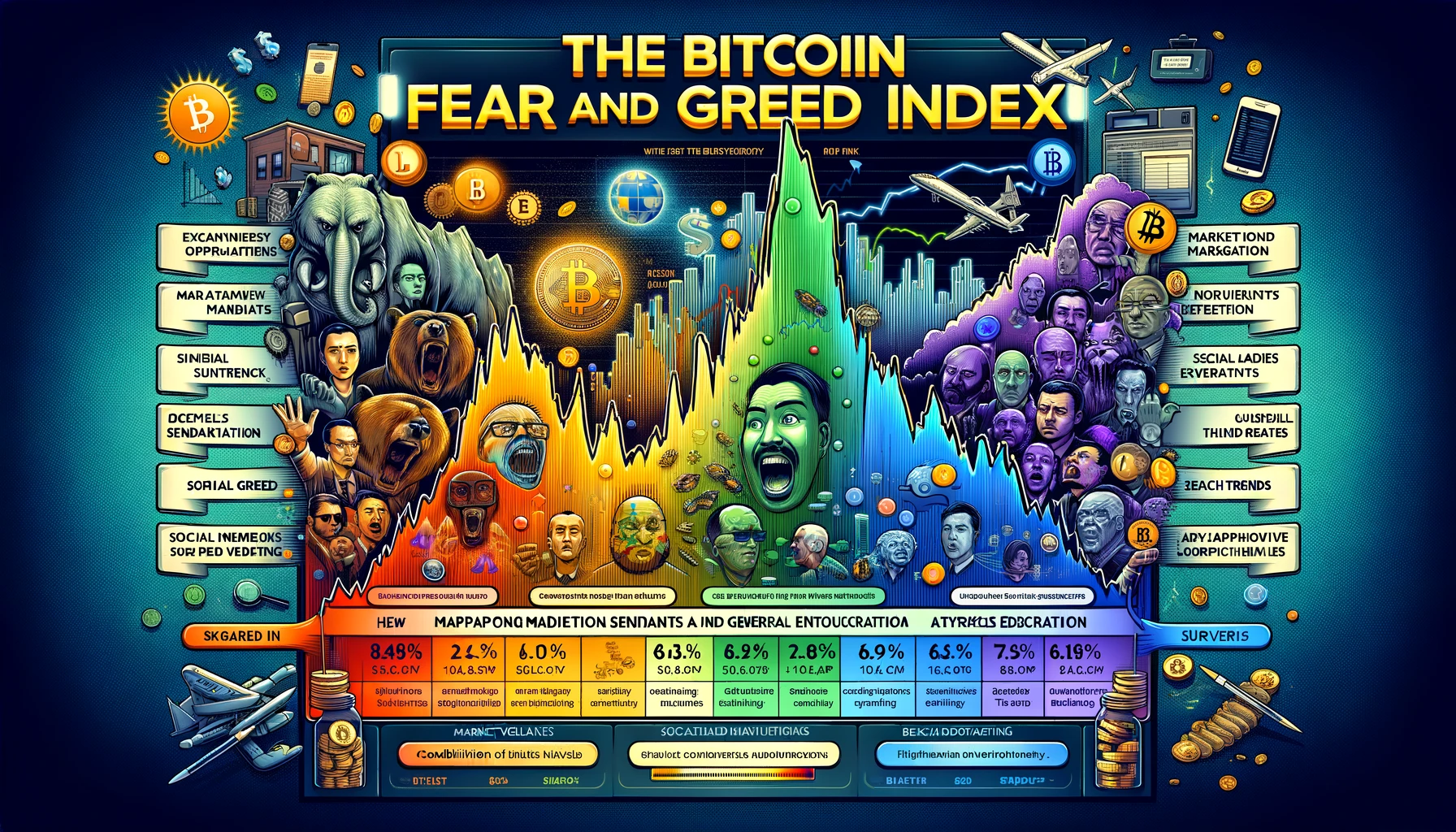
The Cryptocurrency Fear and Greed Index has been experiencing significant fluctuations, recently declining to 32, which keeps it in the fear zone. This index reflects investors’ sentiments in the cryptocurrency market, which is largely influenced by factors such as market volatility, trading volume, social media sentiment, and surveys. Due to this decline from 44 the previous day and 61 the week before, it suggests a growing caution among investors. Historically, the index has shown extreme fear levels, even reaching 20 just a month ago. Such insights from the Cryptocurrency Fear and Greed Index can guide investors in making informed decisions concerning their cryptocurrency investments.
The Cryptocurrency Fear and Greed Index is a crucial indicator for assessing market sentiment within the ever-evolving cryptocurrency landscape. Currently positioned at 32, this index reflects a pronounced sense of “fear” among investors, heightened by recent market volatility cryptocurrency. As traders navigate the unpredictable waves of Bitcoin market trends, understanding the Fear and Greed Index becomes essential for informed crypto trading psychology. In fact, reports indicate that the index has dropped notably from a peak of 61, suggesting a shift in investor confidence. By analyzing these fluctuations, one can better grasp the underlying dynamics of cryptocurrency market sentiment and make more strategic investment decisions.
Evaluating the emotional landscape of cryptocurrency investments often revolves around the concept of fear and greed. The indicator that encapsulates this sentiment, known as the Fear and Greed Index, provides a snapshot of current investor attitudes, reflecting levels of apprehension or enthusiasm. The recent dip in this index to 32 signals a prevailing atmosphere of caution among traders, which can significantly influence market movements. Understanding these psychological factors is vital for anyone participating in crypto trading, as they influence behavior and decision-making processes. With the continuous shifts in market dynamics and investor sentiment, keeping an eye on such indices helps navigate the complexities of cryptocurrency trading.
Understanding the Cryptocurrency Fear and Greed Index
The Cryptocurrency Fear and Greed Index serves as a crucial tool that gauges market sentiment within the volatile landscape of digital assets. By analyzing multiple indicators such as volatility, market trading volume, and social media sentiment, it offers traders and investors a glimpse into the emotional driving forces behind price movements. Currently, the index stands at 32, a significant drop from its previous peak of 61, indicating widespread fear among market participants.
This decline is significant, as it reflects the ongoing struggles within the cryptocurrency market, where prices have been fluctuating drastically. Understanding the insights provided by the Fear and Greed Index allows investors to make more informed decisions. By recognizing patterns in market psychology, traders can better navigate their trades, especially during periods characterized by heightened volatility.
Impact of Market Volatility on Cryptocurrency Trading Psychology
Market volatility plays a profound role in shaping the trading psychology of cryptocurrency investors. As prices fluctuate, traders often experience heightened emotions, swinging between exuberance and panic. The recent drop in the Fear and Greed Index to 32 illustrates how quickly sentiment can shift from greed to fear, resulting in potential panic selling. This emotional response can lead to poor decision-making, contradicting the strategic approaches that seasoned traders advocate.
Furthermore, understanding market volatility can empower traders to develop strategies that utilize emotional shifts to their advantage. For instance, recognizing the signals of fear can lead to buying opportunities, while greed may indicate market topping. Thus, awareness of the Fear and Greed Index is invaluable for navigating the psychological aspects of trading in such a fast-paced environment.
Analyzing Bitcoin Market Trends in Relation to the Fear and Greed Index
Bitcoin, being the leading cryptocurrency, plays a pivotal role in influencing the overall dynamics of the cryptocurrency market. Recent trends show that as Bitcoin’s price begins to decline, the Fear and Greed Index also reflects an increase in fear sentiment. With the index currently at 32, it highlights that traders are feeling the pressure of market downturns, affecting their trading strategies and outlook.
The relationship between Bitcoin’s performance and the Fear and Greed Index provides valuable insights into market trends. When Bitcoin experiences sudden shifts, it can trigger a ripple effect throughout the broader cryptocurrency ecosystem, prompting changes in investor sentiment. By monitoring these movements, traders can develop a more responsive strategy tailored to the prevailing market emotions.
Strategies for Navigating Fear in Cryptocurrency Markets
Navigating fear in cryptocurrency markets can be daunting, especially when the Fear and Greed Index indicates that traders are leaning towards panic. The key is to maintain a clear-headed approach, relying on data and analysis rather than succumbing to emotional decisions. This includes closely monitoring price trends, market news, and the overall sentiment as indicated by the index.
Implementing risk management strategies is essential during times of heightened fear. Setting stop-loss orders or diversifying one’s portfolio can help mitigate losses while still allowing for potential gains. By focusing on these strategies, investors can build resilience against the fluctuations and uncertainties that characterize the cryptocurrency market.
The Role of Social Media in Shaping Cryptocurrency Market Sentiment
Social media has become a powerful influence on cryptocurrency market sentiment, often driving public perceptions and reactions. In the context of the Fear and Greed Index, social media sentiment accounts for 15% of the overall score. When dominant narratives of fear or greed emerge on platforms like Twitter and Reddit, they can sway investor confidence and significantly impact market movements.
Analysts suggest that monitoring social media trends alongside the Fear and Greed Index may provide early signals of shifting market sentiment. As traders share insights and opinions, observing these trends can prove useful for those looking to capitalize on sentiment-driven rallies or corrections. Thus, social media is not merely a noise generator; it can also serve as an important barometer for market sentiment.
Long-term Outlook: Fear and Greed Index and Market Sentiment
The long-term outlook of the cryptocurrency market remains inherently tied to the fluctuations in the Fear and Greed Index. Historical trends indicate that periods of extreme fear often precede substantial market recoveries. With the index currently at 32, many analysts believe this could be a signal for potential buying opportunities as market sentiment may eventually transition back toward greed.
However, it is crucial for investors to balance optimism with caution. While temporary dips may present opportunities, understanding the underlying market conditions is necessary to avoid making impulsive decisions. By continuing to observe trends in the Fear and Greed Index, investors can better position themselves for future market movements.
Market Surveys: Understanding Investor Sentiment and the Fear and Greed Index
Market surveys are an essential component of the Fear and Greed Index, contributing 15% to its overall measurement. These surveys gauge investor sentiment directly, providing insights into how traders feel about the current market conditions. When large segments of the population exhibit fear, it often correlates with a downturn in asset prices, reinforcing the importance of sentiment analysis.
By regularly tracking survey results alongside changes in the Fear and Greed Index, investors can obtain a clearer picture of the prevailing emotions that shape market dynamics. This knowledge assists in anticipating potential market corrections or recoveries, allowing for more strategic decision-making in times of uncertainty.
The Importance of Google Trends Analysis in Cryptocurrency Sentiment
Google Trends serves as a powerful tool for analyzing public interest and sentiment in the cryptocurrency space. With 10% of the Fear and Greed Index attributed to Google Trends analysis, sudden spikes in search queries can indicate shifting investor sentiment. For example, increased searches related to Bitcoin during times of uncertainty may reflect growing panic or a search for information among investors.
Utilizing Google Trends can complement traditional analysis of the Fear and Greed Index. By observing how changes in online search behavior reflect actual market movements, traders can gain an edge in understanding approximately when market sentiment shifts from fear to greed or vice versa.
Frequently Asked Questions
What is the Cryptocurrency Fear and Greed Index and how does it affect market sentiment?
The Cryptocurrency Fear and Greed Index is a tool that gauges market sentiment in the cryptocurrency sector, ranging from extreme fear (0) to extreme greed (100). Currently, with a reading of 32, it indicates ‘fear’ within the market, reflecting recent declines and influencing traders’ psychological perceptions of Bitcoin market trends.
How is the Fear and Greed Index calculated in the cryptocurrency market?
The Fear and Greed Index is calculated using several indicators: Market Volatility (25%), Market Trading Volume (25%), Social Media Sentiment (15%), Market Surveys (15%), Bitcoin’s Proportion in the Overall Market (10%), and Google Trends Analysis (10%). These factors collectively provide insights into the current cryptocurrency market sentiment.
Why is the Fear and Greed Index important for cryptocurrency trading psychology?
The Fear and Greed Index is crucial for cryptocurrency trading psychology as it helps traders understand current market emotions—fear can signal a buying opportunity, while greed often suggests a peak in market volatility. By analyzing the index, traders can make more informed decisions aligned with market trends.
What does a Fear and Greed Index value of 32 signify for Bitcoin and other cryptocurrencies?
A Fear and Greed Index value of 32 signifies a state of ‘fear’ in the cryptocurrency market, indicating that traders may be apprehensive about potential price declines. This level can affect Bitcoin market trends and encourage investors to be cautious, reflecting the general market sentiment.
How has the Fear and Greed Index fluctuated recently in the cryptocurrency market?
Recently, the Fear and Greed Index has shown significant fluctuations; it peaked at 61 last week but has since fallen to 32, indicating a shift from a more optimistic sentiment to fear. This highlights recent volatility within the cryptocurrency market and influences traders’ actions.
What are the historical trends of the Fear and Greed Index in the cryptocurrency market?
Historically, the Fear and Greed Index has demonstrated significant fluctuations. For example, it reached a level of 26 a week ago, indicating fear, and was at 20 a month ago, showing extreme fear. These historical trends provide valuable insights into market sentiment and volatility in cryptocurrency trading.
How can traders use the Fear and Greed Index to navigate cryptocurrency market volatility?
Traders can utilize the Fear and Greed Index to gauge sentiment and navigate cryptocurrency market volatility. By understanding when the index indicates fear or greed, traders can make strategic decisions, such as buying during fear or selling during greed, to optimize their trading psychology.
What factors contribute most to changes in the Fear and Greed Index for cryptocurrencies?
Key factors contributing to changes in the Fear and Greed Index include Market Volatility, Trading Volume, Social Media Sentiment, Market Surveys, Bitcoin dominance, and Google Trends. Each of these elements helps paint a picture of the current cryptocurrency market sentiment.
Related: More from DeFi & Stablecoins | Aixovia Burns 90,357,968 AIXDROP Tokens On-Chain Proof | Arthur Hayes Liquidates DeFi Tokens: A $3.48 Million Loss You Should See