
| Aspect | Details |
|---|---|
| Current Market Behavior | Bitcoin is lagging while metals like gold and copper are rising. |
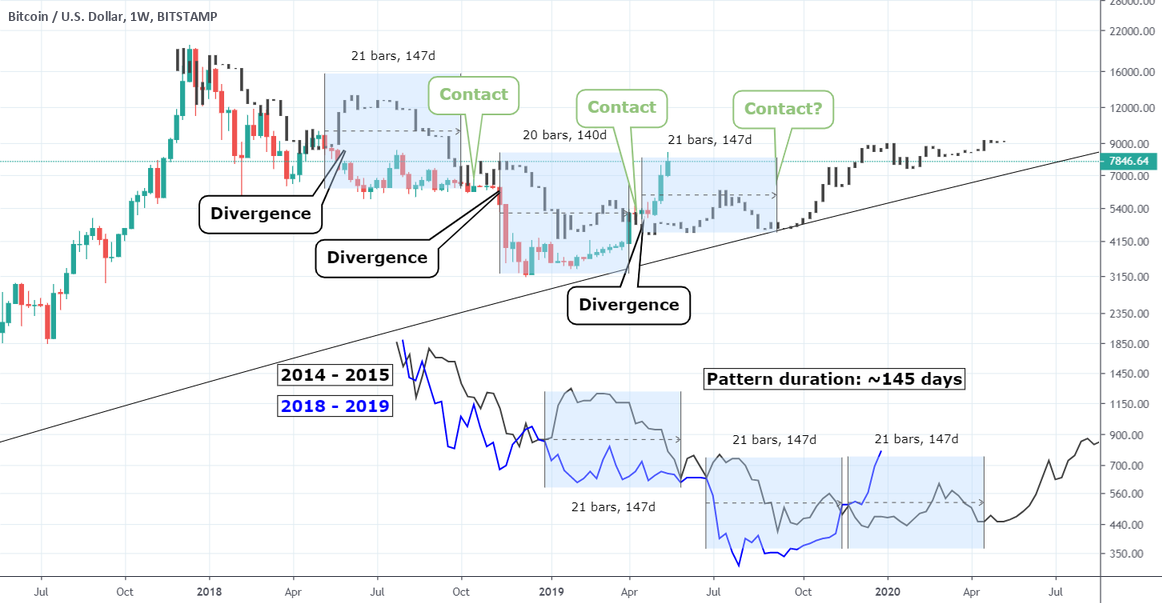
| Historical Trends | This divergence has historically preceded major crypto breakouts since 2019. |
| Metals’ Role | Gold and copper are reacting to expected changes in financial conditions, often leading Bitcoin’s movements. |
| Liquidity Signals | When metals rise, it usually projects expectations for easing financial conditions that Bitcoin adjusts to later. |
| Market Conditions | Current trends suggest a nearing limit of restrictive policies, as indicated by metal price movements. |
| Risks to Current Setup | An increase in real yields or significant inflation could undermine these trends and Bitcoin’s potential rise. |
Summary
Bitcoin market divergence is a critical concept that highlights how Bitcoin is currently underperforming in contrast to rising metal prices such as gold and copper. This rare divergence often signals a potential shift towards a bullish trend for Bitcoin, as history has shown it tends to react after these metals have adjusted to looser financial conditions. Recent movements suggest that the market is on the verge of significant changes; thus, observing the actions of metals could provide insight into Bitcoin’s next move.
In the evolving landscape of finance, Bitcoin market divergence stands out as a crucial phenomenon, especially evident now as Bitcoin lags while precious metals rally. This divergence isn’t just a fleeting moment; it has historically preceded every significant Bitcoin breakout since 2019, indicating that market dynamics are shifting once more. As gold and copper prices climb, they reflect early financial market signals that traditional policy updates still overlook. Investors are observing these patterns as real yields continue to diminish, prompting considerations about future economic conditions. In this context, understanding Bitcoin’s delayed reaction to these trends is key to predicting its forthcoming movements and potential growth.
The current disparity between Bitcoin and traditional commodities indicates a significant market shift, often referred to as a decoupling of cryptocurrency from conventional asset classes. While metals like gold and copper are experiencing upward momentum, Bitcoin remains stagnant, reflecting a lag in its response to changing financial conditions. This situation is not uncommon; historically, Bitcoin tends to react to liquidity signals only after they become undeniable. As economic indicators evolve, including real yields and financial trends, the behavior of Bitcoin may soon align with its metal counterparts, leading to a potential surge in its market trajectory.
Understanding the Divergence: Bitcoin vs. Metals
The recent divergence in market behavior between Bitcoin and precious metals like gold and copper is noteworthy. While these metals have shown significant gains, Bitcoin has remained relatively stagnant, leading many analysts to speculate on the implications of this trend. Historically, divergences like this are not just random occurrences; they tend to precede major movements in the crypto market. Since 2019, every substantial breakout in Bitcoin has been preceded by similar patterns in metal pricing, suggesting that Bitcoin’s movements may be closely tied to the financial conditions implied by metal prices.
Currently, as gold prices rise amidst decreasing real yields and the Federal Reserve’s cautious stance on interest rate cuts, Bitcoin’s lack of reaction demonstrates a critical lag in market sentiment. Investors often see gold as a safe haven, reacting to expectations about monetary policy and inflation, which Bitcoin has historically followed but at a delayed pace. This divergence raises the question: is Bitcoin missing a crucial signal that typically indicates forthcoming bullish trends?
Financial Market Signals and Their Impact on Bitcoin
The dynamics of financial markets often serve as early indicators of broader economic conditions, especially concerning Bitcoin’s performance. Metals like gold and copper are sensitive barometers, responding quickly to liquidity conditions that usually precede policy changes articulated by central banks. As these metals rally, driven by expectations surrounding real yields and credit availability, they create a narrative that Bitcoin has yet to embrace. For cryptocurrency investors, understanding these signals is paramount, as they could indicate an imminent shift that might benefit Bitcoin in the near future.
This latency in Bitcoin’s response to financial market signals has historically resulted in sharp increases in its value, but only after more immediate indicators such as precious metals have already reacted. Observing how these markets influence one another can offer critical insights for investors. For example, if gold remains strong and copper shows signals of increased industrial demand, it could signify that looser financial conditions are imminent, giving Bitcoin a favorable environment for potential growth. Recent trends suggest that as liquidity conditions tighten or shift, Bitcoin will eventually follow, but only after a delay.
The Relationship Between Real Yields and Bitcoin’s Outlook
Real yields have played a pivotal role in shaping the valuation of all asset classes, including Bitcoin. Falling real yields suggest an increasing attractiveness of non-yielding assets, such as Bitcoin, as investors seek to hedge against inflation. Historical analysis shows that Bitcoin’s price trajectory has closely mirrored the movements of real yields, often responding after a noticeable shift occurs in the broader market. This relationship indicates that while Bitcoin’s price might stagnate initially, a decrease in real yields can trigger powerful bullish trends, especially after precious metals have already adjusted to the new economic landscape.
As Treasury yields decline and central banks signal a move towards looser monetary policy, Bitcoin’s potential for price increase becomes more apparent. This was seen in 2020 when Bitcoin surged following a significant drop in real yields, ultimately leading to unprecedented highs. Understanding this correlation helps investors anticipate potential market movements. If current trends in precious metals continue, and real yields remain under pressure, Bitcoin could react strongly, echoing the patterns observed in previous cycles of easing.
Capital Rotation: The Key to Bitcoin’s Delayed Reaction
The capital rotation process within financial markets provides insight into why Bitcoin’s response often lags behind that of metals. Initially, during easing cycles, investors flock to safer assets like gold, resulting in a price increase that signals expectations for more aggressive monetary policies. As optimism grows, industrial metals like copper begin to rise, indicating an anticipated uptick in economic activity. Bitcoin, being a relatively newer and smaller market, tends to attract capital later in this process, once the broader conditions have stabilized and gained investor confidence.
This observed phenomenon is crucial for understanding Bitcoin’s market behavior. For instance, during the last major easing cycle, gold led the charge, setting the stage for Bitcoin’s eventual breakout. As capital rotation occurs, and investors begin to seek higher-risk assets like cryptocurrency, Bitcoin’s price often accelerates sharply. Thus, while its current range-bound state may seem concerning, history suggests that a more definitive signal from metals could trigger Bitcoin’s upward momentum in response to broader market dynamics.
What Lies Ahead for Bitcoin? Speculating on Future Trends
Given the current divergence between Bitcoin and precious metals, many investors are eager to speculate about the future trajectory of the crypto market. Historically, Bitcoin has shown resilience, often breaking out following liquidity adjustments that originate in the metals markets. If gold and copper continue to reflect strong demand in the face of changing economic indicators, Bitcoin’s eventual rally may be imminent. The key is to monitor how these metals reflect ongoing and expected shifts in financial conditions, as they may serve as precursor signals for Bitcoin’s next major move.
It’s essential, however, to remain cautious about potential pitfalls. If real yields were to rise unexpectedly, or if central banks take a more aggressive approach towards tightening, this could derail the momentum that metals are currently building. Therefore, as Bitcoin investors look ahead, they should weigh the implications of both rising metals prices and shifting real yield dynamics closely. A solid understanding of these interconnected factors will help delineate the likely paths Bitcoin could take in the context of the evolving financial landscape.
Evaluating Bitcoin’s Historical Breakouts in Relation to Metals
Looking back at past market cycles reveals a clear pattern in how Bitcoin’s significant breakouts have correlated with movements in the metals markets. Each major Bitcoin rally since 2019 has been preceded by a period where gold and copper were signaling stronger financial conditions. This historical perspective suggests that investors should pay close attention to similar divergences today, as they may indicate an impending shift in investor behavior toward cryptocurrencies.
The ability to evaluate these historical trends allows for better forecasting of potential movements in Bitcoin. In doing so, it becomes evident that a surge in metal prices often precedes a crypto market rally. As current market conditions mirror those of past cycles, this correlation presents a compelling case for Bitcoin’s eventual breakout—an event likely fueled by the optimistic signs being conveyed by gold and copper prices as they respond to broader economic trends.
Navigating Current Market Conditions: Challenges and Opportunities
In navigating today’s market conditions, Bitcoin faces challenges as metals soar while it remains stagnant. The dynamic between these asset classes creates both a challenge and an opportunity for investors. As gold and copper signal potential economic recovery and improved financial conditions, Bitcoin’s delayed response may represent a buying opportunity for those who understand the cyclical nature of these markets. The key is to recognize that while Bitcoin’s current position may seem neutral, it often precedes significant upward movements as liquidity conditions change.
At the same time, investors should remain vigilant about potential headwinds that could impact Bitcoin’s performance. Should real yields rise unexpectedly or if inflation continues to present risks to monetary policy, the implications for Bitcoin could be largely negative. Therefore, it is imperative for investors to stay informed about shifts in both the metals and Treasury markets, as these can provide crucial insights into the broader market trends that ultimately dictate Bitcoin’s future movements.
Investment Strategies for Navigating Bitcoin’s Market Cycle
As investors look to navigate the current market cycle, understanding the interplay between Bitcoin and precious metals is critical for formulating effective strategies. Given the historical precedent that metals often lead the market, one effective strategy may involve monitoring gold and copper prices closely for early signals of liquidity shifts. An upward trend in these metals could serve as a strong indicator for positioning in Bitcoin, allowing investors to capitalize on potential bullish movements.
Additionally, employing a diversified investment strategy that includes both metals and cryptocurrencies may help mitigate risks associated with the inherent volatility of the crypto market. By balancing investments across asset classes that react to similar macroeconomic conditions, investors can create a more resilient portfolio. As Bitcoin’s price trajectory remains closely linked to the signals provided by gold and copper, remaining adaptable and strategically aware will position investors well in this evolving landscape.
The Role of Sentiment in Bitcoin’s Market Behavior
Market sentiment plays a crucial role in Bitcoin’s pricing dynamics, especially in light of its current divergence from precious metals. The psychological aspect of investing often drives momentum in Bitcoin prices. As gold and copper rise based on mounting investor confidence amid anticipated easing policies, Bitcoin’s detachment may affect market sentiment negatively. Investors must gauge whether this divergence is causing uncertainty or if it sets the stage for an eventual bullish trend as liquidity conditions improve.
Understanding sentiment also requires looking beyond mere price movements. It involves assessing broader market trends, news narratives, and investor behavior. If the prevailing sentiment shifts towards a belief in impending monetary easing reflected by the performance of metals, Bitcoin could ultimately benefit as investors grow optimistic about its potential. By keeping a pulse on both market sentiment and the rich historical context of asset behavior in similar circumstances, investors can better navigate Bitcoin’s market volatility.
Frequently Asked Questions
What is Bitcoin market divergence and how does it relate to Bitcoin breakout?
Bitcoin market divergence refers to the scenario where Bitcoin’s price trends diverge from other markets, such as gold and copper. This divergence often signals potential upcoming Bitcoin breakouts, as seen historically when Bitcoin’s price reacts to changing economic conditions after metals demonstrate shifts in liquidity expectations.
How do gold and copper prices influence Bitcoin market divergence?
Gold and copper prices can indicate liquidity conditions that affect Bitcoin market divergence. When gold and copper rise while Bitcoin lags, it suggests that investors are reallocating capital in anticipation of easier financial conditions, setting the stage for a potential Bitcoin breakout once these conditions are firmly established.
What financial market signals indicate Bitcoin market divergence?
Key financial market signals that indicate Bitcoin market divergence include rising gold and copper prices, declining real yields, and shifts in credit availability. These signals suggest an impending market adjustment, often preceding Bitcoin’s significant price movements as liquidity conditions become more supportive.
What role do real yields play in Bitcoin market divergence?
Real yields, particularly on long-dated government debt, influence Bitcoin market divergence by affecting investor preferences. When real yields peak and then decline, investors seek out scarce assets like Bitcoin, often driving its price higher as seen in previous easing cycles, following the initial movements in metals like gold and copper.
Are current crypto market trends signaling a Bitcoin breakout despite market divergence?
Current crypto market trends, as indicated by Bitcoin’s lag against rising gold and copper prices, suggest that while a breakout may not be immediate, historical patterns indicate that Bitcoin often follows suit after metals signal the end of restrictive financial conditions, indicating a potential future breakout.
Related: More from Bitcoin News | AI, BTC Miners Issue High | Bitcoin Above $69K? Glassnode Weighs In