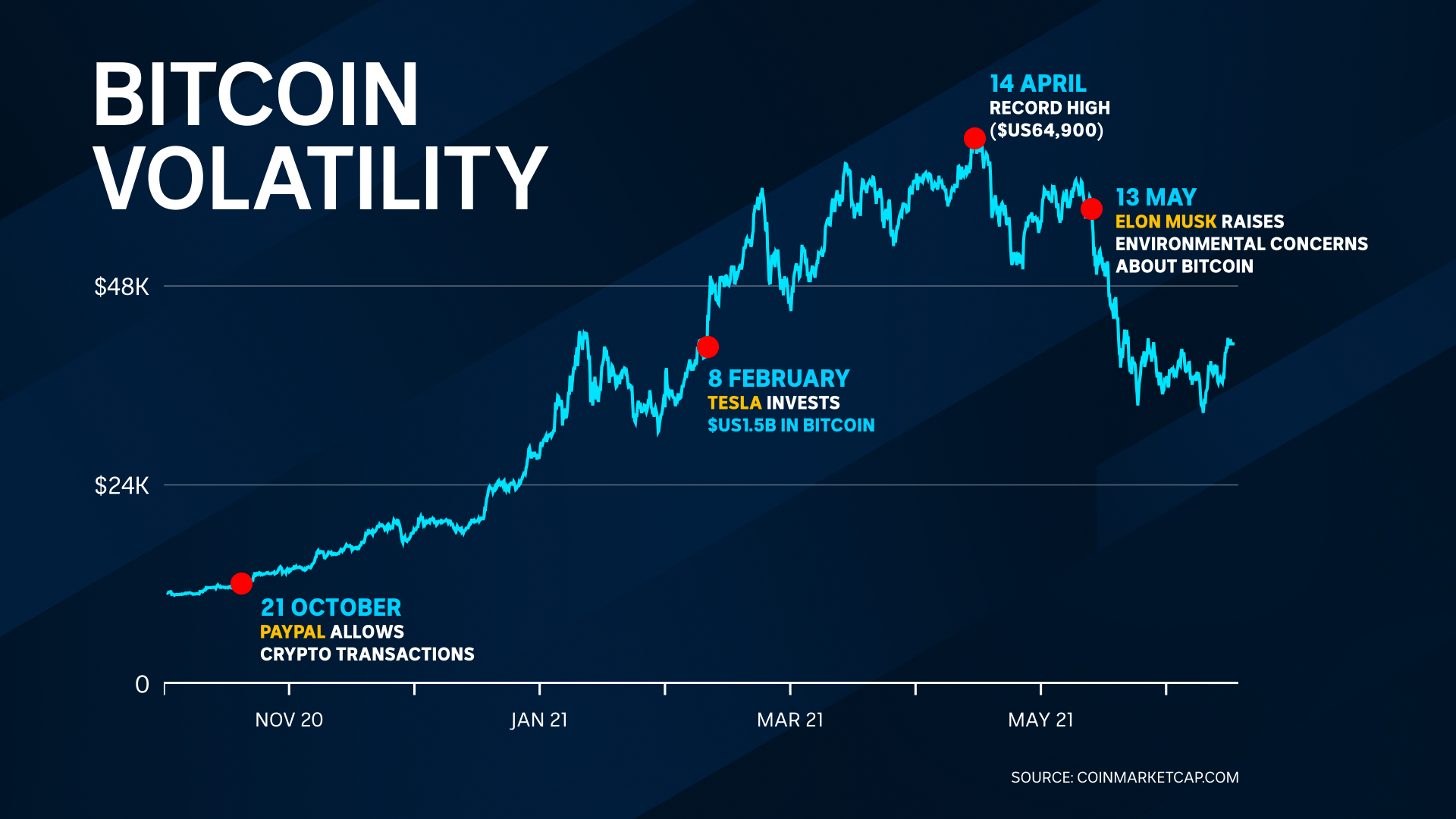

| Key Point | Details |
|---|---|
| Recent Selloff | Bitcoin dropped below $93,000 amidst a broader market selloff triggered by geopolitical tensions. |
| Comparison with Gold | While Bitcoin declined, gold and silver surged to all-time highs due to investor demand for safe havens. |
| Market Reaction | In risk-off scenarios, Bitcoin tends to act as a high-beta asset, which is sold off before traditional assets like gold. |
| Political Factors | Donald Trump’s tariff threats catalyzed the volatility, impacting market perceptions sharply. |
| Market Liquidations | Approximately $790 million in long positions were liquidated following the sudden price drop. |
| Long-term Projections | Despite recent declines, analysts forecast Bitcoin could reach $185,500 by the end of the quarter. |
Summary
Bitcoin price volatility has been highlighted recently due to significant fluctuations triggered by geopolitical tensions. The recent selloff, which saw Bitcoin dip below $93,000 while gold rose, underscores its current role in market dynamics, reflecting how risk assets react during times of uncertainty. Analysts maintain a bullish outlook despite these instabilities, projecting Bitcoin could still reach $185,500 shortly. This volatility serves as a reminder for investors to remain cautious as they navigate the crypto market’s unpredictable landscape.
Bitcoin price volatility has become a focal point of discussion among investors seeking to navigate the unpredictable landscape of cryptocurrency investments. Recent sell-offs have amplified concerns, particularly following significant geopolitical events that have shaken market confidence. Investors witnessed Bitcoin succumbing to dramatic fluctuations, which led to cascading effects in the market, reminiscent of a test for its designation as “digital gold”. With predictions suggesting Bitcoin could reach $185,500 by the quarter’s end, the tension between short-term volatility and long-term prospects remains palpable. In a rapidly evolving digital currency landscape, understanding these price movements is crucial for anyone looking to capitalize on or protect their investments.
The wild swings in Bitcoin’s value have made headlines as traders grapple with its erratic nature. This uncertainty often stems from sudden market shifts, especially when external factors such as political instability come into play. As Bitcoin navigates through its identity crisis—juggling between being a safe haven asset and a speculative tool—investors must remain vigilant. Analysis of recent price trends reveals that despite the current turmoil, many see potential for future growth, indicating that this digital asset is far from obsolete. In light of these dynamics, engaging with the cryptocurrency market requires a nuanced understanding of underlying trends and external influences.
Bitcoin Price Volatility: A Major Concern for Investors
Bitcoin price volatility has emerged as a critical concern for investors, especially following its recent sell-off. The fluctuation in Bitcoin’s price, dropping below $93,000 within minutes, proved to be a significant test for its reputation as ‘digital gold.’ Traditional safe-haven assets like gold surged to new heights during this turmoil, highlighting a period where Bitcoin failed to act as a stable store of value. Such volatility raises alarms about when investors should buy or sell, as the market remains sensitive to geopolitical tensions.
This recent price action underlines Bitcoin’s susceptibility to macroeconomic factors and market sentiment. As geopolitical instability escalates, it can lead to rapid trading decisions, resulting in significant price drops in a matter of hours. For long-term Bitcoin holders, this volatility can create anxiety, despite optimistic forecasts suggesting a potential rise to $185,500 in the coming months. Understanding how global events impact Bitcoin’s volatility is crucial for investors aiming to navigate this unpredictable landscape.
The Geopolitical Influence on Bitcoin and Major Assets
Geopolitical instability directly affects the behavior of financial markets, and Bitcoin is no exception. Recent developments, such as President Trump’s threats to impose tariffs on European allies, have prompted investors to reassess their positions. During this period of uncertainty, traditional assets like gold have rallied, benefiting from their long-standing reputation as a safe haven, while Bitcoin’s inability to gain similar traction raises questions about its stability during market downturns.
As tensions rise on the global stage, the flow of capital tends to shift towards more secure investments, often leaving cryptocurrencies like Bitcoin more vulnerable. Analysts suggest that as the U.S. and EU navigate their trade-related disputes, Bitcoin could face additional pressure, making it essential for investors to remain vigilant and informed about possible ramifications on its price trends.
Understanding the Bitcoin Sell-Off: Factors at Play
The recent Bitcoin sell-off can be attributed to a combination of factors, including macroeconomic pressures and market sentiment. When the initial news of impending tariffs broke, it triggered a wave of selling among leveraged traders, leading to liquidations worth hundreds of millions of dollars. This sudden move reflects the high-risk nature of engaging in leveraged positions within the cryptocurrency space, which can amplify losses in periods of heightened volatility.
Additionally, the market’s response reveals how Bitcoin, often touted as ‘digital gold,’ struggles to maintain its status amidst such drastic price movements. Although some analysts highlight its potential as a long-term investment, short-term performance remains erratic and prone to external shocks. Understanding these dynamics is vital for investors looking to gauge the timing of their entry or exit from the Bitcoin market.
Bitcoin’s Long-Term Forecast Amidst Market Turbulence
Despite the immediate setbacks and price volatility, Bitcoin’s long-term forecast remains optimistic. Analysts predict that it could reach as high as $185,500 before the end of the quarter, reinforcing the notion that, fundamentally, Bitcoin retains its appeal as a digital asset. Such forecasts are often built upon the growing institutional adoption and increasing mainstream acceptance, factors that could drive the price higher despite short-term fluctuations.
However, it is crucial to distinguish between short-term trading strategies and long-term investing strategies in the cryptocurrency market. As Bitcoin navigates a tumultuous landscape characterized by geopolitical uncertainties and market corrections, long-term investors may want to focus on broader trends that could influence its ascent. Holding positions through turbulent periods can often yield significant rewards, particularly in a market known for its dramatic price shifts.
Ripple Effects of the Crypto Market Downturn
The recent downturn in the crypto market serves as a reminder of the interconnectedness of digital assets. Bitcoin’s price performance often sets the tone for other cryptocurrencies, and its sell-off can trigger a domino effect leading to widespread declines across the market. Traders on platforms such as CoinGlass recorded staggering liquidations, indicating a loss of confidence among investors in riskier assets as uncertainty looms over the economic landscape.
Moreover, as Bitcoin struggles, alternative cryptocurrencies may also bear the brunt of the market’s turbulence. Investors might find themselves in a challenging position, needing to evaluate the viability of their holdings in light of Bitcoin’s instability. Educating oneself about the market environment and employing careful risk management strategies becomes paramount to ride out these downturns, particularly for those invested in the more volatile segments of the cryptocurrency space.
Evaluating Bitcoin’s Position as ‘Digital Gold’
The notion of Bitcoin as ‘digital gold’ is increasingly being scrutinized, especially following its inability to respond positively during times of geopolitical stress. While both assets serve as alternative stores of value, historical performance reveals distinct behaviors in crisis situations. Gold traditionally serves as a hedge against systemic risks, whereas Bitcoin has struggled to maintain stability against such background noise.
Assessing whether Bitcoin deserves the ‘digital gold’ title requires a nuanced understanding of market behavior during socio-economic unrest. As more investors compare Bitcoin to gold, its role may need to evolve for it to genuinely live up to such expectations. Future price trends and its reaction to global events will play a pivotal role in determining if Bitcoin can justify its claim as a stable digital asset.
Navigating Future Uncertainties in the Bitcoin Market
With the ongoing developments surrounding tariffs and geopolitical tensions, navigating uncertainties in the Bitcoin market is imperative for investors. The potential for ongoing volatility necessitates a thorough analysis of market signals and trends. Some analysts propose that Bitcoin could stabilize between $84,000 and $98,000, yet such predictions are fraught with complexity given the lack of predictable price formation in periods of chaos.
Therefore, maintaining an adaptive investment strategy is essential. Investors should closely track not only Bitcoin’s movements but also the broader economic indicators that may influence sentiment and market reactions. As historical patterns indicate, the nature of volatility in cryptocurrencies can present both risks and opportunities—remaining informed will be key to seizing potential gains or mitigating losses.
The Impact of On-Chain Data on Bitcoin’s Performance
On-chain data provides invaluable insights into Bitcoin’s performance and market structure. Despite the recent downturn, it appears that Bitcoin has not broken its overall market structure, which is evidenced by metrics indicating a clustering around its fair value. These trends support the notion that Bitcoin’s underlying fundamentals remain intact, even amidst price fluctuations driven by external factors.
Monitoring on-chain metrics can empower investors to make informed decisions during volatile periods. As trends around Bitcoin’s transaction volume and market sentiment evolve, they can offer clues about potential recoveries or continued downturns. Thus, incorporating on-chain analysis into investment strategies not only enhances understanding of price dynamics but can also help manage risks inherent in the cryptocurrency market.
Strategies for Managing Bitcoin Investments During Volatile Times
In light of Bitcoin’s recent volatility, implementing effective investment strategies is crucial for both new and experienced investors. One approach is through dollar-cost averaging, which entails gradually purchasing Bitcoin over time regardless of its price fluctuations. This strategy allows investors to mitigate the risks associated with buying into a volatile market all at once and provides a smoother entry point over a period of time.
Additionally, setting clear risk management parameters such as stop-loss orders can protect investments from severe downturns. By establishing price points at which to exit a position, investors can shield themselves from greater losses during drastic sell-offs. Ultimately, the key to successful Bitcoin investment during turbulent times lies in having a well-defined strategy and remaining adaptable to changing market conditions.
Frequently Asked Questions
What causes Bitcoin price volatility during geopolitical instability?
Bitcoin price volatility often spikes during periods of geopolitical instability, as seen in recent sell-offs influenced by political tensions like tariffs and trade disputes. During such events, investors tend to flee to safer assets such as gold, leading to a sharp decline in Bitcoin’s price as risk appetites decrease.
How do Bitcoin sell-offs impact market confidence in digital gold?
Bitcoin sell-offs can severely impact market confidence in its narrative as ‘digital gold.’ When Bitcoin experiences significant price drops amid market turmoil, like recent geopolitical disturbances, it raises concerns over its reliability as a store of value compared to traditional assets, often leading to heightened market volatility.
What does a Bitcoin long-term forecast suggest about recovery from price downturns?
Despite short-term price downturns, many analysts maintain a bullish Bitcoin long-term forecast, predicting potential prices such as $185,500 within the upcoming quarter. This optimism suggests that while Bitcoin may face volatility due to sell-offs, its overall trajectory remains positive in the long run.
How do crypto market downturns correlate with Bitcoin price movements?
Crypto market downturns often lead to heightened Bitcoin price volatility, as the entire digital asset market reacts to broader economic cues. When major sell-offs occur, it typically signals a risk-off environment, prompting investors to liquidate positions, which can further amplify Bitcoin’s price fluctuations.
Can Bitcoin withstand future economic shocks given its recent price volatility?
While Bitcoin has demonstrated significant price volatility in response to economic shocks, such as recent geopolitical tensions, analysts suggest it may still emerge resilient over the long term. The evolving market structure and bullish long-term projections indicate that Bitcoin is capable of weathering short-term storms despite its inherent volatility.
Related: More from Bitcoin News | AI, BTC Miners Issue High | Bitcoin Above $69K? Glassnode Weighs In