
| Key Point | Details |
|---|---|
| Governance Vote Approval | The proposal to slash INJ token supply was approved with 99.89% support from the community. |
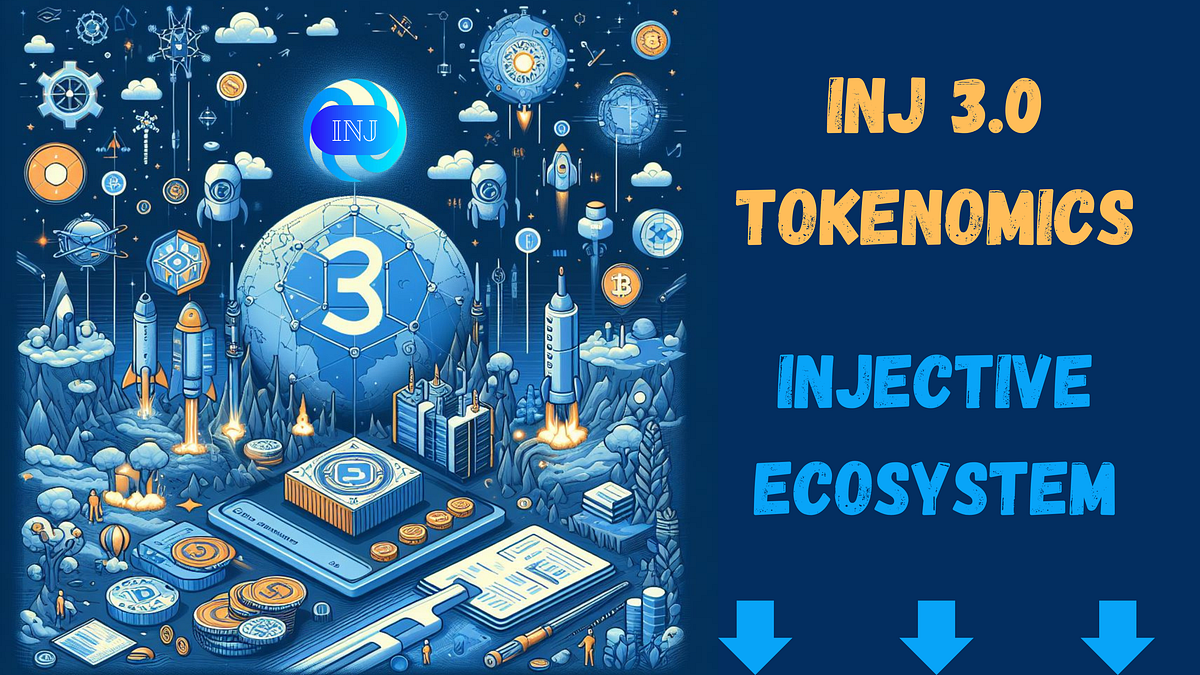
| Supply Squeeze Proposal (IIP-617) | The proposal reduces INJ issuance and maintains the buyback-and-burn program to remove tokens from circulation. |
| Token Removal Impact | Approximately 6.85 million INJ tokens have been removed from circulation through token burns. |
| Market Price Status | INJ has seen a decline of nearly 80% over the past year, and is down over 90% from its all-time high reached in March 2024. |
| Community Reaction | Reactions on social media were largely optimistic, viewing the governance changes as a structural improvement. |
| Validator Network Expansion | Injective continues to grow its validator network, including collaborators like Deutsche Telekom and Korea University. |
Summary
The recent decisions regarding INJ token supply reveal a significant shift in Injective’s approach to its tokenomics. The approved governance vote has paved the way for a more deflationary model, aiming to enhance the economic viability of the INJ token. By reducing issuance and maintaining a robust buyback-and-burn strategy, Injective is taking proactive steps to strengthen INJ’s value over time. Such strategic maneuvers could position INJ as a key player in the decentralized finance space, making the INJ token supply an integral part of its long-term growth strategy.
The recent governance vote resulting in the slashing of the INJ token supply marks a pivotal moment for the Injective protocol, a significant player in the decentralized finance (DeFi) landscape. With an overwhelming 99.89% of the community approving the proposal, this move aims to enhance the sustainability of INJ through strategic updates to its tokenomics. The initiative not only focuses on reducing token issuance but also emphasizes the importance of the ongoing token burn program, ensuring that excess tokens are removed from circulation effectively. As crypto market trends evolve, this governance change is expected to position INJ as one of the more deflationary assets, benefiting long-term holders and fostering greater confidence in its utility. This proactive approach showcases Injective’s commitment to adapting its strategies to meet the demands of the DeFi ecosystem, distinctly setting it apart in the competitive crypto space.
In the latest developments surrounding INJ, the community has rallied behind a significant governance decision to restrict the available token supply. This strategic adjustment comes amidst ongoing fluctuations in the broader crypto market, emphasizing the importance of market sentiment and community engagement in governance votes. By prioritizing a tokenomics review, Injective is not only stabilizing its native digital currency but also ensuring the longevity of its DeFi offerings. The newly implemented token burn methodology serves a dual purpose: it mitigates inflation while reinforcing the token’s value proposition within the ecosystem. As stakeholders and analysts keep a close eye on these shifts, the implications for Injective’s future in decentralized finance are increasingly promising.
Understanding the INJ Token Supply and Its Importance
The INJ token supply plays a critical role in the overall tokenomics of the Injective Protocol. By reducing the total token supply through strategic management like the recently approved Supply Squeeze proposal, the community aims to enhance the scarcity and value of INJ. This modification in issuance is part of broader governance measures that prioritize long-term growth and sustainability within the decentralized finance ecosystem. With a focus on ensuring that supply aligns with network demand, Injective positions itself favorably amidst volatile crypto market trends.
Moreover, managing the INJ token supply not only encourages holders to stake their tokens for governance decisions but also fosters a robust community engagement. As more tokens are removed from circulation through a well-structured buyback-and-burn program, the potential for increasing value over time becomes apparent. This approach aligns with the core principles of decentralized finance, where each governance vote directly impacts the token’s economic model, thus reinforcing user involvement and investment in the network’s future.
The Impact of Governance Votes on INJ Tokenomics
Governance votes are pivotal in shaping the development trajectory of any blockchain project, especially in a decentralized finance platform like Injective. The recent decision to slash the INJ token supply reflects a community-driven approach to enhance tokenomics. With an overwhelming 99.89% approval from staked voting power, this decisive vote underscores the trust and commitment the community places in the ongoing governance process. Such initiatives ensure that stakeholders can collectively identify and implement changes that benefit the entire ecosystem.
Analyzing the implications of this governance vote reveals a forward-thinking strategy aimed at countering the recent downturn in INJ’s market performance. By updating its tokenomics to decrease production and bolster buybacks, Injective not only aims to stabilize its economy but also targets an essential deflationary model for the INJ token. This strategic shift can lead to increased investor confidence as the community actively participates in governance, influencing the trajectory of the project amidst evolving crypto market trends.
Exploring Decentralized Finance Through Injective’s Innovations
Injective has positioned itself at the forefront of innovation within the decentralized finance (DeFi) space by leveraging its unique protocol capabilities. Unlike traditional financial systems, Injective allows for a more inclusive and democratic governance structure where token holders can influence crucial decisions. This open governance via community votes is essential for refining the ecosystem, especially in adjusting token supply and enhancing scalability through initiatives like the supply slash.
Additionally, the advancements in Injective’s validator network and community engagement illustrate its commitment to fostering a thriving DeFi platform. With significant institutional partnerships and academia being involved, such as Deutsche Telekom’s subsidiary becoming a validator and Korea University’s participation, the network is not only expanding its reach but also diversifying its contributions to blockchain research and development. These innovations in DeFi are helping to establish Injective as a leader while attracting a growing user base.
The Role of the Token Burn Program in INJ’s Future
The token burn program is a crucial element of Injective’s strategy to manage INJ’s supply effectively. By permanently removing tokens from circulation, the burn program enhances scarcity, supporting a sustainable increase in the token’s value. This calculated approach to tokenomics ensures that supply and demand dynamics are carefully balanced, enabling the network to respond adeptly to market fluctuations. As the community closely monitors these processes, the effectiveness of the burn program will play a vital role in determining INJ’s long-term appeal.
In light of the recent governance vote that emphasizes the buyback-and-burn framework, it’s evident that community trust in the token burn program can serve as a catalyst for investor confidence. As the Injective Protocol continues to generate revenue and engage in strategic token burns, users can expect a potentially deflationary trajectory for INJ. This strategy not only incentivizes stakeholders to hold on to their tokens but also positions Injective competitively in the vast landscape of decentralized finance.
Community Reactions to the INJ Token Supply Changes
Community sentiment surrounding the recent governance proposal has been overwhelmingly positive, indicating a strong belief in the revised tokenomics of INJ. Users expressed optimism regarding the decision to cut the token supply significantly, viewing it as a proactive measure to instill long-term value rather than just a reaction to short-term market challenges. This alignment with community interests demonstrates a unified approach to governance that prioritizes sustainability and growth in the Injective ecosystem.
Social media platforms have become a hotspot for discussions related to the governance vote, with many community members discussing the implications of these changes on market sentiment. The positive reactions indicate a collective perception that reducing the INJ supply will create a more stable environment for investors in the face of ongoing volatility in altcoins. As more community members engage in these discussions, it helps to build a solid foundation for future developments and reinforces the shared vision of Injective.
Analyzing Market Trends Affecting INJ’s Performance
The recent decline in INJ’s price, down around 90% from its all-time high, highlights the challenges facing many altcoins in the current market landscape. Market fluctuations often subject tokens like INJ to intense scrutiny, particularly as investors seek assets with solid growth potential. As such, the updated governance measures and tokenomics overhaul not only aim to address immediate issues but also seek to align with broader market trends that could favor INJ in the long run.
Market trends suggest that platforms with strong community governance and sustainable token models may outperform their peers in the future. As more investors recognize the value of decentralized governance, the successful passage of Injective’s proposal could buoy market confidence in INJ. By positioning itself as a leader in tokenomics innovation and community engagement, Injective could attract renewed interest from both retail and institutional investors, thus improving its standing in the competitive crypto market.
The Future of DeFi with Injective’s Governance Structure
Injective’s governance structure lays a solid foundation for its future in the decentralized finance landscape. By allowing token holders to participate in key decision-making processes, the protocol aligns its growth with the interests of its community. The recent governance vote to modify INJ’s supply rules exemplifies this democratic approach, where every stakeholder has a voice in shaping the ecosystem’s path. This model fosters loyalty and investment as community members see their input reflected in the evolution of the project.
As Injective continues to innovate within the DeFi sector, the benefits of participatory governance will likely attract more users eager to engage with the platform. With each proposal that passes, the community not only reinforces its commitment to the tokenomics but also positions itself as a pioneer in the governance realm of blockchain technology. This proactive engagement demonstrates how decentralized finance can thrive through collaborative decision-making.
Triggering Growth with Tokenomics Overhaul
Injective’s governance proposal to overhaul its tokenomics serves as a strategic move to incentivize growth amid market challenges. The community-backed decision to reduce the total INJ token supply represents a clear commitment to ensuring the value of the ecosystem remains robust despite wider market volatility. By actively managing token supply through a combination of issuance reduction and the buyback-and-burn program, Injective is on a path to becoming one of the most deflationary assets in cryptocurrency.
This strategic tokenomics overhaul is essential in fostering investor confidence, especially after the price drop experienced by INJ. Encouraging long-term holding through deflationary practices positions Injective favorably as it attempts to recover and grow within a highly competitive and dynamic market. Through transparent governance and strategic financial maneuvers, Injective aims to reshape its identity and potential to stand out in the decentralized finance space.
Innovations in Tokenomics: The Injective Approach
Injective’s approach to tokenomics through innovative governance and strategic measures is a game-changer in the DeFi landscape. The emphasis on community engagement and transparent voting mechanisms empowers token holders, allowing them to directly influence the platform’s future. This alignment of interests among stakeholders is critical for creating a decentralized ecosystem that thrives on collective input and responsibility, enhancing the overall health of the Injective protocol.
By embracing innovation, Injective not only responds to market demands but also proactively shapes its destiny within the competitive crypto sphere. The recent governance changes highlight its readiness to adapt and evolve, focusing on creating a model that sustains value through community-led decisions. This forward-thinking approach is essential for fostering commitment and supporting the long-term success of INJ and its users.
Frequently Asked Questions
What is the impact of the recent governance vote on INJ token supply?
The recent governance vote, which received 99.89% approval, significantly impacts the INJ token supply by adjusting issuance rates and enhancing the token burn program. This update aims to reduce the number of INJ tokens in circulation, making INJ more deflationary over time.
How does the Injective governance vote affect INJ tokenomics?
The Injective governance vote has led to a major overhaul in INJ tokenomics by proposing a reduction in token issuance and maintaining an active buyback-and-burn strategy. This allows for a more efficient removal of INJ from the market, improving scarcity and potentially increasing its value.
What is the purpose of the buyback-and-burn program for INJ tokens?
The buyback-and-burn program for INJ tokens is designed to permanently remove tokens from circulation using revenue generated by the protocol. This program, combined with the reduced issuance from the recent governance vote, aims to accelerate the deflationary qualities of INJ.
How do market trends influence the INJ token supply?
Market trends have shown that fluctuating prices, such as the recent 80% decline in INJ’s market value, can stir community responses towards governance votes that adjust INJ token supply. Governance changes aimed at reducing supply can be seen as strategic moves to stabilize the token’s value amid adverse market conditions.
What does a deflationary INJ token mean for investors?
A deflationary INJ token means that over time, as more tokens are removed from supply through the governance-approved measures, each remaining token may appreciate in value. This deflationary aspect, supported by the buyback-and-burn program, could make INJ a more attractive option for investors in the decentralized finance space.
What changes were made to the issuance parameters of the INJ token?
The issuance parameters of the INJ token have been altered to ensure a reduction in the total supply over time. This change is part of the Supply Squeeze proposal approved during the recent governance vote, which aims to align lowered issuance with the ongoing token burn program.
How has the community reacted to the changes in INJ token supply?
The community has largely reacted positively to the changes in INJ token supply. Many see the adjustments from the governance vote as structural improvements meant to enhance the long-term value of INJ, rather than mere short-term fixes.
What role does token supply play in the Injective decentralized finance ecosystem?
In the Injective decentralized finance ecosystem, token supply plays a critical role in determining the liquidity and value of INJ. A controlled supply through measures such as reduced issuance and active token burning supports the ecosystem’s health and investor confidence.
What are the future implications of the governance vote on INJ’s market price?
Future implications of the governance vote on INJ’s market price could include increased stability and potential recovery in value. As the token supply decreases through adjustments made in the governance vote, this could create upward pressure on INJ’s market price, benefiting both investors and the overall Injective ecosystem.
Related: More from DeFi & Stablecoins | Aixovia Burns 90,357,968 AIXDROP Tokens On-Chain Proof | Arthur Hayes Liquidates DeFi Tokens: A $3.48 Million Loss You Should See